Cyprus: Life, VAT, Transfer Fees and Residency Realities
Cyprus offers year‑round Mediterranean life, but VAT, transfer fees and residency rules materially change costs and timing—prepare with local legal and tax advice.

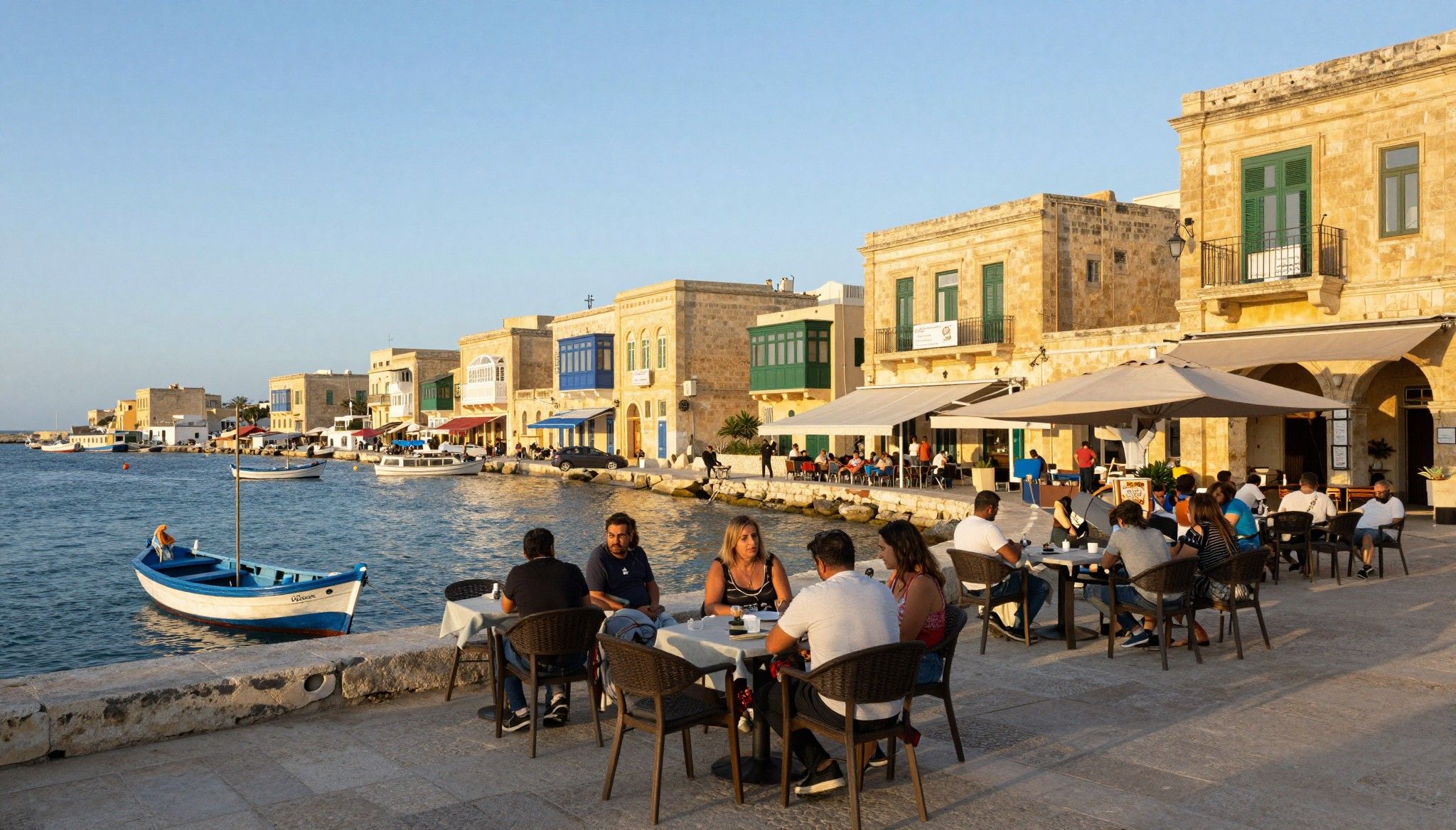
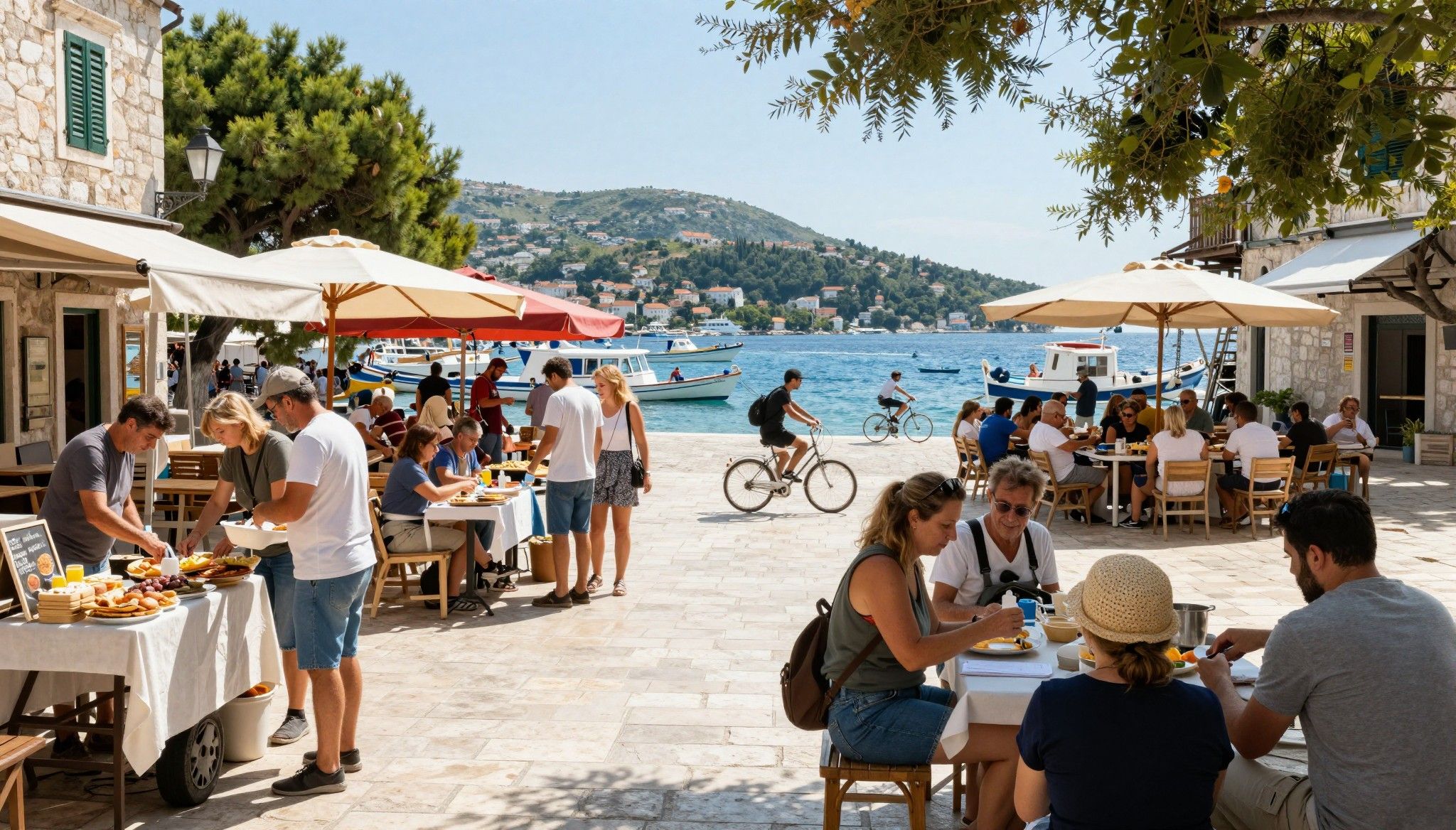
Imagine mornings in Limassol’s Marina — espresso at To Steki, fishermen hauling in the day, children chasing pigeons on the promenade. Picture weekends in Paphos: tavernas with chatter that runs deep into the evening, and a coastline that bends into secret coves. Cyprus lives like a Mediterranean novel: slow breakfasts, abrupt bright light, and communities that know your name. But that charm sits beside rules, fees and residency tests that shape whether your dream becomes an affordable, durable reality.
Living Cyprus: daily rhythms and real streets
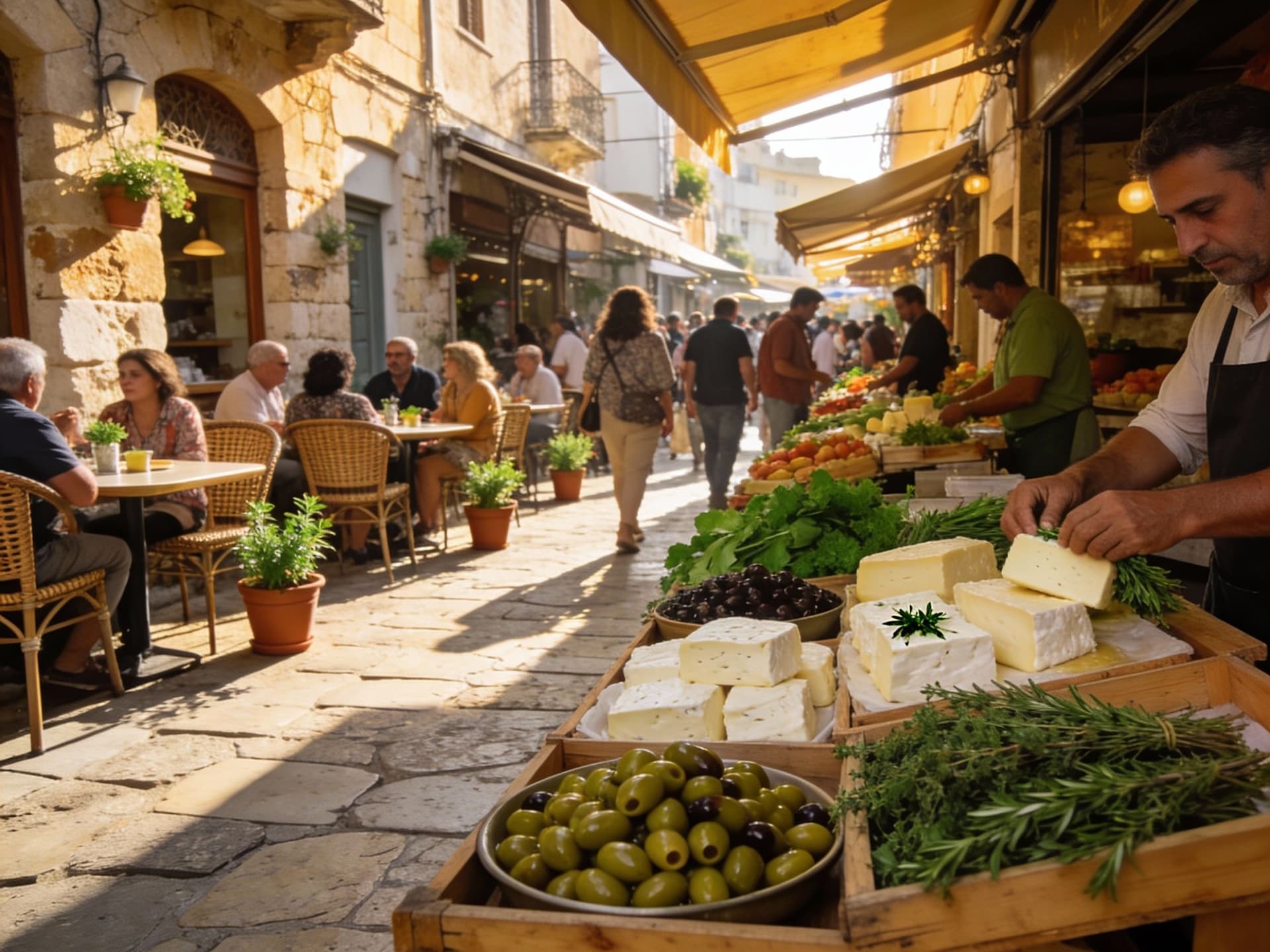
Life here is tactile. In Nicosia’s old town you hear shutters, see narrow streets opening into courtyard cafés, and feel the divide between modern offices and Ottoman-era stone. In Ayia Napa the summer electricity of nightlife gives way in winter to quiet beaches and rugged hiking trails. These contrasts matter because they change the utility of a property — a harbour‑front apartment behaves like a seasonal business, a village house is year‑round shelter.
Neighborhood spotlight: Limassol Marina & Molos
Limassol pairs polished new developments with narrow, lived-in lanes. Walk from Akti Olympion to Anexartisias street and you pass boutique bakeries, yacht clubs and multi-generational fruit sellers. For investors, the marina offers liquidity; for residents, proximity to services and international schools. Expect higher asking prices but better rental demand during both tourist and business seasons.
Food, markets and small rituals
Saturday mornings mean markets: Larnaca’s Municipal Market for halloumi and herbs, Paphos’ fish stalls for the week’s catch. Meals are social — a simple meze can last three hours. These rhythms decide where you place windows and terraces: morning shade on an eastern-facing balcony, a storage room for market purchases, or a kitchen large enough to host neighbours.
- Lifestyle highlights to look for when choosing a street
- A bakery or kafeneio within five minutes’ walk — daily life convenience
- Access to municipal services (refuse, sewerage) — small fees, big comfort
Making the move: the legal landscape that shapes lifestyle

Cyprus’s immediate appeal — sunshine, English widely spoken, and a small legal system — doesn't undo administrative reality. Two cost buckets dominate transaction budgets: VAT (for new builds) versus transfer fees (for resales). Which applies changes your cashflow and timing, especially if you’re planning to use the property as a primary residence and hope for the reduced 5% VAT band on qualifying homes. Check the rates early; developers and resale sellers present different cost profiles and negotiation levers.
Property types and the tax trade-off
New apartments generally attract VAT (standard 19%, reduced 5% on qualifying primary residence portions). Resales normally avoid VAT but trigger transfer fees (tiered 3–8% scale, often effectively halved). Practically: a new 120m² apartment may carry VAT but no transfer fee; a 20‑year resale will likely be VAT‑free yet incur transfer fees. That choice changes your upfront spend and your buyer protections.
Work with experts who protect both lifestyle and ledger
Good agencies and Cyprus lawyers act like cultural translators. They flag whether a terrace faces the Levantine sun or the marina, and whether a contract hides staged completion dates. They also secure bank letters and trace funds for residency applications. Agent selection is about local knowledge and paperwork discipline as much as about introductions to good cafés.
- Steps to align lifestyle with legal reality
- Inspect at least twice: morning and evening to check sun, noise and neighbour routines
- Ask the seller/developer for a breakdown: VAT status, transfer fee exposure, and municipal levies
- Confirm title status with a Cyprus lawyer and pay-into-lawyer escrow for deposit protection
Insider knowledge: residency, myths and the longer view
A common myth: Cyprus still sells quick citizenship. It doesn't. Citizenship‑by‑investment was suspended and later scrapped amid scandals; residency routes remain, but with stricter checks. The most reliable route for many buyers is the immigration permit for third‑country nationals (often called Category F or the permanent residency track), which requires proof of stable income, a qualifying property purchase and a pledged bank deposit. These are administrative but straightforward when prepared correctly.
What expats wish they'd known
Expats often underestimate small recurring costs: municipal levies, sewerage contributions and the occasional special assessment for building repairs. They also miss cultural cues: midday closures in smaller towns, and social expectations around introductions and hospitality. These shape whether a house feels like a home within a year.
Long-term value and exit considerations
Think beyond the postcard. Harbour apartments trade easily but can be cyclical; village houses gain in scarcity value but require maintenance. Factor taxes and fees into a 5–7 year exit scenario. Confirm whether your unit will be subject to VAT or transfer fees — that alone can change net return materially.
- Practical red flags to watch for
- Developer delays without contractual penalties
- Unclear VAT status on handover documents
- Missing building inspections or ambiguous title history
Conclusion: buy the life, verify the ledger
Cyprus can be a durable second home: good food, tight communities and straightforward legal processes when handled with care. Start with visits that test daily life, then assemble a small local team — a lawyer, a tax advisor and an agency that knows the streets as well as the contracts. That combination protects the lifestyle you fell for and the capital you commit.
Danish investment specialist who relocated to Costa del Sol in 2015. Focuses on data-driven market timing and long-term value for Danish buyers.