How Cyprus’ Non‑Dom Rules Change the Math
Cyprus’s lifestyle is seductive — but non‑dom tax rules, VAT vs transfer‑fee treatment and title risks change net returns. Verify VAT, title and non‑dom early.

Imagine sipping an espresso on Stasikratous in Nicosia at 9am, then trading that city pulse for a sunset swim on Finikoudes beach in Larnaca by 6pm. Cyprus moves at two tempos: urban convenience and island calm. That split is where opportunity hides — but it’s shaped as much by tax rules and title quirks as by shoreline. If you picture Cyprus as only sun and low costs, you’ll miss the legal levers that really change the return on a purchase.
Living the Cyprus life — texture before numbers

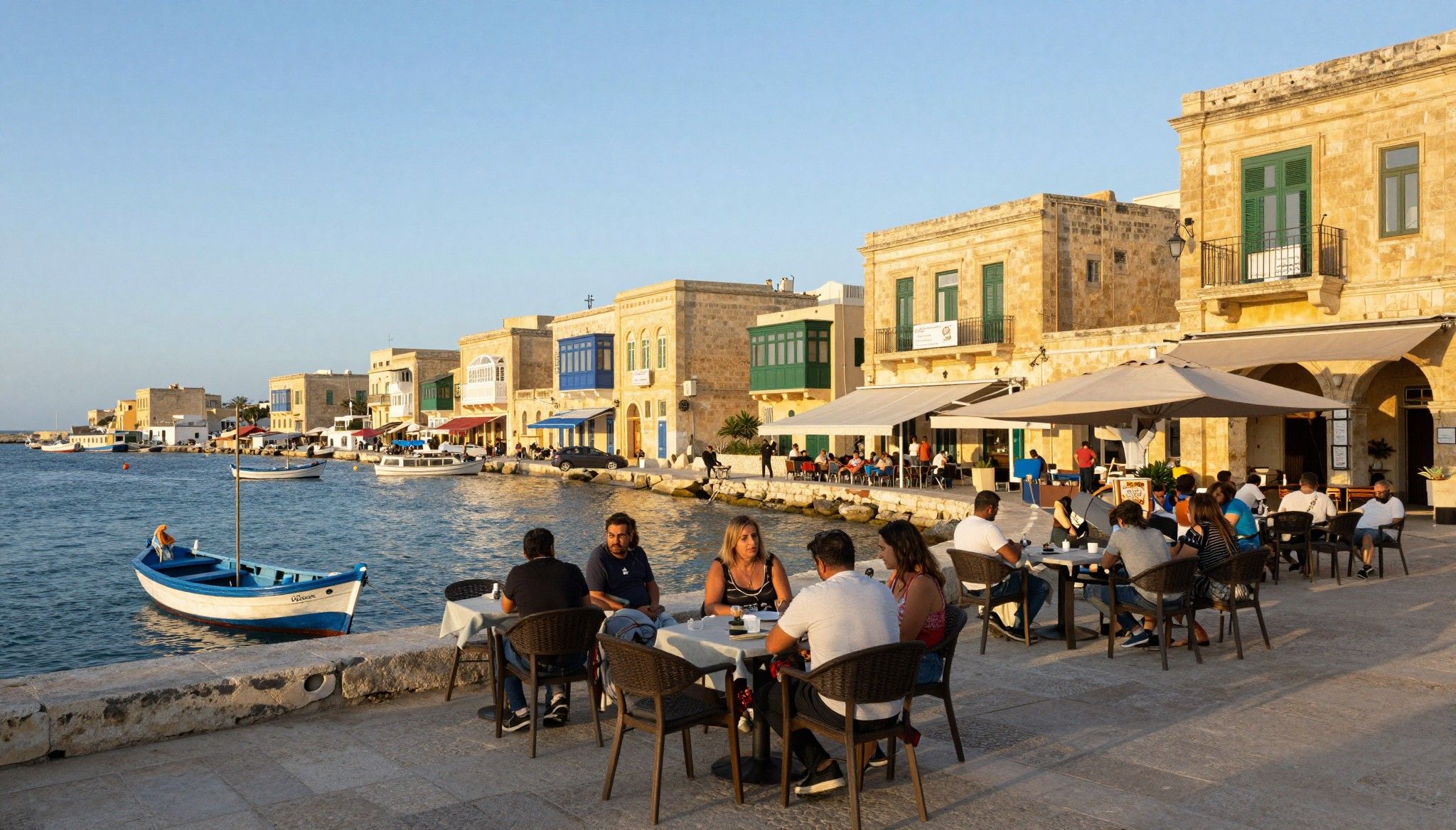
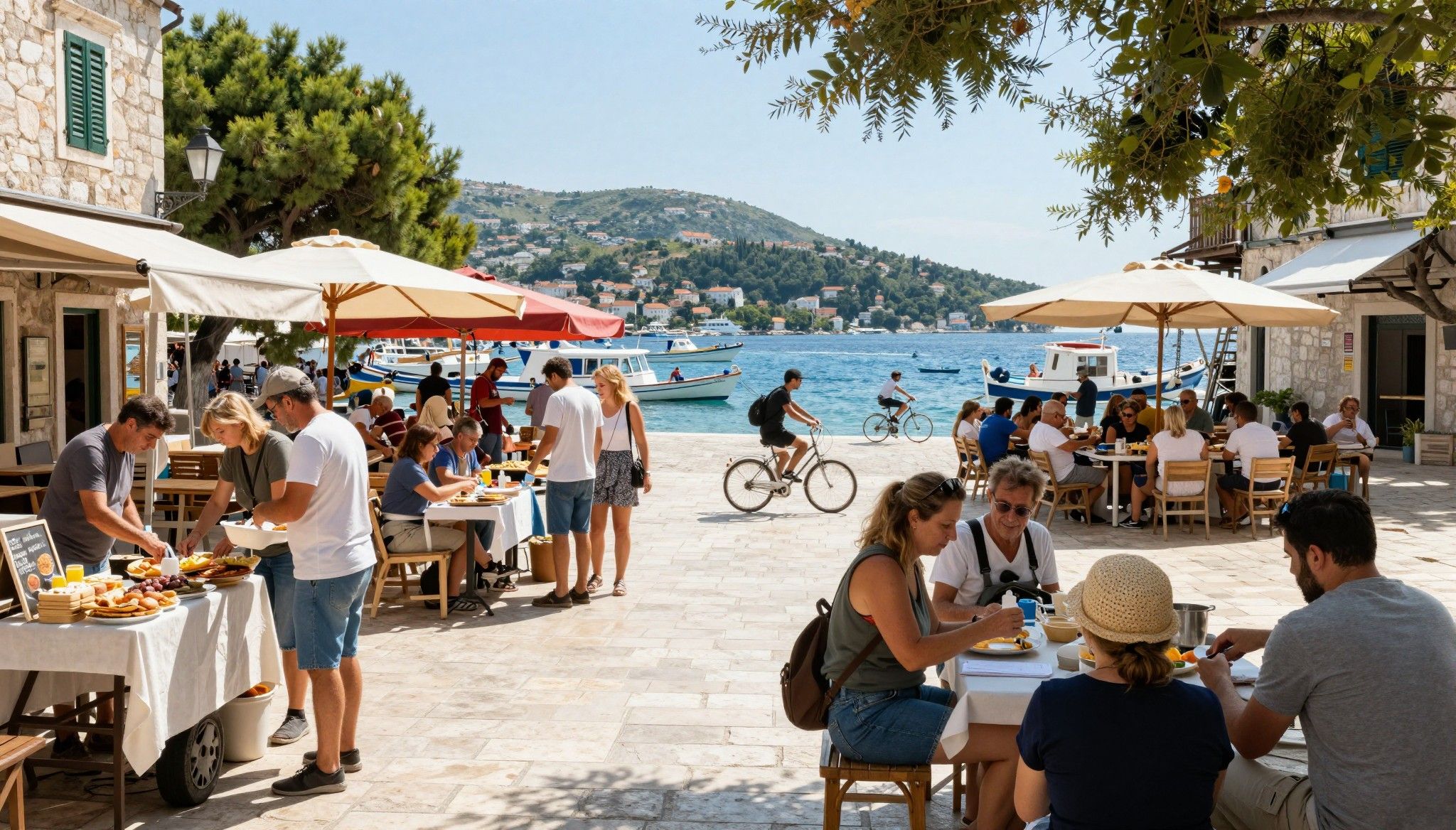
Cyprus’s daily rhythms are blunt and sensory. Markets open early in Limassol’s Old Port and fill with tomato-scented air; tavernas in Paphos wake at dusk for slow meze; narrow lanes in Larnaca reward walkers with unexpected kafeneia and baristas who remember your order. For many internationals the appeal isn’t only climate — it’s the way community, food and calendar anchor a predictable, low‑stress life. That lifestyle influences property choice: you’ll pick a courtyard apartment differently if you intend to join the morning market routine, and a coastal villa differently if you crave all‑season neighbours rather than summer crowds.
Neighborhood spotlight: Nicosia, Limassol, Larnaca and Paphos
Nicosia feels compact and civic: think bookstores, municipal squares and cafés clustered along Stasikratous and Ledra. Limassol mixes international business with a stretch of glossy marinas and coastal promenades — it’s where expatriate professionals and luxury developers converge. Larnaca keeps a village cadence; Finikoudes and Mackenzie have low-rise tourism while residential streets a few minutes inland retain quiet. Paphos trades on heritage and seafront suburbs; its medieval centre and coral beaches draw retirees and holiday rental demand. Each area has a different transaction rhythm — and a different regulatory nuance when it comes to title checks and VAT treatment.
Food, calendar and seasonality that shape property life
Weekends are for tavernas and village fêtes; autumn olive harvests and spring festivals reshape local demand for short-term lets and seasonal rentals. If you want year-round rental income, aim for properties with winter appeal: central heating, insulation and proximity to services. If your heart is summer occupation, prioritise walkability to beaches and shade-providing terraces. Lifestyle choices have tax and compliance consequences — rental classification, tourist licensing and VAT treatment all change the paperwork you’ll sign.
Making the move: rules that change the math

Dreams meet ledger lines here. Two legal items most buyers underweight are transfer fee treatment (exemptions for VAT‑liable new builds) and the non‑dom tax status that can materially cut recurring levies. The transfer fee regime is progressive but offers meaningful exemptions for new builds — a purchase structure can therefore move several percentage points off your upfront cost. Meanwhile, Cyprus’s non‑dom rules exempt many residents from Special Defence Contribution (SDC) on passive income, changing net yield calculations for rental or investment strategies.
Property types and tax treatment: what to ask before you bid
New builds sold with VAT are often transfer‑fee exempt; resale homes typically qualify for a 50% reduction in transfer fees. Apartment prices and house prices have diverged in recent quarters, altering where VAT‑exempt new stock makes sense versus buying resale. The Central Bank’s RPPI shows deceleration in price growth in 2024 — a backdrop that changes negotiation leverage, especially in Limassol and Larnaca where supply rose. Always confirm whether the seller will register VAT on the sale; the presence or absence of VAT is decisive for immediate closing costs.
Practical steps to lock the right fiscal structure
- 1) Verify whether the sale is VAT liable — request the developer’s VAT registration and contract clause. 2) Run the transfer‑fee calculation using the Department of Lands’ valuation and confirm exemptions early. 3) Ask your lawyer to check title history for encumbrances, company ownership or missing permits. 4) Assess non‑dom eligibility with a tax adviser before you commit funds — it affects long‑term income tax outcomes. 5) Factor in utility connection costs and municipal rates for the exact neighbourhood, not only headline price.
Insider knowledge: what expats wish they’d known
I meet buyers who fall in love with a village piazza and only later discover the property’s rental classification prevents short‑term lets. Others plan for a lifetime of non‑dom benefits, then realise eligibility hinges on domicile definitions and the 17‑out‑of‑20 rule. These are not abstract traps — they shift net returns and lifestyle flexibility. Do the domicile and rental checks early and you avoid a resale later when expectations and local rules collide.
Cultural and legal rhythms that affect everyday life
Cyprus’s divided history can surface in unexpected legal risks — property marketed in the Turkish‑controlled north may carry title disputes that surface years later in courts. Locally, paperwork is still king: everything from planning permits to sewage connections affects value. Socially, expect a slower cadence in provincial administrations compared with capital offices; patience and a trusted local lawyer shorten timelines and reduce surprise costs.
Quick red flags to watch for before signing
- • Developer promises of guaranteed rental returns without contract proof. • Missing planning permits or unregistered extensions shown verbally. • Sales advertised in the north without clear title history. • Sales priced assuming a VAT exemption that the seller cannot legally claim. • Informal ‘company-share’ sales that mask land transfer complications.
Success in Cyprus requires blending desire with discipline. Love the life — the cafés, the islands, the festivals — but insist on the paperwork that preserves it. Start with a neighbourhood visit, then ask your lawyer to confirm VAT status, transfer‑fee exposure and title history. Engage a tax adviser early to assess non‑dom prospects and the SDC implications for rental or investment income. With those checks done you can buy for lifestyle and hold for value, rather than the other way around.
If you want precise next steps: collect the sale contract, ask for the VAT status, obtain the seller’s title documents, run a transfer‑fee estimate with the Department of Lands, and request a non‑dom eligibility note from a Cyprus tax specialist. These actions protect both the lifestyle you bought into and the financial case behind it.
Swedish expat who moved from Stockholm to Marbella in 2018. Specializes in cross-border legal navigation and residency considerations for Scandinavian buyers.