Cyprus: The Lifestyle You Buy—and the File You Need
Cyprus offers Mediterranean life and steady price growth, but residency perks and transfer costs decide whether that dream becomes a smooth reality.
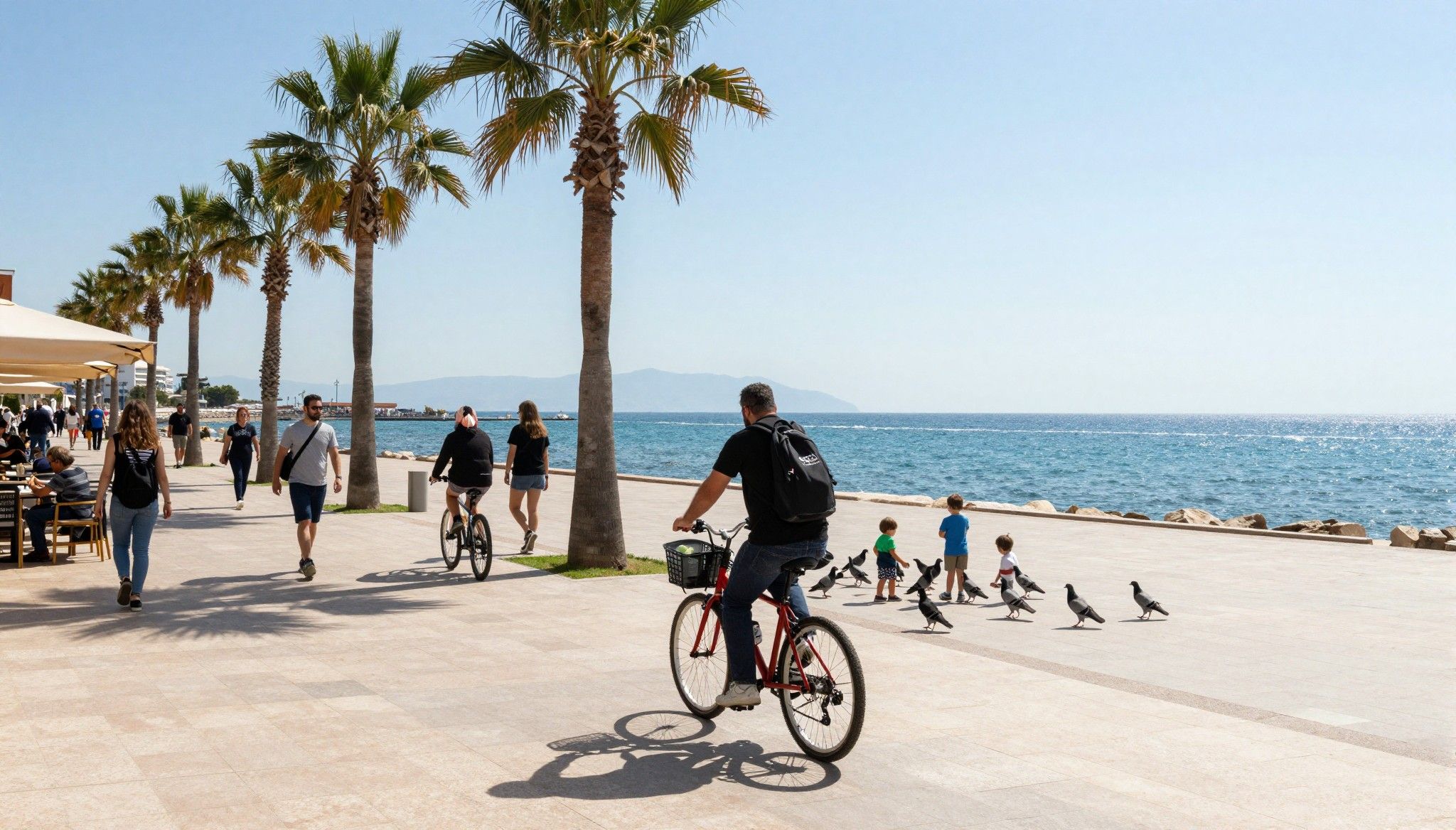
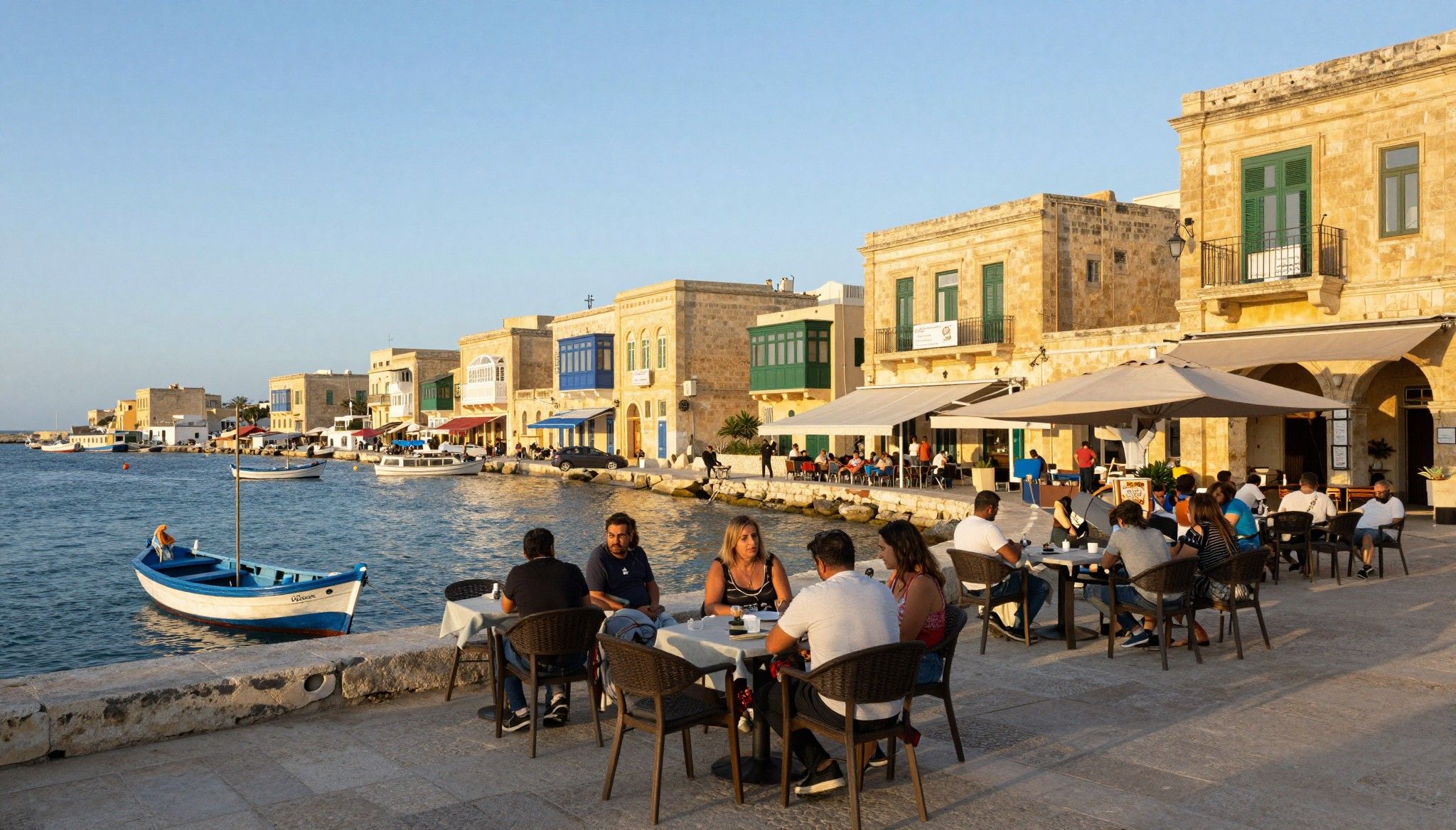
Imagine walking from a sunlit café on Limassol’s Molos promenade, espresso cooling as fishermen haul a modest catch, then slipping into a narrow lane where a neighbour sells freshly baked koulouri from a cart. That mix — coastal ease, old‑town pockets, and a surprisingly modern development pulse — is Cyprus. For many international buyers the island’s narrative is twofold: an irresistible Mediterranean life and a legal‑administration landscape that quietly decides whether that life is seamless or startlingly complicated.
Living Cyprus: the rhythms that shape where you buy
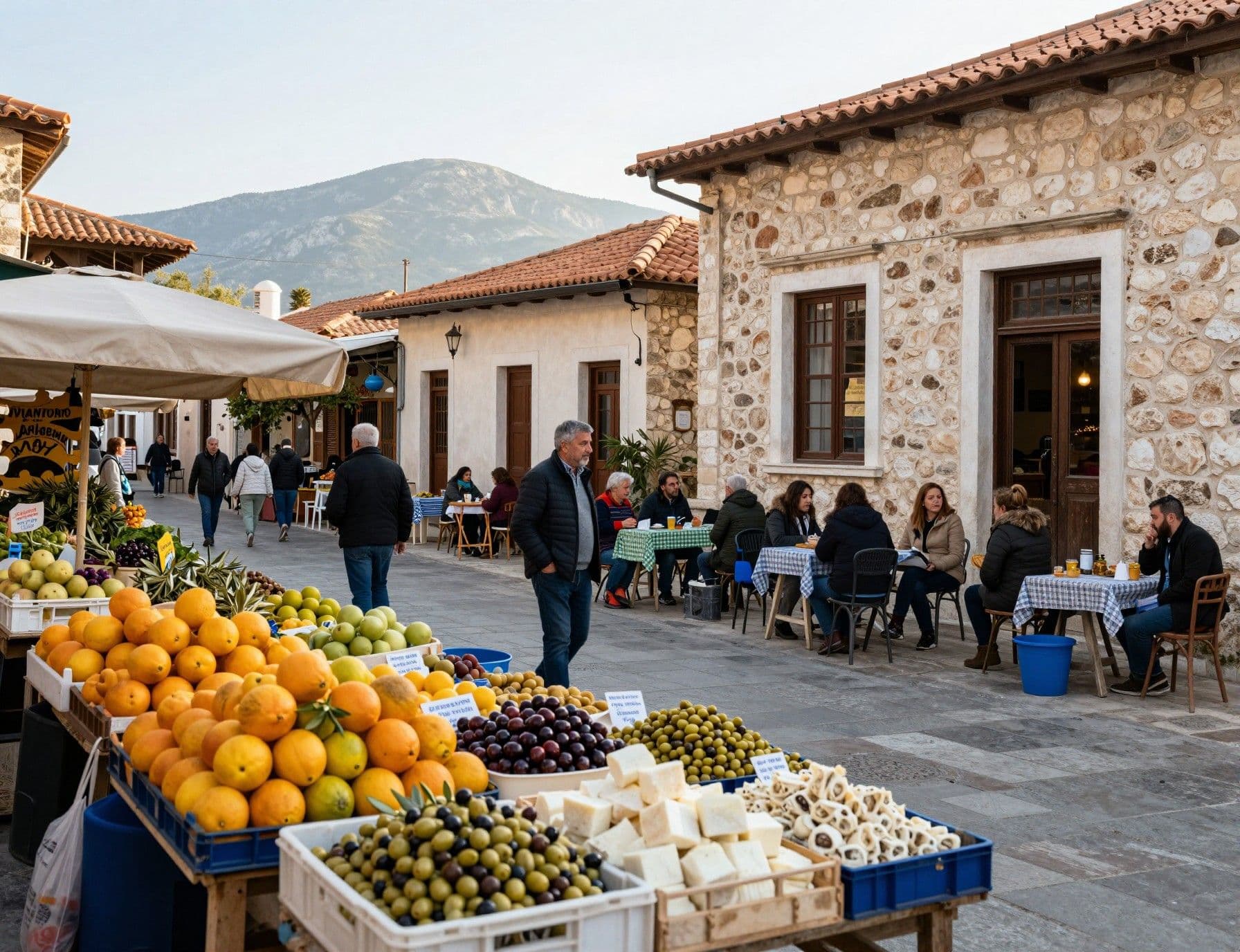
Cyprus is coastal mornings and mountain afternoons. The island’s tempo changes by neighbourhood: Limassol’s waterfront is polished and social, Paphos trades coastal calm for UNESCO antiquities, Nicosia is tight‑lipped urban life with a surprising café culture, and the Troodos villages feel like a different century. What you buy should answer the question: how close do you want to be to that tempo? If you want evening promenades and restaurants, look to Molos or Germasogeia. If you want an orchard, the Kyrenia foothills (north of the divide) — or the Troodos slope on the Republic side — will feel different every month of the year.
Neighbourhood spotlight: Limassol seafront vs Old Town pockets
Limassol’s seafront offers apartment living with concierge services, promenades, and marina life — a cyclical social scene that hums in summer and pleasantly slows in winter. Cross to Limassol Old Town (Anexartisias, Agios Nikolaos) and you’ll find low blocks, independent tavernas, and rental demand driven by short‑stay visitors and professionals. The tradeoff is clear: new seafront projects deliver maintenance and amenities, while old pockets deliver character and smaller price tags — but sometimes more paperwork when title searches reveal decades of informal alterations.
Food, markets and weekend life — lifestyle that sells
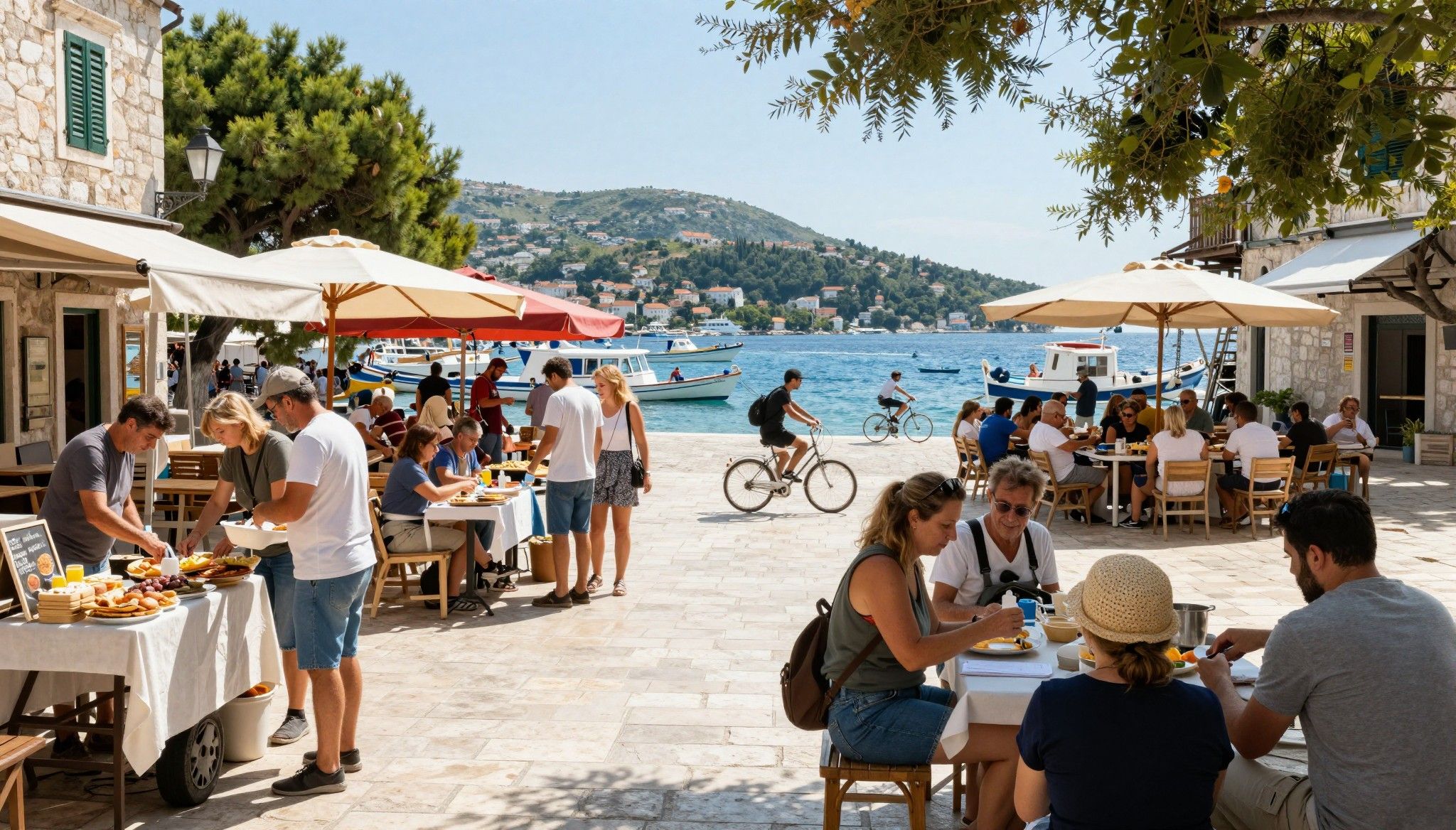
Saturdays in Cyprus mean morning markets — citrus and halloumi, olives and tiny local pastries — followed by long lunches. Cafés double as community noticeboards. For buyers, this matters: proximity to weekly markets, a reputable bakery (try the kiosks near Agios Georgios in Paphos), and an approachable neighbourhood taverna increase day‑to‑day satisfaction more than an extra bedroom in a soulless complex.
- Lifestyle highlights worth paying for
- Molos promenade walks (Limassol), weeknight mezze at To Roza (Paphos Old Town), Sunday farmer’s market at Nicosia’s Eleftheria Square, sunrise swims at Konnos Bay (Ayia Napa), and mountain hikes around Omodos with village wine tastings.
Making the move: how lifestyle choices meet legal reality

You can fall in love with a street, but the legal and tax framework determines whether that love lasts. Cyprus’s housing prices have been rising modestly (Central Bank RPPI recorded ~4–5% annual growth in recent quarters), and foreign buyer volumes shifted in 2024–25. That affects negotiation power, transfer timing, and the paperwork you’ll need. Start with the numbers, then translate them into days you’ll spend at cafés and beaches — the two are connected.
Property types and how they shape daily life
New seafront apartments give easy maintenance, pools, and concierge — ideal if you want to travel and rent. Traditional two‑storey homes inland give space, gardens, and a different pace, but expect upkeep and, sometimes, latent planning irregularities. If you want an authentic Cypriot garden, budget for irrigation, salt‑tolerant planting on the coast, and modest renovations to meet modern insulation standards.
Work with agencies who understand both life and law
Good local agents are storytellers and translators. They’ll point to which street gives morning shade, which block has structural survey headaches, and which developer truly completed titles. Choose agencies that routinely accompany buyers to the Department of Lands and Surveys and to local municipal planning offices — those steps reveal whether your dream terrace actually has a legal permit.
- Practical steps that blend lifestyle and paperwork
- 1) Spend 48–72 hours in the exact neighbourhood at different times of day; 2) Ask your lawyer for a title & encumbrance search before offer; 3) Confirm utility connections and sewage permits; 4) Budget transfer fees, VAT (if new build), stamp duty and 20% capital gains tax where applicable.
Insider knowledge: regulatory facts most expats miss
Two regulatory realities change how buyers think: immigration pathways and hidden transfer costs. Cyprus ended its citizenship‑by‑investment scheme, but fast‑track permanent residency via property investment remains available under specific conditions (developer new builds, minimum value thresholds, and documentary proof). Separately, transfer fees, stamp duty and potential VAT on new properties can materially alter your effective price — we’ve seen buyers miss five‑figure costs by treating listed price as all‑in.
Residency realities: what a purchase actually secures
Buying a property doesn’t automatically give EU citizenship. For most non‑EU buyers, well‑structured purchases can open a path to permanent residency (fast‑track schemes typically require new builds and minimum spends), but naturalisation timelines remain long and require legal residence periods. Treat residency benefits as useful complement, not guaranteed outcome.
The paperwork traps sellers won’t mention
Common surprises: incomplete building permits for extensions; unpaid municipal levies; and properties where title didn’t follow modern cadastre records. These are not always deal‑killers, but they demand costs and time to fix. Ask for the land registry folio, a recent utility bill in the seller’s name, and a certificate of planning use before you commit.
- Red flags to spot on a viewing
- No land registry folio, inconsistent seller ID on documents, recent unpermitted works, absence of energy performance certificate for a new build, and ambiguous community/management company records for apartments.
Conclusion: fall in love, then check the file
Cyprus sells a lifestyle — the sun, the sea, the market rhythm. But the difference between a seamless life here and a long bureaucratic road is often three documents: the land registry folio, planning permits, and a clear statement of taxes and fees. Visit neighbourhoods live‑time, keep lifestyle as your first filter, and pair that curiosity with a lawyer and an agent who know where the paperwork hides. If you do, you’ll not only buy a property — you’ll buy the life that made you look at Cyprus in the first place.
British expat who relocated to Marbella in 2012. Specializes in rigorous due diligence and cross-border investment strategies for UK and international buyers.