Cyprus: Life, Residency Rules and the Legal Checklist
A lifestyle-led guide to buying in Cyprus: how residency rules, the non‑dom tax regime and property types reshape the neighbourhoods you should actually consider.

Imagine walking down Ledra Street at dawn, espresso in hand, hearing Greek and English traded at the counter while construction cranes hum in the distance. Cyprus feels like a Mediterranean village stretched across cities, coast and mountains — warm, social, and unapologetically lived‑in. But the paperwork, taxes and residency rules here matter almost as much as the sea view; they shape which neighbourhoods you can afford, what rental income looks like, and whether the island becomes a second home or a real base.
Living the Cyprus life: rhythms, places, tastes

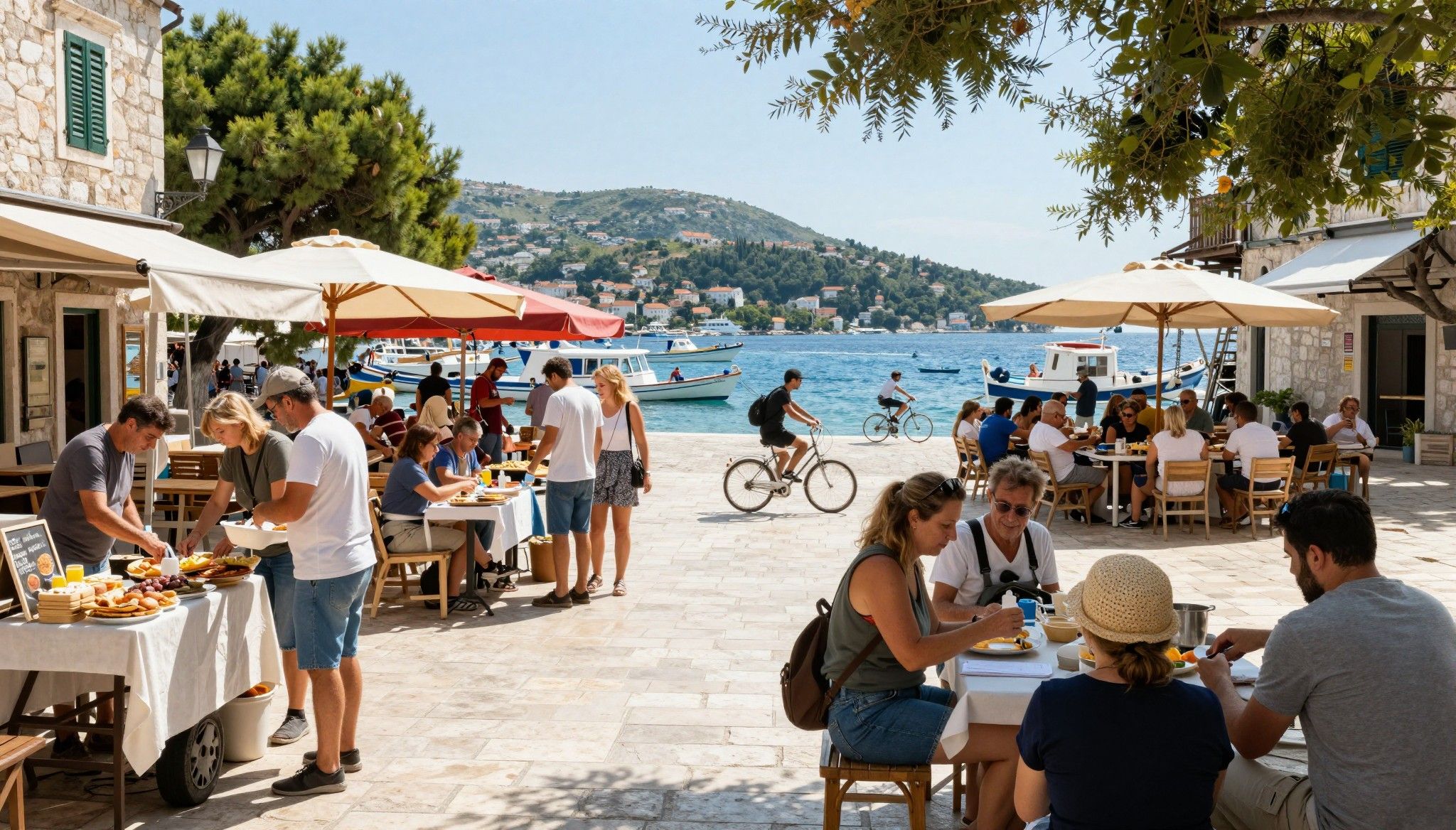
Cyprus moves between long, slow mornings and lively late afternoons. Nicosia’s old town is a mosaic of coffee shops and municipal life; Limassol hums with yachts, evening promenades and new residential towers; Paphos keeps a quieter, heritage‑rich tempo with tavernas under plane trees. Weekends mean markets (try the municipal market in Limassol), mountain tavernas in Troodos, and beaches that still belong to locals. For buyers, lifestyle choice is concrete: a narrow townhouse near the old port is a different contract and tax story to a sea‑view apartment on the Limassol Marina.
Neighbourhood pulse: Nicosia, Limassol, Paphos
Nicosia’s Strovolos and old‑city streets reward people who want daily markets and cafés; Limassol’s Germasogeia and Agios Tychon suit families chasing international schools and marina life; Paphos’ Kato Paphos brings archeology and a calmer expat community. Street names matter: a flat off Anexartisias in Limassol puts you into the town’s social hub, while a villa on Kissonerga road in Paphos buys quieter coastal living and different council tax realities.
Food, markets and weekend habits
Saturdays mean halloumi and thyme honey, village festivals and a late‑afternoon siesta that melts into evening tavernas. Two cafés that tell you a lot about local rhythm: To Kazani in Limassol for traditional lunches and Ktima Café in Troodos for mountain air. These are also the places you hear honest opinions about neighbourhoods and agents; talk to café owners and market stallholders — they’ll tell you where rents are rising long before the statistics do.
Making the move: how residency and tax shape choices

Your lifestyle preference (coastal apartment vs village house) directly affects the residency and tax pathways open to you. Cyprus offers permanent residency routes tied to property investment — typically requiring a minimum investment threshold in new property — and a tax framework that can make living here materially more attractive if you qualify as a tax resident but not domiciled in Cyprus. These aren’t abstract perks; they change the maths on rental yield, running costs and how quickly a property pays for itself.
Property types and what they mean legally
New builds often carry VAT (standard rate applies) but can be exempt from transfer fees; resale properties avoid VAT but attract transfer fees and different due diligence. If you’re buying to rent, understand VAT treatment for furnished apartments and how capital gains and rental income will be treated depending on your tax residency. We’ve seen buyers pay extra because they mistook a resale’s lower headline price for a cheaper total cost once transfer fees and renovation are added.
- Steps to align lifestyle with residency & tax (practical sequence)
1. Decide how you want to live (city, coast, mountain) — this narrows the residency routes that fit property types. 2. Check whether a new build vs resale changes your eligibility for residency-by-investment programmes. 3. Confirm tax residency timing (183‑day or 60‑day rule) and whether you can claim non‑dom status to reduce SDC exposure. 4. Run a full cost model including VAT, transfer fees, council rates and realistic rental projections before making an offer. 5. Instruct a local lawyer and tax adviser before signing — contracts follow different conventions here.
Insider knowledge: myths, red flags and real advantages
Myth: "Cyprus is only for wealthy second‑home buyers." Not true. The island’s non‑dom tax regime and selective residency routes make it attractive for professionals, retirees and remote workers — but the benefits require planning and correct timing. Red flag: sellers who push "off‑plan VAT savings" as the only reason to buy. Always check completion timelines and whether VAT exemptions actually apply to your use case.
What expats wish they’d known
Expats tell us they underestimated local paperwork speed and overestimated instant community integration. Yes, many people speak English; yes, the island is welcoming — but registering for health services, establishing tax residency, and enrolling children in schools take time. A common regret: buying based only on seaside photos without visiting the street at different times of day. Weekday mornings and festival weekends feel different; choose based on lived reality.
Practical red flags in contracts and agents
• Clauses that shift completion dates without penalty — ask for liquidated damages. • Vague VAT statements on the contract — get a VAT opinion in writing. • Sellers refusing to show recent title documents — insist on clear chain-of-title. • Broad service charges with no recent accounts — request three years of service invoices. • Agents without local legal partners — always pair agents with an independent lawyer.
Why this matters: Cyprus offers genuine tax advantages — the non‑dom SDC exemptions, attractive pension rules and the 60/183‑day residency tests — but these advantages are conditional. Getting the timing wrong can convert an intended tax benefit into an unexpected bill. Use reputable local tax advisories and confirm assumptions against government or established firm briefs before you sign.
A short checklist before you make an offer
• Confirm whether the property is new (VAT) or resale (transfer fees). • Ask for a non‑encumbrance certificate and recent title deed extracts. • Get written VAT opinions and expected completion dates. • Run a residency timing plan if you want tax non‑dom status (60/183‑day rules). • Estimate net rental yield after all taxes and running costs — not headline rent.
We love Cyprus for its light, family meals and the way neighbourhoods still feel human. But falling in love with a view isn’t a substitute for due diligence. Start with a lifestyle shortlist — one coastal town, one city and one mountain village — then map the residency and tax implications for each. That simple exercise transforms dreamy preferences into decisions that work financially and culturally.
1. Choose three neighbourhoods and visit in two seasons. 2. Run a cost model with VAT/transfer fees and local taxes. 3. Meet a local lawyer and tax adviser before offering. 4. Ask the agent for local service charge accounts and title deeds. 5. If residency matters, prepare a 12‑month plan for days in country to secure tax status.
If you’d like, we can pull local comparables for a specific street or run a residency‑by‑investment check for a property you’re eyeing. Cyprus rewards people who pair curiosity with a lawyer’s checklist. Fall for the life — then insist on the file.
Dutch relocation advisor who moved to Marbella in 2016. Guides Dutch buyers through visa paths, relocation logistics, and balance of lifestyle with value.