Fall for France — Then Check the File
Fall for France’s everyday life — then align your wishlist with transfer taxes, notaire fees and residency realities backed by INSEE and Notaires de France.
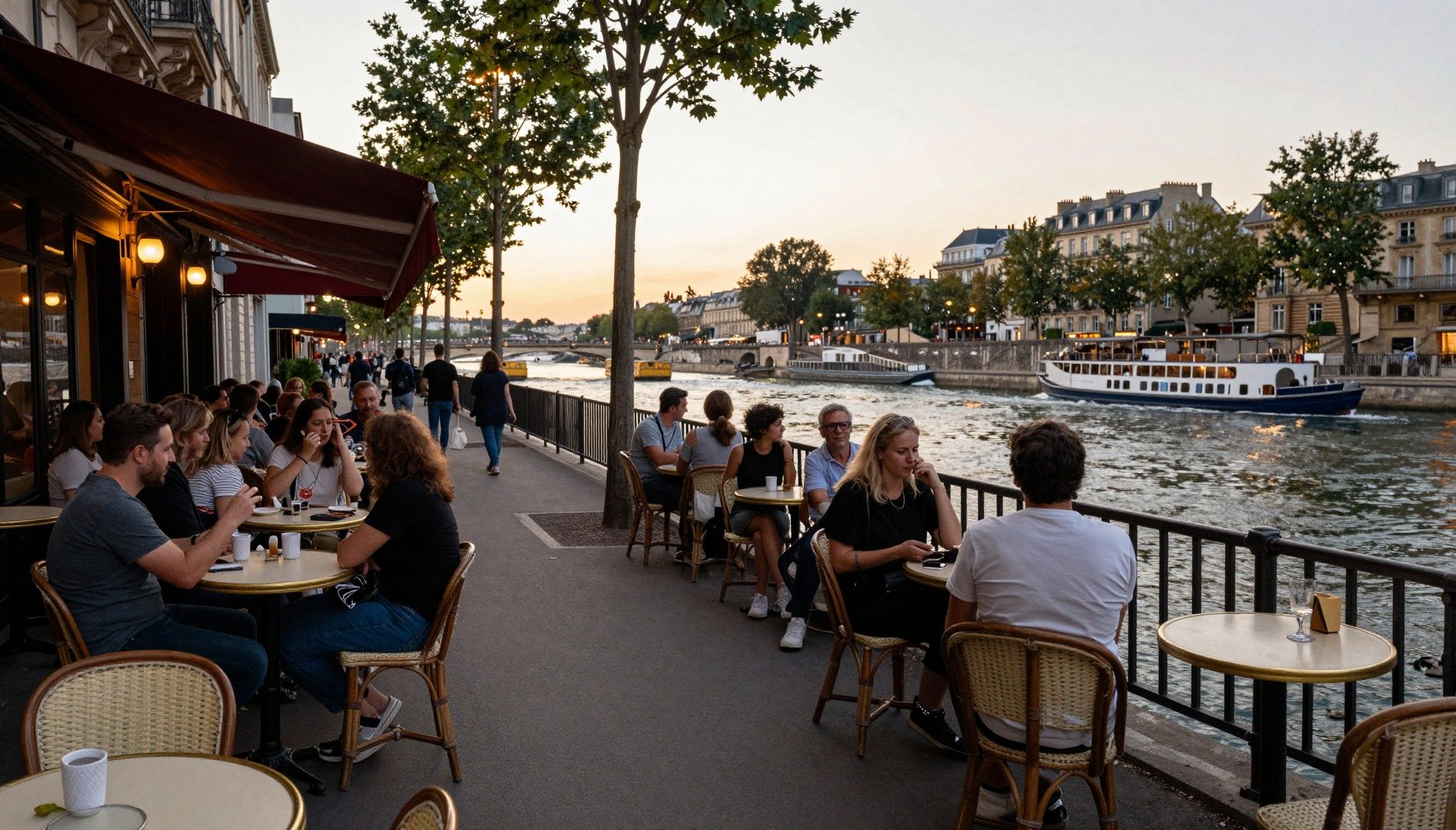
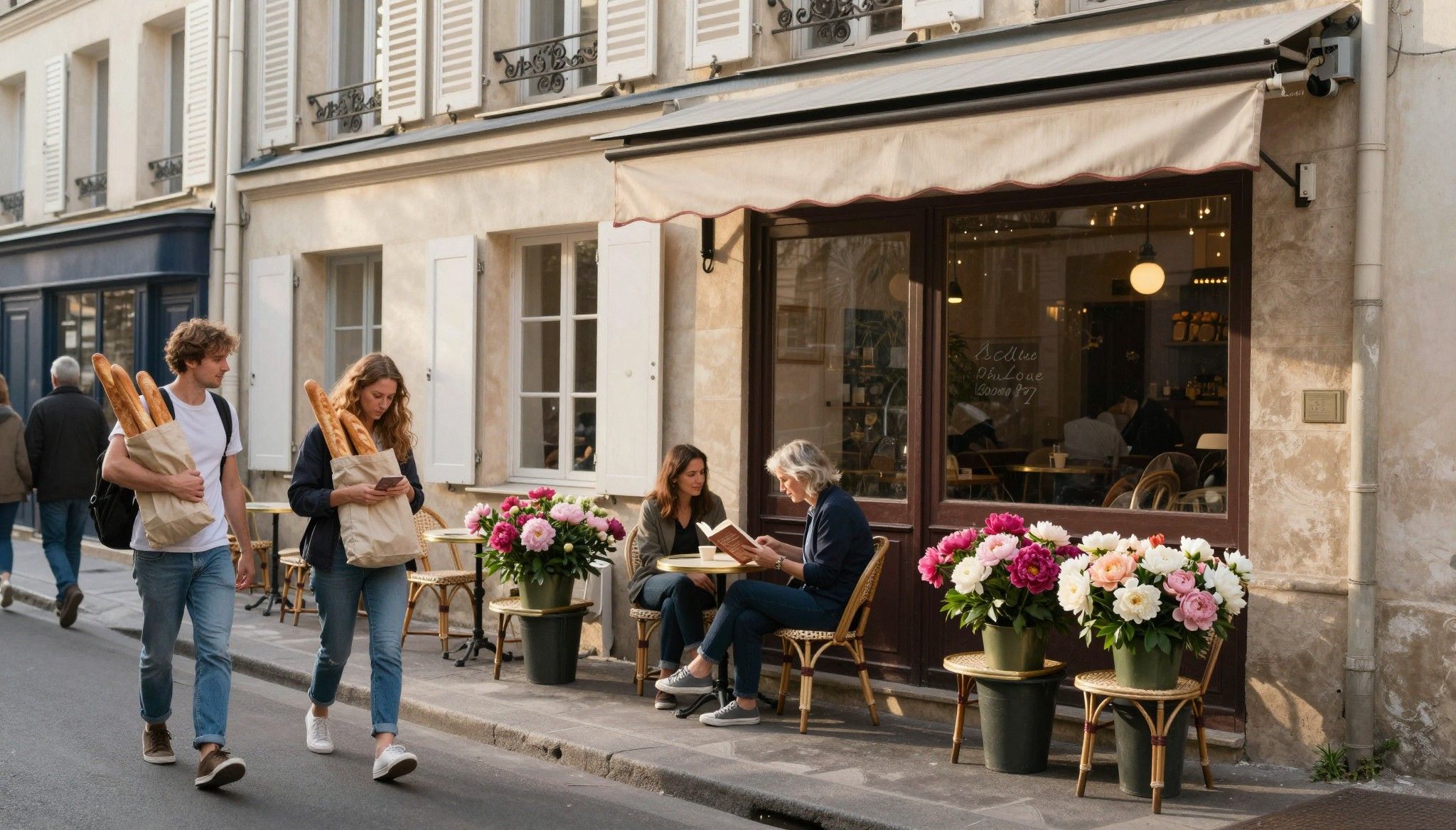
Imagine waking up in a narrow Parisian apartment, buying fruit from Marché d’Aligre, and catching evening jazz in Saint-Germain — then remembering you need a notaire, transfer taxes and a tax return. France has the kind of daily life people fall in love with: cafe culture, marché mornings, summers on the Côte d’Azur and stone houses in the Dordogne. But the legal and fiscal texture behind that life shapes whether your purchase is a joy or a headache. We’ll show the lifestyle first and the regulatory reality right after, with sources so you know exactly what to expect.
Living the France life — what actually feels like home
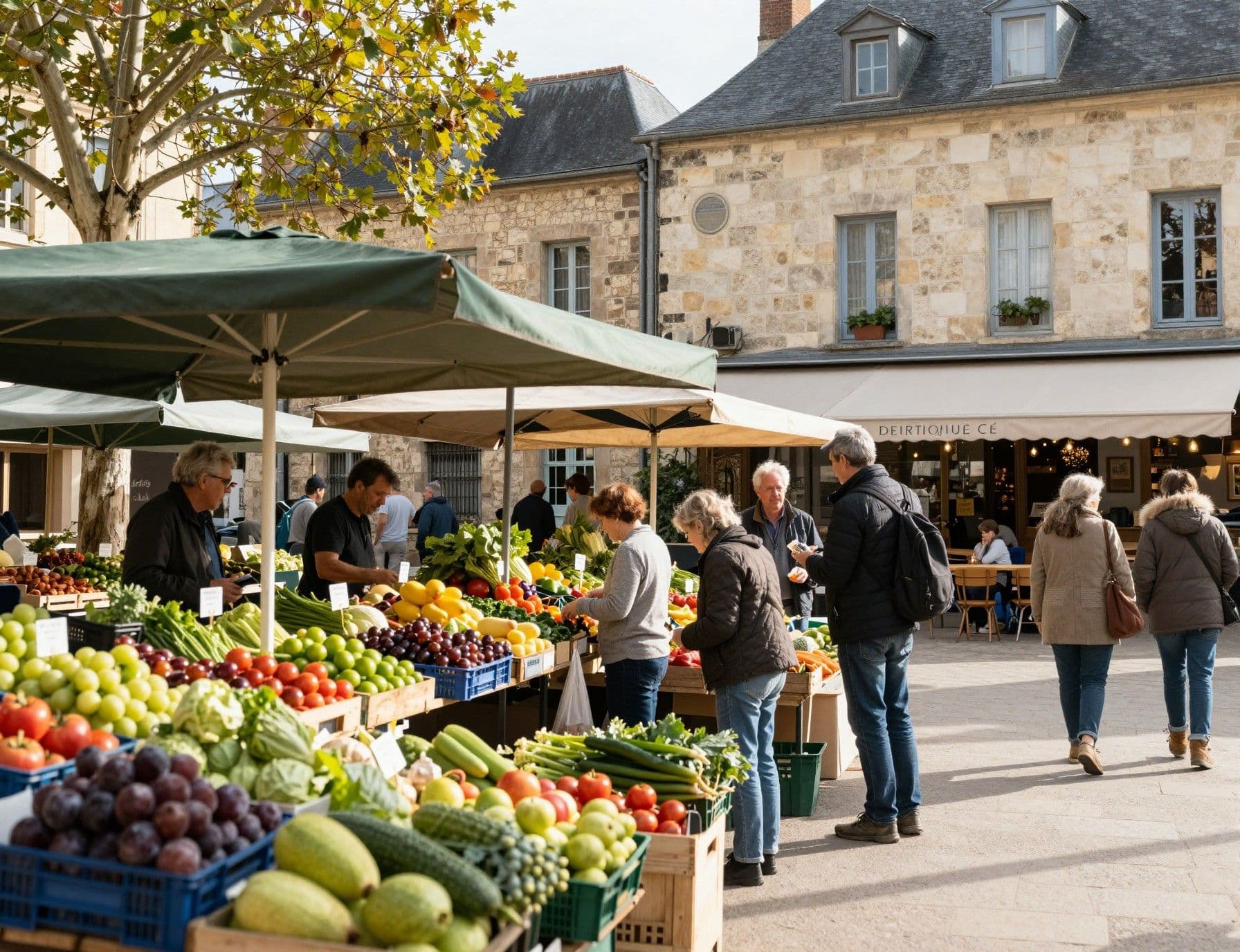
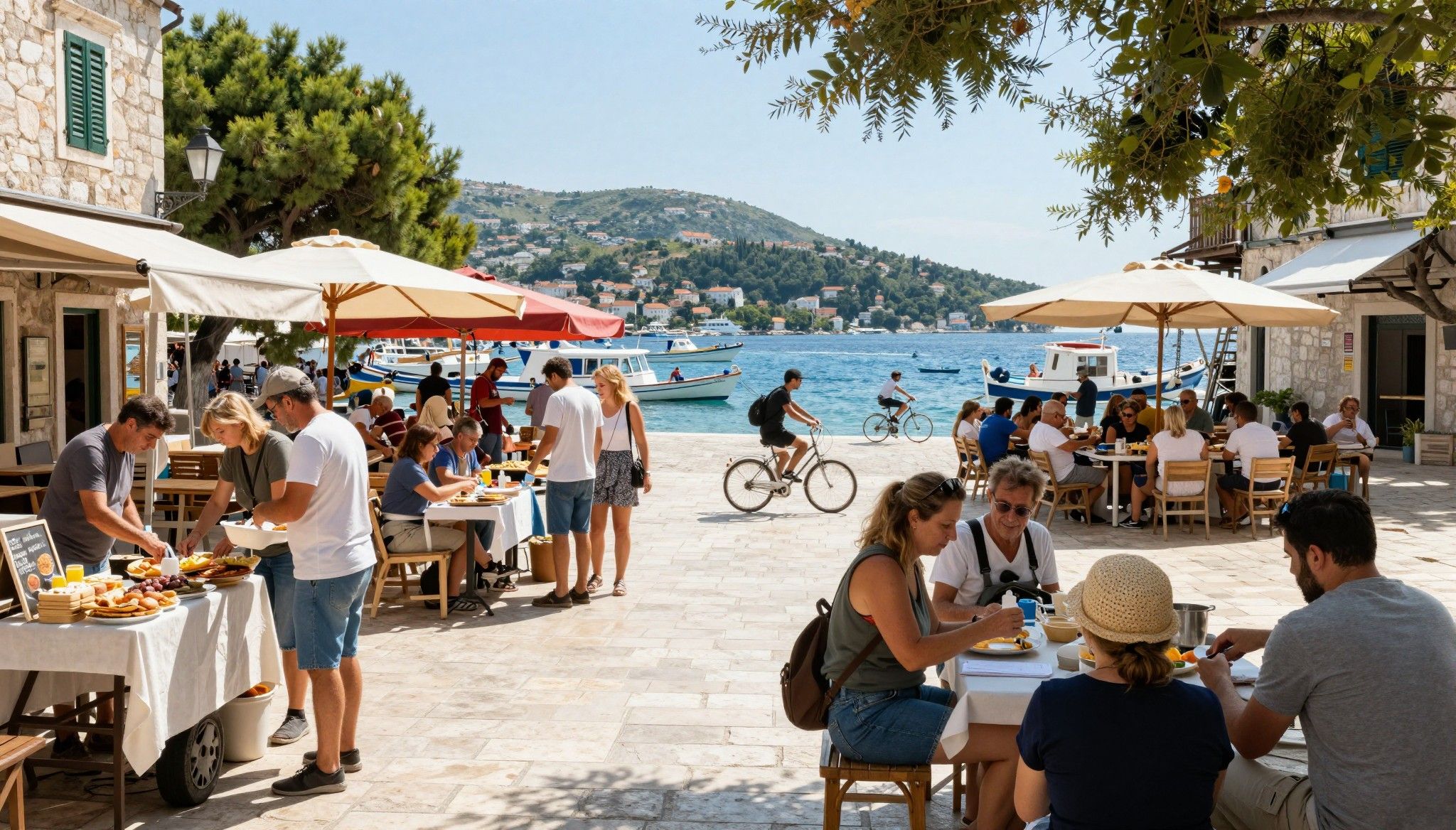
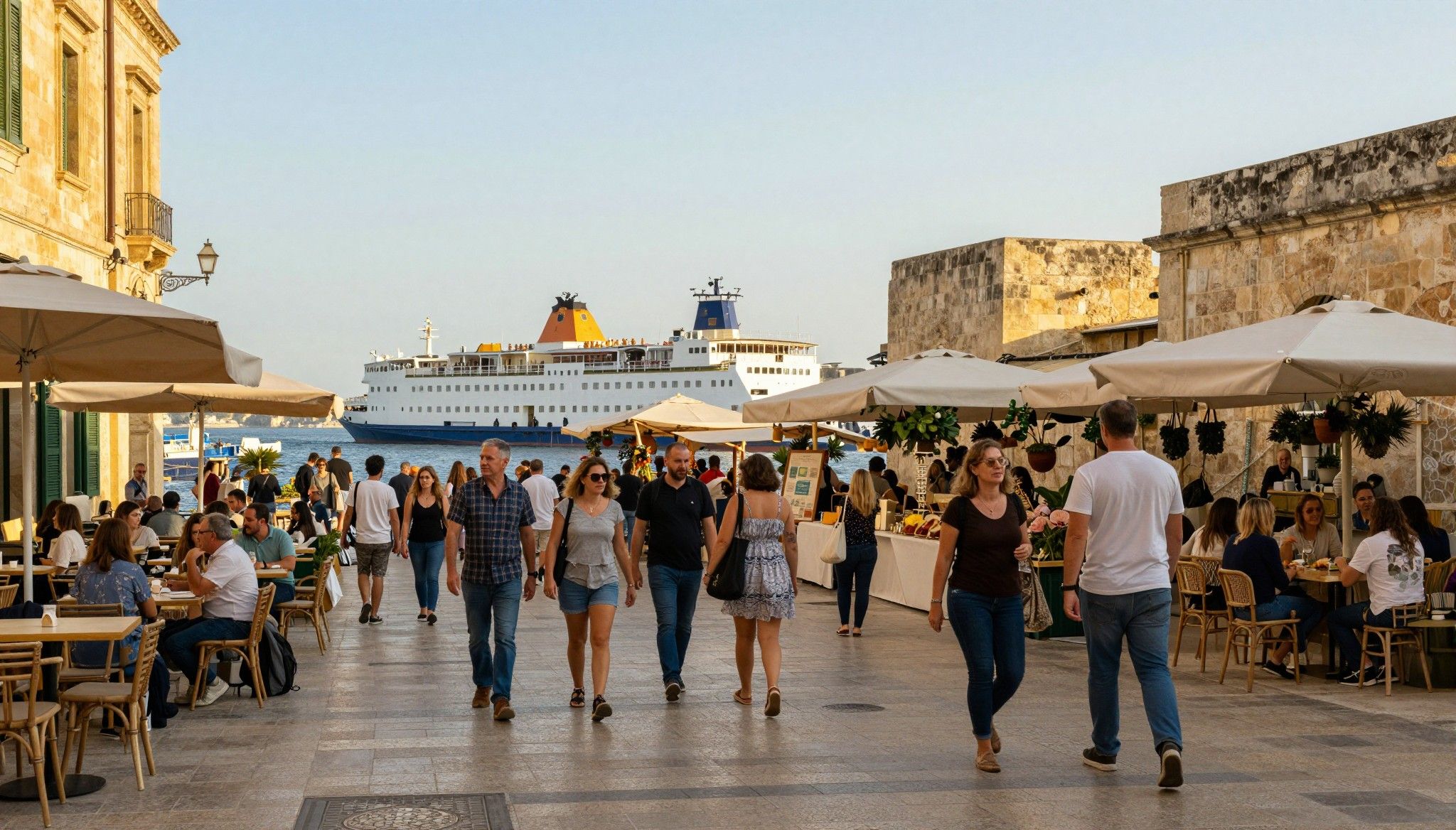
France is not one uniform rhythm. In Paris, mornings are for espresso and newspapers; in Marseille, the sea fetches you out the door; in Bordeaux the weekend is built around markets and wine tastings. That variety is why buyers choose France: each region offers a distinct daily soundtrack and set of expectations for property. Pick a place for how you want to live — not just for price per square metre — and you’ll avoid buyer’s remorse.
Neighborhood snapshot: Paris — arrondissements that tell different stories
The 5th and 6th feel academic and slow; the 11th is younger, buzzy and full of independent bars; the 16th is quietly residential with leafy streets and embassies. Walk Rue des Rosiers in the Marais and you’ll taste old Jewish bakeries beside contemporary galleries; cross Pont Neuf for the Seine’s slower evenings and the bookstalls that never quite close. Those micro-styles are what you buy into when you choose a street, not just a city.
Food, markets and seasons — how lifestyle shapes property choices
If weekend marché access matters (we’re looking at you, Provence fans), look for apartments with storage for weekly produce and kitchens that open to terraces. In the southwest, properties with cellar space are prized for wine storage; on the coast, insulation and shutters matter more than an extra bedroom. Seasonality changes the feel of a place — summer festivals swell small towns, winter quiet reveals the heating quality of a house — and that affects both enjoyment and running costs.
- Streets and experiences worth checking in person: - Marché d’Aligre (Paris) for daily food life - Vieux-Port (Marseille) for morning fish markets and terraces - Rue Sainte-Catherine (Bordeaux) for weekend pedestrian life - Plage de la Côte des Basques (Biarritz) for surf towns and short-stay rental demand - Place du Capitole (Toulouse) for a city-centre family rhythm
Making the move: practical considerations that preserve the lifestyle

You can fall in love with a street and still make a wise purchase — if you marry the life you want with the tax, legal and market facts. National indices show house prices stabilising in 2025 after recent volatility, but regional differences are sharp. That means a village in the Lot may behave very differently from central Paris; your strategy should be region-specific, not national.
Property types and what they really mean for day-to-day life
Stone village houses come with charm and big renovation bills; apartments in historic buildings offer location and lifestyle but sometimes tiny rooms and complex copropriété rules. New-builds (neuf) have lower transfer taxes but can be pricier per square metre; older properties carry higher notaire-collected transfer taxes, typically adding about 7–8% to the purchase price. Match property type to how you’ll live: large kitchen and garden for food-focused life, compact central flat for a walkable city existence.
Working with local experts who know both the life and the law
A good local agent points you to the right streets; a notaire and accountant make the purchase safe. Expect your agent to recommend a notaire, but shop around the notaire’s fee notes — most of that 7–8% goes to taxes, notary remuneration is small and regulated. For rentals and non-resident tax issues, a French tax adviser will save you money and paperwork — particularly if you plan short lets or rental income.
- Steps to marry lifestyle and legal certainty: 1. Walk the street and visit at different times to check rhythm and noise. 2. Ask for full copropriété accounts and minutes if buying an apartment. 3. Get a notaire to run title checks and planning constraints. 4. Consult a fiscal adviser about rental income and non-resident tax returns. 5. Budget an extra 7–8% for acquisition costs on older properties.
Insider knowledge: what expats wish they'd known before buying
Many expats assume buying automatically simplifies residency or taxes — it doesn’t. Owning property in France does not grant residency rights; immigration and visa rules are separate and must be handled through prefectures or consulates. Also, small renovation permissions, rental rules and local planning can vary by commune, so a single on-the-ground meeting with the mairie (town hall) can save a lot of trouble later.
Cultural and administrative realities that affect day-to-day life
French bureaucracy moves at its own pace: expect official replies in weeks rather than days, and polite formalities in meetings. Learning a little French opens doors — not just social ones but practical ones at the mairie, bank and with contractors. Respect for local rhythms (sieste in some rural parts, market days) helps you integrate and get better local advice than any online listing.
Long-term lifestyle: what grows in value beyond price charts
Community, good transport links, and a vibrant local market often determine long-term happiness and resale value more than short-term price swings. Areas with strong local commerce and steady year-round demand — university towns, regional capitals, and transport hubs — tend to be resilient in downturns. Think about lifestyle sustainability: can you see yourself there outside of high season?
- Red flags to investigate before you sign: - Missing copropriété accounts or surprise debt for façade works - Planning restrictions that block your renovation plans - Unclear property boundaries or absence of a cadastre plan - High short‑term rental turnover in a building (noise and management headaches) - Unusually low price with no clear explanation (title, servitudes, or structural risk)
- If you spot a red flag, act like this: 1. Pause and request documented clarifications from the seller. 2. Ask your notaire to run specific title and servitude searches. 3. Get a structural survey from a local engineer. 4. Re-assess financing and insurance options if issues surface. 5. Walk away if problems outweigh the lifestyle benefit.
Conclusion: fall in love, then check the file. France offers a rich palette of daily lives — seaside breakfasts, market-driven family rhythms, or late-night city pleasures — but the paperwork decides whether that life is secure. Start with the street, bring in local experts for the file, and budget realistically for taxes and notaire-collected costs. When the lifestyle and the ledger both check out, you’ll have not just a property but a place that feels like home.
British expat who relocated to Marbella in 2012. Specializes in rigorous due diligence and cross-border investment strategies for UK and international buyers.