Fall for the life—then check the deed (France)
Fall for French life first—markets, cafés and coastal rhythm—then protect it with notaire checks, departmental transfer‑tax awareness and cross‑border tax modelling.

Imagine morning light on a rue in Aix‑en‑Provence, a boulangerie door opening, and the simple certainty that a cappuccino and a chirping market are five minutes away. That sensory certainty is why people buy in France: the rhythm of neighbourhood life, seasonal food culture and neighbourhood cafés that double as civic space. Yet the paperwork, taxes and local rules can sap the romance fast if you arrive unprepared. We start here—with the life you’re buying—then map the legal landscape that protects it.
Living the French life — senses first, spreadsheet second
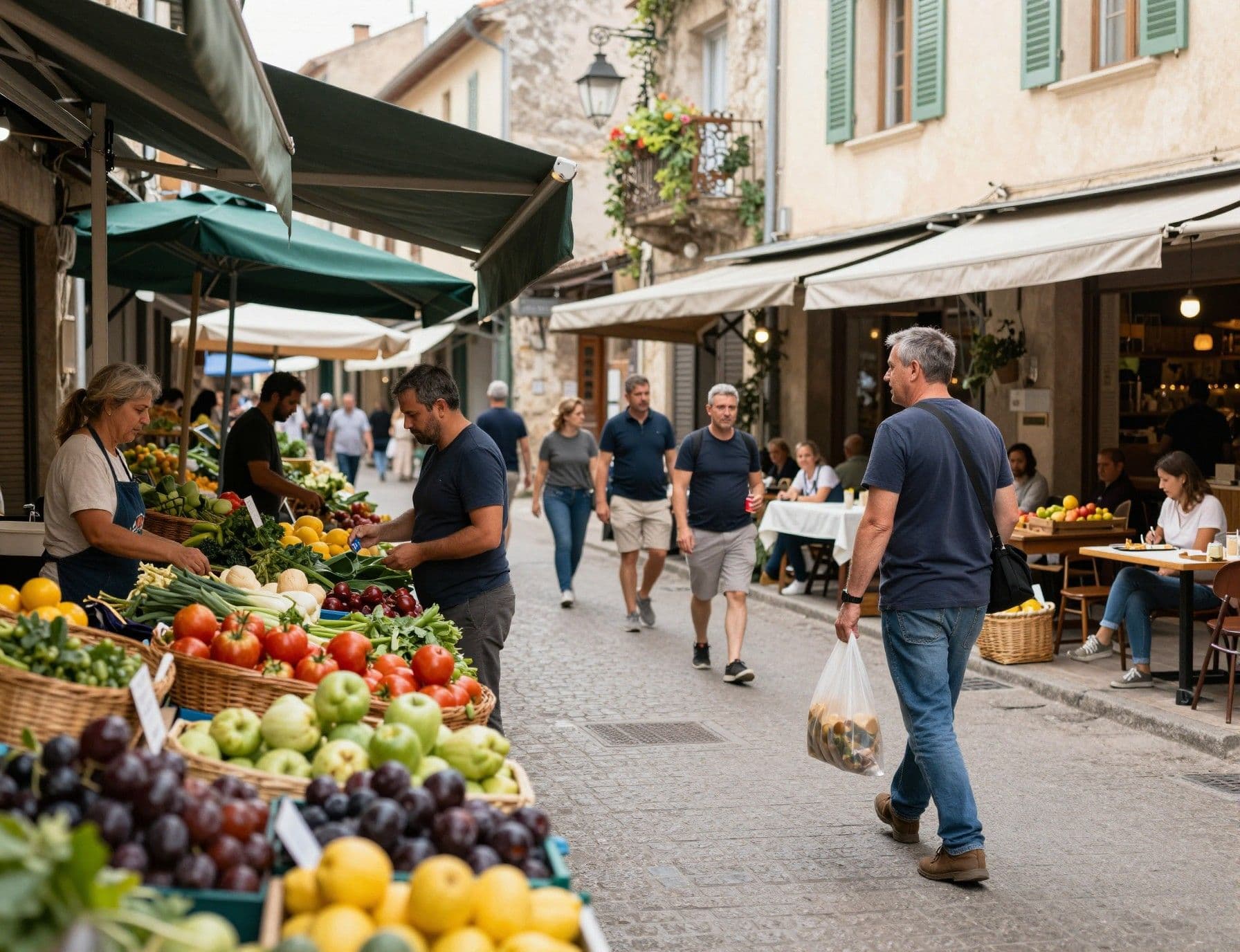
France is not one mood but many: Parisian cafés where conversation hums into the night; sunlit Provençal markets where apricots glint in wicker baskets; Breton coastlines that smell of salt and repairs; and Bordeaux streets that fold wine bars and laundries into daily life. Streets like Rue Cler in Paris, Cours Mirabeau in Aix, or Rue Sainte in Saint‑Rémy bring different days to life. When you imagine living here, think texture—stone thresholds, morning markets, late dinners—because those textures influence the property you choose and the legal questions you’ll need answered.
Neighbourhood portraits: Where life happens
In Paris, Le Marais gives you narrow streets, independent galleries and a pedestrian pulse; in Bordeaux, Saint‑Pierre pairs 18th‑century façades with a rotating roster of wine shops. On the Riviera, streets like Rue d’Antibes in Antibes sit a short walk from markets and beaches, delivering the easy indoor‑outdoor life that drives demand. Each micro‑place carries different running costs, local taxes and building rules—so the street you fall for will shape the legal checklist.
Food, markets and ritual: The real reason you bought here
Picture Saturday at Marché Forville in Cannes, the bustle, the smell of grilled sardines, and the neighbour who knows the best goat cheese. That ritual is central to long‑term satisfaction and frequently determines whether you buy a pied‑à‑terre or a family home. Practical consequence: proximity to markets, covered arcades or weekly village markets often beats square footage when it comes to resale and rental appeal.
- Lifestyle highlights to scout when you visit
- Morning markets: Marché des Enfants Rouges (Paris), Marché Forville (Cannes), Marché de la Plaine (Marseille).
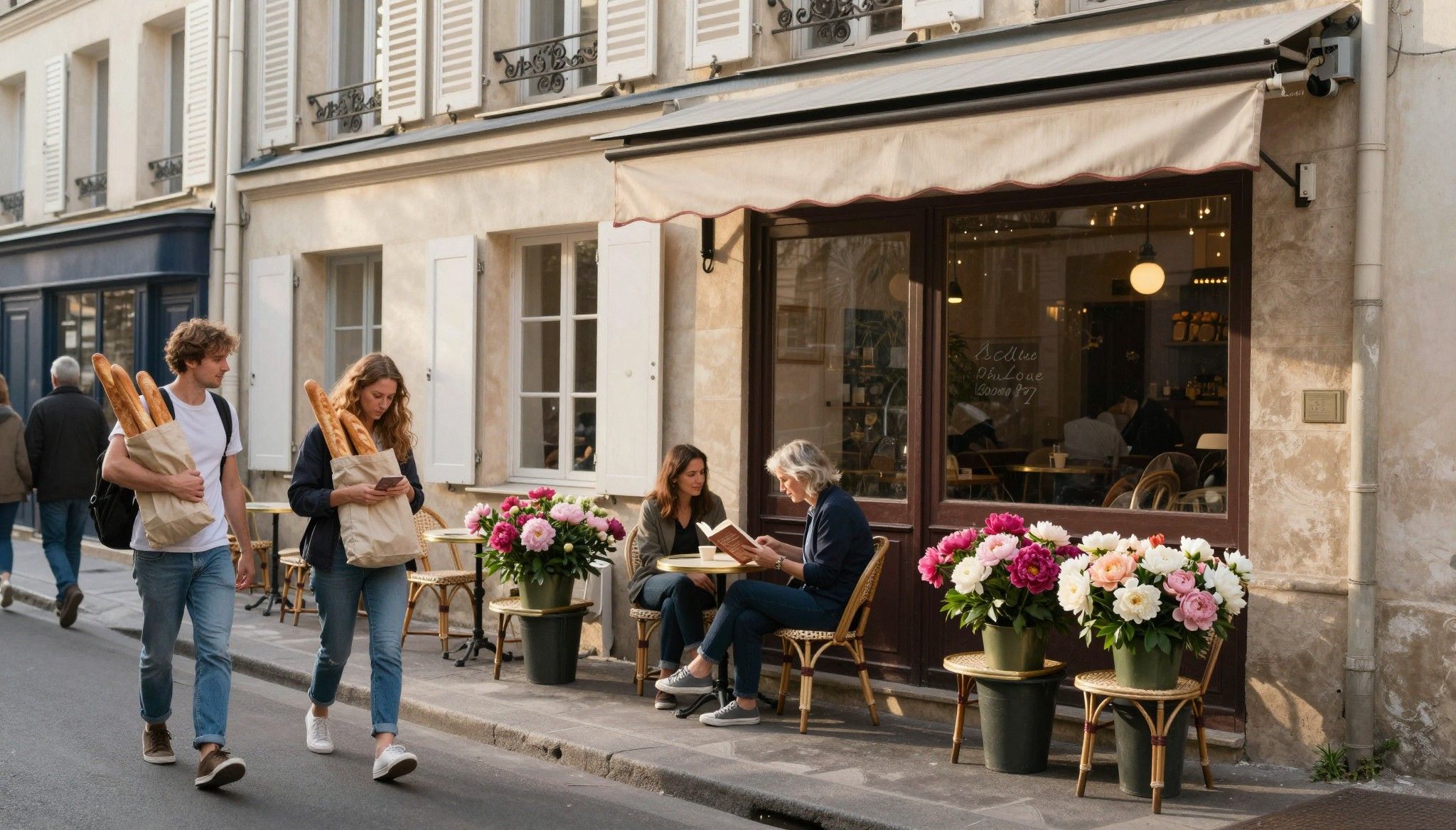
- Neighbourhood cafés: Café de Flore (Saint‑Germain), Le Bal Café (Bordeaux) — look for footfall and local regulars.
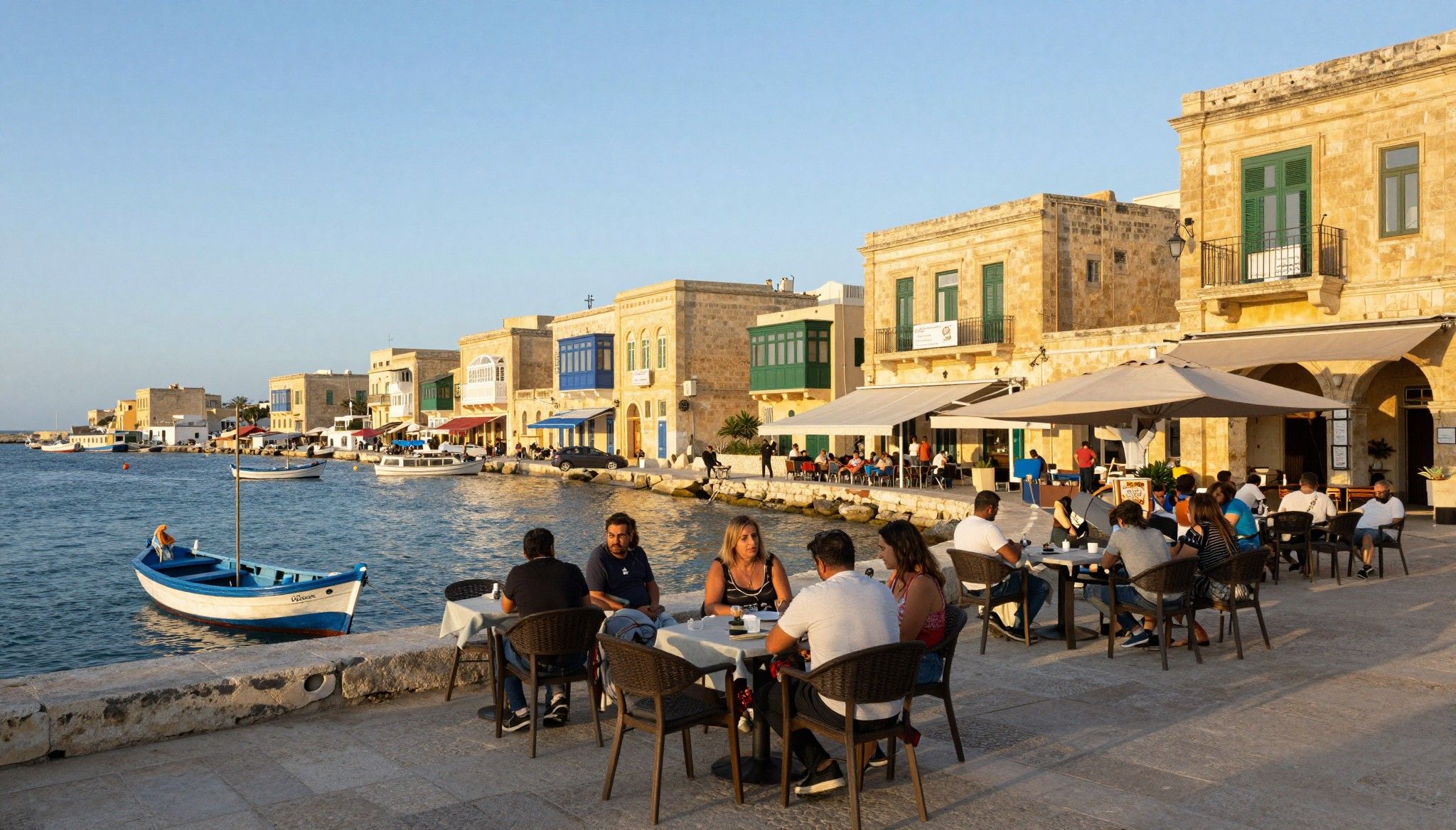
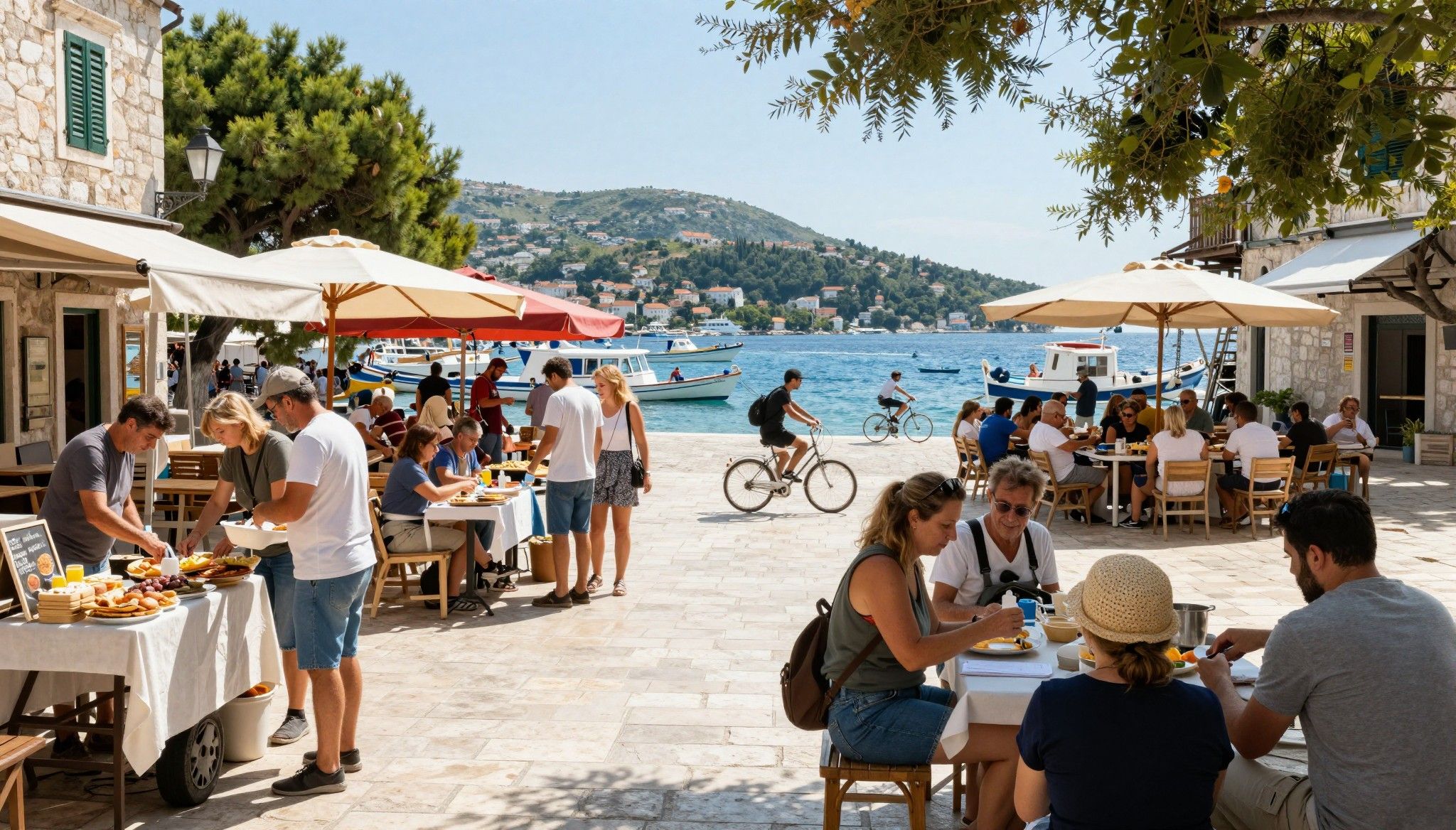
- Seaside rhythms: Promenade des Anglais (Nice) and quieter coves like Île de Porquerolles for weekend escape.
Making the move: practical considerations that protect the idyll

The truth: owning a property in France doesn’t grant residency, and tax rules for non‑residents can surprise you. Official guidance from French tax authorities explains how rental income, local property taxes and wealth taxes apply if you’re not tax resident. Budget early for annual taxes (taxe foncière and potential taxe d’habitation variants), and understand how rental income will be declared and taxed.
Property taxes, notary fees and transfer tax — expect clarity and paperwork
Notary fees (commonly called "frais de notaire") are mostly taxes and can add roughly 7–8% on older properties and 2–3% on new builds. Departments can adjust the transfer duty component (DMTO), which means local variation matters and recent changes have increased costs in some départements. Use notaire estimates early: completion date—not signature date—determines which fee scale applies, so timing your purchase can save or cost you thousands.
Working with agents, notaires and fiscal advisers
Local estate agents help you read neighbourhood signals; notaires secure title and register the deed; fiscal advisers map cross‑border tax exposure. We recommend a three‑cornered team: an agent who knows the street, a notaire who explains the deed, and an international tax advisor who models your tax across both jurisdictions. That trio keeps lifestyle and legal risk aligned—so your morning coffee stays a pleasure, not a stress test.
- Steps to protect your lifestyle purchase
- Have a notaire run the title check and servitude search before you sign a compromis de vente; get their written estimate of fees.
- Commission a local diagnostic pack (diagnostics immobiliers) to reveal structural, asbestos, lead, termites and energy issues — negotiate accordingly.
- Model tax outcomes with an international adviser—rental scenarios, IFI exposure and exit taxes differ for residents and non‑residents.
Insider knowledge: expat truths, seasonal quirks and red flags
We’ve lived through the honeymoon and the awful first winter when the heating bills arrive: seasonal life changes both costs and delight. Summer markets swell and rental demand peaks, while winter exposes insulation and heating costs. Expats often underestimate communal charges (charges de copropriété) in older Parisian buildings or coastal syndic fees for shared seawall maintenance. Spotting these before you buy keeps the romance intact.
Language, integration and the social practicalities
Learning basic French changes everything: your boulanger, your syndic and your neighbours all respond differently when you try. Join local associations, markets and municipal events—these are how you become a neighbour, not an owner. Legal tip: contracts and official correspondence will be in French. Insist on bilingual summaries from your notaire and agent so nothing important hides in translation.
Red flags that kill lifestyle value
- Opaque copropriété accounts, unexpected planned works, and unclear access rights are three red flags we always walk away from. If a syndic can’t produce three years of accounts, if there’s a planned façade or roof renovation with no quoted cost, or if access easements are poorly defined, the neighbourhood charm will turn into constant expense. Spot these early with a notaire and a practical visit during different seasons.
Conclusion: buy the life you love, but close with certainty. France sells a way of living—street markets, long dinners, and a sense that seasons organize the year. To protect that life, pair your affection with local legal checks, a notaire’s clear cost estimate and an international tax model. When you do, you keep the morning light on your threshold and the rest becomes paperwork handled quietly in the background.
Swedish expat who moved from Stockholm to Marbella in 2018. Specializes in cross-border legal navigation and residency considerations for Scandinavian buyers.