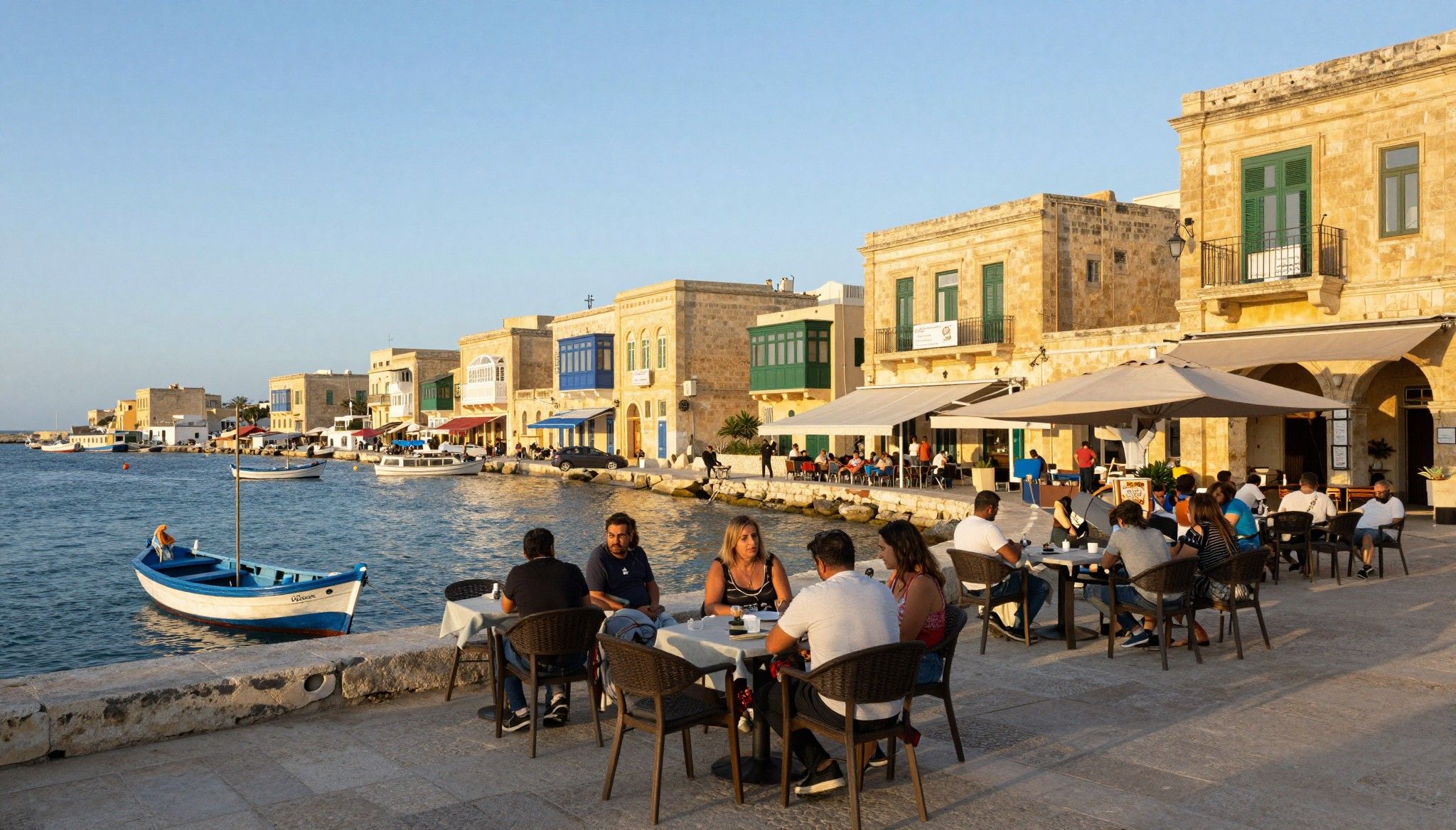
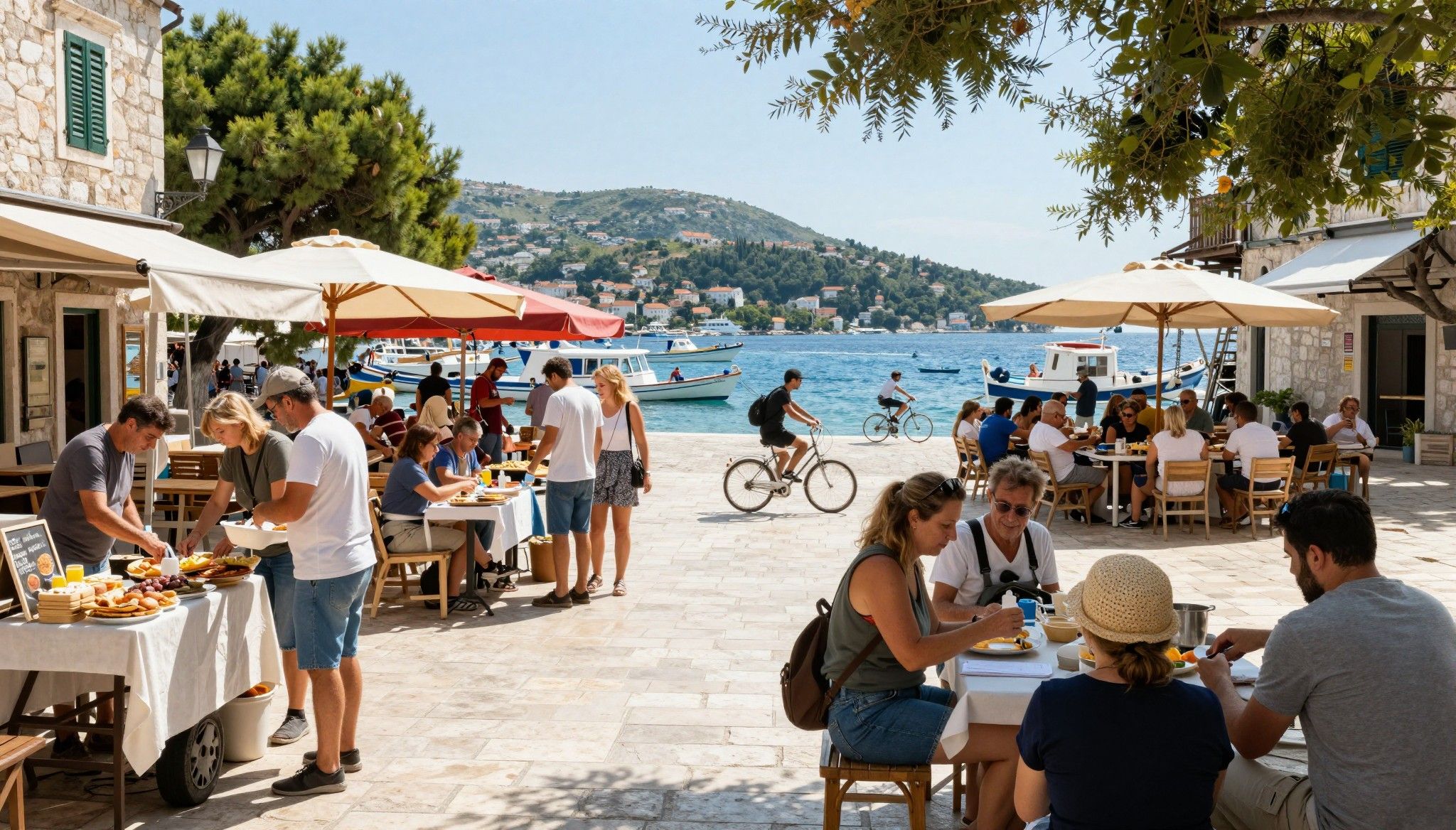
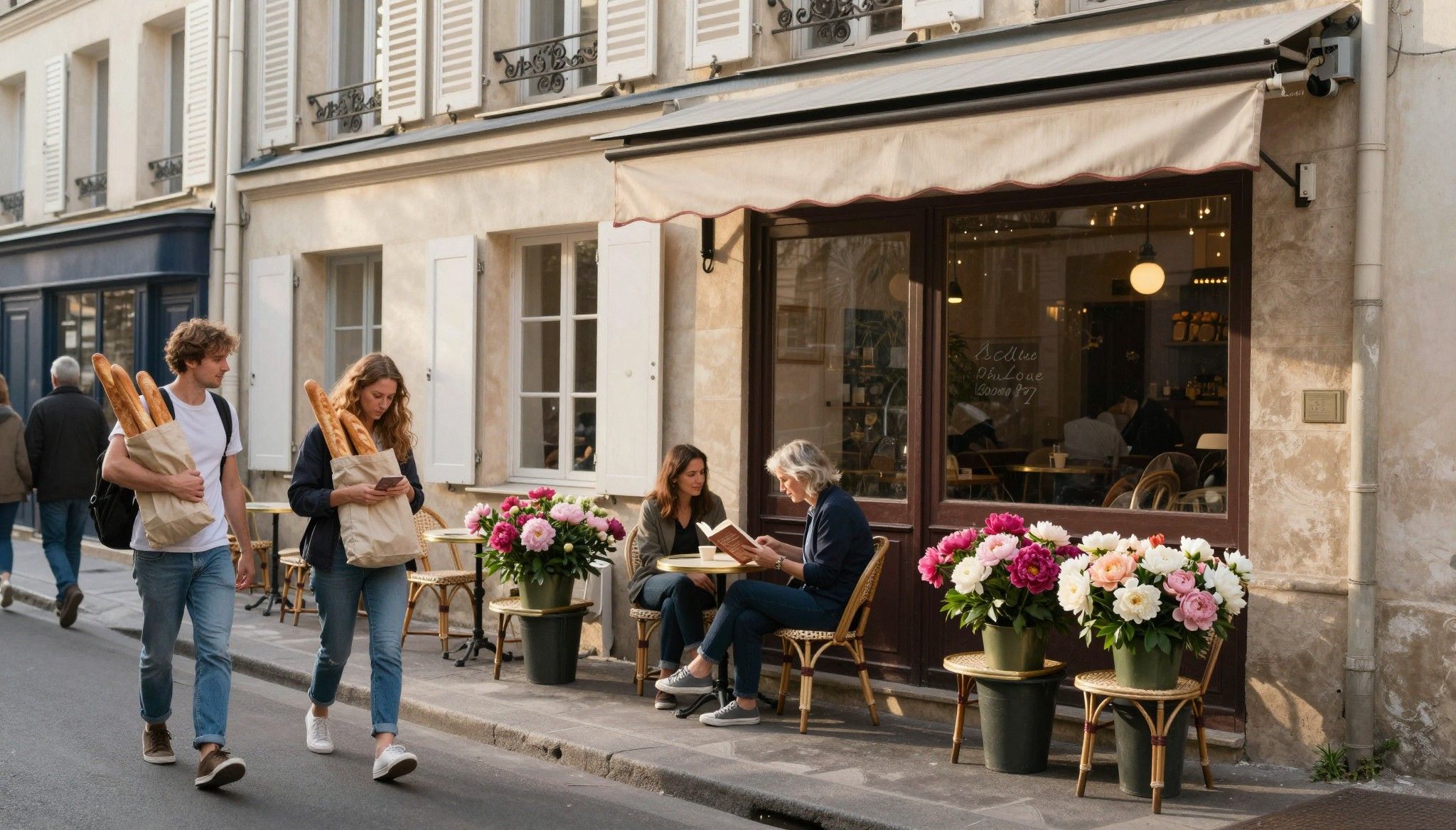
The Second‑Home Squeeze: France’s Hidden Costs & Quiet Upsides
The lifestyle of France is irresistible — but local surtaxes, copro rules and energy diagnostics quietly reshape cost and comfort. Here’s how to buy the life, not surprises.
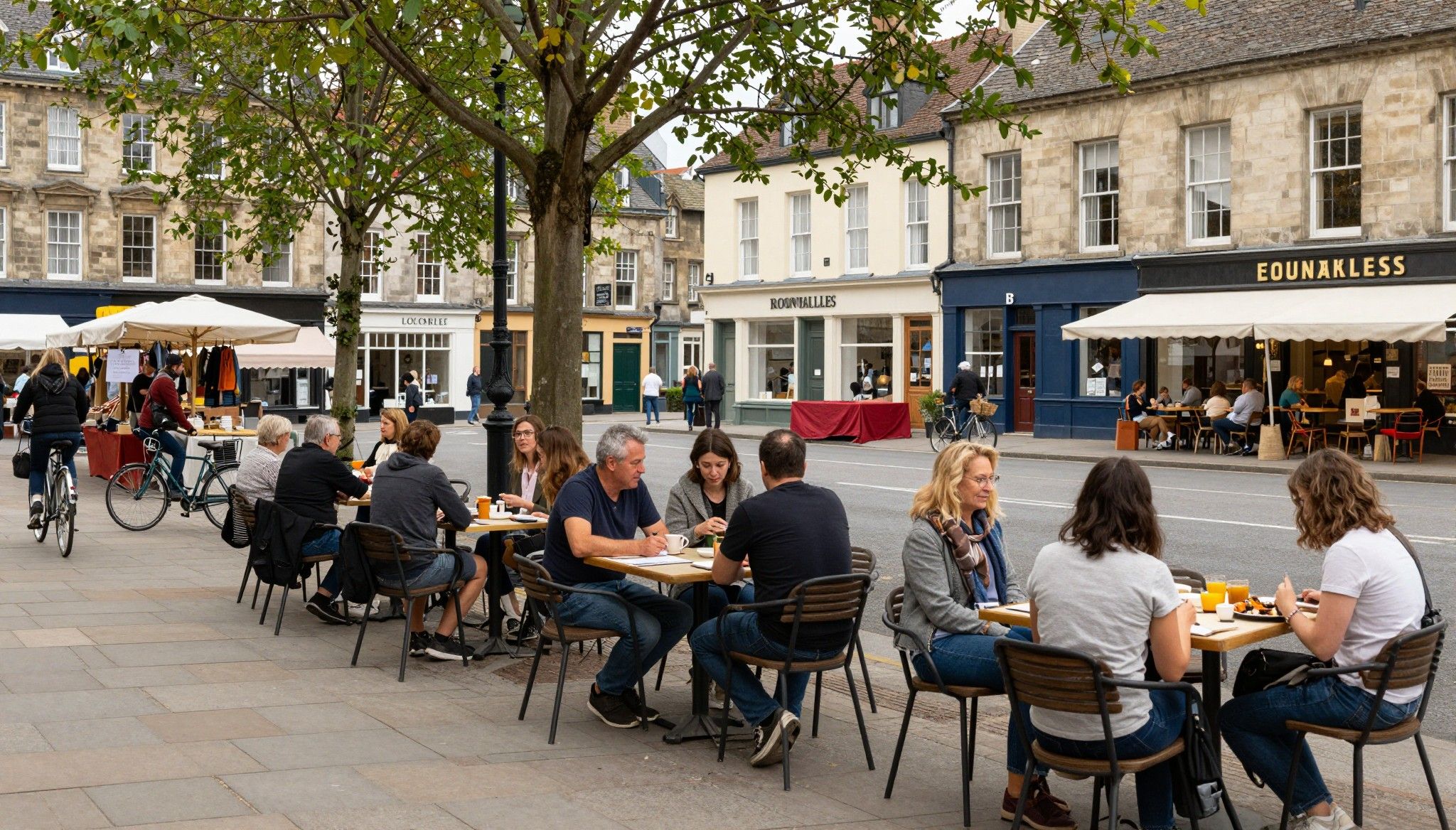
Imagine Saturday morning in a Provencal market: lemon stalls, the clatter of espresso cups on Rue de l’Ancienne Comédie in Montpellier, and a terrace table with a view you’ll keep for decades. France sells a life first and a ledger second — but that ledger matters. We’ll show you the lifestyle you’re buying, the legal corners that surprise buyers, and the small signals that change price and pleasure alike.
Living the France life — what you actually wake up to
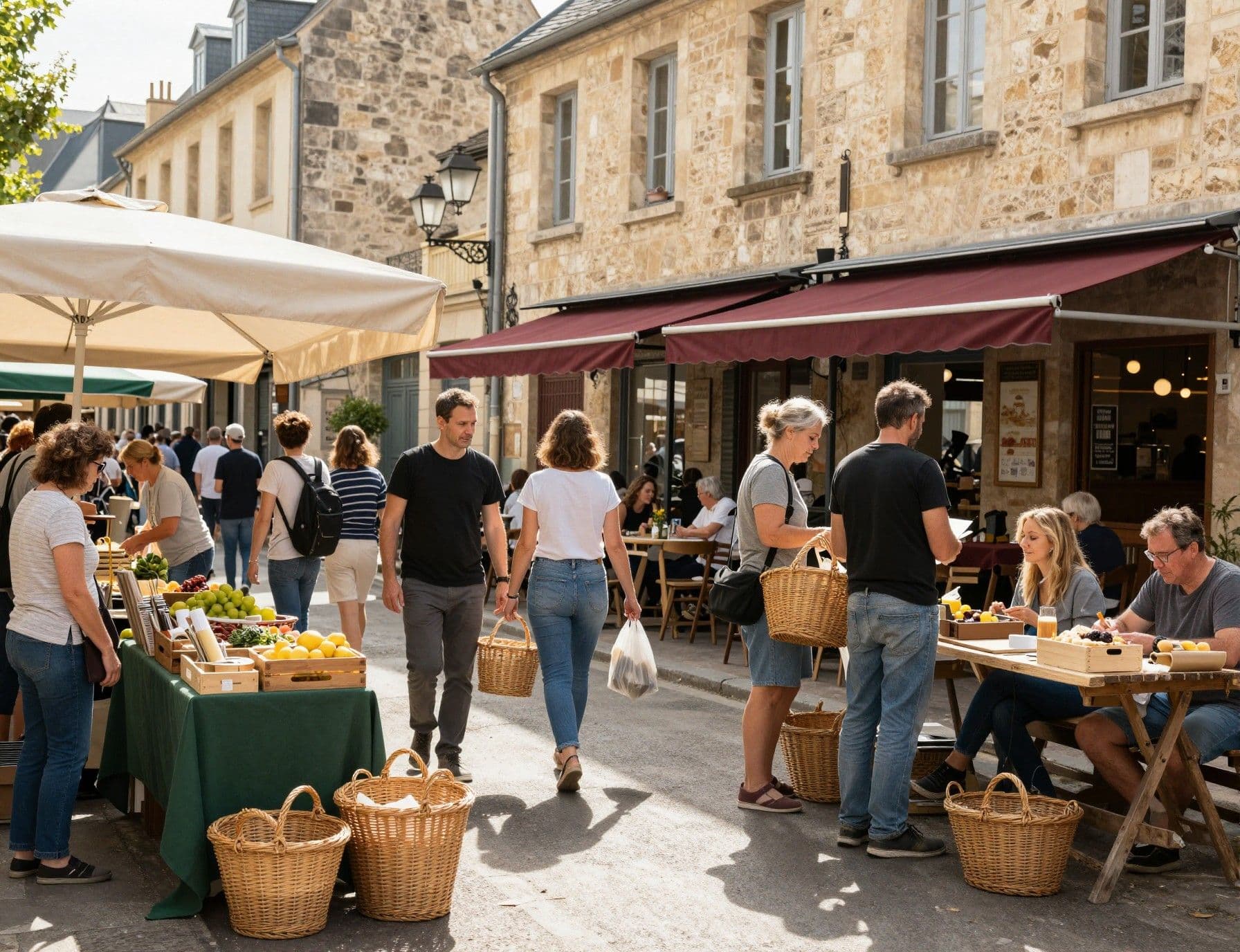
France is a palette of daily rituals: bakery lines at dawn in Lyon’s Croix-Rousse, late-afternoon beaches on Villefranche-sur-Mer, and weekly marché rhythms in towns like Sarlat. These routines shape where people buy — proximity to market squares, tram lines, and boulangeries often matters more than sea views when you plan daily life. Recent national data shows price stabilisation, which matters when you weigh lifestyle against cost. (See Notaires–INSEE index.)
Neighbourhood spotlight: Paris’ Left Bank and Bordeaux’s Chartrons
On the Left Bank you buy streets where cafés trade political gossip for croissants; in Chartrons, 18th‑century warehouses become wine bars and family apartments. Both places reward walkability: local shops, morning routines and small‑scale social life. That’s the secret value — neighborhoods that feel lived-in retain demand. Expect different price drivers: heritage controls in central Paris vs. conversion-led premiums in Bordeaux’s port quarter.
Food, markets and seasons that shape where you live
French seasons are architectural: winter light teaches you to value insulation and south-facing rooms; summer invites courtyard living and shutters. If you love markets, target towns with weekly marchés (Aix-en-Provence, Angers). If bistro culture matters, scout streets named Rue du — rather than square footage alone. Those lifestyle choices often define the property features you actually need.
- Market & lifestyle highlights to watch
- Rue life: bakery + marché access beat an extra balcony in everyday value
- Seasonal fit: choose attic insulation or terrace planning according to winter or summer use
Making the move: practical considerations that don’t feel like taxes
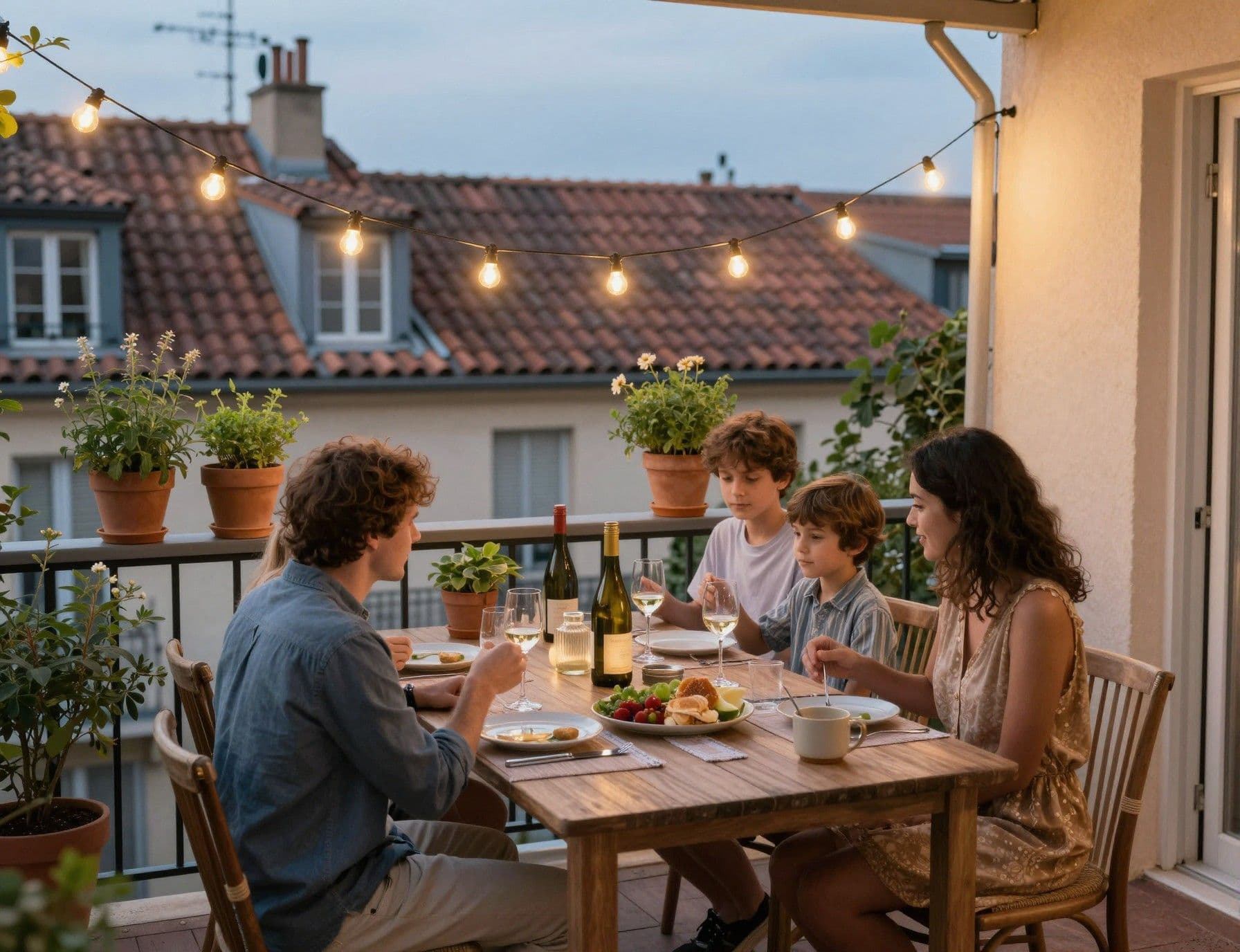
Once you’ve fallen for a neighbourhood, reality arrives in the form of local regulations, recurring charges, and tax treatment. The market is stabilising after the 2023–24 correction, so timing matters differently today: you’re buying into a lifestyle that’s holding value, not a headline-priced sprint. Local notaires and municipal rules will be your map — and yes, the notaires’ reports show regions diverging in momentum.
Property styles and what they mean for your life
From Haussmann apartments to renovated ferme houses, French property types demand different commitments. A village mas offers land and summer light but needs heating upgrades for full‑time living. A Parisian apartment gives culture on the doorstep but may come with co-ownership rules (copropriété) and strict renovation approvals. Match the property type to how you’ll live: weekend visitor, seasonal resident, or full-time local.
Working with local experts who know the lifestyle
Steps to blend lifestyle and compliance: 1) Ask an exponent notaire to check servitudes, urban planning and copro rules before making an offer. 2) Get a local tax advisor to estimate taxe foncière, taxe d’habitation sur les résidences secondaires and rental income tax. 3) Confirm renovation permits for listed or protected properties before purchase. 4) Factor in energy performance diagnostics (DPE) for running costs and resale appeal.
Insider knowledge — the legal quirks expats wish they’d known
We’ve met buyers who loved a cottage but were surprised by a municipal second‑home surtax, or by copro meetings that blocked their renovation. The legal quirks are rarely dramatic, but they can dent the mood. Two points most international buyers miss: local commune decisions (they vary wildly), and social charges on rental income for non‑residents unless covered by EU agreements.
Local councils can add a second‑home surtax, especially in 'zones tendues' near Paris, coasts and Alpine towns. That surcharge can be substantial and is decided annually; we’ve seen upward adjustments where local political pressure is high. Always check the commune’s voted rates for the current year before budgeting final ownership costs.
Pricing reality: national statistics show modest recovery and regional divergence. Paris and certain coastal and western areas behave differently from inland towns. That means your resale liquidity depends on region: pick lifestyle first, but verify local price momentum if resale within five years is part of your plan.
- Red flags and small print to check before you sign
- Unresolved copro disputes or unpaid charges
- Municipal second‑home surtax or planned rate changes
- Energy performance (DPE) that reduces rental appeal or raises upgrade costs
What buyers who stayed full-time wish they’d done
Taken a longer discovery visit in the off-season; budgeted for insulation and heating; hired a bilingual accountant early. Small steps that feel tedious now save months later. The lifestyle you imagined in August can be very different in January — plan for both.
Practical next steps to marry life and law: 1) Book a 7–10 day stay in your target area across two seasons. 2) Ask a notaire for a preliminary title search (recherche de titre). 3) Secure a local tax briefing on taxe foncière, taxe d’habitation sur seconde résidence and rental tax obligations. 4) Draft a realistic renovation and running‑cost budget, including DPE upgrades.
If you want help translating life into a legal checklist, we can connect you with notaires, bilingual accountants, and local agencies who actually know the streets. Fall for France — then check the file like a local. Live the morning market and keep the paperwork tidy.
Danish investment specialist who relocated to Costa del Sol in 2015. Focuses on data-driven market timing and long-term value for Danish buyers.