Why Cyprus Feels ‘Expensive’ (And Where It Isn’t)
Fall for Cyprus’ lifestyle—but map it to rules. Learn where prices mislead, what legal checks matter, and the neighbourhoods that deliver the life you imagined.
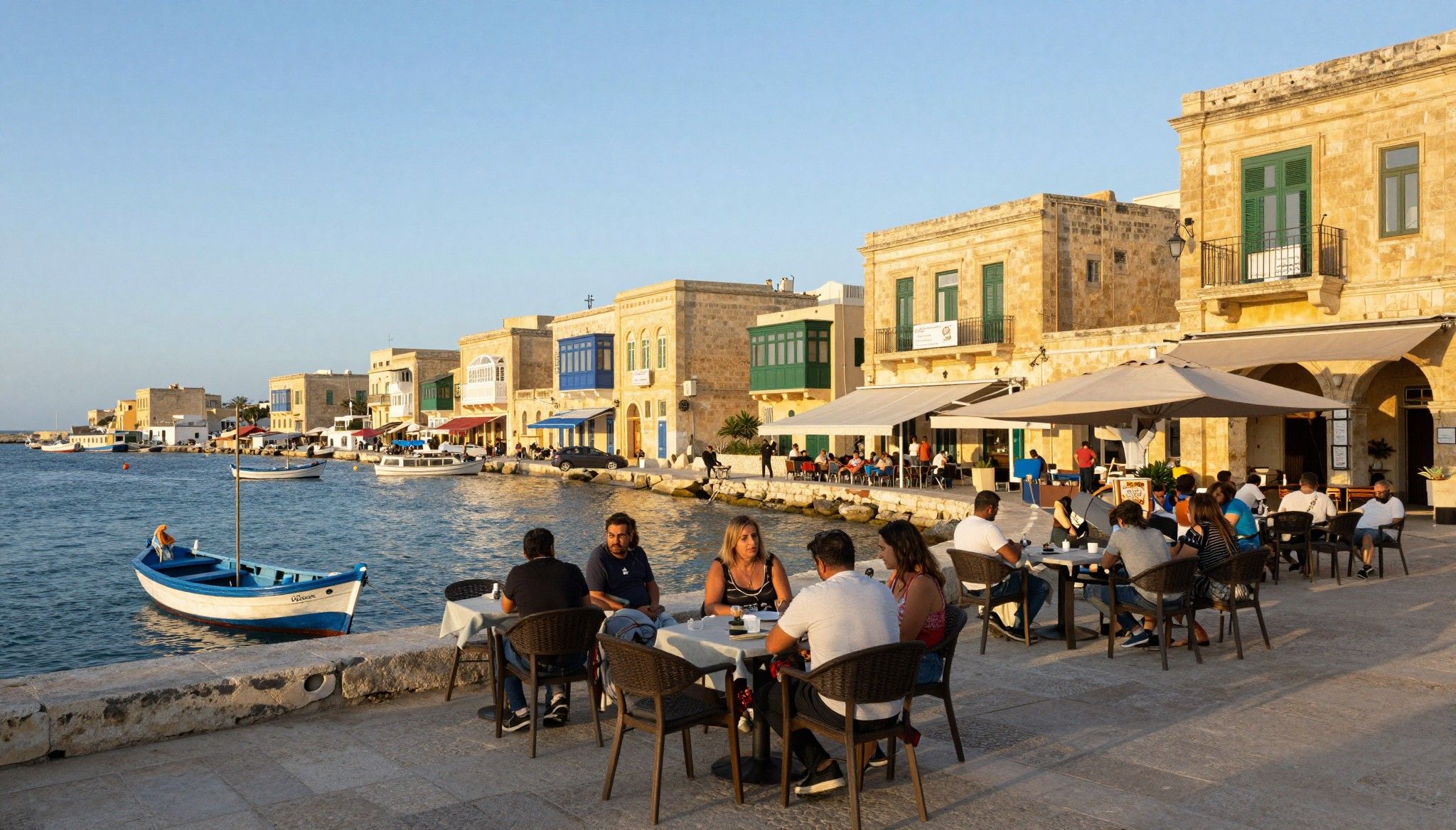
Imagine waking up to a bakery on Nikou Nikolaou in Limassol, espresso in hand, then walking the harbor before heading to a hilltop taverna for sunset. Cyprus has that slow Mediterranean rhythm—coffee culture, seaside promenades, mountain villages where everyone greets you by name. But behind the charm there are technical rules that shape who can buy, what you actually own, and how much the life costs. We’ll start with the life you’re buying, then pull back the curtain on the legal and fiscal realities so you can fall for Cyprus honestly.
Living the Cyprus life
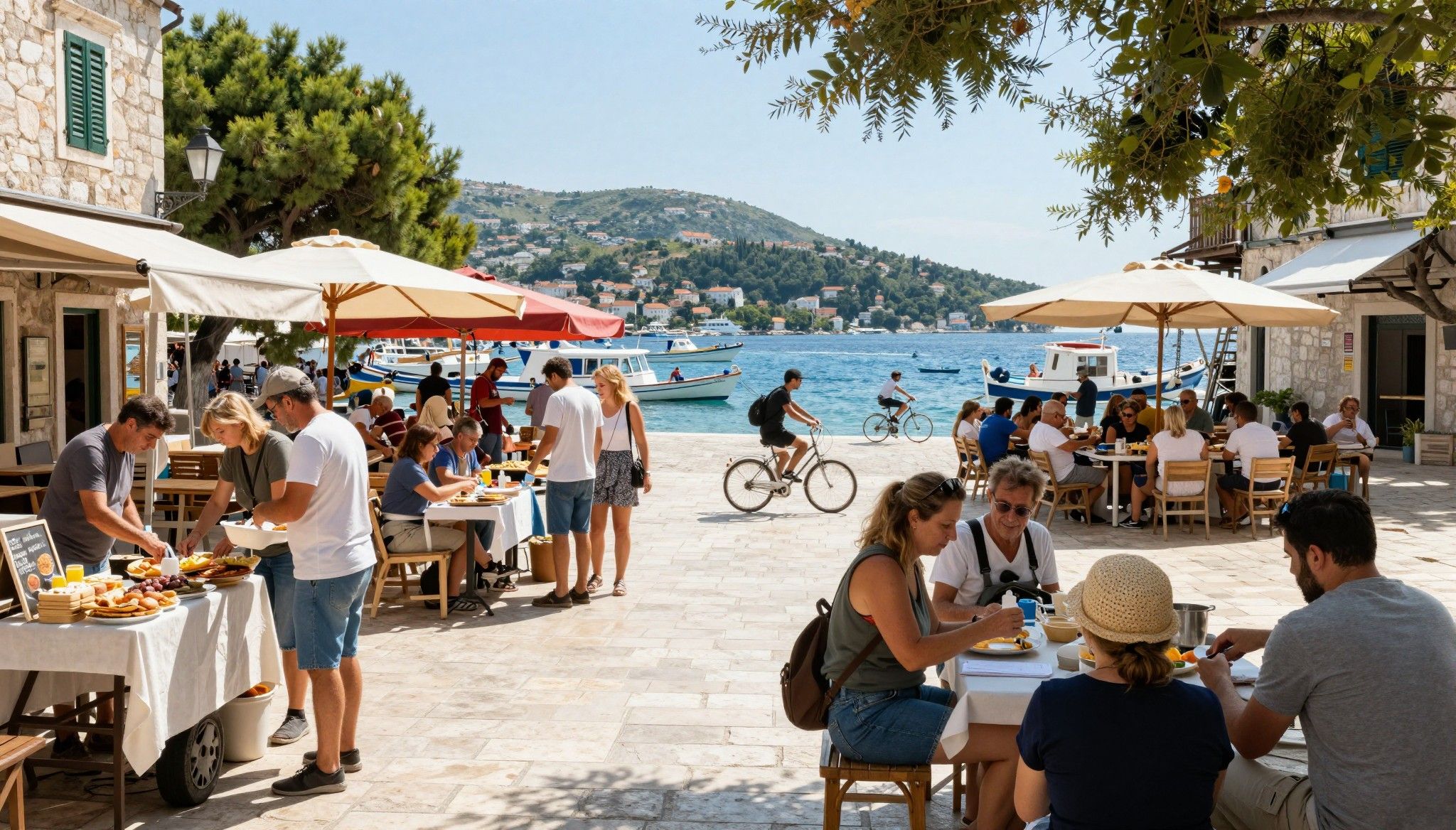
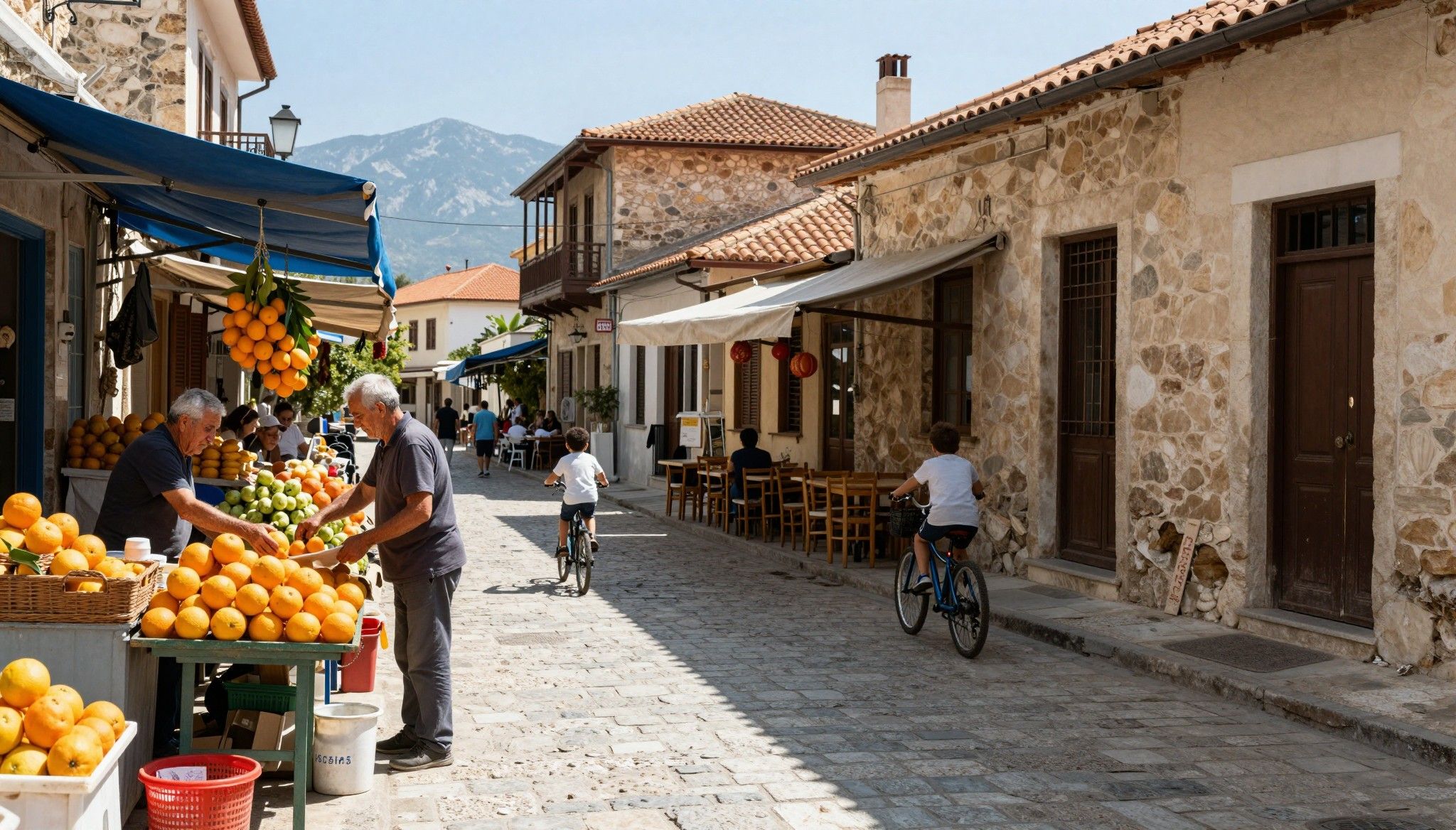
Cyprus is not one single mood. Limassol hums with yacht culture and late dinners on Anexartisias; Paphos keeps a quieter, heritage‑steeped pace around Ktima’s olive groves; Nicosia’s coffee houses and narrow lanes mix service professions, embassies and a surprising nightlife. Summers mean full beaches and packed tavernas; winters are mild but make village life—mountain walking and local produce markets—more appealing. This diversity is why buyers who think “Cyprus = beach resort” often miss better value inland or in lesser-known coastal towns.
Limassol & the harbor rhythm
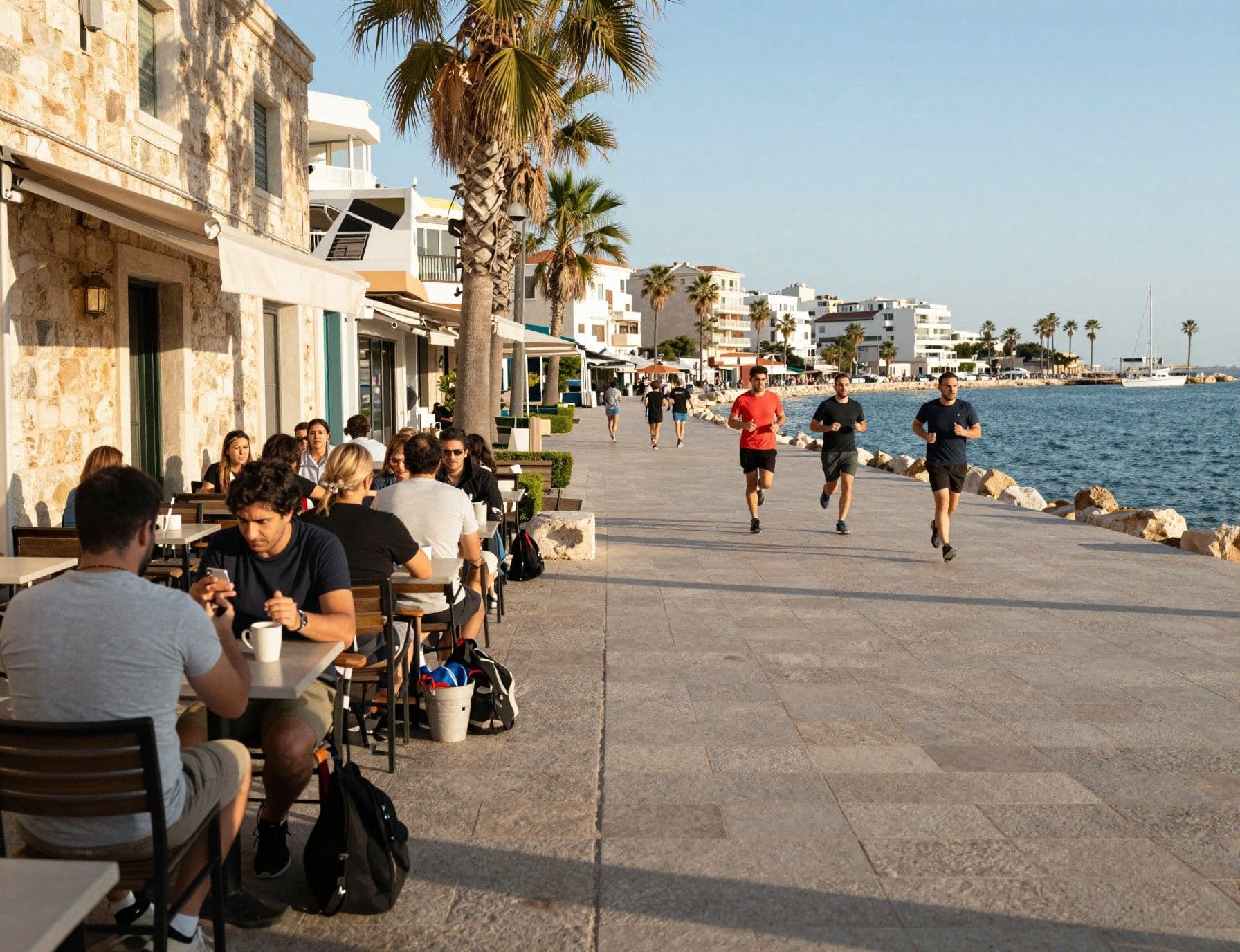
Walk along Molos at 07:30 and you’ll see joggers, mothers with prams, and businessmen grabbing coffee. The marina and old town draw a particular crowd—professionals, hospitality operators and buyers looking for rental yield from short lets. That demand pushes prices in pockets (Port area, Germasogeia) but also creates rental opportunities if you layer long seasons with serviced offers. If you want nightlife and cafés within a 10‑minute walk, Limassol delivers; if you want quiet sea views without the price premium, look a 15–25 minute drive away to villages like Parekklisia.
Paphos, villages and a different tempo
Paphos is built around old town squares, Roman mosaics and slower evenings. Small coastal communities such as Tala and Peyia give you terraces, local bakeries, and lower entry prices for similar sea views. For families, the combination of international schools and quieter streets often beats the flash of a big marina. In short: the lifestyle you want maps directly to micro‑markets—so name your day (cafés, beaches, hiking) before naming a postcode.
Making the move: how lifestyle choices meet legal reality

You can love the streets of Limassol and still stumble at the first contract. Cyprus law distinguishes new builds (often VATable) from resale stock (transfer fees apply) and treats non‑EU buyers differently on certain land types. Recent market reports show average prices moving by neighbourhood and product type, so you must match lifestyle to the correct legal category. Below are the concrete property realities we’ve seen cause the most confusion—and how to avoid them.
Property types, VAT and transfer-fee reality
New developments are normally subject to VAT (the standard rate is 19%), while resale homes usually attract transfer fees calculated on market value at tiered rates. That split matters: what feels like a small premium on a new sea‑view apartment can add a VAT bill that wipes out your renovation budget. Practical trick: if you're buying to live in the property as your main residence, ask about reduced VAT provisions and ensure your solicitor confirms eligibility before paying deposits.
Residency signals: buying ≠ automatic right to stay
Buying property in Cyprus doesn’t automatically grant residency for non‑EU nationals. There are investment‑linked pathways and standard long‑term resident applications, but migration rules change and need legal checks. Treat property as a lifestyle and financial asset first, with residency as a separate, parallel process that requires its own documentation and timelines. Work with a lawyer who knows both property registration and immigration filings—two different offices, two different clocks.
Insider knowledge: myths, red flags and the smarter places to look
Myth: “Cyprus is uniformly cheap.” Reality: pockets of premium (Limassol marina, certain Paphos coastal strips) sit beside undervalued inland villages. Myth: “Lawyers are optional.” Reality: insufficient checks on title and planning lead to delays or limits on use. The smart buyer looks for micro‑signals: repeated vendor price cuts, missing planning permits for terraces, or sales that use company shares instead of direct titles. Those are red flags you can spot before an offer.
Practical red flags we watch
Look out for: missing completion certificates; disputes over boundaries; ambiguous VAT status on new builds; and properties sold through companies where beneficial ownership is opaque. Each raises practical costs and delays—sometimes months. A local lawyer should confirm registration status at the Land Registry and verify planning permissions before you release a deposit.
Lifestyle + legal checklist before you bid:
- • Confirm VAT vs transfer fee liability with the developer or seller. • Ask for the planning permit and completion certificate (or an explanation for any delay). • Verify whether the plot is freehold or has restrictions for non‑EU buyers. • Check recent comparable sales in the same micro‑area (not county averages). • Ensure your lawyer checks for equality levies and the 0.4% disposal levy where applicable.
A step-by-step path we recommend
- 1. Visit and live the rhythm for a week—test coffee shops, traffic and school runs. 2. Shortlist neighbourhoods tied to your lifestyle, not a price map alone. 3. Appoint a local lawyer to run title and planning checks before offers. 4. Negotiate conditional sale terms that tie your deposit to receipt of documents. 5. Budget for taxes, levies and a contingency for unexpected local fees.
Cyprus can feel like an easy Mediterranean dream. It is. But it’s also a legal ecosystem with rules that change and local quirks that matter—who owns the road to the beach, whether an apartment comes with a certificate of habitability, and how VAT versus transfer fees shift your headline price. Spend time deciding the life you want—village mornings, marina evenings, or mountain weekends—then align your legal team, budget and timeline to that life.
If you want help turning a lifestyle—morning walks in Larnaca or weekends in the Troodos—into a safe purchase, choose an agent who pairs neighborhood taste with legal muscle. Ask them for three recent files where they handled both the sale and the legal checks. After that, book a lawyer, set aside VAT/transfer contingencies and plan to make Cyprus a long‑term home, not just a summer fling.
Danish investment specialist who relocated to Costa del Sol in 2015. Focuses on data-driven market timing and long-term value for Danish buyers.