Buy Greek Value: Mainland Alternatives to Island Premiums
Greece’s value often hides off‑postcard routes—mainland towns and city pockets offer lasting lifestyle and steadier value than headline islands; recent rule changes shift demand.
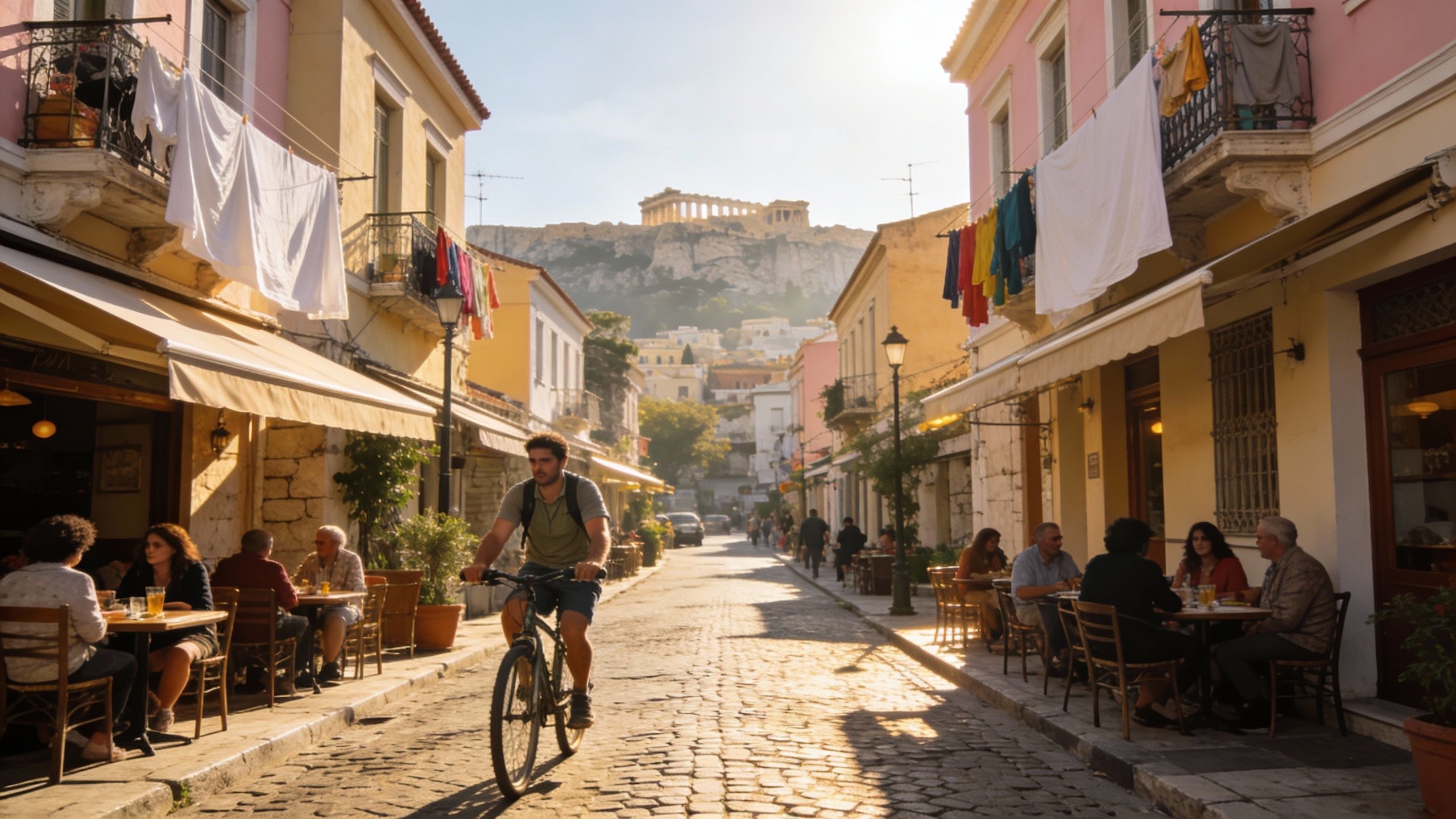
Imagine sipping espresso at a sun-baked kafeneío in Koukaki, then driving 40 minutes inland to pick olives with neighbours. Greece is not one single postcard; it is a series of daily rituals—markets, late lunches, narrow streets, working harbours—that change how a home feels. This piece asks a contrarian question: if everyone is fixated on Santorini and Mykonos, where can an international buyer find better value and a life that actually lasts?
Living the Greek Life — beyond the obvious islands
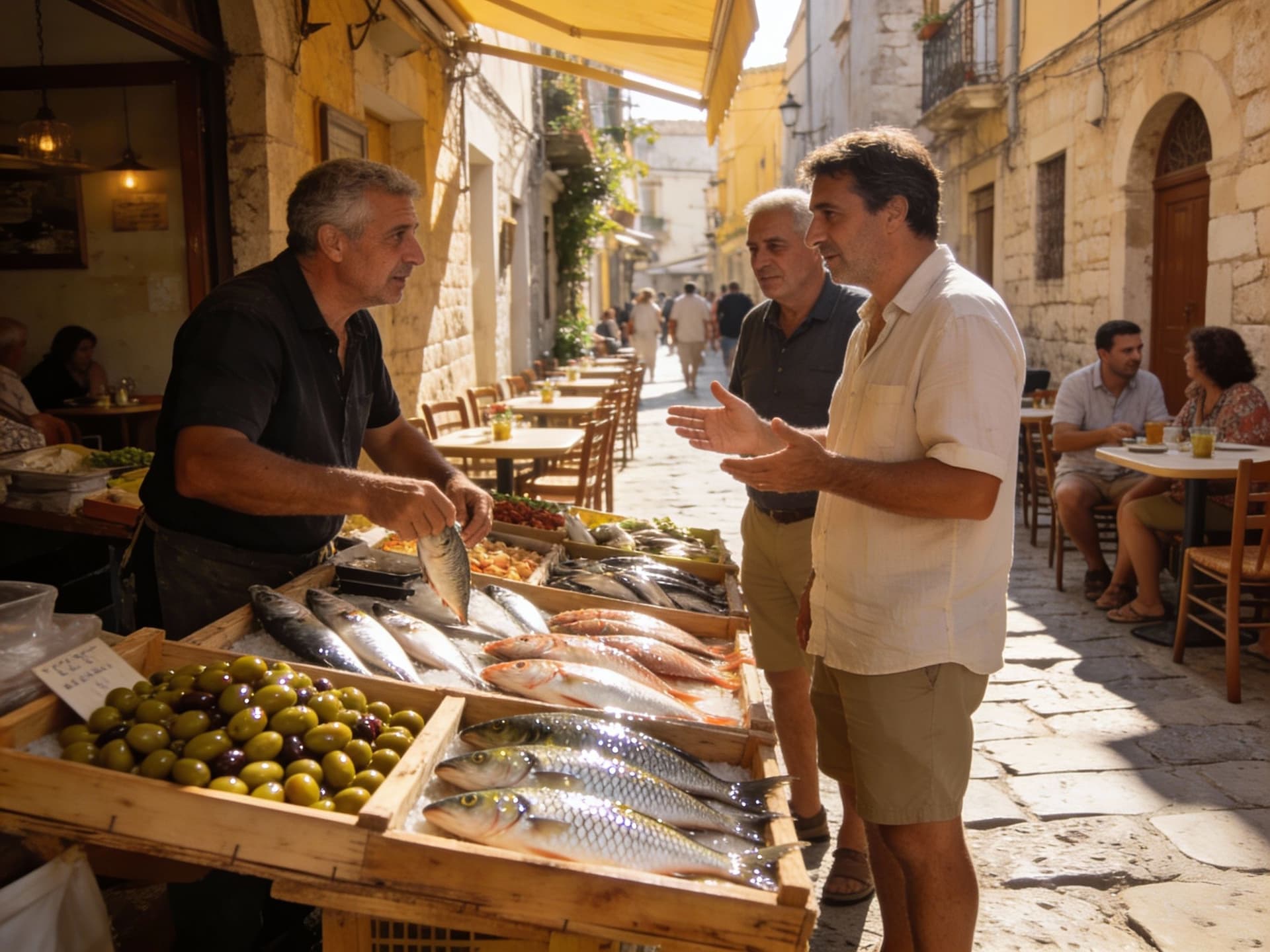
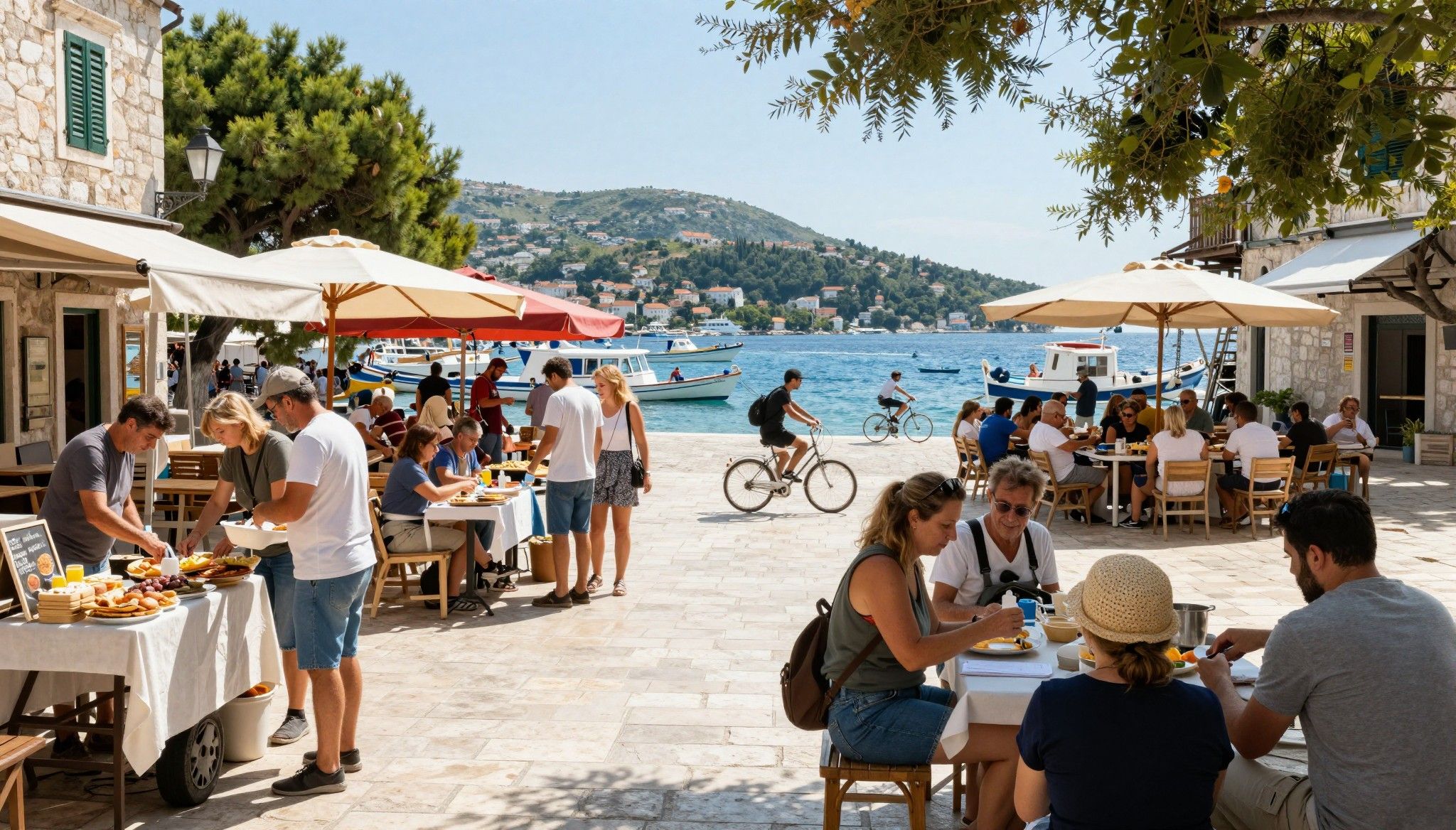
To live in Greece is to live with seasons etched into routine. Winters in Thessaloniki mean slow cafés and suvláki shops filled with local conversation; summers along the Peloponnese coast mean fishermen hauling nets by dawn. The sensory texture—sea-salt air, baking afternoons, late-night streets—matters when you choose a property because neighbourhood rhythm dictates utility, community and resale appeal.
Athens: city pockets that feel provincial
Athens is compact and surprisingly local at street level. Walk from Koukaki (near the Acropolis) to Petralona and you’ll find family-run bakeries, evening bouzouki, and markets that anchor community life. These pockets offer year-round demand from professionals and renters; they are not seasonal showpieces. Buying here trades island spectacle for steady occupancy and authentic daily life.
Coastal towns and mainland surprises
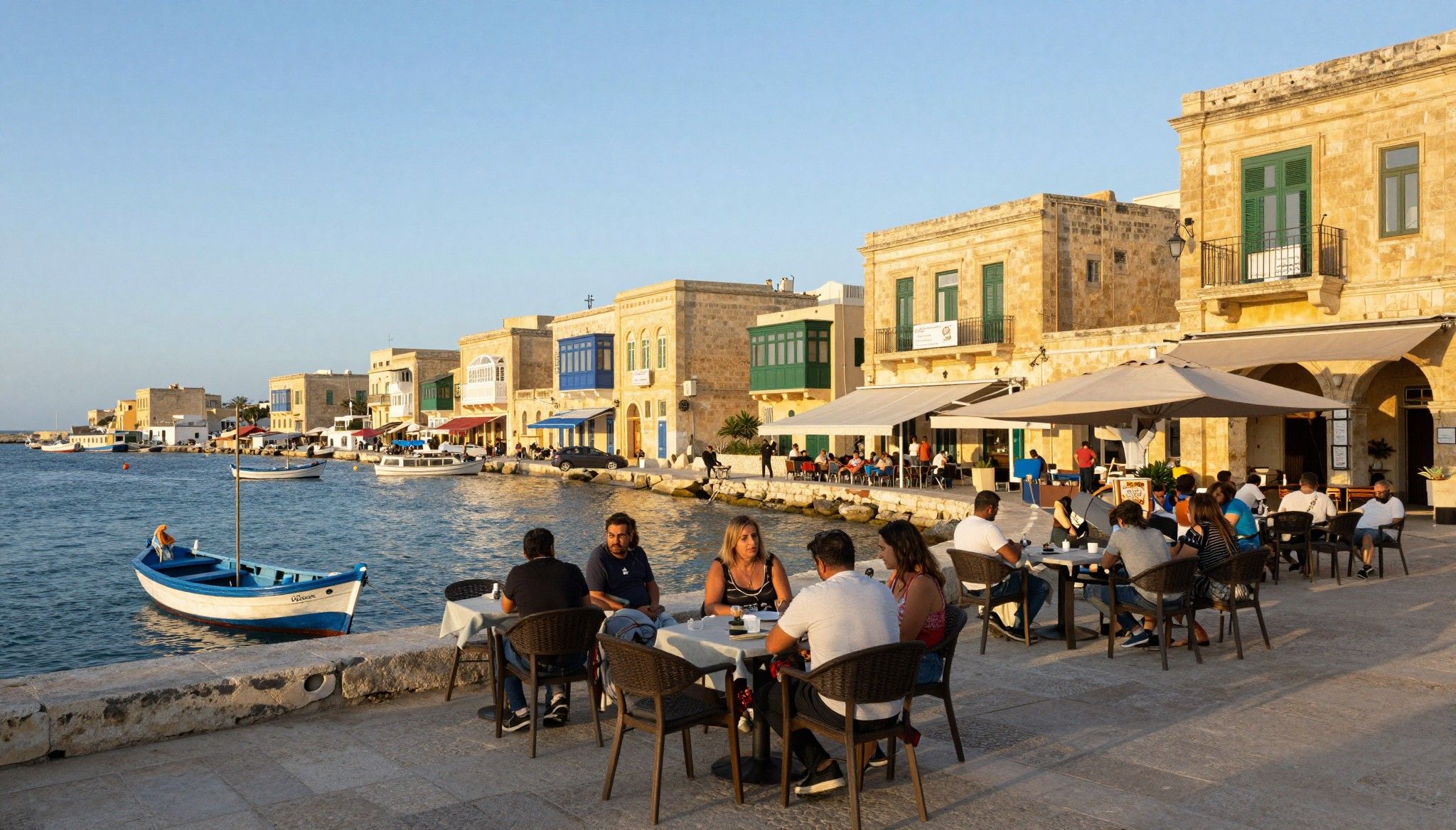
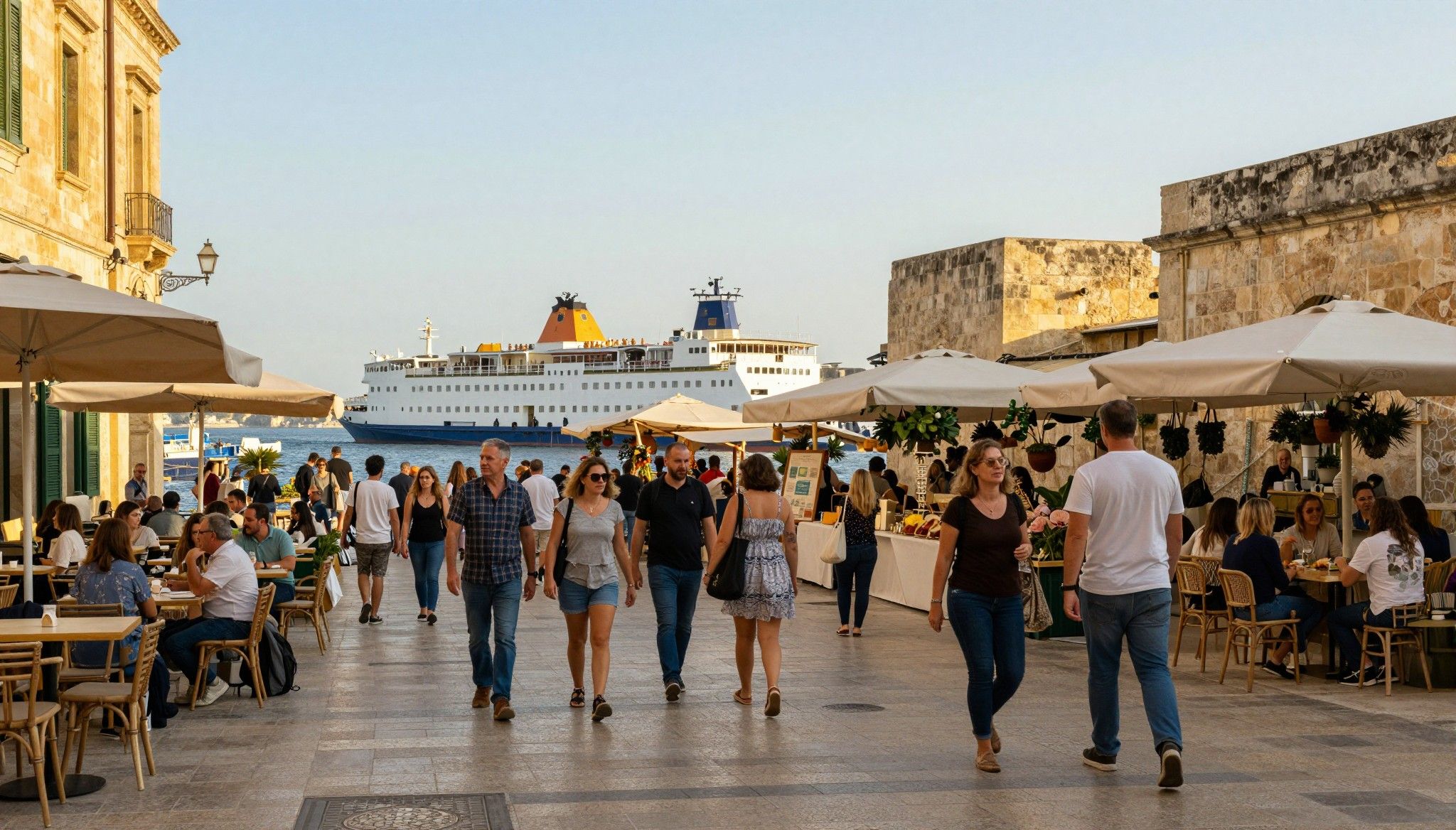
Glyfada, Voula and the Peloponnese towns such as Nafplio each have distinct rhythms—beach clubs and yachts in Glyfada, slow archaeological mornings in Nafplio. Smaller ports like Volos combine working harbour life with nearby mountains for weekend hiking. These are places where you can own sea access without the inflated island premium.
- Lifestyle highlights: local cafés, fish markets, hidden beaches, weekly panigyria (village festivals), daily markets, morning coastal walks
Making the move: practical realities that match the life
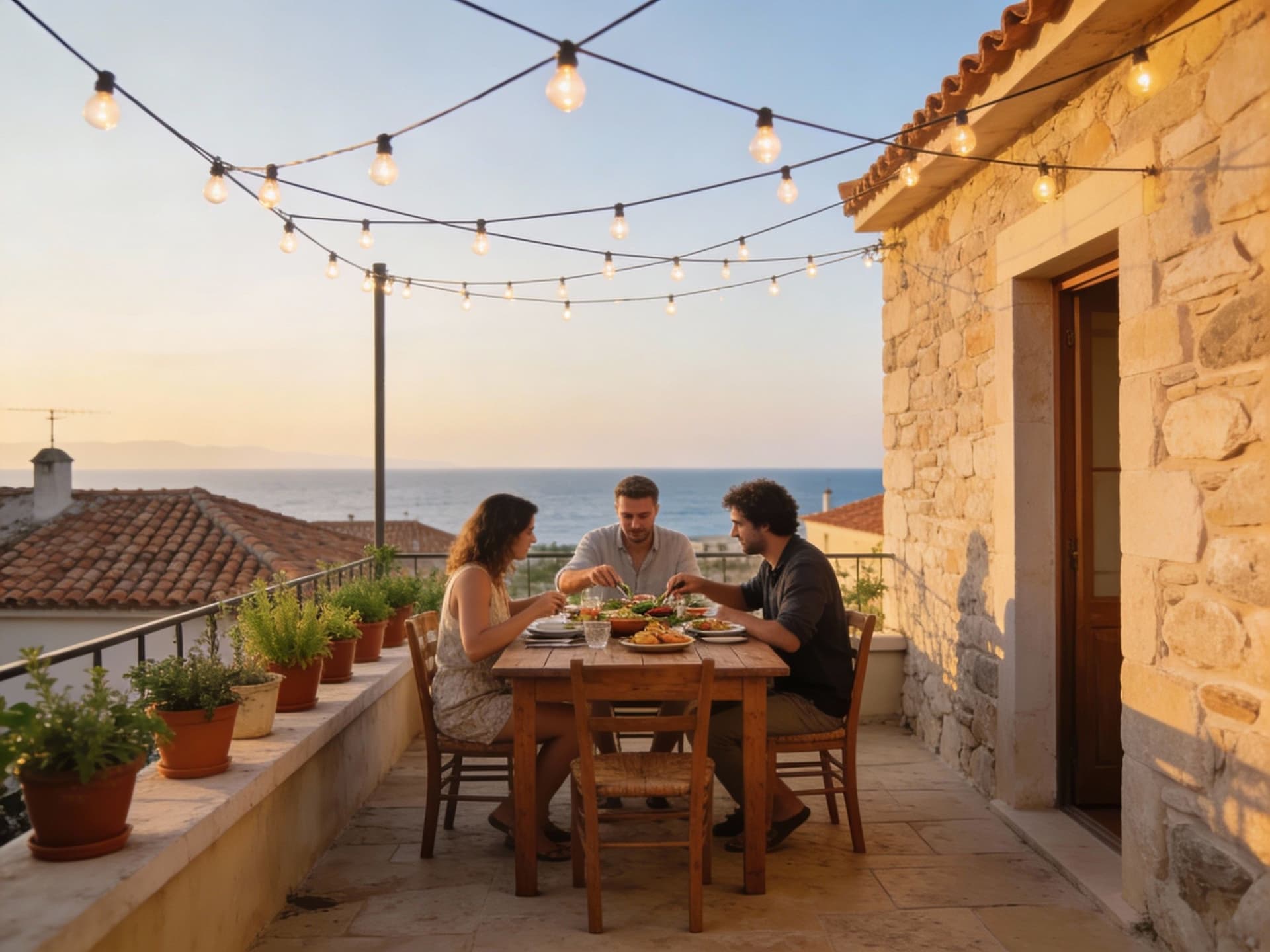
Lifestyle choices must be reconciled with the market and rules. Recent shifts to Greece’s investment residency requirements changed thresholds and short‑term rental rules; these affect where foreign demand—and therefore price pressure—will concentrate. Understanding zones of demand is essential to buying a home that supports the life you expect rather than chasing headline yields.
Property types and how you’ll live in them
Stone townhouses in Nafplio allow terraced gardening and multi‑generational living. Modern apartments in Kolonaki deliver walkable cafés and galleries. New builds near Thessaloniki offer larger interiors at lower per‑sq.m. Each type suits a different daily pattern: early market runs, long siestas, or evening social lives. Choose form based on routine, not on resale myths alone.
- Steps to align lifestyle with purchase
1. Spend a month living where you’d buy—rent a furnished unit to test daily routines. 2. Map year-round services (grocers, clinic, transport) rather than summer attractions. 3. Insist on neighbourhood-level price comps and recent transaction records from a reputable local agency. 4. Confirm short‑term rental rules if you plan to supplement income—laws changed and affect value. 5. Prioritise access to winter services (heating, roads) if you plan permanent residency.
Insider knowledge: what expats wish they’d known
Expat experience often centres on three surprises: seasonality of services, the hidden cost of renovations, and the social mechanics of neighbourhood integration. Simple truths—Greek bureaucracy takes time; local recommendations matter more than glossy listings—determine whether your home becomes a weekend escape or a lived-in community asset.
Language, community and daily belonging
Start with a local kafeneío and a vendor at the market. Learning basic Greek phrases pays in invitations and practical help. Community integration in Greece happens through reciprocity—small favors, shared food, and presence. If you value social life, choose neighbourhoods with year‑round residents rather than tourist strips.
Long-term view: which regions look structurally resilient
Data show persistent price growth in cities (Athens, Thessaloniki) and supply shortages driven by reduced construction activity. Regions with diversified economies—university towns, working ports, and regional administrative centres—tend to withstand seasonal demand swings better than purely touristic islands. That matters if you want the lifestyle to last and capital values to be less volatile.
- Red flags to watch (practical + lifestyle)
- Unclear title history or shared ownership disputes; properties marketed primarily for Airbnb in high-season strips; neighbourhoods with no winter groceries or medical access; buildings with poor insulation in cold months; listings lacking recent energy performance certificates.
Practical final steps: work with an agency that records transactions, checks planning permissions, and helps translate neighbourhood rhythm into a shortlist. Verify recent transaction prices, obtain an independent building survey, and ask an accountant about residency-related tax implications before you sign.
Greece offers a rare combination: intense daily pleasures and pockets of real value off the beaten track. If your priority is a sustainable life—community, services, and an authentic routine—look inland from the headline islands or favour Greek city pockets with year‑round life. When you pair that lifestyle clarity with disciplined due diligence, you find homes that reward both the heart and the balance sheet.
Danish investment specialist who relocated to Costa del Sol in 2015. Focuses on data-driven market timing and long-term value for Danish buyers.