France’s Quiet Corners: Lifestyle-Led Opportunities
France’s market is regional: modest price rebounds in 2025 hide emerging provincial and coastal opportunities; buy for daily life, verify seasonality and local rules.
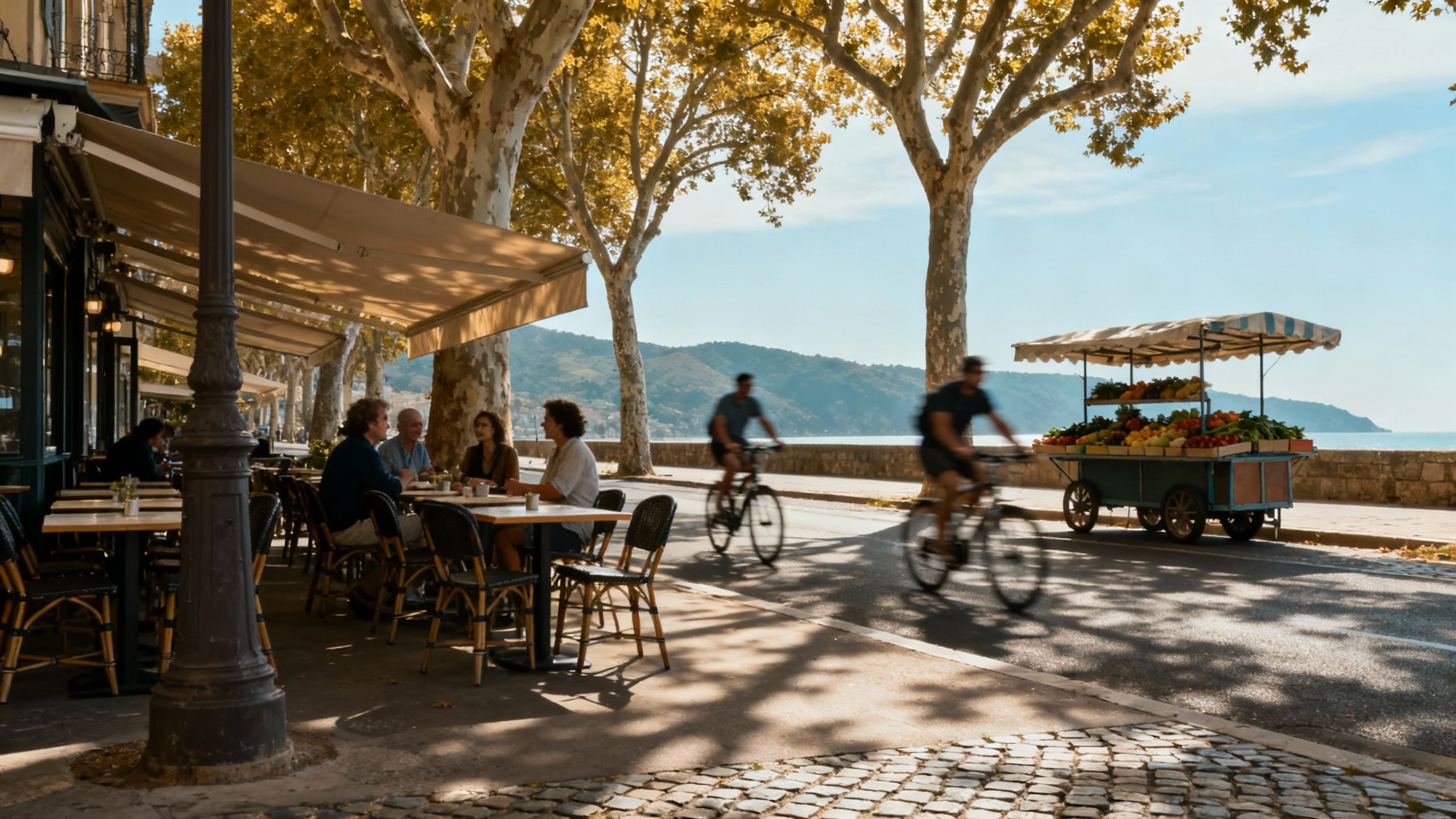
Imagine the morning in a small town on the Lot or the rue de la Grande Chaumière in a Left Bank arrondissement: espresso steam, shutters opening, markets filling with walnuts and chèvre. France is many rhythms at once — quiet provincial mornings, the measured bustle of mid-sized cities like Bordeaux, and the sultry, sunlit cadence of the Mediterranean coast. For international buyers this variety is the attraction and the trap: you can buy into a postcard lifestyle, but the realities of markets, seasons and local customs determine whether the postcard becomes home. This piece challenges a common assumption: that France is a single, uniformly 'expensive' market—then shows where subtle, emerging opportunities live and how to approach them with local intelligence.
Living the French life — more than the Riviera
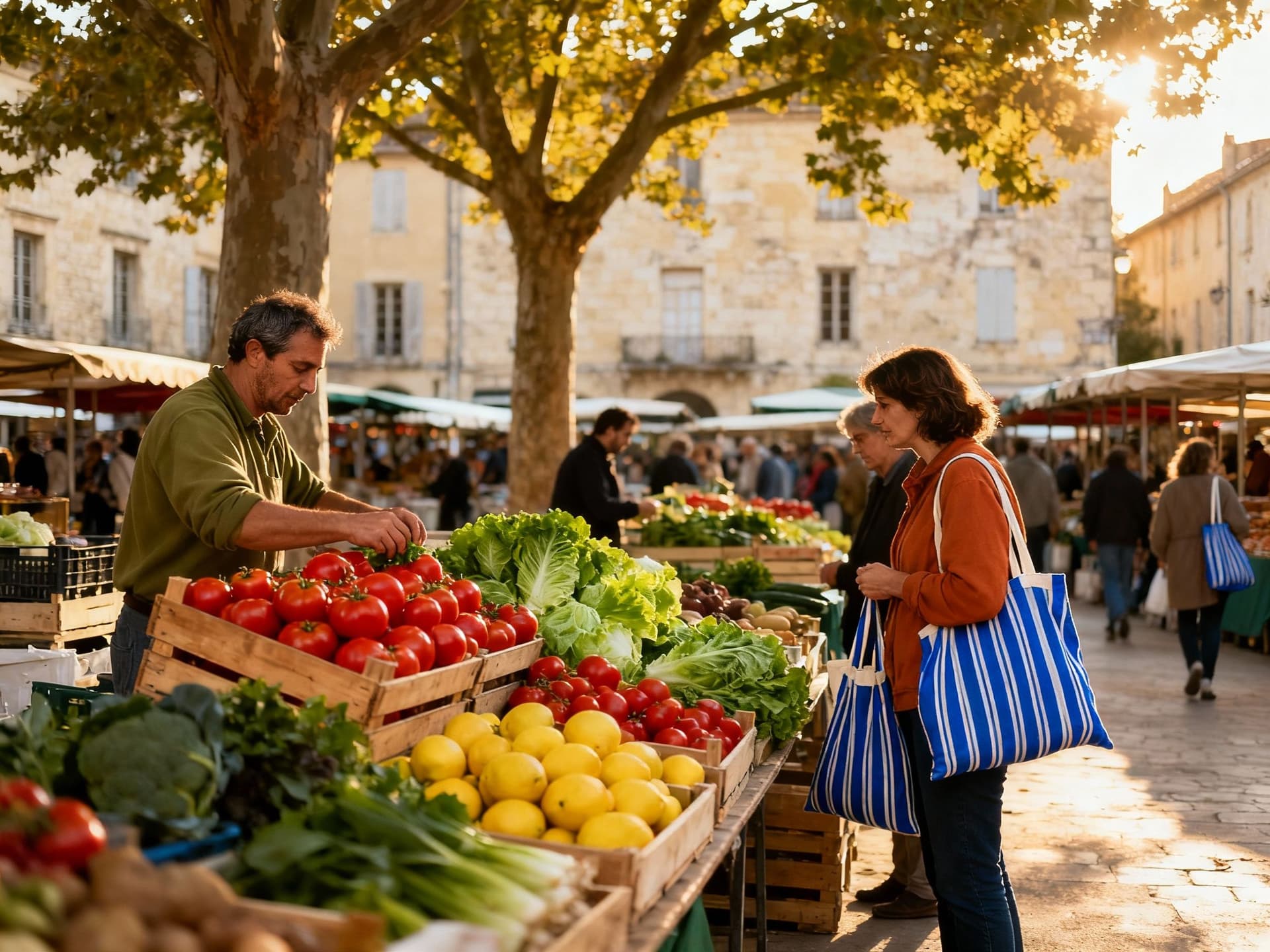
Daily life in France is spatial and seasonal. In Lyon you plan dinners around the bouchons; in Biarritz you time surf sessions with low tide; in Aix-en-Provence the afternoons belong to terraces and siestes. The architecture, street layout and even the local bakery dictate routines — narrow medieval lanes encourage walking; wide boulevards favour cafés and lingering conversation. For a buyer, these are not aesthetic choices only; they determine what property type will pay dividends in lifestyle terms.
Neighborhood spotlight: Bordeaux’s Chartrons and the new provincial rhythms
Chartrons was once warehouses and wine merchants; now restored facades, narrow streets and antique shops meet new cafes and small galleries. Mornings here feel like being inside a slow film: marché stalls, artisanal bakeries on rue Notre-Dame, and a steady stream of cyclists. For buyers who want a compact, walkable life with cultural nodes nearby, Chartrons offers an urban-province hybrid — city services without the relentless pace of Paris.
Food, coffee and coast: where culinary life defines property choice
Markets shape social life in France. In Toulouse the covered Halle Victor Hugo draws afternoon shoppers; in Nice the Cours Saleya market structures weekends. If you prioritise daily market access, choose central quarters or villages within short drive of a weekly marché. Coastal towns like Biarritz and Antibes trade off tourist seasonality for year-round surf or yachting communities — important when considering rental potential or off-season livability.
- Morning markets on rue Mouffetard (Paris) — small producers and neighborhood life
- Café terraces in Place du Parlement (Bordeaux) — social hub and pedestrian priority
- Plage de la Côte des Basques (Biarritz) — surf community and seasonal rental demand
Making the move: practical considerations that reflect how you want to live
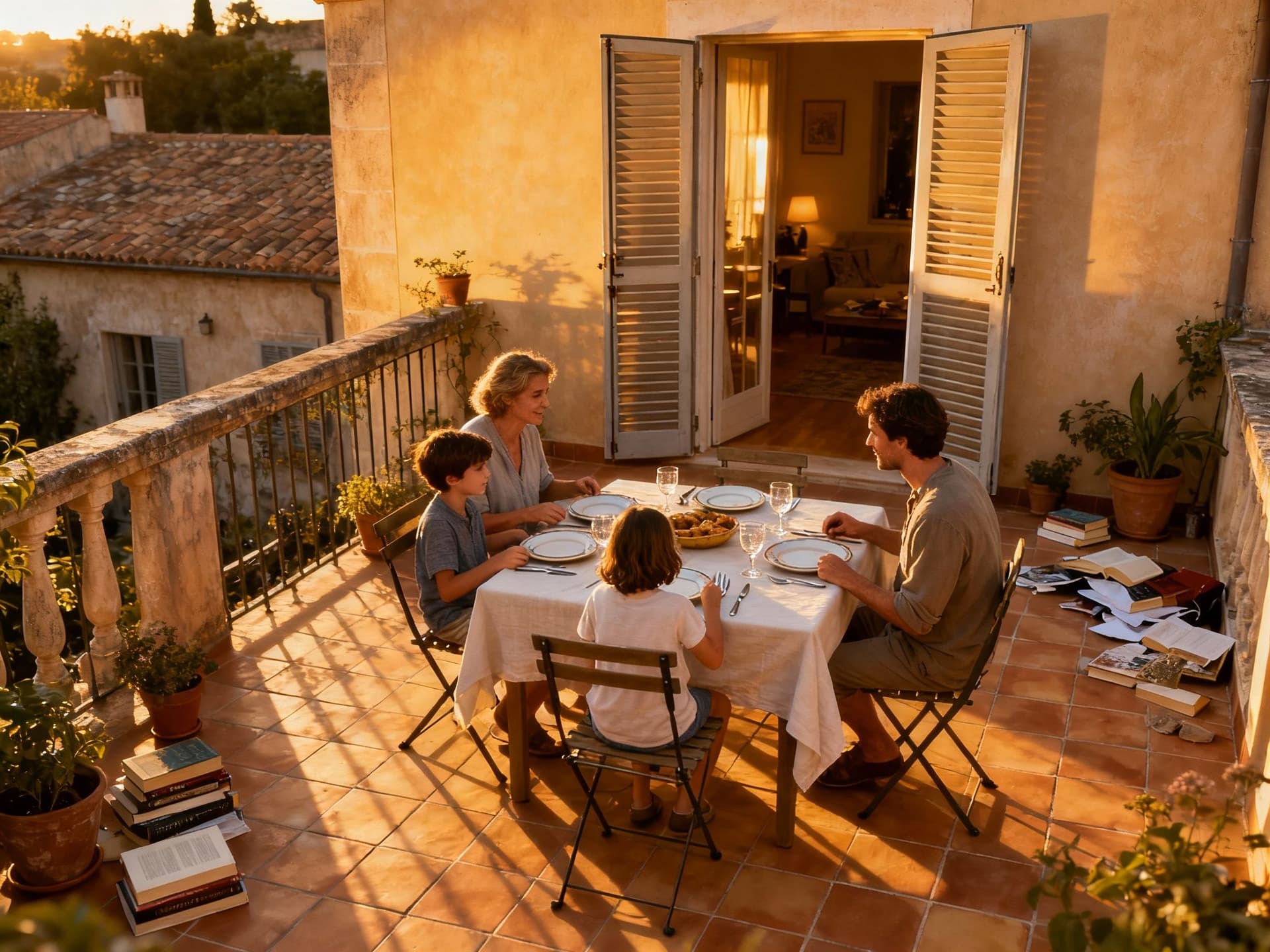
Dreams meet data here. After several quarters of correction, French house prices showed modest recovery in early 2025, driven by lower borrowing costs and renewed transactions. Notaires and INSEE report a cautious rebound — a reminder that regional dynamics matter more than headline country numbers. For buyers, timing and location selection should be informed by micro-trends: provincial towns saw earlier stabilization than some Paris suburbs, and seaside pockets can swing sharply with seasonal demand.
Property styles and how they shape life
Stone longères in rural Nouvelle-Aquitaine invite garden life and food-growing; Haussmannian flats in Paris give proximity to culture at the cost of smaller private outdoor space. A coastal villa offers indoor-outdoor seasons but requires maintenance against salt air; old barns converted into homes offer volume and character but frequently need insulation and drainage upgrades. Match the property type to your daily routine: do you want a garden to tend, or an apartment steps from a marché?
How local experts convert lifestyle into buying decisions
- 1. Ask an agent to map daily routines — where locals buy bread, where buses run, where children walk to school. 2. Request recent transaction comparables, not advertised asking prices: they show what buyers actually pay. 3. Insist on a specialist local notaire or solicitor early: French notaries are gatekeepers of title and inheritance norms. 4. Visit in different seasons—markets and coastlines show their true character off-peak. 5. Consider a local property manager who can explain seasonality and maintenance costs.
Insider knowledge: cultural details that change where you buy
Small, repeat cultural facts matter: shutters close after lunch in many towns; many markets operate only certain days; canal-side apartments may be quiet but vulnerable to winter humidity. Expat communities cluster where services exist — international schools, bilingual doctors, and access to airports. Where you’ll meet neighbours, buy groceries and spend weekends should influence your choice more than broad 'region' labels.
Language, community and making a life
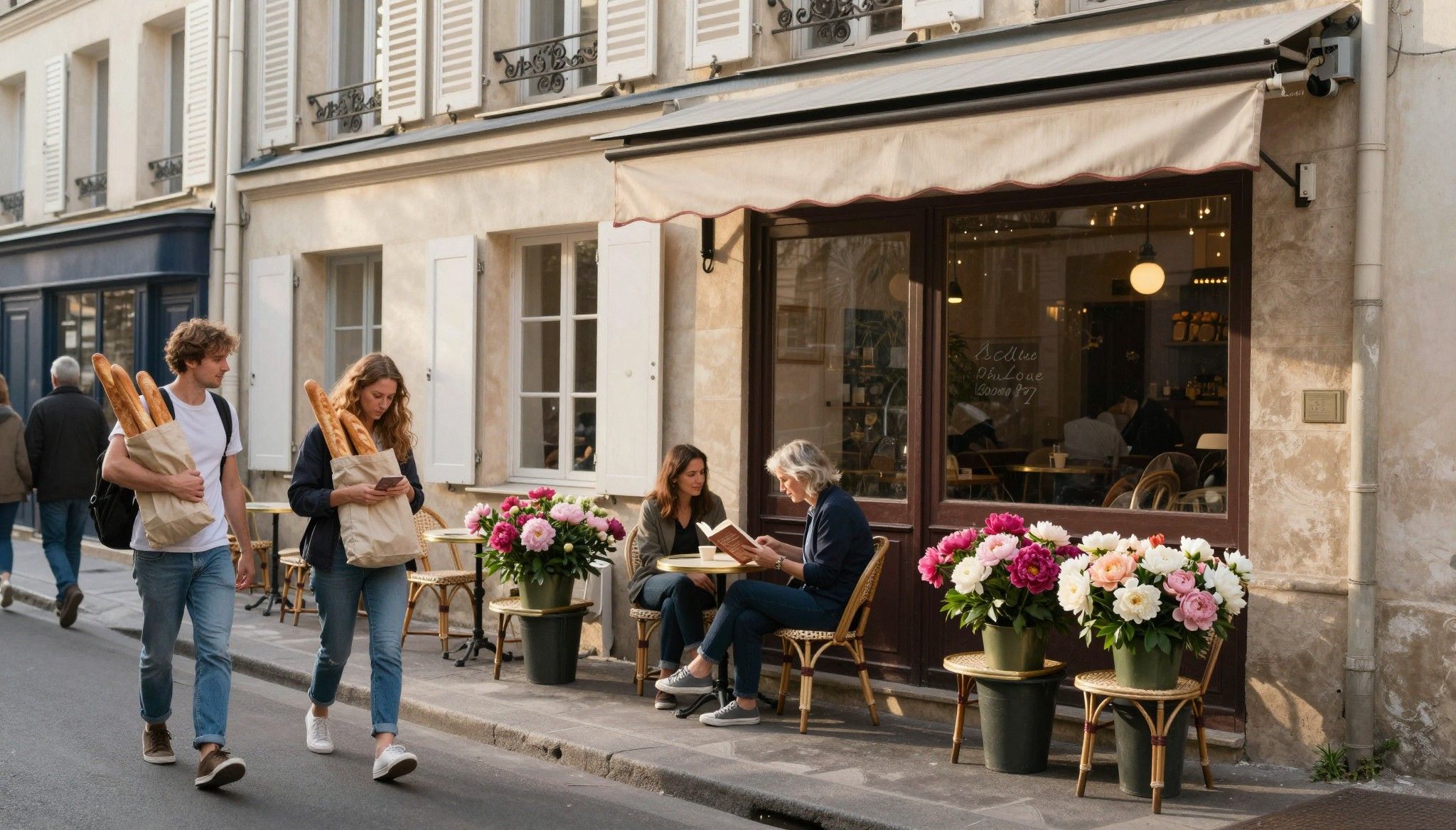
You do not need fluency to settle, but basic French accelerates integration. Attend the marché, join a local association, and use small rituals — the boulangerie run — to create familiarity. Many buyers report that once they know their butcher and café owner by name, practicalities like local permits and tradespeople become far easier to manage.
Long-term: what people who stayed learnt the hard way
Long-term residents caution against buying solely on holiday impressions. Seasonality affects resale and rental appeal; local infrastructure projects (rail upgrades or zoning changes) change value over a decade. Successful long-term buyers treat properties as places to live first — investments second — and work with advisers who understand municipal planning and ageing-in-place needs.
- Check municipal PLU (local urban planning) before bidding — it determines extensions and pool permissions.
- Ask for a recent diagnostic immobilier (energy, termites, lead, asbestos) — older countryside homes often hide remediation costs.
- Confirm seasonal rental limits in coastal towns — some communes cap annual nights or require registration.
- Factor in practical upkeep: roofs, wells, septic systems and road access are frequent rural expenses.
- 1. Visit in low season to test daily services. 2. Request 12 months of utility bills and local tax history. 3. Hire a local surveyor and an English-speaking notaire or solicitor. 4. Budget 10–20% of purchase price for renovation and compliance work if buying older stock.
Conclusion: France is not one market but an atlas of living options. The emerging opportunities for international buyers are in places where everyday life — markets, services, transport links — align with property quality and price momentum. Use public data (INSEE, Notaires) and local observation to confirm a neighbourhood’s rhythm. When lifestyle and diligence pair, buyers do not just buy a property; they buy into a sustainable life.
Norwegian market analyst who serves Nordic buyers with transparent pricing and risk assessment. Specializes in residency rules and tax implications.