How to Buy the Life — French Neighbourhoods & Market Truths
Forget postcard myths: pick a French neighbourhood that matches how you want to live, then test it in person and secure local notaire-led checks before you buy.
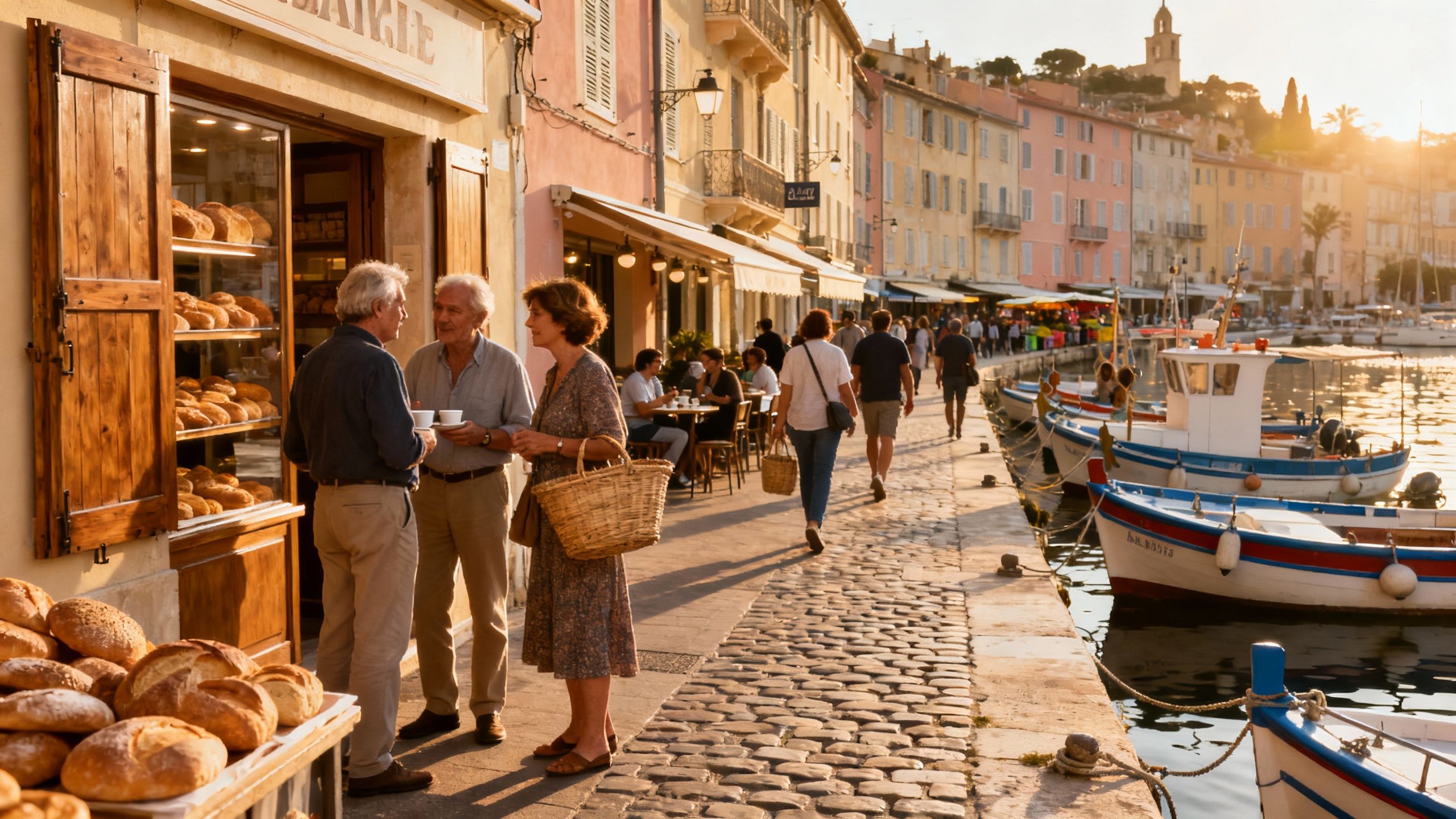
Imagine waking on a narrow street in Antibes, buying warm fougasse at the Marché Provençal, then slipping down to a quiet terrace that looks over a harbour where fishing boats line up like a scene from a postcard. France is often pictured in postcards — but the day-to-day is textured: weekday markets, municipal festivals, neighbourhood cafés where baristas know the locals by name. For many international buyers the romance is the start; the practical questions come next. This piece pairs the lived detail you fell for with current market signals and local realities that matter when you buy in France today.
Living the French life — sensory, neighbourhood-led
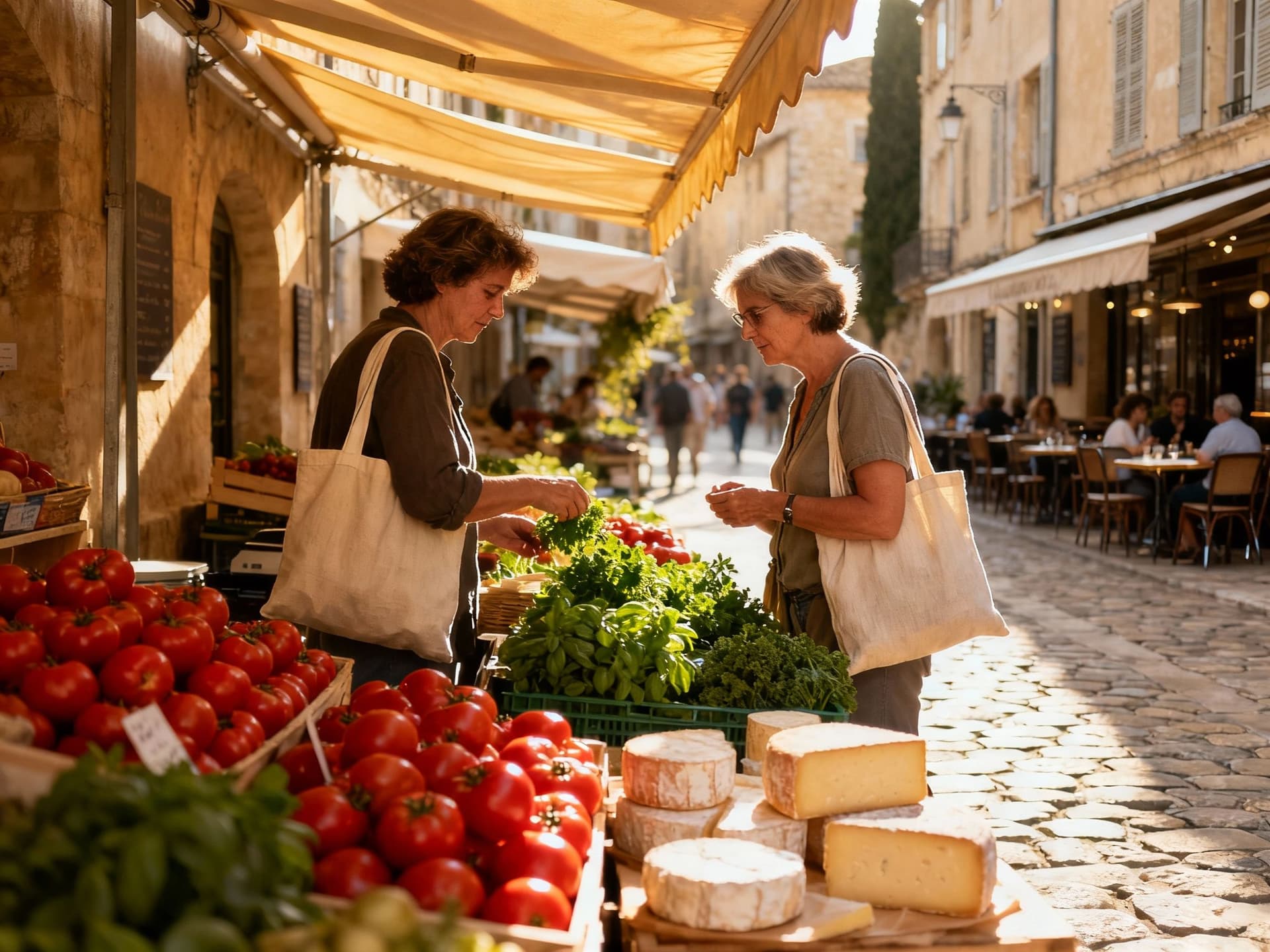
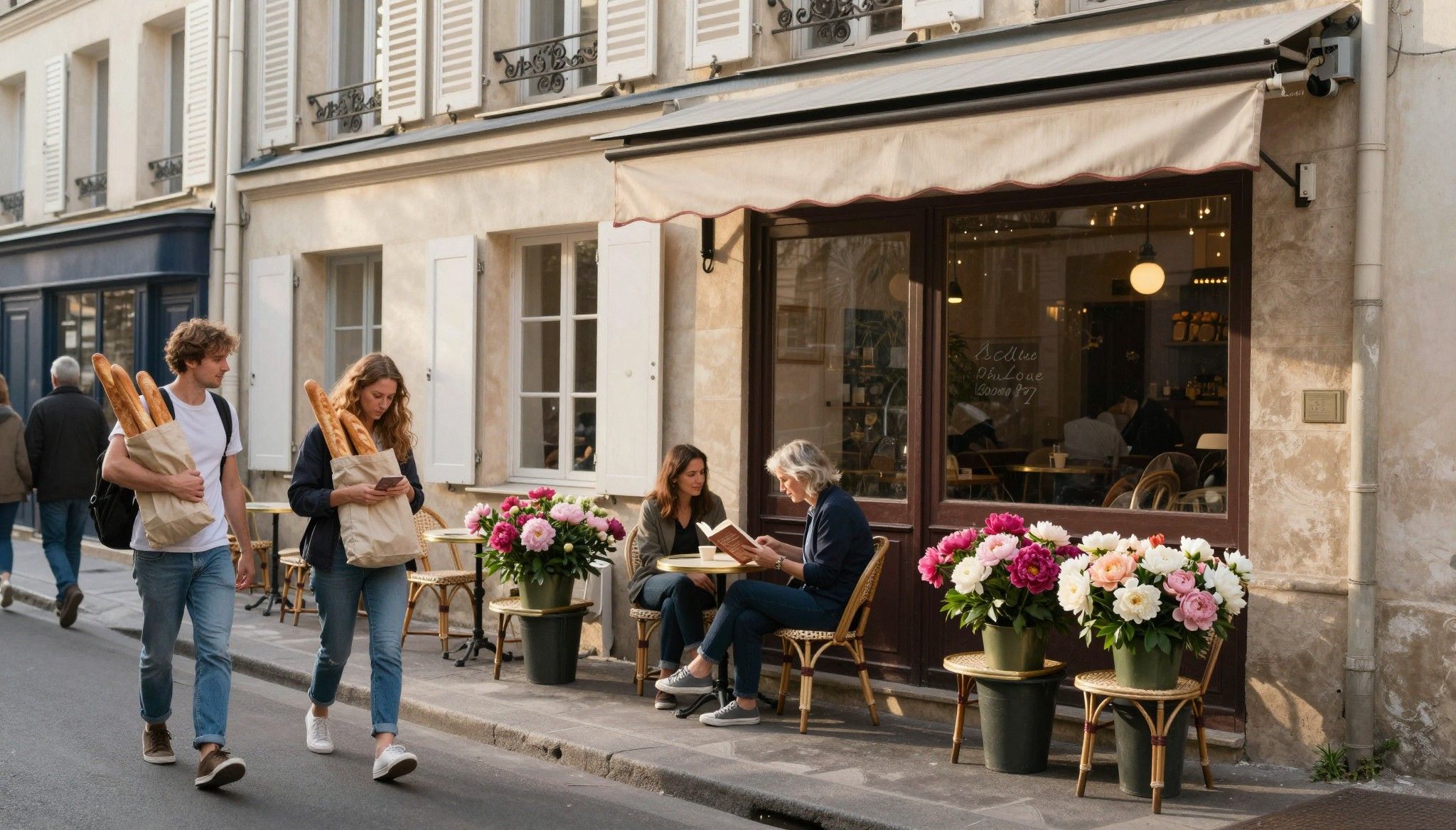
France moves at a rhythm that changes by street and season. Mornings mean markets and boulangeries; afternoons are for slow lunches and siestas in smaller towns; evenings bring long dinners and neighbourhood bars. Where you live — Parisian arrondissement, Lyon’s Croix‑Rousse, Bordeaux’s Chartrons, or a village on the Côte d’Azur — defines the cadence of daily life more than the country does. Think of property as a ticket to that rhythm: a small apartment gives you immersion; a village maison gives you land and a different kind of community.
Antibes & the Riviera: village mornings, international evenings
On the Riviera the draw is shoreline living without losing authentic village life. Antibes’ Marché Provençal, Nice’s cours Saleya and small harbours like Port‑Grimaud offer daily rituals: produce stalls, artisans, and a café scene that lasts all day. Expect seasonal variation: winters are quiet and local; summers are crowded and lively. Properties range from compact apartments in old town stone buildings to terraced villas with stacked terraces and sea views.
Bordeaux & Loire: wine country routines and weekend markets
Bordeaux combines provincial calm with international connectivity — regional trains, wineries and markets shape weekends. In towns along the Loire and Dordogne you’ll shop weekly, not daily; lunches are unhurried and neighbours swap home‑grown produce. Houses here often come with cellars, gardens and outbuildings: the lifestyle is about food, land and slow social life rather than the constant buzz of a city.
- Lifestyle highlights to look for
- Daily markets: Antibes Marché Provençal, Nice Cours Saleya, Sainte‑Maxime Place des Herbes.
- Local cafés with terrace culture: Rue d’Antibes (Antibes), Vieux‑Nice lanes, Bordeaux’s Rue Sainte‑Catherine side streets.
Making the move: practical considerations that preserve lifestyle
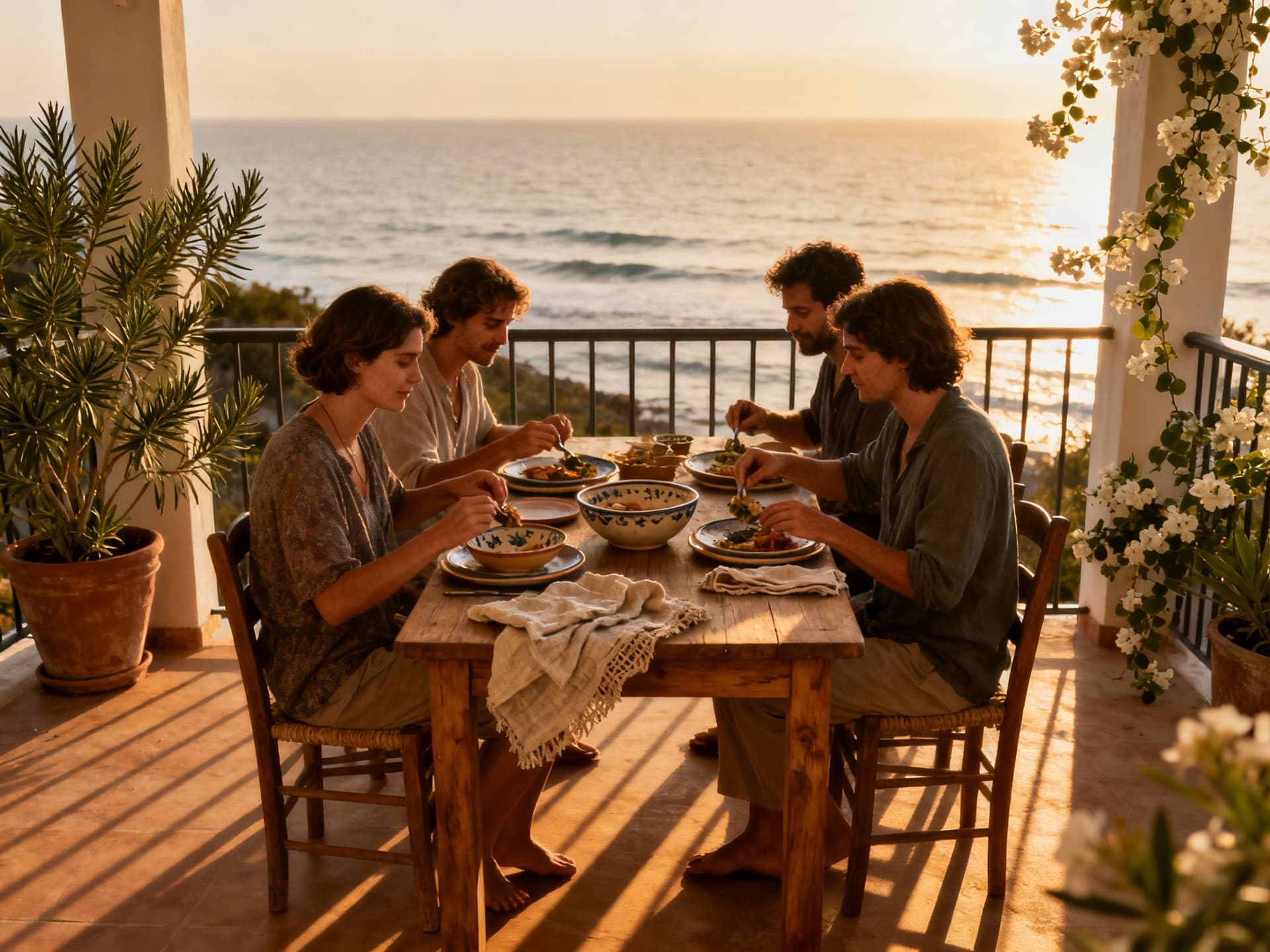
Lifestyle choices should be tested against current market signals. Recent reporting shows the French market stabilising after a period of regional divergence, with renewed transaction activity in early 2025. Mortgage rates and local supply are the levers that will determine whether you buy a pied‑à‑terre for market flexibility or a full‑time house that needs renovation and local integration. Work with local experts who can match the life you want to legal realities of the purchase.
Property types & how they shape daily life
Apartments in historic centres deliver walking access to cafés, markets and transport, but often lack private outdoor space. Townhouses and village maisons offer gardens and rooms for guests but require maintenance and local networks. New builds provide insulation and lower energy costs but can sit outside the authentic street life you came for. Match form to function: pick an apartment if you prioritise walkability; choose a maison for land, privacy and a different social tempo.
How local experts protect the lifestyle you buy
A local notaire, a bilingual agent with regional experience and a trusted surveyor reduce risk and preserve lifestyle value. They help secure clear titles, advise on renovation permissions and explain community charges that affect daily living. Agencies that specialise in neighbourhoods — not only price points — will show you which streets keep morning markets and which are slowly turning tourist. Ask for client references and examples of neighbourhood purchases they have completed.
- Steps to align lifestyle and purchase
- 1) Spend a week living in your preferred arrondissement or village, using local cafés and shops daily to test the rhythm.
- 2) Commission a local survey and ask the notaire for recent title extracts and servitude (easement) history before an offer.
- 3) Compare three financing scenarios: French bank mortgage, euro‑denominated lender abroad, and 100% cash — each changes negotiation power and timing.
Insider knowledge — what expats wish they'd known
Buyers often underestimate the role of seasonality in daily life and price movement. The Riviera in August is a different country to the same spot in February. Local festivals, markets and school calendars shape availability of tradespeople and short‑term rental demand. Small cultural practices — how local associations run fêtes or the timing of municipal maintenance — will affect how quickly a property becomes 'home'.
Language, community and the slow returns of integration
You do not need fluency to live in France, but learning French accelerates access to community — the local boulangerie will open more easily for you. Expat enclaves exist but they can delay real integration and reduce your exposure to authentic daily life. Long‑term value in property often follows local involvement: membership of associations, contacts with craftsmen, and a network of neighbours who look after your home when you are away.
Seasonal realities that change value and use
Short‑let income on the Riviera can be strong in summer but negligible in winter; this variance affects maintenance, local relations and municipal rules on rentals. Renovation timing also matters: plan external works for late spring and early autumn when trades are available and prices are competitive. Be realistic about occupancy: a property that feels lively in July may be nearly empty in November.
- Practical red flags to watch for
- Unclear title history or unresolved servitudes — ask the notaire for historic registry extracts.
- High copropriété charges that escalate in older buildings — review three years of accounts.
- Properties in tourist zones subject to short‑let regulations — check local mairie rules before you buy.
Conclusion: the right property in France is one that fits the life you want, not the image you saw on Instagram. Start with the sensory test — live where you want to buy for a short period, then layer in due diligence: local notaire checks, a regional agent who knows the street, and a realistic renovation and rental plan. When those elements align, France rewards you with daily rituals, strong local culture and a predictable long‑term market — provided you bought for the right reasons.
Danish investment specialist who relocated to Costa del Sol in 2015. Focuses on data-driven market timing and long-term value for Danish buyers.