France: Street‑Led Opportunities Beyond the Headlines
Compare emerging French towns where daily life, not headlines, creates value — street-level tips, data links and practical next steps for international buyers.
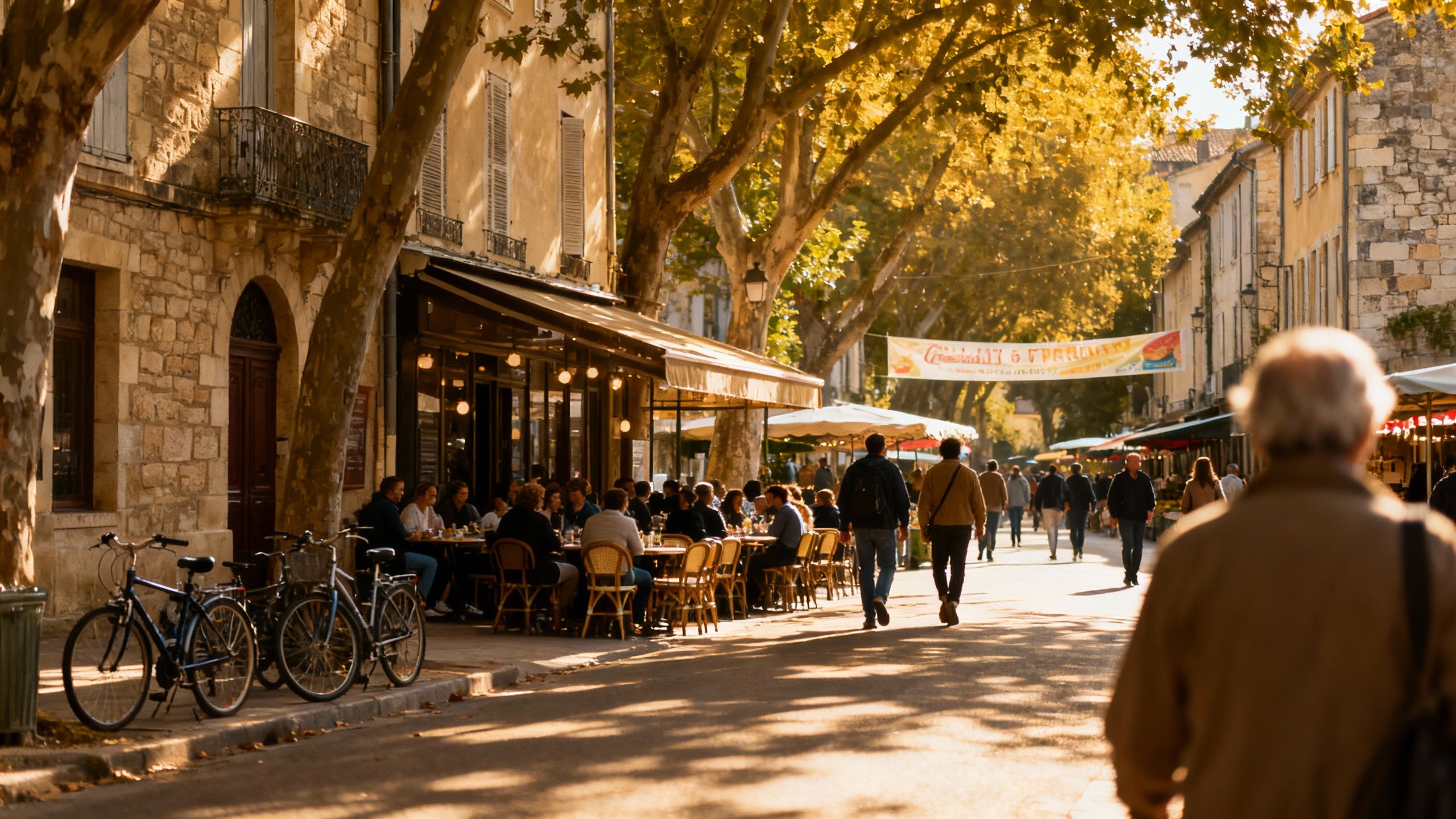
Imagine a Tuesday morning in Aix‑en‑Provence: a baker pulls warm fougasse from the oven on Rue des Tanneurs, a market trader arranges truffles and seasonal greens at Place Richelme, and an architect‑converted town house hums with light. This is the everyday France most buyers dream of — tactile, social, textured — yet the map of opportunity runs deeper than Paris and the Riviera. Read on for an off‑beat comparison of emerging French corners where lifestyle and price converge, and the local realities international buyers must weigh.
Living the French life — more than a postcard
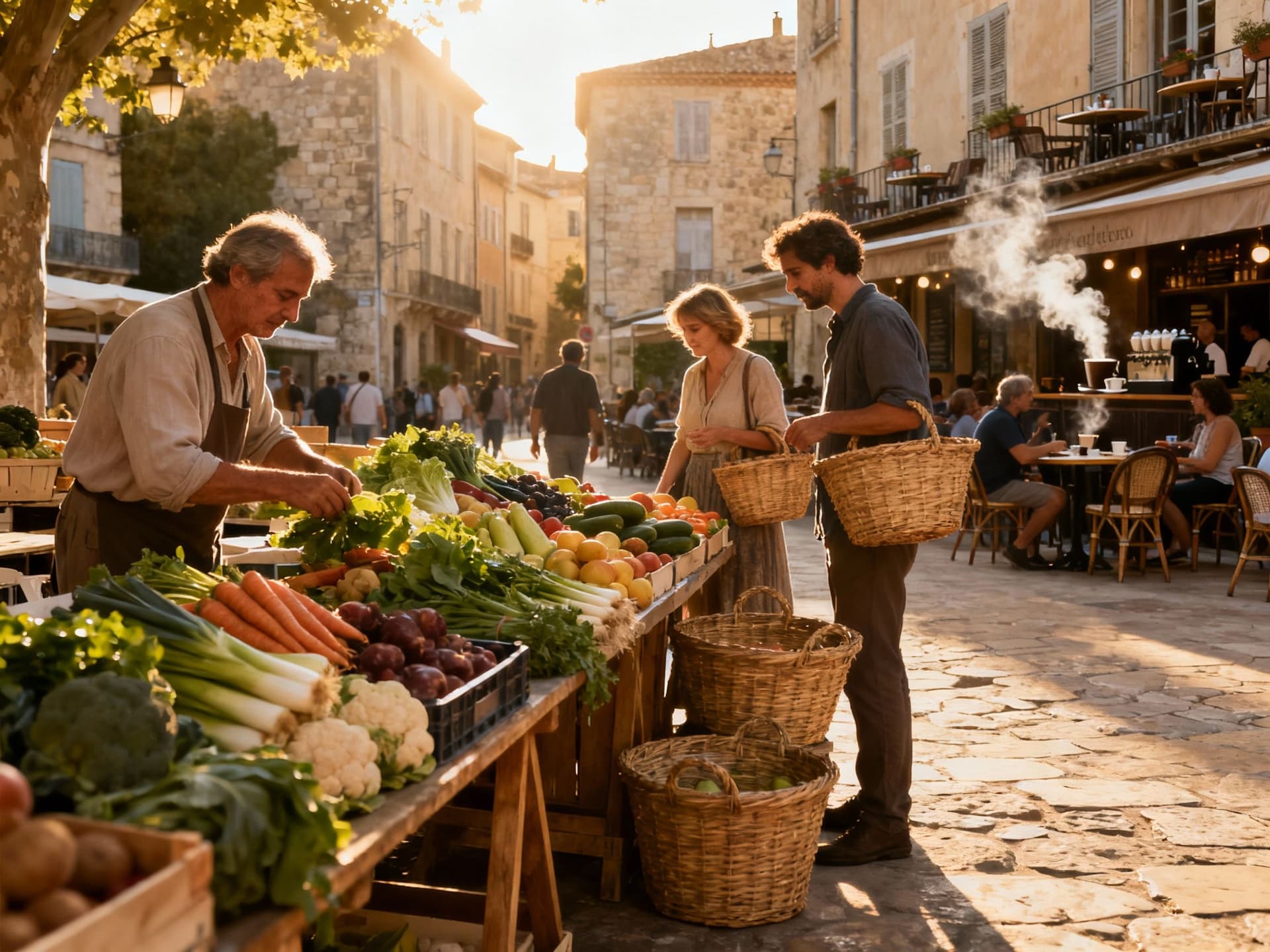
France’s everyday rhythm varies sharply by region. Coastal towns pulse with summer tourism and relaxed late lunches; inland market towns keep a slower cadence set by market days and the civic square. Recent demographic shifts documented by national statistics show domestic migration from cities to smaller towns, reshaping demand in under‑covered markets. For international buyers, that means neighbourhood character — daily rhythms, shops, schools — can be as decisive as headline price per square metre.
Provence’s town centres: light, terraces and street life
In towns like Arles, Uzès or Apt, life is structured around squares, weekly markets and late cafes. Streets smell of coffee and olive oil; renovations favour stone, exposed beams and shaded courtyards. These places deliver everyday conviviality without the Riviera premium, but expect renovation complexity and municipal rules that preserve historic fabrics. If you prioritise small‑scale social life — cafés, boulangeries, a reliable market — these towns repay patience.
Atlantic coast towns: surf, salt and quieter seasons
Places such as La Rochelle, Royan or Biarritz’s lesser‑known neighbours mix strong coastal culture with lower off‑season prices than the Cote d’Azur. Summers are lively; winters are restful and community‑centred. Properties here often prioritise practical outdoor features — shutters, drainage, salt‑resistant materials — which buyers should inspect closely. For those who value an active outdoor life with a regional rhythm, these towns offer reliable lifestyle returns.
Lifestyle highlights: markets, beaches and streets worth knowing
Place Richelme, Aix‑en‑Provence — morning market, provençal produce and terrace life
Rue de la Soif, Nantes — lively bars, university energy and weekday vitality
Marché des Capucins, Bordeaux — food culture that shapes social routines and weekend rituals
Making the move — where price meets practical

Lifestyle is the magnet; process is the map. National notaires’ indices show urban centre prices remain firm while certain inland and Atlantic towns lag — creating openings for buyers who prioritise life over cachet. The French purchase process is procedural and transparent, but it includes fixed notary fees, cooling‑off periods and mandatory diagnostics. Partnering with a local notaire and an agency that understands municipal rules will save time and uncover realistic renovation costs.
Property types that match how you’ll live
Town houses in Provence are about courtyard life and walkability; coastal villas prioritise outdoor flow and weather‑resilient materials; rural farmhouses trade instant style for renovation budgets. Think in terms of daily routines: where will you buy groceries, where will you socialise, how much seasonal maintenance will you accept? That alignment reduces regret after purchase.
Working with local experts who know the street
A local agency does more than show properties: it reads street life, municipal plans and renovation constraints. Ask agencies for examples of recent purchases in your target neighbourhood, references for local artisans, and a clear estimate of annual carrying costs. Insist on neighbourhood‑level comparables — not broad regional averages — to understand true value.
Practical next steps when you’re serious (street‑led approach)
1. Shortlist two neighbourhoods, visit off‑season and on a market day to test rhythm.
2. Request three recent sold comparables on the exact street from your agent and verify with notaires’ indices.
3. Commission mandatory diagnostics early (termites, lead, energy performance) to avoid renegotiation surprises.
Insider knowledge — what expats wish they’d known
Expats regularly tell the same story: they misread seasonality, underestimate renovation timelines, or pick a street for views rather than daily convenience. A house with an incredible view can become isolating in winter if the nearest bakery is 20 minutes away. Conversely, a modest apartment on a lively lane often delivers the social returns buyers crave.
Language, community and the slow work of belonging
Fluency helps, but so does ritual: regular market purchases, local associations, and the same café habit will integrate you faster than sporadic grand gestures. Many towns welcome new residents through municipal events and associative life; reach out early and show intent to participate. That social capital affects your experience and, over time, your property’s desirability to future buyers.
Long‑term lifestyle: maintenance, energy and resilience
Older French properties come with charm and an energy story. Expect insulation, heating systems and roof work to be the bulk of medium‑term costs. National energy renovation incentives exist but vary by region and household. Factor these into purchase math; they affect comfort, running costs and resale in a market increasingly sensitive to energy performance.
Red flags and street‑level checks before offer
Unresolved co‑ownership (copropriété) charges that spike annually.
Municipal planning notices (PLU) that block extensions or pool installations.
Seasonal access issues: narrow lanes, limited winter services, or flood risk near rivers and coasts.
Conclusion: fall for the life, buy with the street in mind. France rewards those who choose a neighbourhood first and a property second. Live the routines you want to keep, test them off‑season, and work with local experts who measure value street by street. When lifestyle and legal clarity align, purchases feel less like transactions and more like long‑term restorations of a life worth living.
Danish investment specialist who relocated to Costa del Sol in 2015. Focuses on data-driven market timing and long-term value for Danish buyers.