Greece: Lifestyle, Value and the New Opportunity Zones
Greece offers vivid daily life across Athens and the islands — but new Golden Visa zones, regional price splits and seasonality mean lifestyle choices must be matched to property type and local due diligence.

Imagine sipping an espresso in Koukaki as tram bells ring and the Acropolis turns from ochre to gold at dusk. That scene is not a postcard — it’s weekday life for many people who’ve moved to Greece and chosen neighbourhoods that fit how they want to live. Yet lifestyle cues and headline prices often point different ways. This piece pairs the lived-in Greece with the practical truth about where value and opportunity are reappearing right now.
Living the Greece lifestyle
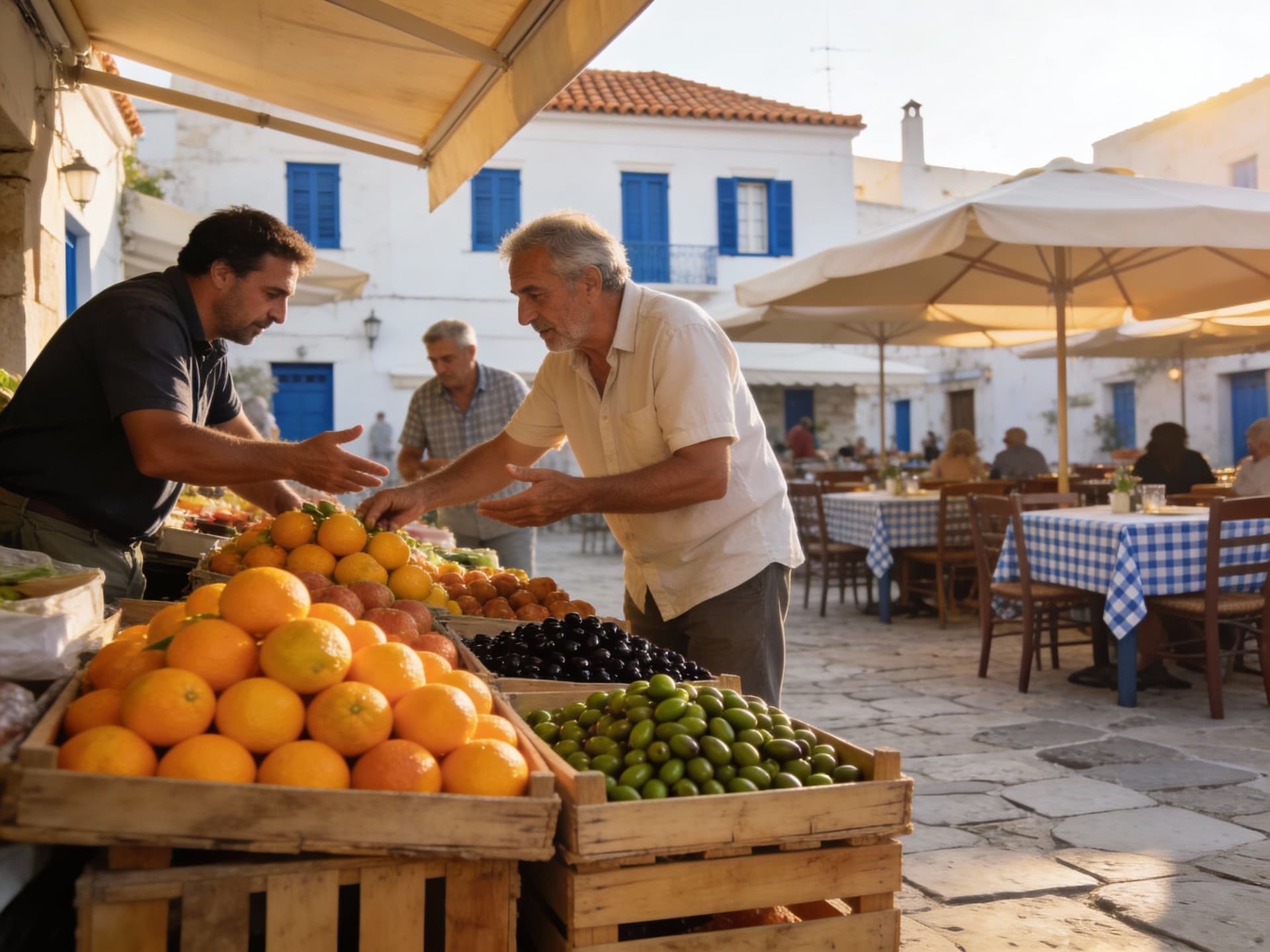
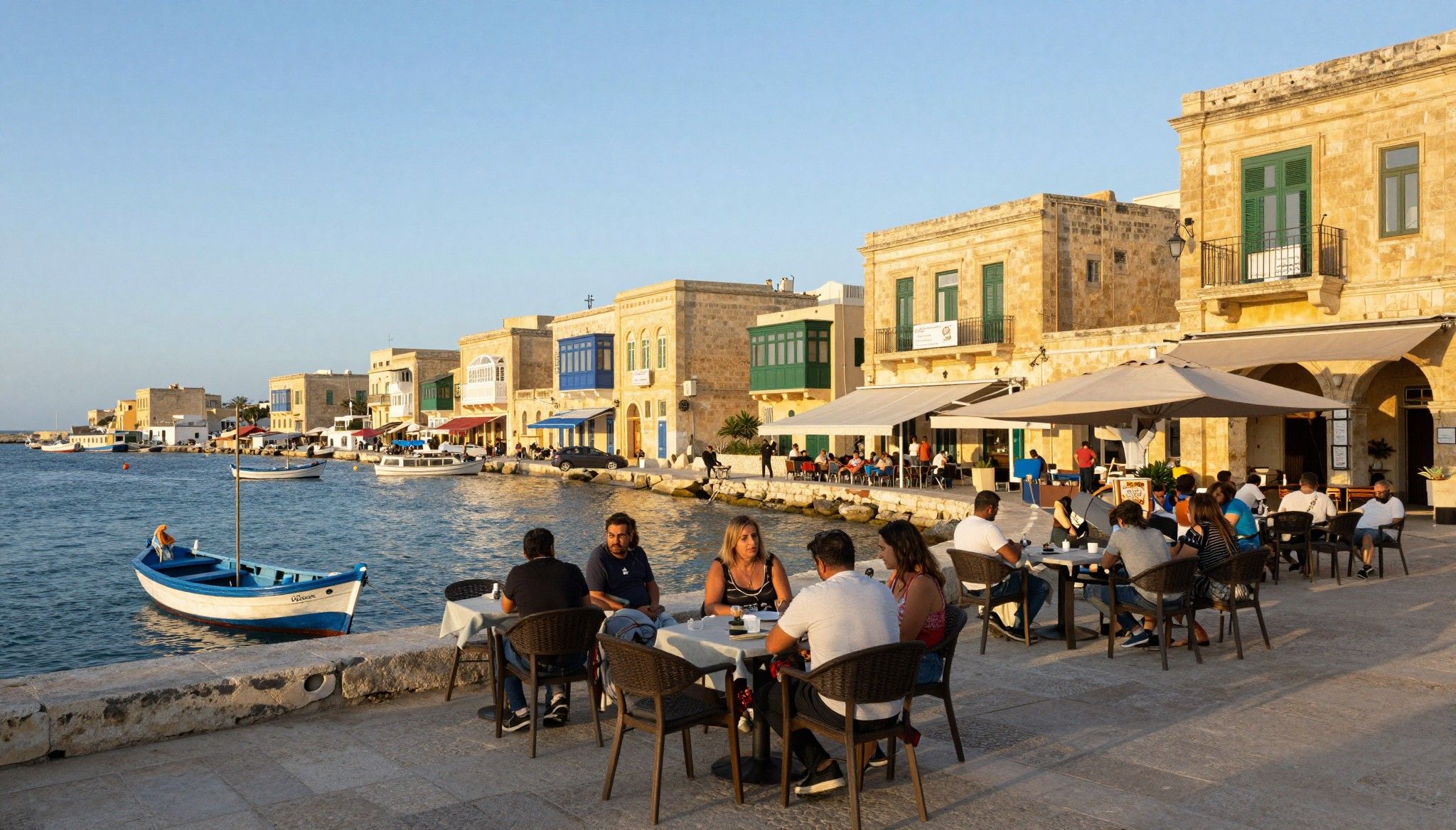
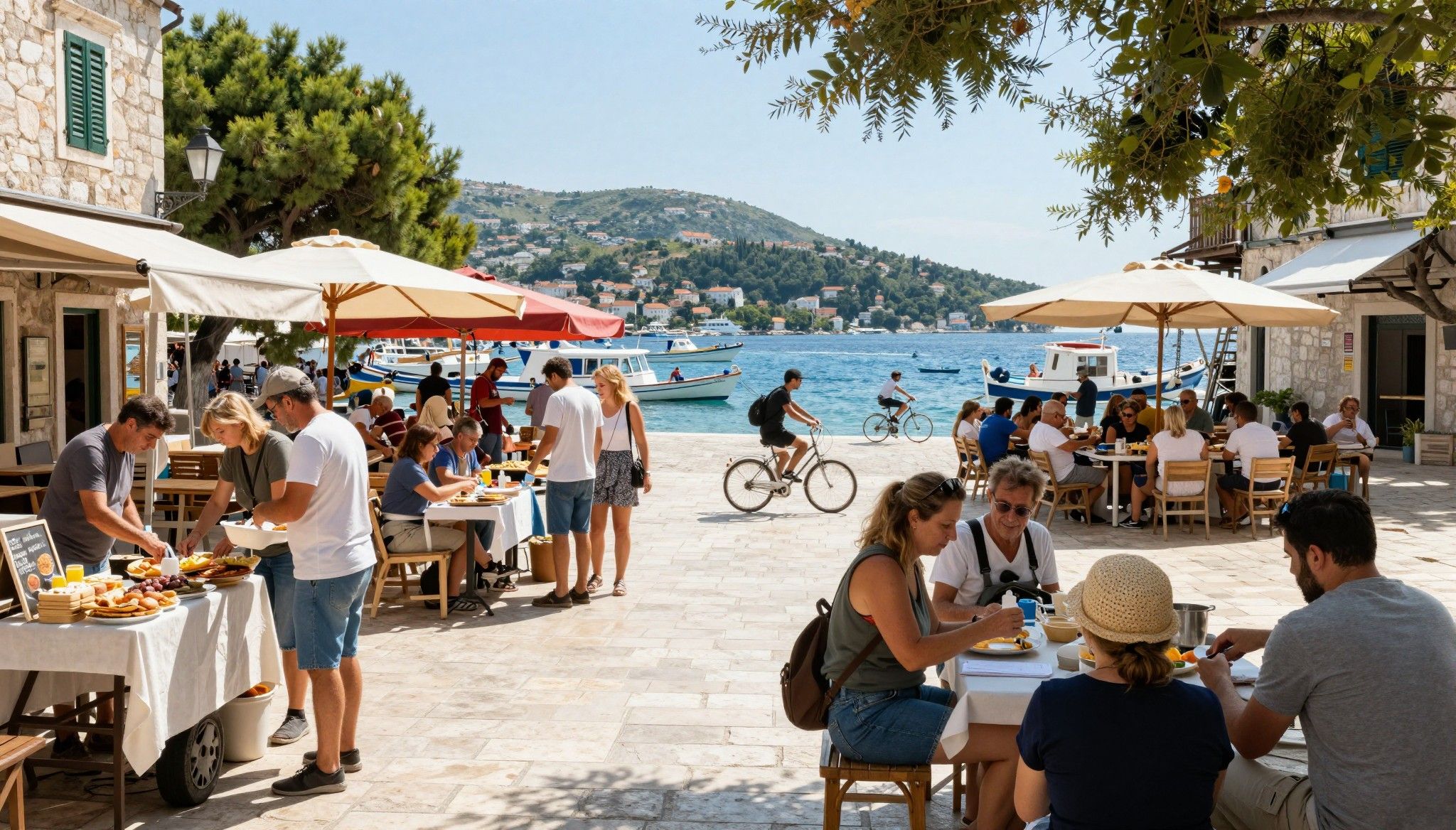
Life in Greece moves with weather and ritual. Mornings start at a coffee counter over a small glass of water; afternoons are for siesta-style slow walks or market runs; evenings unfurl at tavernas where seafood, lemon and oregano are constants. Cities and islands both offer intense sociability — boulevards of cafes in Athens, harbour-side life in Nafplio, and small-island calm in Paros — but the tempo changes from neighbourhood to neighbourhood. That difference matters when you buy: the feeling you want at 7am will often determine the street you choose.
Athens neighbourhoods: Koukaki, Pangrati, Glyfada
Koukaki (next to the Acropolis) offers narrow streets, neighbourhood bakeries and an expat stream who favour walkability and culture. Pangrati blends old cafés with new restaurants — it’s where young Athenians gather after work. Glyfada on the Athens Riviera trades city density for beach access and marina life; it suits buyers who want a daily touch of seaside without full island logistics. Each adds a different daily rhythm to property ownership: morning markets in Koukaki, rooftop sunsets in Pangrati, marina-side promenading in Glyfada.
Islands and smaller centres: Paros, Nafplio, Chania
Paros and Naxos deliver wind‑surfing bays and village squares where you’ll recognise shopkeepers after three visits. Nafplio is quieter, with Venetian lanes and a routine that centres on cafés by the sea. In Crete, Chania combines a working port with year-round services and a stronger local economy — useful if you want off‑season life that still feels alive. In short: pick an island for mood; pick a regional capital for services.
- Morning coffee at Aegli (Koukaki); Sunday fish at Ta Platania (Nafplio); wind‑surfing at Pounda (Paros); bakery run along Mavromateon (Chania); boat market mornings at Ormos (small Cycladic ports); rooftop Acropolis views from Voulis street (Athens).
Making the move: practical considerations that keep the lifestyle intact

The dream is atmosphere; the purchase is paperwork and timing. Recent market data show national price growth but also clear regional differences — Athens and touristic islands have outpaced inland and secondary coastal towns. That split shapes where you get lifestyle at a relative value. Know which trade-offs you accept: daily services versus postcard views; year‑round neighbourliness versus seasonal vibrancy.
Property styles and what they offer
Modern flats in Athens deliver convenience and rental demand; island houses sell lifestyle but require higher maintenance and seasonal management; restored stone houses in Peloponnese offer space and lower per‑m2 prices but slower resale liquidity. New builds will reduce renovation surprises; older, characterful houses need structural checks. Match property type to how you intend to use it: full‑time home, seasonal retreat, or short‑let investment.
Working with local experts who know the lifestyle
- 1. Confirm which zone a property sits in for residency rules and whether thresholds apply. 2. Ask an agency for local maintenance, rental management, and seasonal occupancy data. 3. Verify utility reliability, internet speeds and winter heating needs if you plan year‑round use. 4. Request recent comparable sales (not listing prices) to understand true transaction levels.
Insider knowledge: what expats wish they'd known
Buyers often underestimate seasonality. A taverna that hums in July can be nearly empty in January. That affects rental income, community life and whether a place feels 'alive' when you arrive in low season. Another common surprise is paperwork timing: permits and title checks can add weeks, and local banks will expect precise ID and tax clearance before mortgages advance.
Cultural integration and daily life
Greece rewards small courtesies. Learn a few phrases, use local cafes, and shop weekly at markets — these are the fastest ways into local social circles. Expats who join municipal events, volunteer at a school or take language classes are the ones who report feeling 'at home' within a year. For practical life: pharmacies, municipal offices and doctors in regional capitals are often better equipped than on remote islands.
Long-term living: climate, maintenance and resale
Salt air shortens material lifespans; white paint and metal fixtures need nearer-term refreshes on coastal properties. Solar water heaters and shutters matter more than designer finishes for long-term comfort. When resale is a consideration, properties in well‑connected towns (regular ferries, airports, train links) outperform remote idylls once the market cools.
- Checklist for lifestyle‑aware due diligence: confirm winter neighbourhood population; check ferry/flight frequency in low season; request recent utility bills and Wi‑Fi speed tests; ask for documented maintenance history; verify local council plans for development.
If you want to buy in Greece for lifestyle rather than yield, start with a clear morning‑to‑night day in your head: where you’ll get coffee, where you’ll walk, who you’ll see. Use local agencies to test those routines before signing. For buyers eyeing residency via investment, new Golden Visa thresholds (zones with €800k and €400k bands) have changed which streets qualify — act on verified timelines and consult a specialised lawyer early. Finally, plan for different rhythms across seasons; buying the summer impression alone can lead to buyer’s remorse.
Next steps
See a shortlist of 3 neighbourhood visits (one city, one island, one regional town) before making offers. Ask your agency to provide: recent sales (not listings), utility and maintenance records, and a local contacts list. If residency is a goal, prioritise properties in qualifying zones and get time‑stamped advice from immigration counsel. The right street can give you Greece every day; the wrong one will give you a postcard.
Danish investment specialist who relocated to Costa del Sol in 2015. Focuses on data-driven market timing and long-term value for Danish buyers.