Italy’s Counterintuitive Hotspots Where Value Hides
Southern Italian towns, Ligurian edges and inland Abruzzo are proving contrarian hotspots — lifestyle-rich, affordable, and ripe for buyers who pair curiosity with local due diligence.
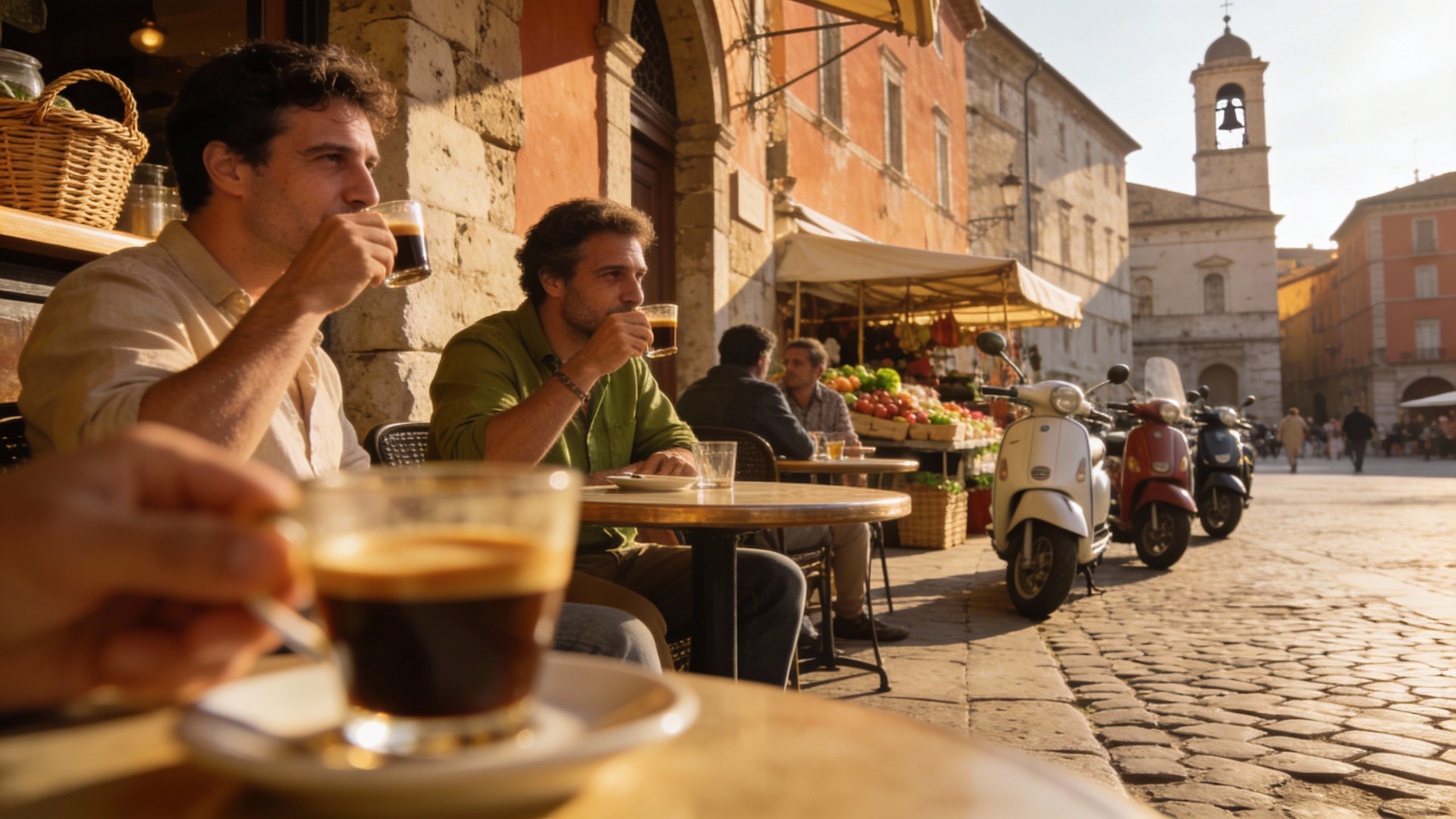
Imagine stepping out for an espresso on Via Roma in a small Sicilian town, then walking five minutes to a market where a kilo of oranges cost less than a designer coffee in Milan. That sense of everyday abundance — slower mornings, sunlit piazzas, and neighbours who know your name — is what draws many internationals to Italy today. But the smartest buyers are no longer flocking only to Florence and Lake Como. They’re looking where value hides: southern hill towns, coastal Ligurian edges and inland Abruzzo villages. We’ll paint the feeling, name streets and cafés, and then give you the practical moves that turn a romantic idea into a secure purchase.
Living the Italy lifestyle (but off the beaten track)
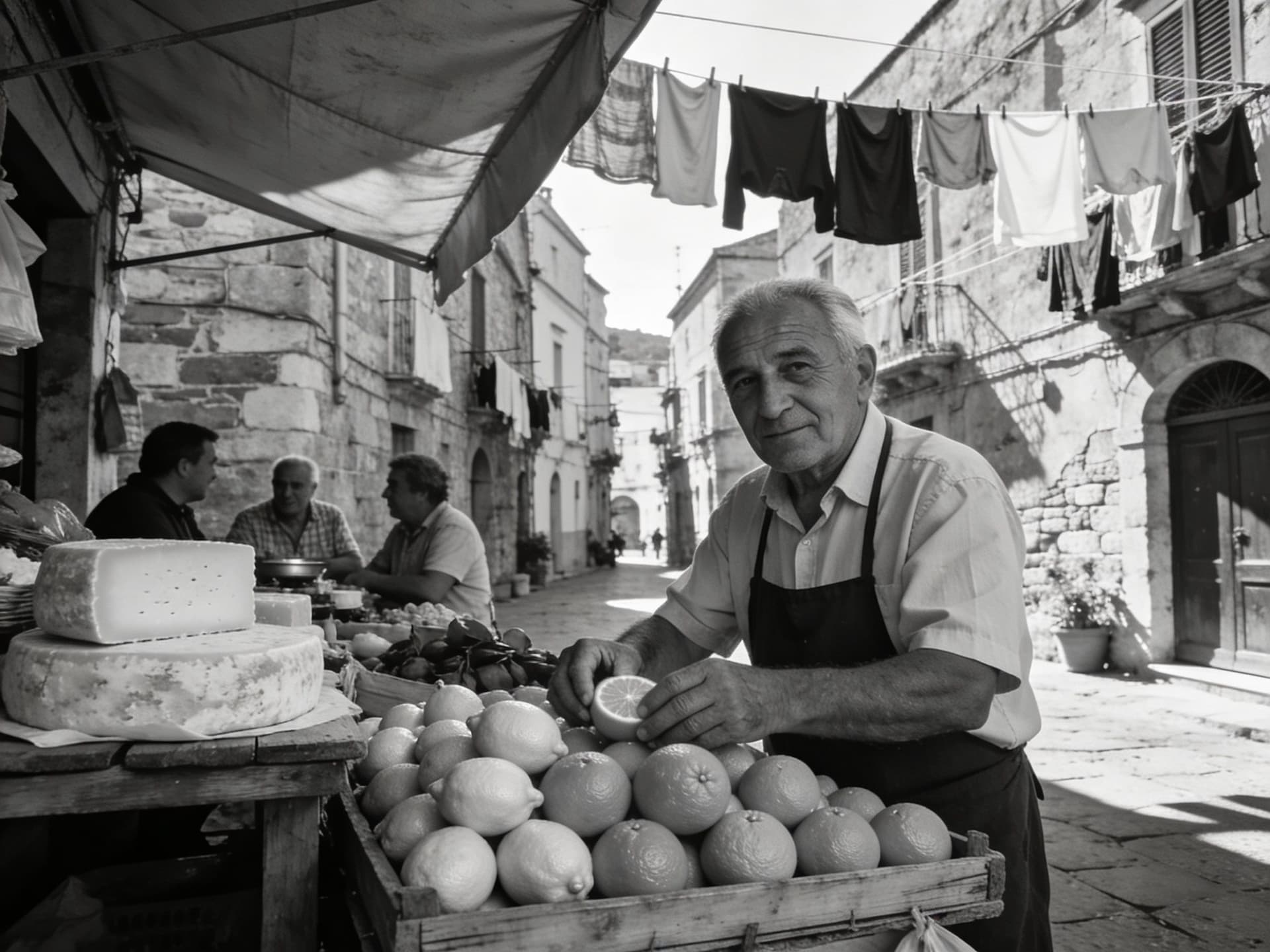
Italy isn’t a single mood — it’s many. Early mornings smell of fresh bread in Palermo’s Capo market, afternoons hum with motorini in Puglia’s Ostuni, and evenings in Liguria’s hinterland glow under vines and olives. For buyers chasing daily life rather than postcard perfection, places like Palermo’s Vucciria-adjacent streets, Puglia’s Ostuni back lanes, or the medieval core of Sulmona in Abruzzo offer cadence, community and surprisingly modern conveniences.
Neighbourhood spotlight: Palermo’s Kalsa & Vucciria
Walk Kalsa at dawn and you meet fishermen, not tourists. Narrow alleys spill onto small squares where cafés roast beans in-situ. Properties here often have high ceilings and original tiling; they need work but the rents for short-stay apartments are strong in the old town. For buyers who want lively street life and lower entry prices than Rome or Florence, Palermo’s core is a contrarian choice that pays in lifestyle and rental demand.
Food, markets and seasons: Puglia to Sicily
From Bari’s fish market to Trapani’s couscous stalls, southern Italy’s food scenes are intensely local and often affordable. Seasonal living matters: truffle season in Piedmont brings crowds and prices; late spring is quieter and better for house-hunting in southern towns. If you want farm-to-table life, aim for properties near weekly markets — they’re the social centres where neighbours meet and local bakers become your morning ritual.
Lifestyle highlights (actual places you can visit)
Stroll Palermo’s Piazza Marina and grab sfincione at Antica Focacceria; explore Ostuni’s white stairways and trattorie; watch fishermen haul nets in Sciacca; buy cheese at Sulmona’s Saturday market; sip aperitivo on Nervi’s promenade near Genoa.
Making the move: practical considerations that match the life

Dreams meet paperwork quickly in Italy. Prices vary hugely by region — think €700/m² in parts of Sicily vs €5,400/m² in central Milan — so choose a region that fits both your lifestyle and budget. Recent market reports show a rebound in sales and rising interest in southern towns, partly driven by remote work and renovation incentives. That makes timing and local knowledge decisive: a street-level price in Calabria can look like a bargain until you factor in renovation, access and services.
Property types and how they suit daily life
Stone village houses reward patience and character but need renovation; seaside apartments deliver immediate lifestyle but face seasonal rental swings; town-centre apartments in regional hubs give connectivity and resale liquidity. Match type to rhythm: restaurateurs love ground-floor spaces near markets; remote workers prioritise reliable fibre and a quiet terrace.
How local experts turn a feeling into a transaction
A local agency does more than show houses. They check flood zones, historical restrictions, and whether a ‘€1 house’ programme actually includes renovation grants or simply a symbolic purchase with heavy obligations. Good agents source off-market stock — crucial in small towns where the best homes never formally list — and connect you with reputable geometra and notary teams.
Practical steps to move from infatuation to offer
1. Spend one slow week in your chosen town outside peak season to test transport, services and noise. 2. Ask an agent for a neighbourhood audit: utilities, internet speeds, emergency services and weekly market hours. 3. Commission a pre-offer technical check (catasto, building permits, seismic class) with a geometra. 4. Get a local notary quote and confirm transfer taxes; align timelines with renovation contractors if needed.
Insider knowledge: what expats wish they’d known sooner
Expat stories repeat a few themes: language barriers slow transactions more than legal differences; renovation timelines are generous but bureaucratic; and energy upgrades materially increase resale value. Programs like the Ecobonus and furniture deductions have changed the renovation calculus, making a tired property suddenly much more attractive if you’re willing to handle paperwork.
Cultural cues that change where you buy
Italians prize piazza-facing apartments and ground-floor shops; in many towns, the baker, butcher and pharmacist are long-standing anchors. If your property is down a dead-end lane, expect quiet — and slower resale. Learn weekday rhythms: many small towns close mid-afternoon and restart after 5pm, so factor shopping and administrative tasks into those windows.
Longer-term lifestyle checks
Ask if the town has medical care within 20 minutes, whether schools suit your family or if seasonal population swings will leave you isolated in winter. Check transport links: a 90-minute drive to an international airport might be fine for seasonal buyers but limiting for commuters or families.
Red flags we see in charming towns
No reliable internet; unrecorded property work; lack of clear road access in bad weather; missing connection to local utilities; and towns where the €1 house scheme imposes unrealistic restoration obligations.
Conclusion: live the life, but do the homework. Italy’s hidden-value towns give you piazzas, markets and more square metres for your money — but only if you match lived experience to legal certainty. Spend time in the place, bring local experts early, and prefer an agency that balances lifestyle sensitivity with forensic checks. If you want, we can point you to agencies who specialise in southern towns, renovation projects and off-market stock — because here, the right local partner turns a dream piazza morning into a secure long-term plan.
British expat who relocated to Marbella in 2012. Specializes in rigorous due diligence and cross-border investment strategies for UK and international buyers.