Italy: Lifestyle First, Then Look for Value
Italy’s lifestyle is the purchase; data tells where value sits. Recent ISTAT figures show price rises, but regional gaps and seasonal dynamics create off‑radar opportunities.
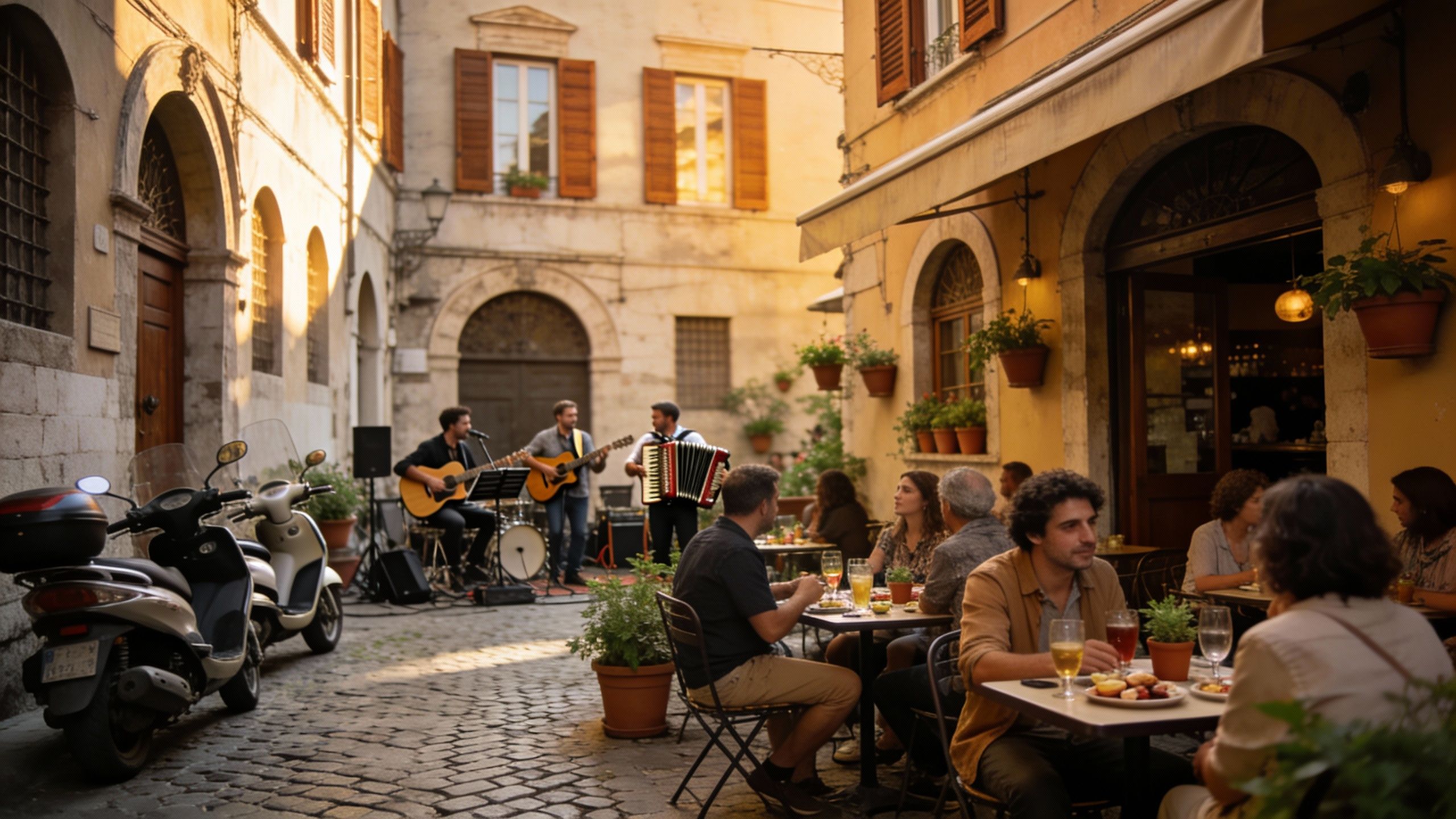
Imagine stepping out to a small bar on Via Giulia in Rome at 9am, coffee steam lifting against a limestone façade, a fishmonger setting up at Campo de' Fiori and the city already moving at its slow, precise Italian pace. That sensory certainty — markets, ritual, neighborhood rhythms — is what draws people to Italy. But the practical truth is more complex: prices have turned, pockets of demand are shifting, and opportunity is emerging in places off the usual radar. We start with the life you want, then test it against today's data so you can decide where to look and why.
Living the Italy lifestyle
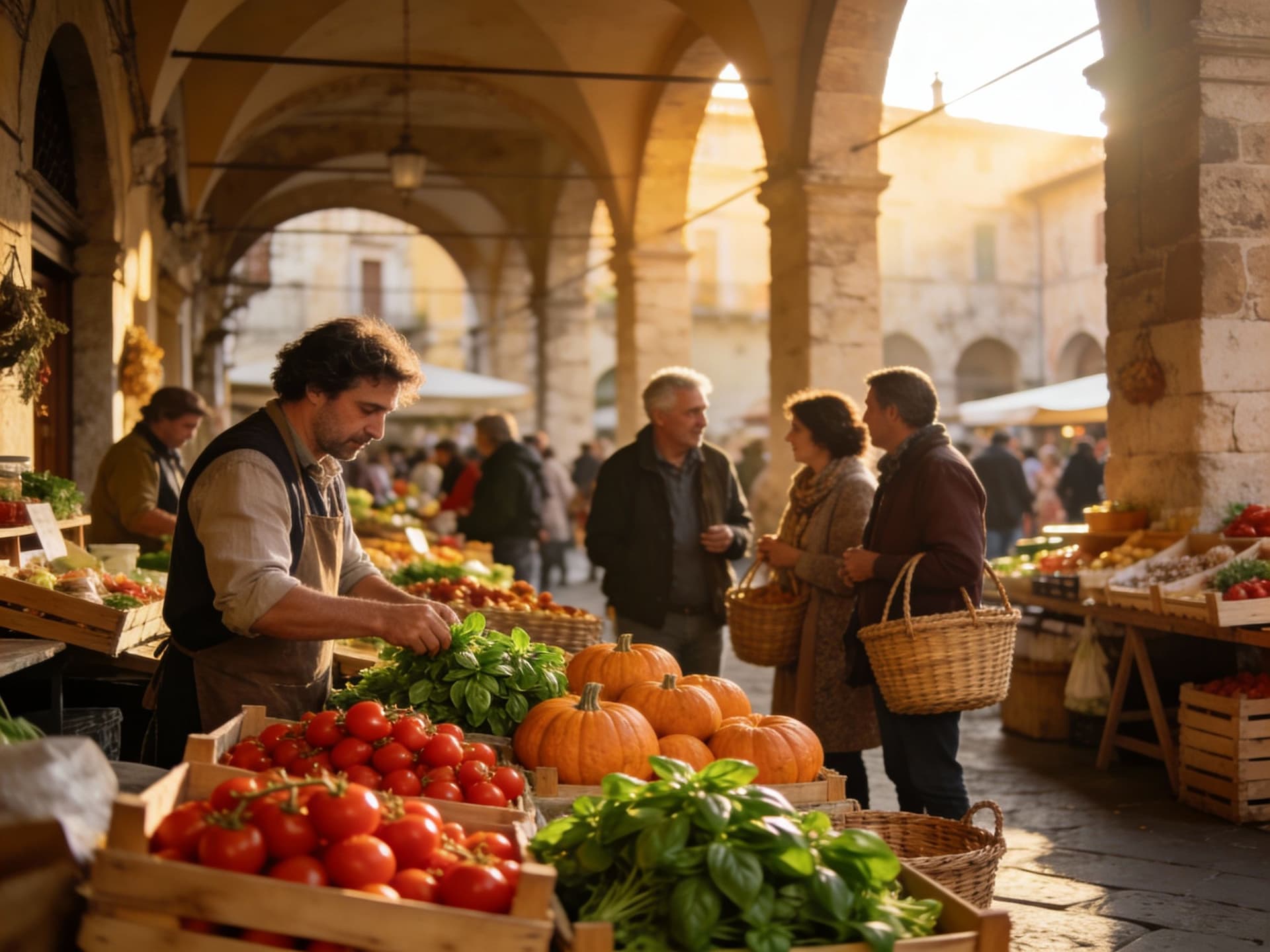
Italy is not a single mood but a series of lived rooms — narrow historic streets in Naples, seaside promenades on the Adriatic, quiet vineyards in Piedmont. Daily life centers on ritual: early espresso, a mid-morning passeggiata, markets that define weekend routines. Recent price momentum is real — national house prices rose year-on-year in early 2025 — yet that increase masks regional divergence and new micro-markets where lifestyle value outpaces headline prices. Understanding those nuances helps you buy the life, not just a view.
Historic cores that still feel like home: Trastevere, Brera, Oltrarno
Walkable neighborhoods in Rome, Milan and Florence offer an architecture-rich day-to-day: bakeries on the corner, evening aperitivo in small piazzas, artisans keeping old trades alive. These places are expensive by headline measures but deliver immediate access to services and social life — essentials if you want to live like a local. For buyers who prize street life over square metres, these cores are worth the premium; for others, a ten-minute tram ride often unlocks the same atmosphere at a lower price.
Coast and countryside: Amalfi, Puglia, Le Marche and Langhe
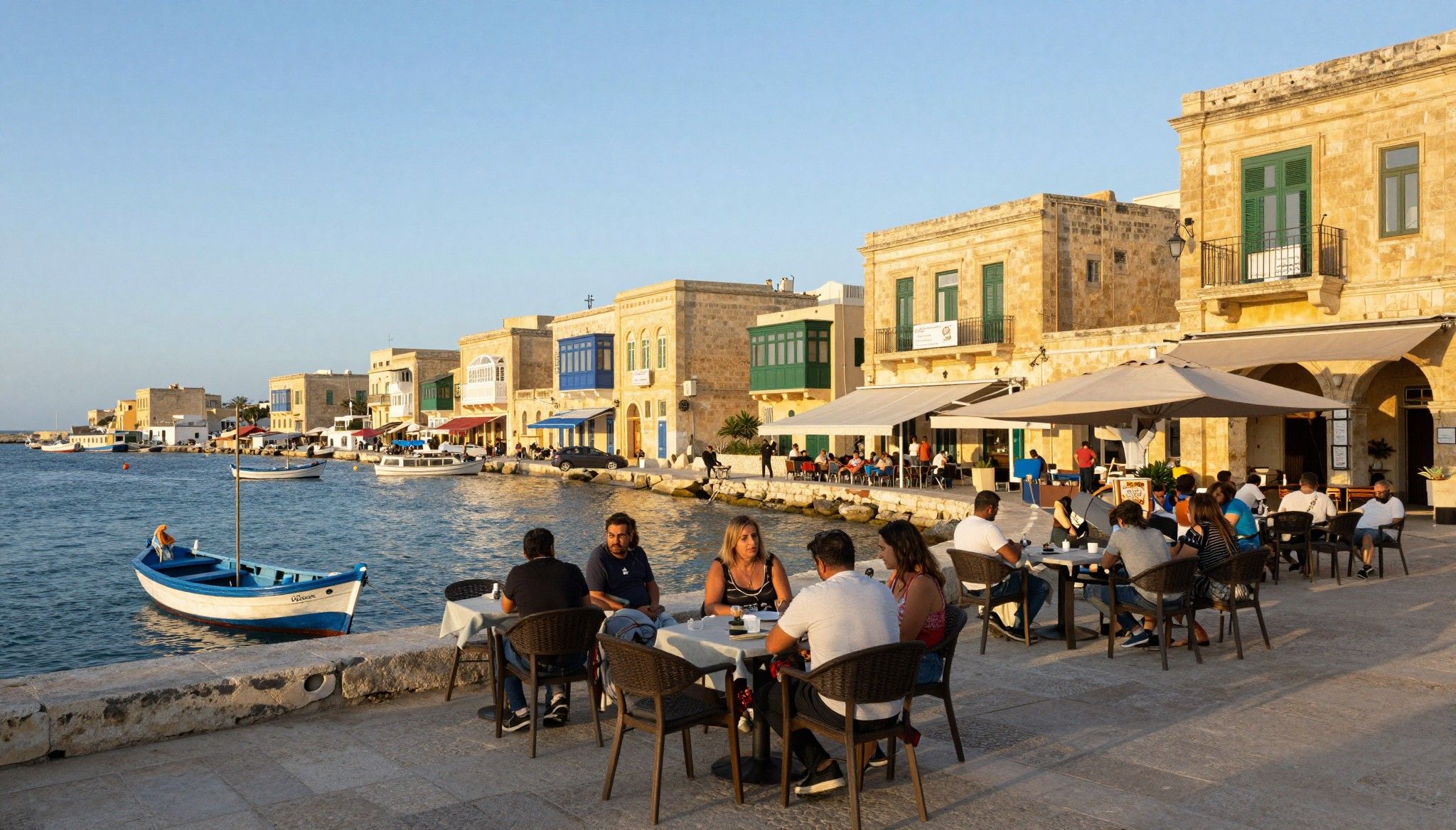
If your dream is terraces, slow meals and vineyards, look beyond the Amalfi postcards to up-and-coming zones: Puglia's Salento towns, Le Marche's hill villages and Piedmont's Langhe. These places offer lower entry prices, seasonal economies that are stabilising with year-round remote workers, and tangible community life. Investors and lifestyle buyers are increasingly choosing smaller towns that offer good connectivity to bigger cities, creating local demand that supports both living and resale potential.
- Lifestyle highlights to taste the place immediately
- Morning espresso at Caffè Sant'Eustachio, Rome — ritual and people-watching
- Saturday mercato at Mercato Centrale, Florence — produce, conversation, fresh pasta
- Sunset aperitivo on Lungomare Trieste, Bari — sea air and local seafood
Making the move: practical considerations

Your lifestyle choice narrows the practical questions: renovation tolerance, availability of services, and how seasonal a town is. National statistics confirm rising prices and increased transaction volumes, yet local inspectors, architects and agents determine whether a property actually suits year-round life. Before you commit, test three realities: how winter feels, how local services perform off-season, and the local rental demand if you plan to let the property.
Property styles and how they shape daily life
Historic apartments bring charm but often require structural work and careful systems upgrades — heating, insulation and plumbing are common projects. Modern builds offer comfort and lower short-term maintenance but can be isolated from street life. If you want a lived-in neighbourhood, prioritise stone thresholds, balconies and street-facing windows; if you want low-maintenance living, look to newer developments near transport hubs.
Working with local experts who understand lifestyle fit
Select agents who can show you what everyday life looks like at different times: a weekday morning, a Sunday market, and a January evening. Ask for neighbourhood dossiers that include service maps, noise profiles, and sample utility costs. Good agents introduce you to tradespeople and a notary experienced with non-resident buyers — this reduces friction and reveals hidden costs before contracts are signed.
- Six practical steps that blend lifestyle and transaction clarity
- Visit at least once in low season to test services and winter life.
- Commission a local technical survey before offer; older properties often hide costly works.
- Confirm transport times to the nearest regional airport and mainline rail station.
- Ask your agent for comparative rents if you plan part-time letting — seasonal demand varies sharply.
- Budget 10–20% of purchase price for immediate works on historic homes (ratios vary by region).
Insider knowledge: what expats wish they'd known
Expats often arrive charmed and then discover small frictions: local opening hours, bureaucracy, and seasonal service reductions. Data shows national price increases continue but with slowing growth in some regions — that means timing matters and local knowledge pays. The smartest buyers mix sensory reconnaissance with hard facts: read local sales data, confirm recent comparable sales, and meet neighbours.
Language, community and real integration
Basic Italian eases daily life and unlocks community access: the barista remembers you, the butcher explains seasonal cuts, the council clarifies permits. Many towns have active international groups, but true integration comes from repeated, small civic acts — market loyalty, local clubs, and volunteering. Expect the pace of integration to be measured; relationships are formed gradually and are worth waiting for.
Longer-term lifestyle and value considerations
Think five to ten years ahead: will the town attract remote workers, are public investments planned, is transport improving? Regional regeneration in secondary cities is creating a new category of buyers who want culture without the Milan price. Use planning documents and recent investment announcements to judge whether your lifestyle choice will retain its appeal and resale value.
- Red flags local buyers and expats report
- No central heating in a northern town where winters are harsh.
- Unclear property title or unpaid condominium charges.
- Properties marketed as “near the sea” but with limited access or seasonal utility.
If you want to fall in love and buy sensibly, live the place first and then quantify it. Walk the streets at different hours, ask simple practical questions, and insist on recent comparables from your agent. Work with a notary and a technical surveyor who will put the local realities into numbers. The lifestyle should be the decision’s heart; the data should steady the hand.
Swedish expat who moved from Stockholm to Marbella in 2018. Specializes in cross-border legal navigation and residency considerations for Scandinavian buyers.