Italy: Buy for the Street, Not the Headline
Italy’s property story is local. Pair lifestyle scouting —markets, cafés, and neighbourhood rhythm— with micro‑market data and local advisors to buy with confidence.
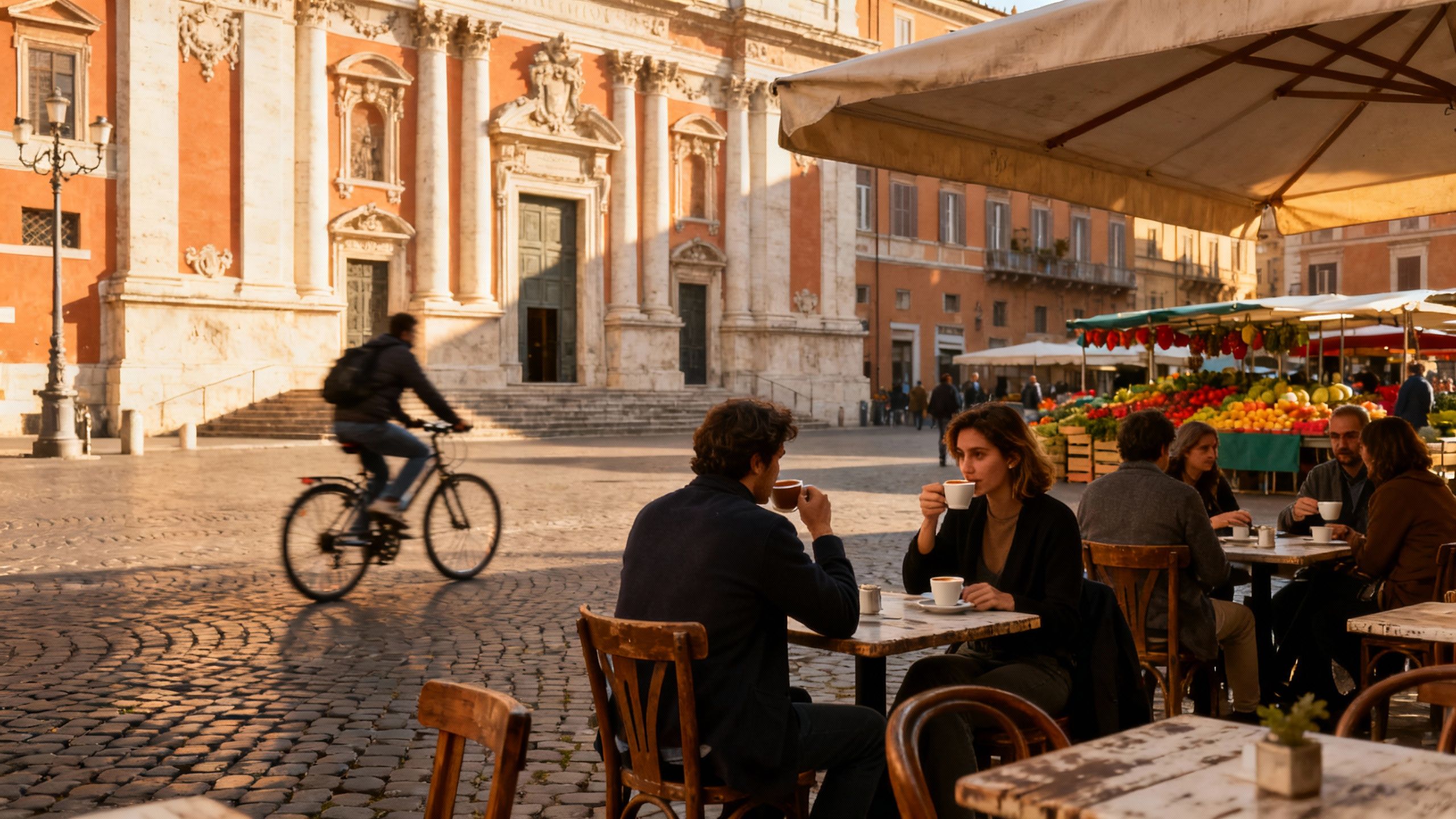
Imagine a winter morning in Matera: steam rising from a café cup, limestone alleys emptying into a piazza where a few locals greet each other by name. Picture a late-summer evening in Lecce, where baroque façades glow under streetlamps and neighbors gather for an aperitivo. Italy is not one mood but many —a mosaic of daily rituals, regional rhythms and neighbourhood truths that matter more than headline prices.
Living the Italy lifestyle: rhythm, food and places that matter
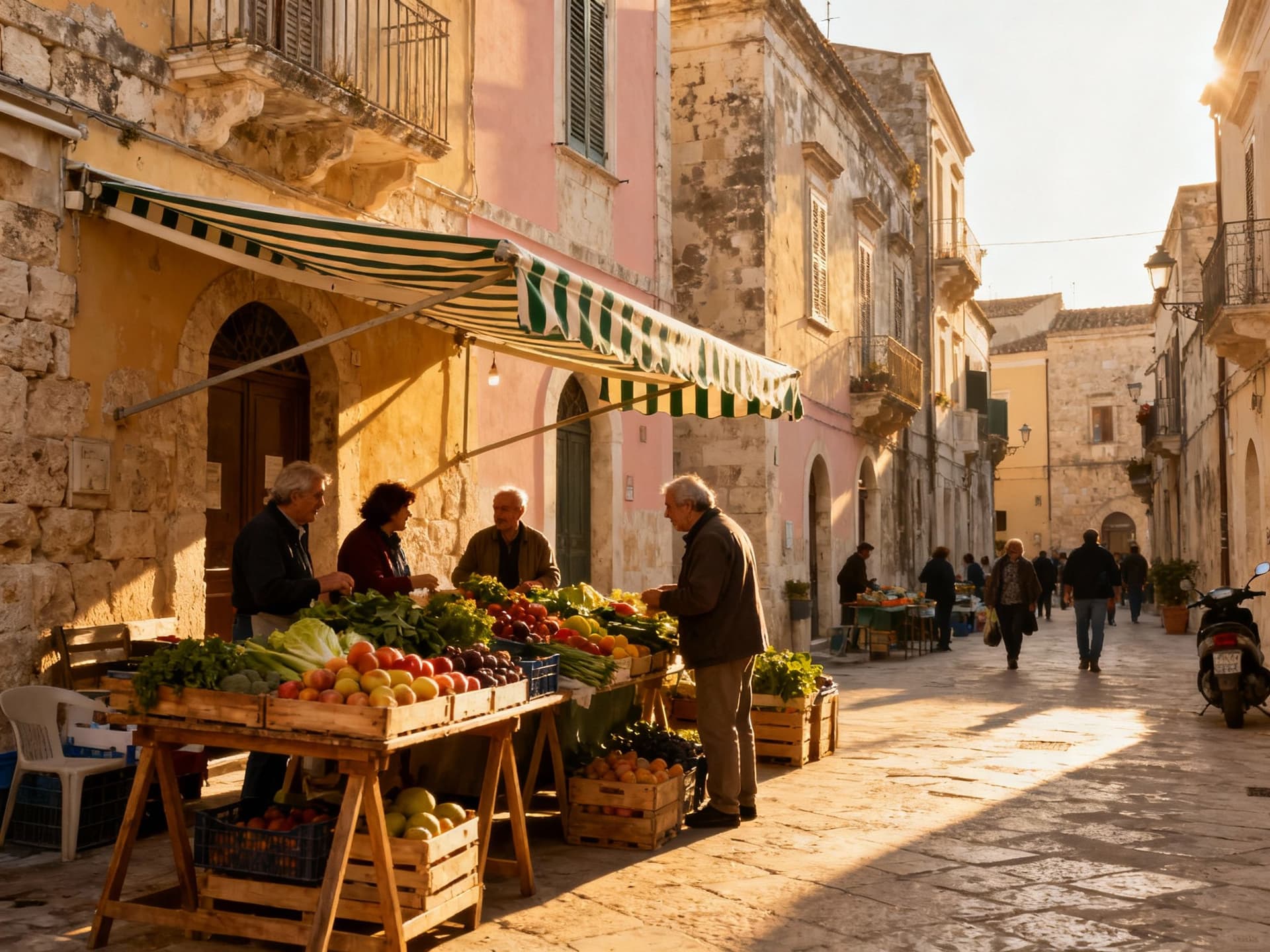
Life in Italy moves in neighbourhood increments: your corner café, the market day, the church bell, the grocery where the butcher knows your order. In cities like Milan and Florence the day begins fast and stays active; in inland towns like Orvieto or the borghi of Basilicata the cadence is slow and local. For an international buyer, choosing a town changes how you spend your time — whether you want weekday coworking in a piazza or Sundays at a coastal seafood trattoria.
Neighborhood spotlight: Trastevere (Rome) vs Navigli (Milan) vs Oltrarno (Florence)
Trastevere still smells of espresso and frying garlic; small grocery shops and narrow lanes define its mornings. Navigli’s canals shape evening life —bars, galleries and a design-minded crowd. Oltrarno is where artisans work wood and leather; terraces and small workshops keep the area lived‑in rather than packaged. Each quarter has a clear personality and — critically for buyers — different expectations about renovations, noise and local services.
Food, market life and seasonal rituals
Markets shape daily life: in Palermo’s Ballarò you buy fish and argue prices, while in Modena a morning passeggiata may end with balsamic‑scented tastings. Seasonal festivals —sagra del tartufo in Alba or truffle fairs in Umbria— alter rental demand and local momentum in ways a price chart won’t show. If you want life that smells of wood smoke and fresh bread, look at smaller towns where the market still defines the weekend.
- Lifestyle highlights to scout on visits
- Saturday market presence: is there a local mercato within walking distance?
- Cafe culture: named cafés and times when locals gather (not just tourist hotspots).
- Transport rhythm: regional train frequency and real commute times to larger centres.
- Service footprint: local healthcare, municipal hours, and whether official services close midweek.
Making the move: practical considerations that preserve the lifestyle

Recent national data show modest price gains year‑on‑year and rising transaction volumes, but regional differences remain stark. ISTAT reports a 4.4% year‑on‑year rise in Q1 2025 while volumes increased—a reminder that headline growth masks strong local divergence. For lifestyle buyers, this means evaluating micro‑markets: a renovated flat in a historic centre can perform very differently to a countryside villa in a depopulating commune.
Property types & how they shape daily life
Historic apartments come with high ceilings, thick walls and a council of conservation rules. Country farmhouses offer land and privacy but add heating and maintenance chores. Modern developments give predictable systems but often lack the social texture of an old neighbourhood. Match type to rhythm: if you want street life, accept compact spaces and communal staircases; if you want garden dinners, budget for utilities and a second set of keys for caretakers.
Working with local experts who know both the ledger and the life
Local agents and architects translate lifestyle wishes into realistic property lists. They can flag municipal incentives —from renovation grants to relocation bonuses— that materially change affordability. For example, some Sicilian and southern towns now offer subsidies or discounted listings, but these come with residency or renovation conditions. Work with advisors who can read municipal ordinances and manage contractors as well as market comparables.
- Steps to align lifestyle goals with property choice
- Define your weekly rhythm: commuting needs, nearest market, and health services.
- Shortlist neighbourhoods and spend time there at different times of day and week.
- Ask agents for named references —neighbours, local café owners, or a parish priest— to confirm the social scene.
Insider knowledge: what expats wish they’d known before buying
Expats commonly underestimate two things: seasonal variation in life and the hidden cost of 'authentic' restoration. A seaside town can be empty and quiet eight months a year; a restored stone house can reveal structural surprises after the first winter. Local rhythm matters more than view premiums when choosing a property you will actually live in year‑round.
Cultural integration, language and community dynamics
Learning Italian opens household networks: tradespeople, neighbours and municipal offices respond differently to someone who speaks. In many villages an introduction from a local shop owner or mayor accelerates access to services. Expat groups exist, but deep integration still runs on local relationships —language lessons are a practical investment, not an idealistic extra.
Longer‑term lifestyle realities and resale signals
If you plan to rent, test the seasonality: how many nights do comparable properties actually rent in shoulder months? Check building services and legal constraints —heritage protections can limit alterations and increase costs. For long-term comfort, prioritise insulation and heating systems in older homes; these are where budgets expand beyond the purchase price.
- Red flags to notice on viewing days
- Inconsistent utility meters, missing cadastral records, or unclear property plans.
- Municipal restrictions on short‑term rentals if you plan seasonal lets.
- Evidence of subsidence or water ingress —especially in basements and cellars.
Italy is regionally diverse but consistent in one way: life is lived locally. A property purchase is less about a country and more about a street, a market and a group of neighbours. Approach buying as a search for daily rhythms, then layer in legal and fiscal checks. That keeps the dream practical and protects you from surprises.
Next steps: spend time in your shortlisted neighbourhoods, secure a local agent with verifiable references, and commission a technical survey before making an offer. Italy’s recent data show growth in transactions even as prices vary regionally —choose a micro‑market where the lifestyle aligns with long‑term value. Speak with lawyers and architects who work in the same town you intend to buy in; their local knowledge is the most accurate predictor of renovation cost and timeline.
Norwegian market analyst who serves Nordic buyers with transparent pricing and risk assessment. Specializes in residency rules and tax implications.