Lived‑in Italy: Neighbourhoods, Markets and Real Value
Italy’s regions offer lifestyle-led value: pick a neighbourhood by ritual (market, café, piazza), then back it with regional price data and local expertise.
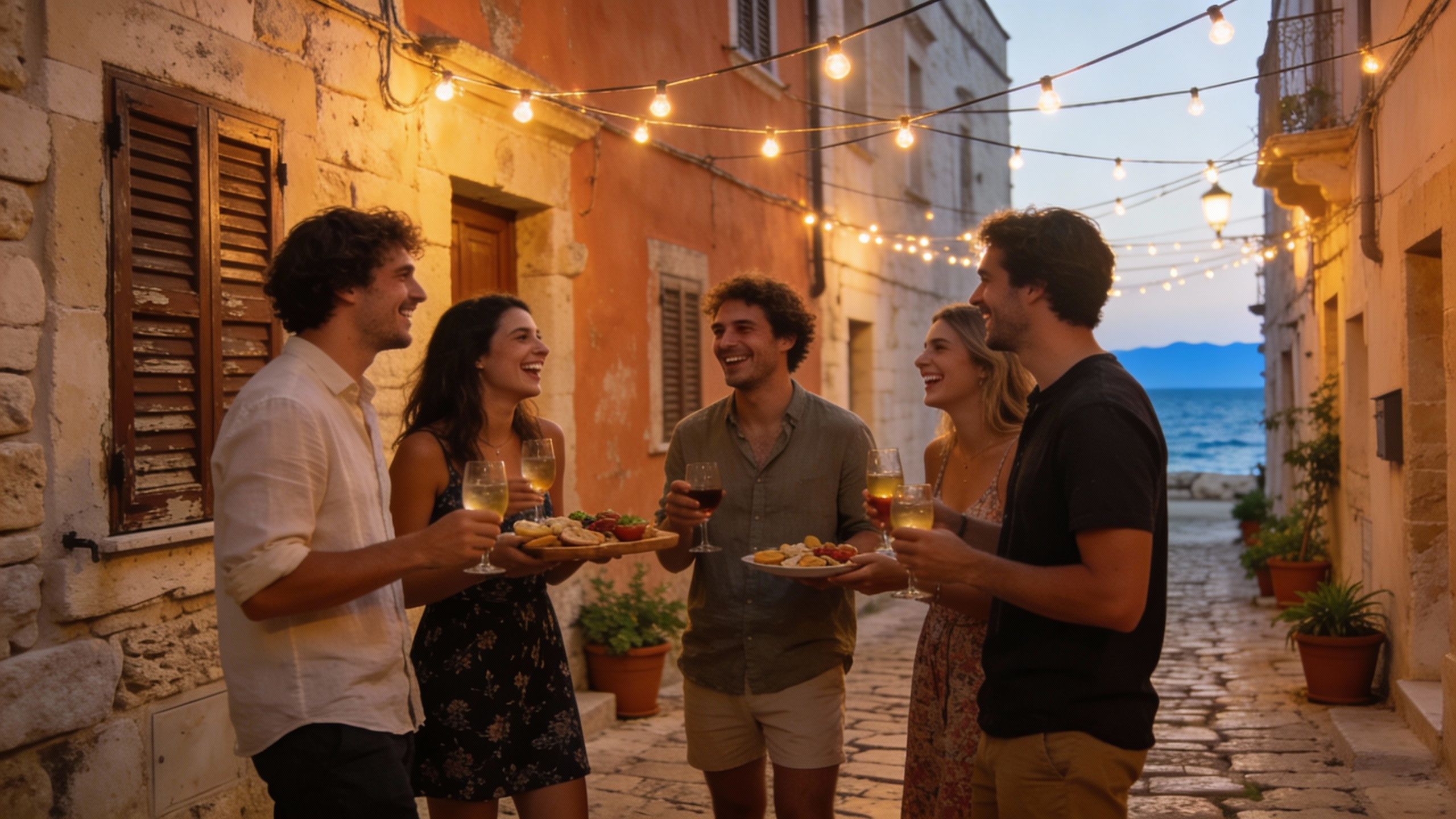
Imagine wandering down a sun-warmed street in Puglia at 9am, espresso in hand, passing a woman stacking fresh burrata into paper before the market opens. Picture weekend hikes above olive groves in Abruzzo, or a November afternoon in Trastevere where the light slants across ancient brick and a small bar still serves lunch like a ritual. Those everyday scenes are why people move to Italy — and they matter just as much to your purchase decision as price per square metre. Recent market analysis shows regional divergence: some cities are rising fast while many southern towns remain strikingly affordable.
Living the Italy lifestyle
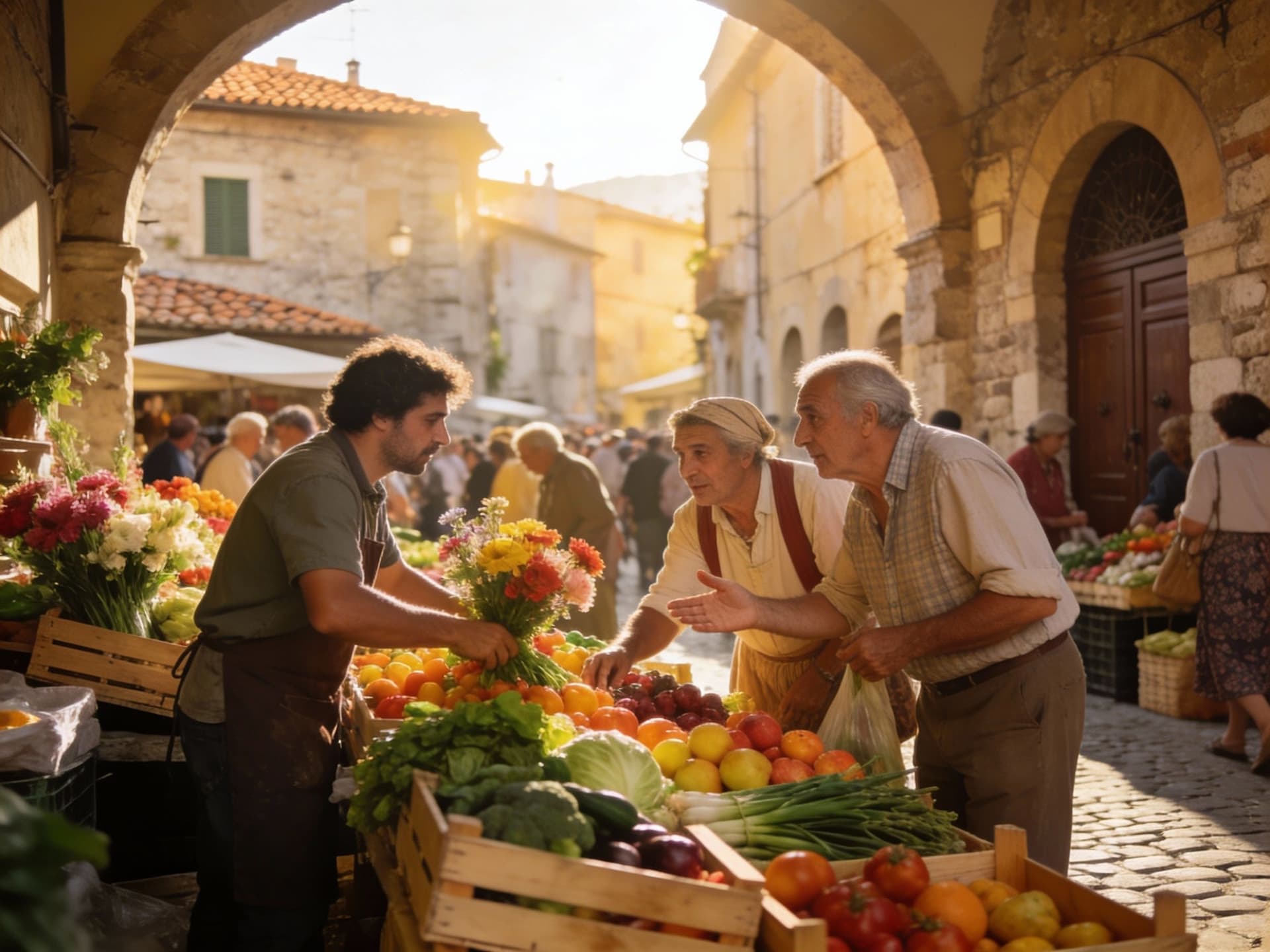
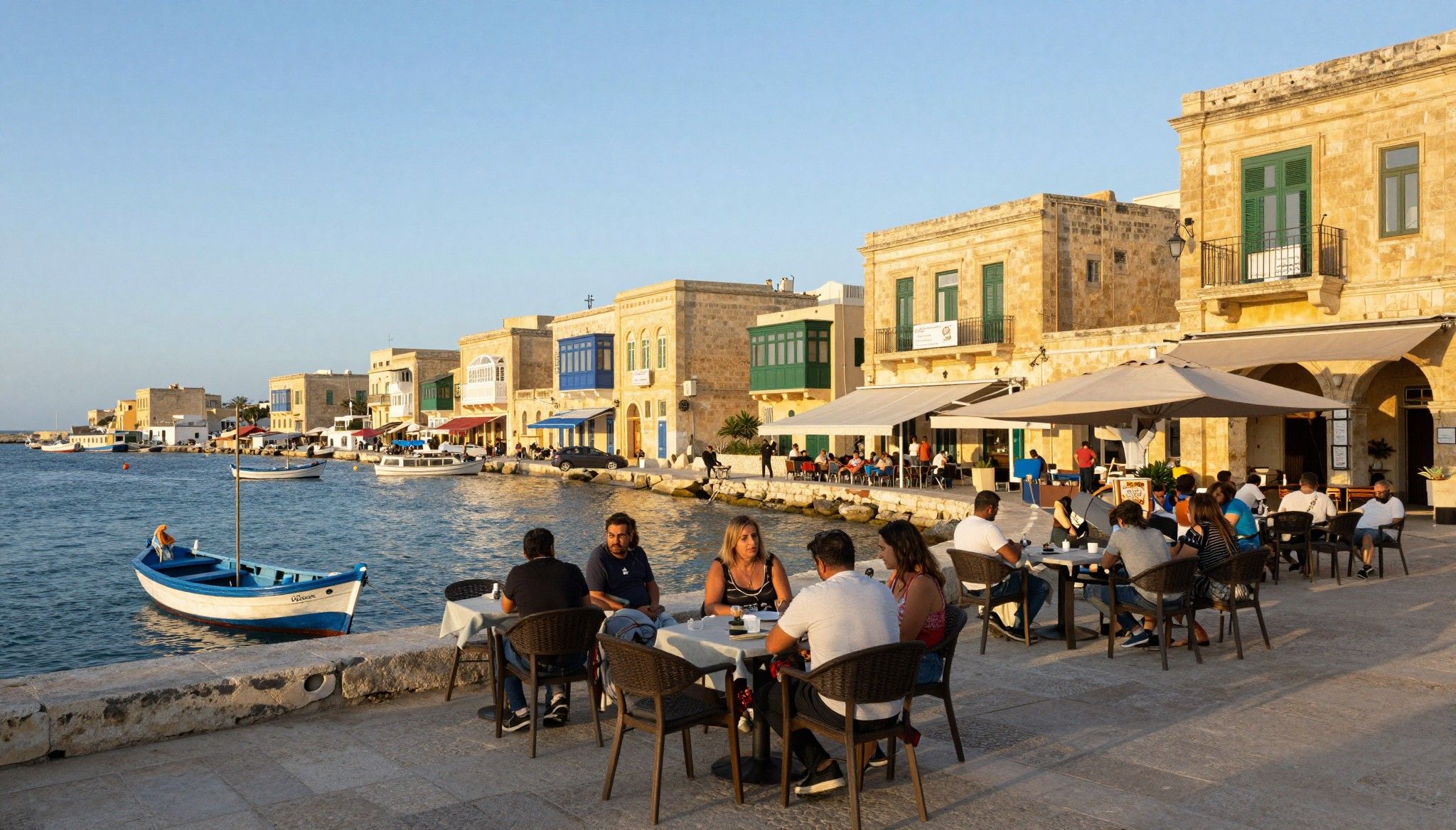
Living in Italy is a rhythm more than a checklist: morning coffee at the bar, a mid‑day riposo in smaller towns, and long evenings that gather friends on terraces. Neighborhoods feel like small ecosystems — each piazza, market and bakery sets the tempo for daily life. From the cool, disciplined squares of Milan to the languid seafront promenades of Salento, where you buy defines what you will actually do with your days. Expect to trade some modern conveniences for authenticity in older centres — and to find surprising services in places foreign buyers often dismiss as 'rural'.
Neighborhood snapshots: where locals live and breathe
Walk into Navigli in Milan for people-watching, late aperitivi and canalside life; cross to Isola for small ateliers and a quieter morning crowd. In Puglia, towns like Ostuni and Monopoli are vivid — whitewashed streets, family-run osterie and markets that set the week. Rome’s Trastevere still feels like a village inside a capital, while Bologna’s Santo Stefano offers porticos, student energy and reliable neighbourhood commerce. These are the places where you’ll shop, socialize, and plug into community — they’re also the micro-markets that push or pull prices locally.
Food, markets and the everyday rituals that decide neighbourhood value
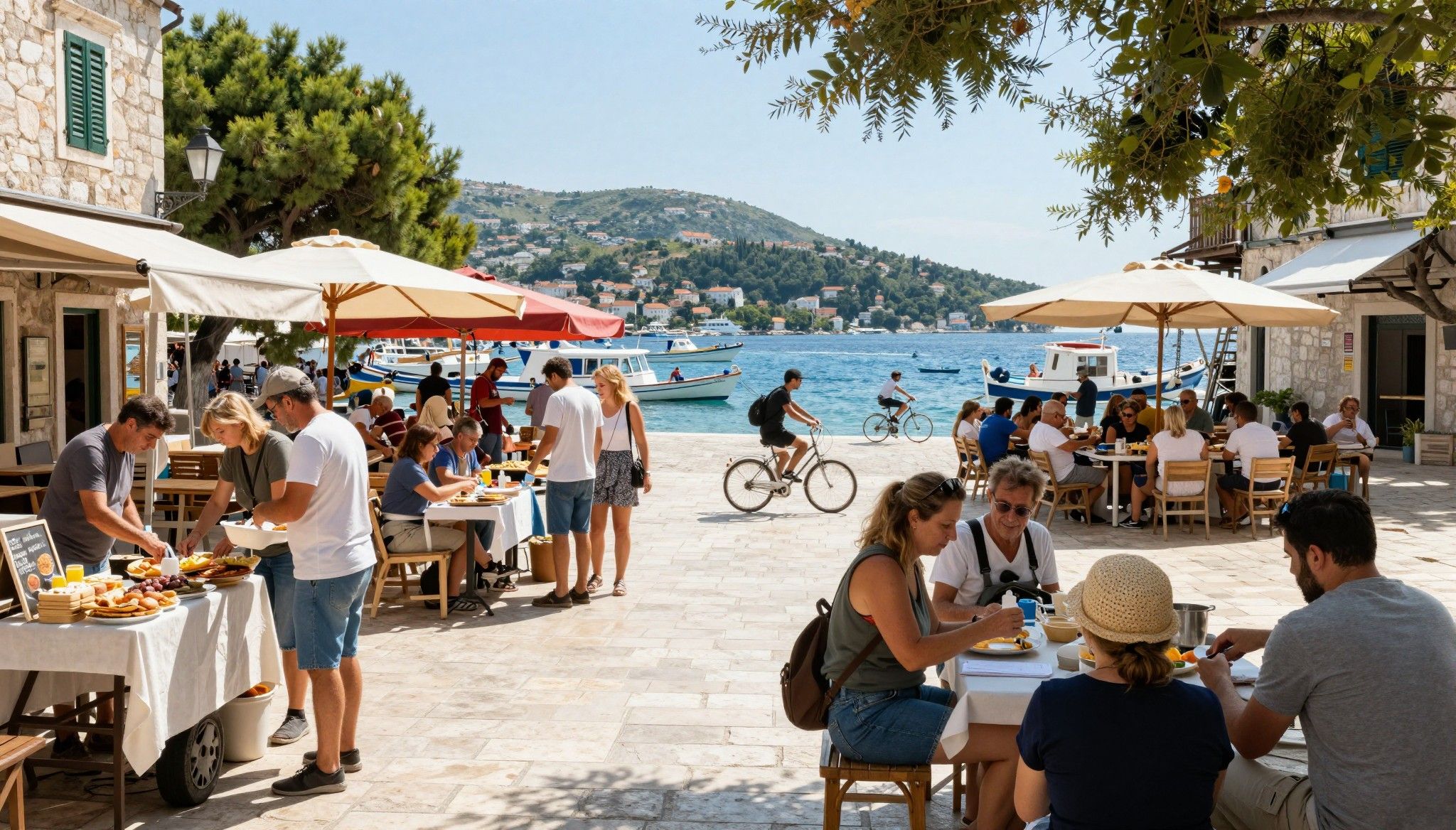
Markets and restaurants do more than feed you: they anchor rental demand and day‑to‑day life. Regions like Puglia have seen surging interest from buyers exactly because of their food scenes and village rhythms, a trend noted by international press. That spike in demand is visible in search volumes and in pockets where renovated trulli and farmhouses now trade at premium prices. If you want to live like a local, pick a micro‑market where the market, bakery and barber are within easy walking distance — those are the same signals local buyers rely on.
Daily life highlights worth mapping before you buy:
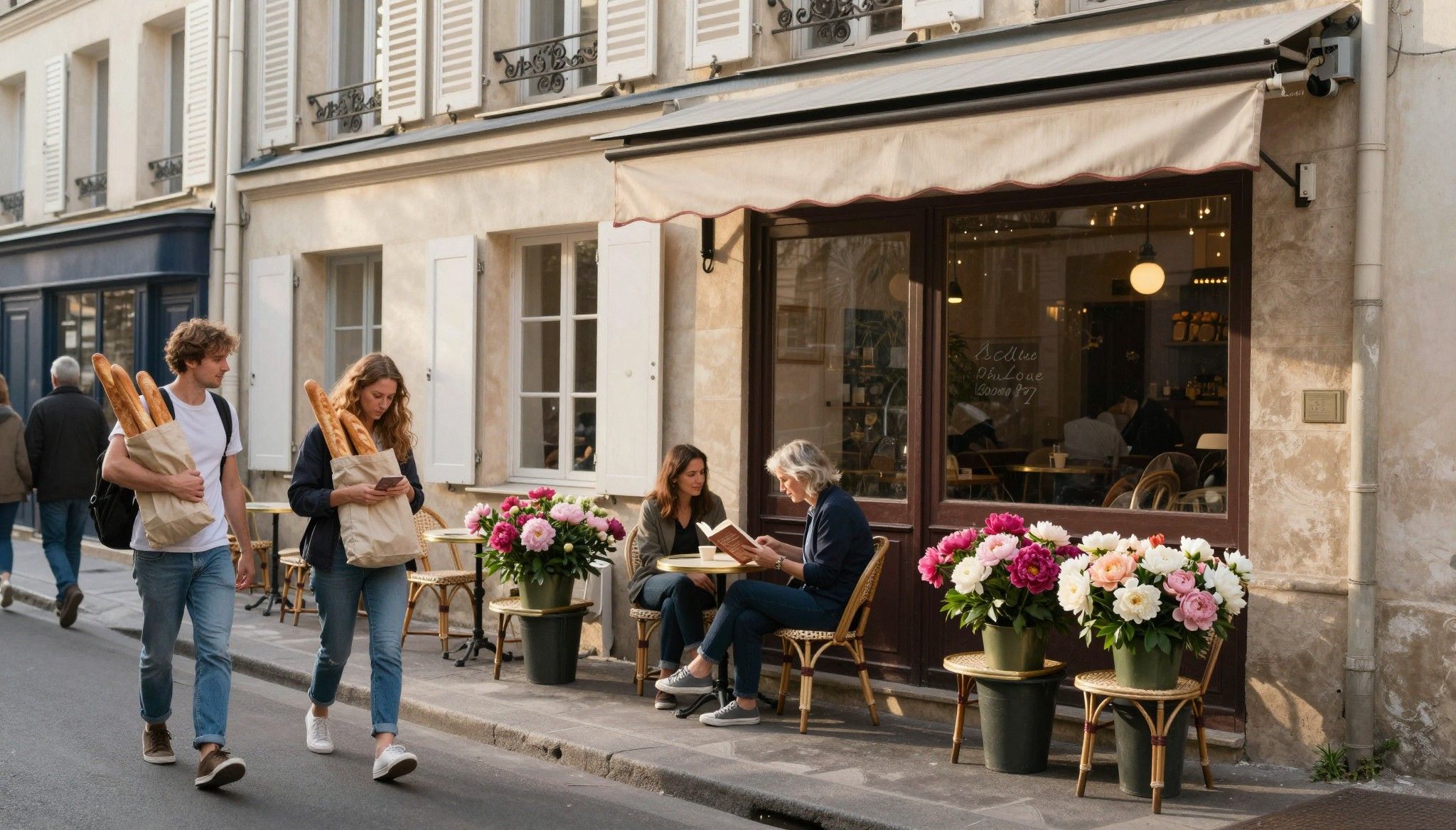
Morning espresso at Bar San Calisto (Trastevere, Rome); a tiny ritual that signals local life.
Saturday produce at Mercato delle Erbe (Bologna) for fresh, budget‑friendly groceries and social weaving.
An afternoon walk along Lungolago Como to test transport, cafés and quiet‑hour patterns.
Making the move: practical considerations that protect the lifestyle
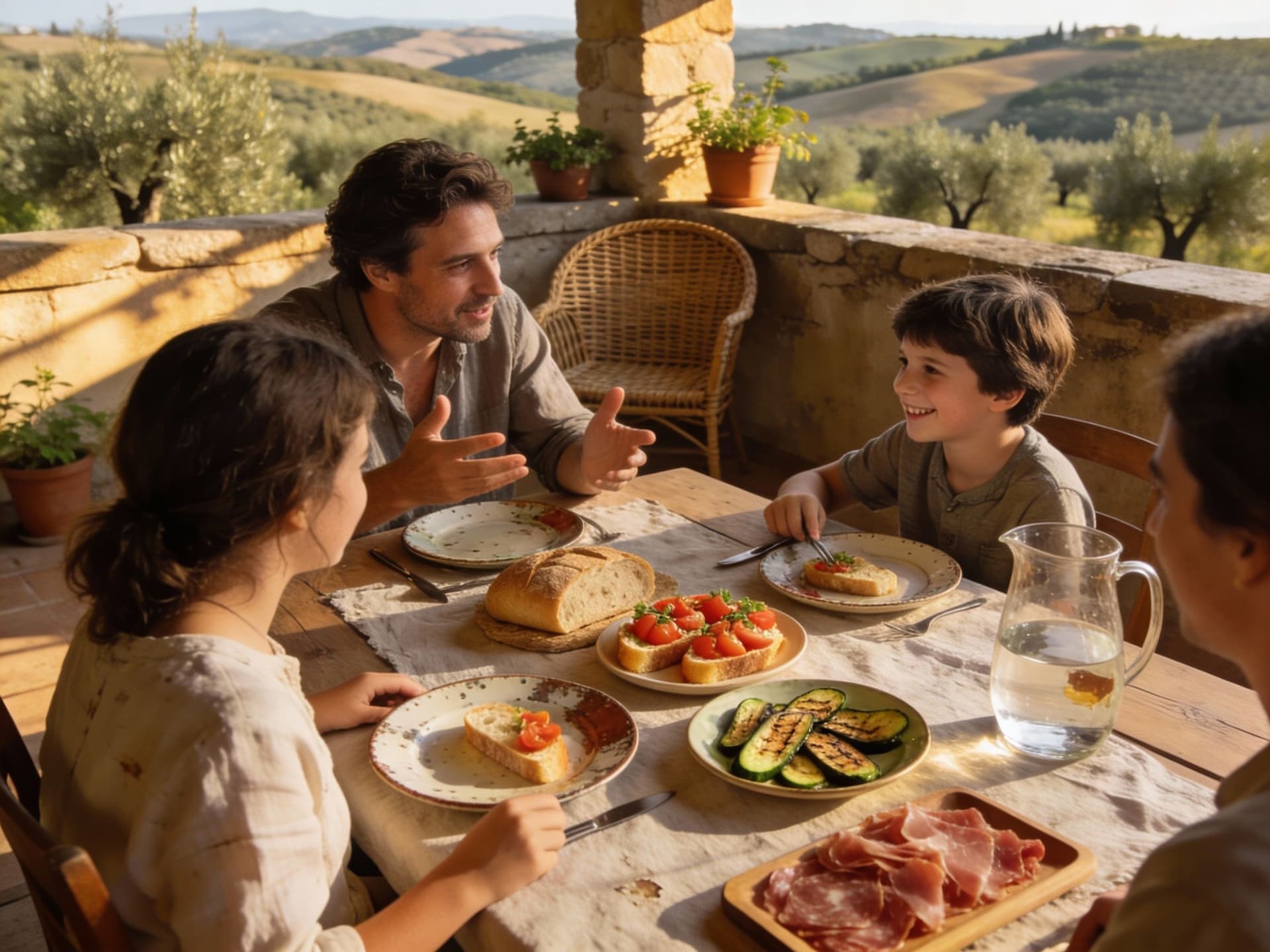
Dreams start with lifestyle, but contracts, local rules and seasonality shape whether those dreams last. Regional price dispersion in Italy is wide — Milan and Venice command high €/m² while Calabria and Molise sit near the bottom — so your decision should balance lifestyle against long‑term affordability. Recent market reports recommend searching beyond headline cities: smaller provincial towns can offer authentic daily life with lower entry prices. Work with agents who know both the piazza and the paperwork; that’s how you find a home that lives like a home, not a museum piece.
Property types and the life they actually support
A restored stone cottage in Le Marche gives you outdoor space and a tight-knit village life but often lacks modern insulation or broadband without retrofit. City apartments in Milan or Rome deliver fast services, coworking options and nightlife, but smaller floorplans and higher condominium fees. Coastal homes in Liguria or Salento are perfect for a seasonal rhythm — busy summers and quiet winters — which matters if you want year‑round neighbours. Choose a property style for the life you want to lead every day, not just the holiday version of yourself.
Working with local experts who match lifestyle to legal reality
You need an agent who can show you where the café crowds are, then hand you a notaio who will read the deed in full and flag boundaries, servitudes and permitted uses. Local architects or restorers are essential if you buy a period property — many older buildings require specific approvals for changes. Ask agencies for recent examples: properties they sold in the last 12 months, the actual sale price, and who managed post‑sale works. Those proofs separate talk from results and keep your lifestyle plans achievable.
Steps that blend lifestyle and due diligence:
Visit the neighbourhood at different times of day to test noise, traffic and market life.
Ask for three comparable recent sales within the same block, not the whole city.
Confirm utilities, broadband speeds and planning constraints before making an offer.
Insider knowledge: what expats wish they'd known
Expats often underestimate local rhythms: municipal hours, riposo, and the centrality of cafés to social life. They also underappreciate demographic trends — parts of Italy face population decline while some touristised villages see rapid seasonal demand — and that mix creates both bargains and hidden maintenance costs. Knowing which towns have active municipal incentives for new residents or tax schemes for pensioners can be decisive. Use local demographic and price data to see whether your dream location has a sustainable community beyond holiday seasons.
Language, community and making a home
You do not need perfect Italian on day one, but a willingness to learn unlocks doors — literally and socially. Smaller towns reward effort: shopkeepers, bakers and the local council will help those who try. Expat groups in cities like Milan, Bologna and Florence are active, but in provincial centres you’ll integrate faster by volunteering at a market or joining a language exchange. That social network becomes both your support and your best source for local contractors, schools and healthcare tips.
The long view: how life (and value) evolves after you move
Properties in well‑connected provincial towns often appreciate as infrastructure and amenities follow steady in‑migration. Alternatively, holiday‑heavy spots can plateau or fall in value if regulations change on short‑lets or tourism slows. Think five to ten years ahead: do you want a neighbourhood that remains lively in February as well as August? Planning for services, healthcare access and schools now will make your day‑to‑day life sustainable and protect resale value later.
Red flags local buyers watch for:
A property sold repeatedly at low margins — often a sign of recurring structural or legal issues.
Unclear boundaries or missing cadastrale documents: these create expensive surprises.
Municipal restrictions on holiday rentals in tourist towns; always ask the Comune early.
Conclusion: Italy is a mosaic of lifestyles and markets, and that richness is why many international buyers fall for it. Start with the life you want: the daily shops, the bar you’ll sit in, the market you’ll visit, then match that vision to local data and a team who can prove recent results. Use regional price tables and municipal information to prioritise towns where lifestyle and long‑term value align. When you’re ready, we can introduce you to local agents, notaries and restorers who care about the life behind the sale.
Danish investment specialist who relocated to Costa del Sol in 2015. Focuses on data-driven market timing and long-term value for Danish buyers.