Malta: Life, Local Signals and What Buyers Miss
Malta blends heritage, English‑friendly life and concentrated demand. Buyers should pair lifestyle wishes with yield data, residency updates and specialist local advice.
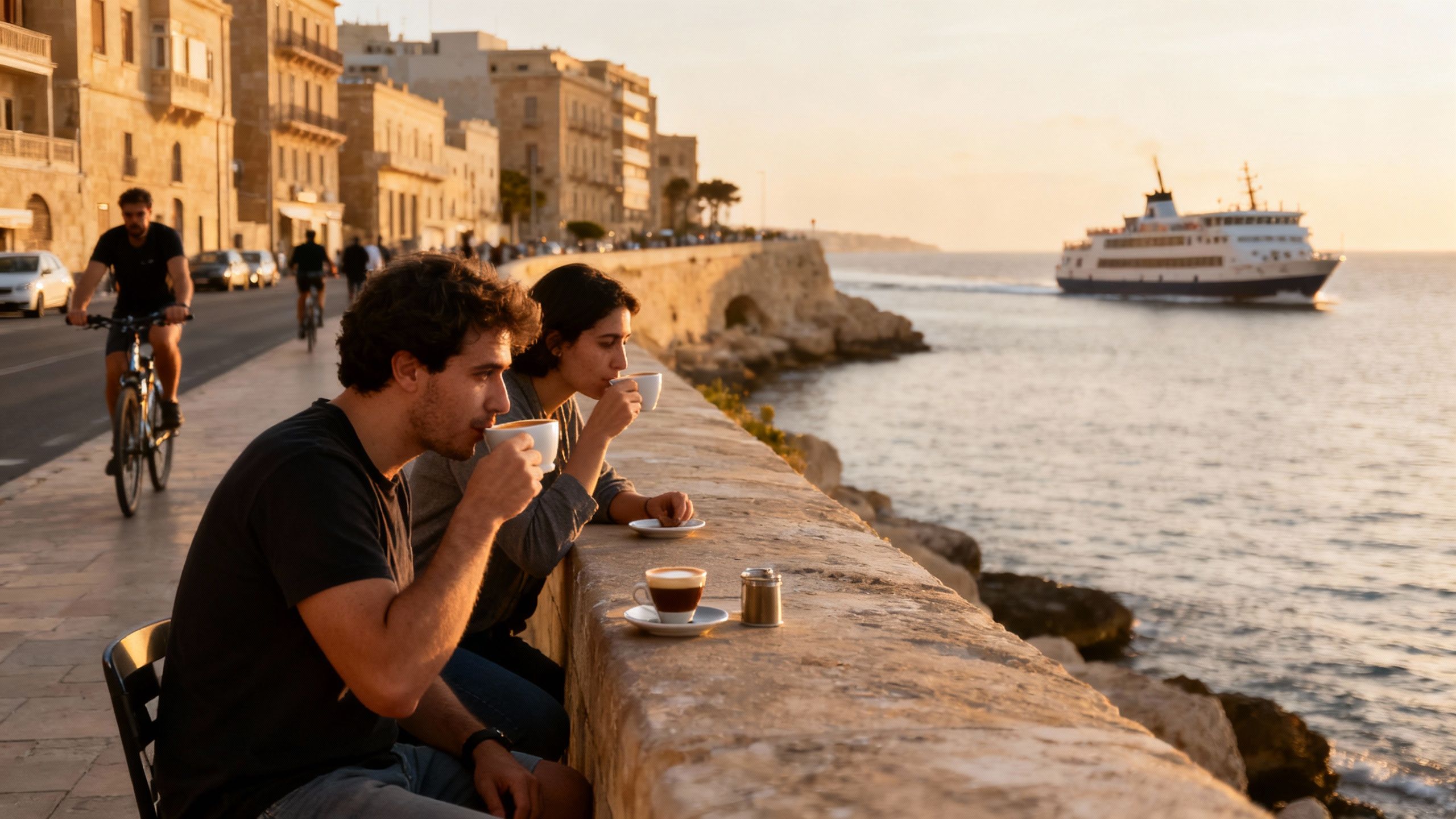
Imagine starting a morning in Valletta: coffee at a pavement table on Strait Street, limestone catching the first light, ferries slipping into the Grand Harbour and neighbours greeting each other by name. That compact, tactile quality — urban, coastal, social — is what draws people to Malta. But feeling at home here and making a sound purchase are different things. This piece pairs the lived pleasures of Maltese life with the concrete signals international buyers need to decide where, when and how to buy.
Living the Malta lifestyle
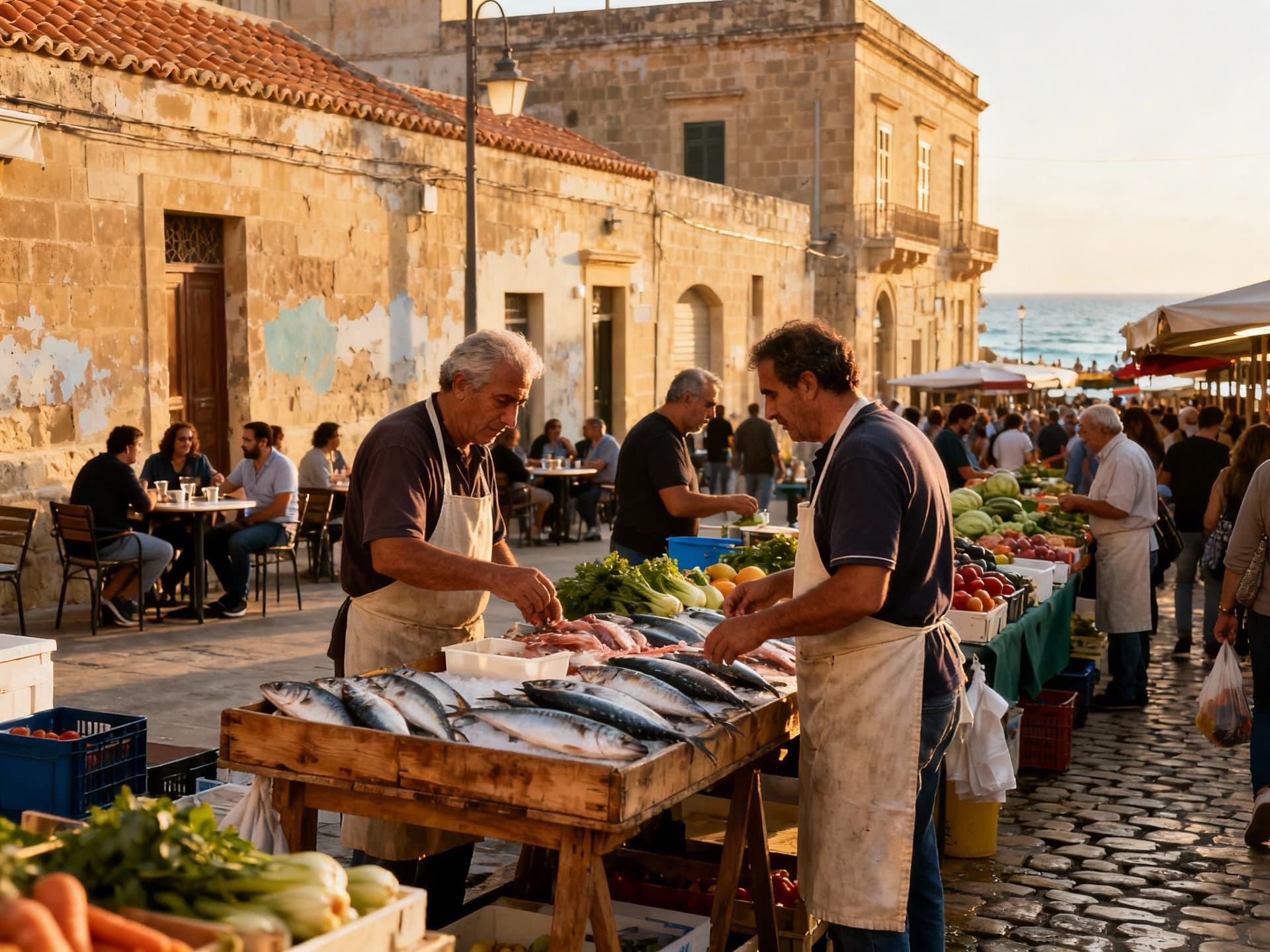
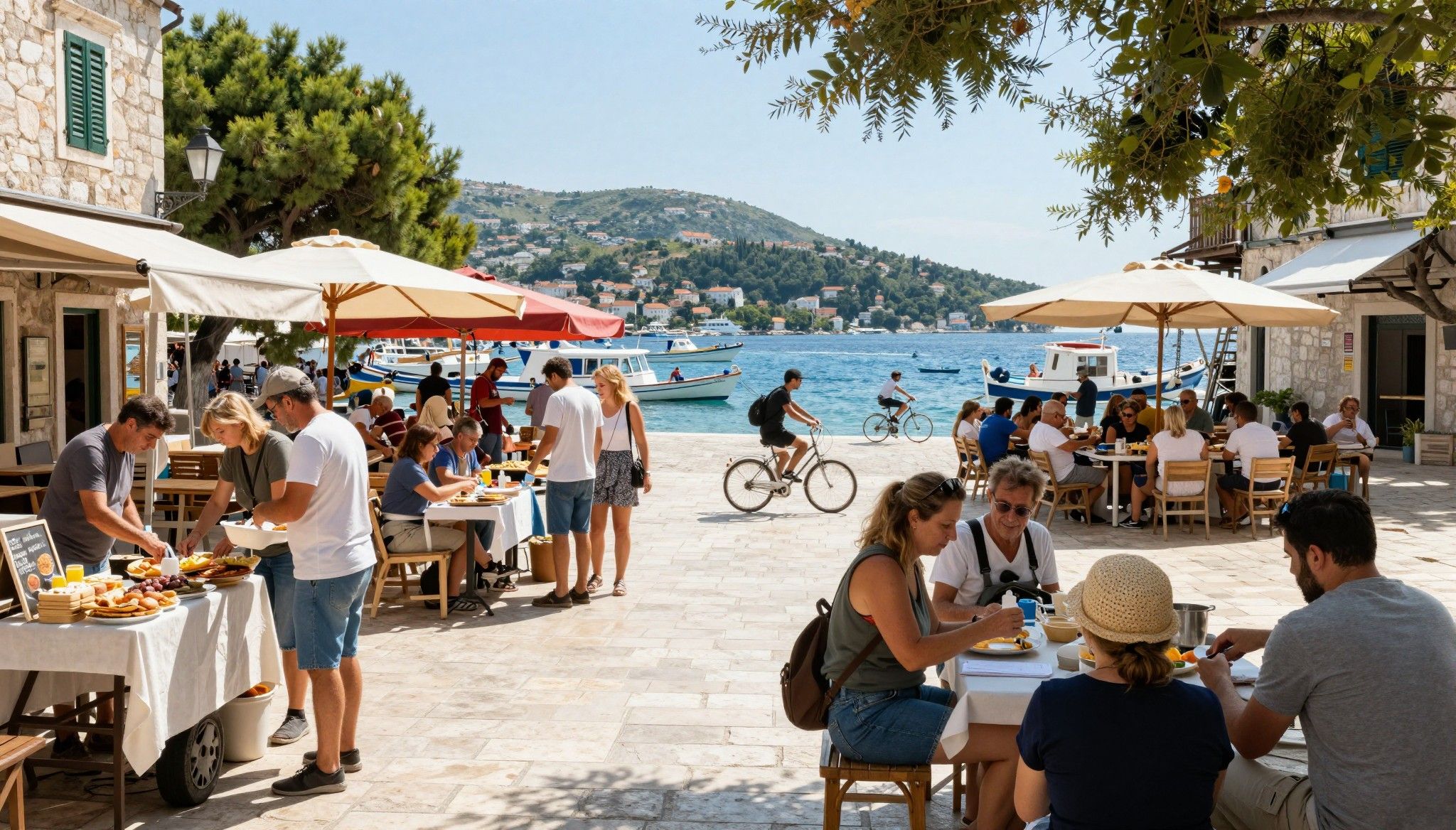
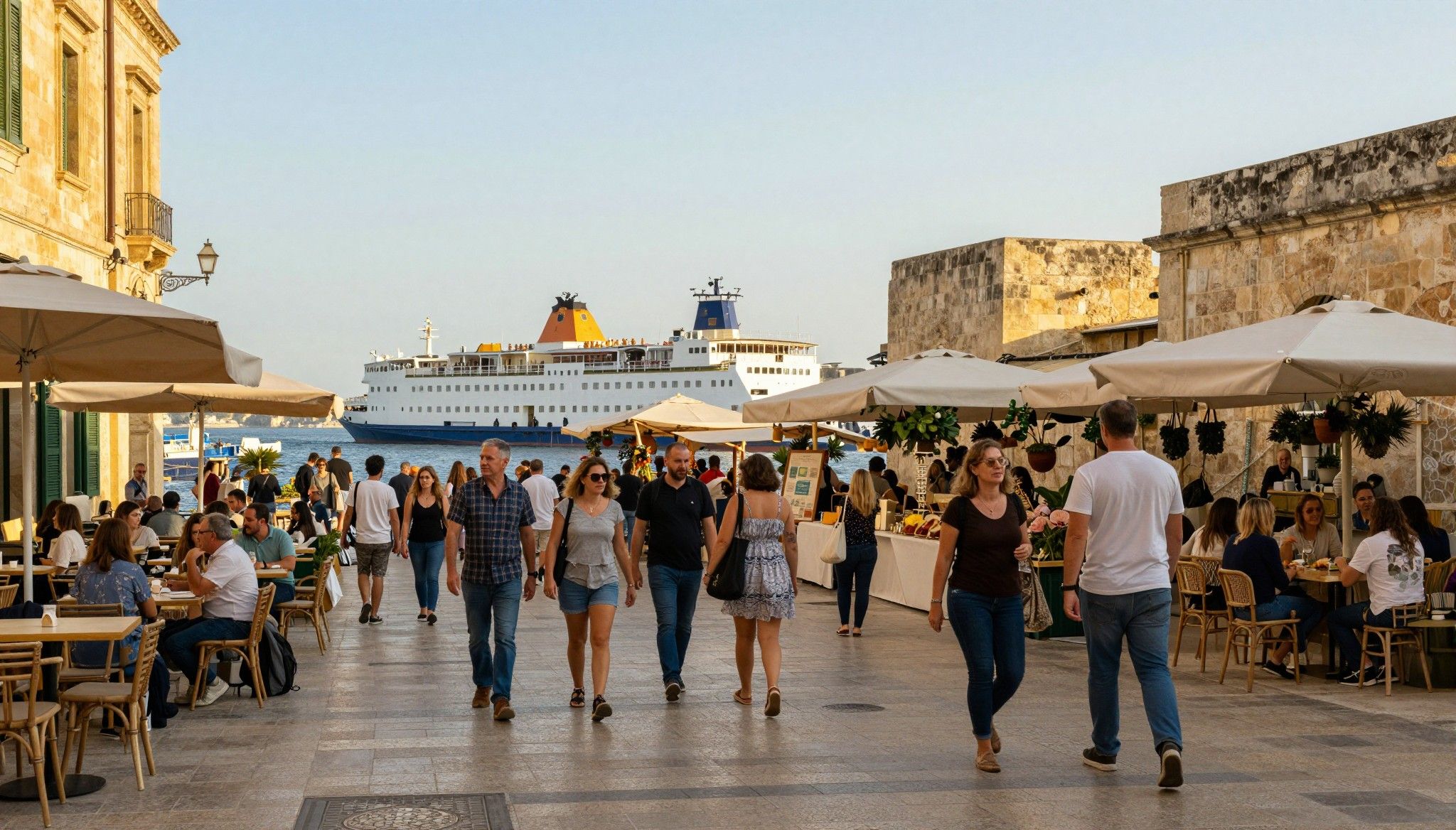
Malta is domestic-scale intensity: short commutes, concentrated nightlife, and a calendar keyed to church festas, regattas and summer harbour concerts. English is official alongside Maltese, so everyday transactions, healthcare appointments and many school options are straightforward for anglophone buyers. Expect a rhythm that shifts with the seasons — lively coastlines and packed terraces in summer, quicker local life and clearer access to services in winter.
Valletta and the Three Cities: history next door
Walkable, steeped in baroque architecture and surprisingly residential after dark, Valletta rewards buyers who prioritise culture and centrality. Nearby Senglea, Cospicua and Vittoriosa (the Three Cities) offer a calmer harbour-side alternative: narrower streets, restored townhouses and immediate access to maritime life. Properties here often require sensitive renovation; they deliver character rather than cookie‑cutter modernity.
Sliema, St Julian’s and Paceville: coast, cafés and short‑let dynamics
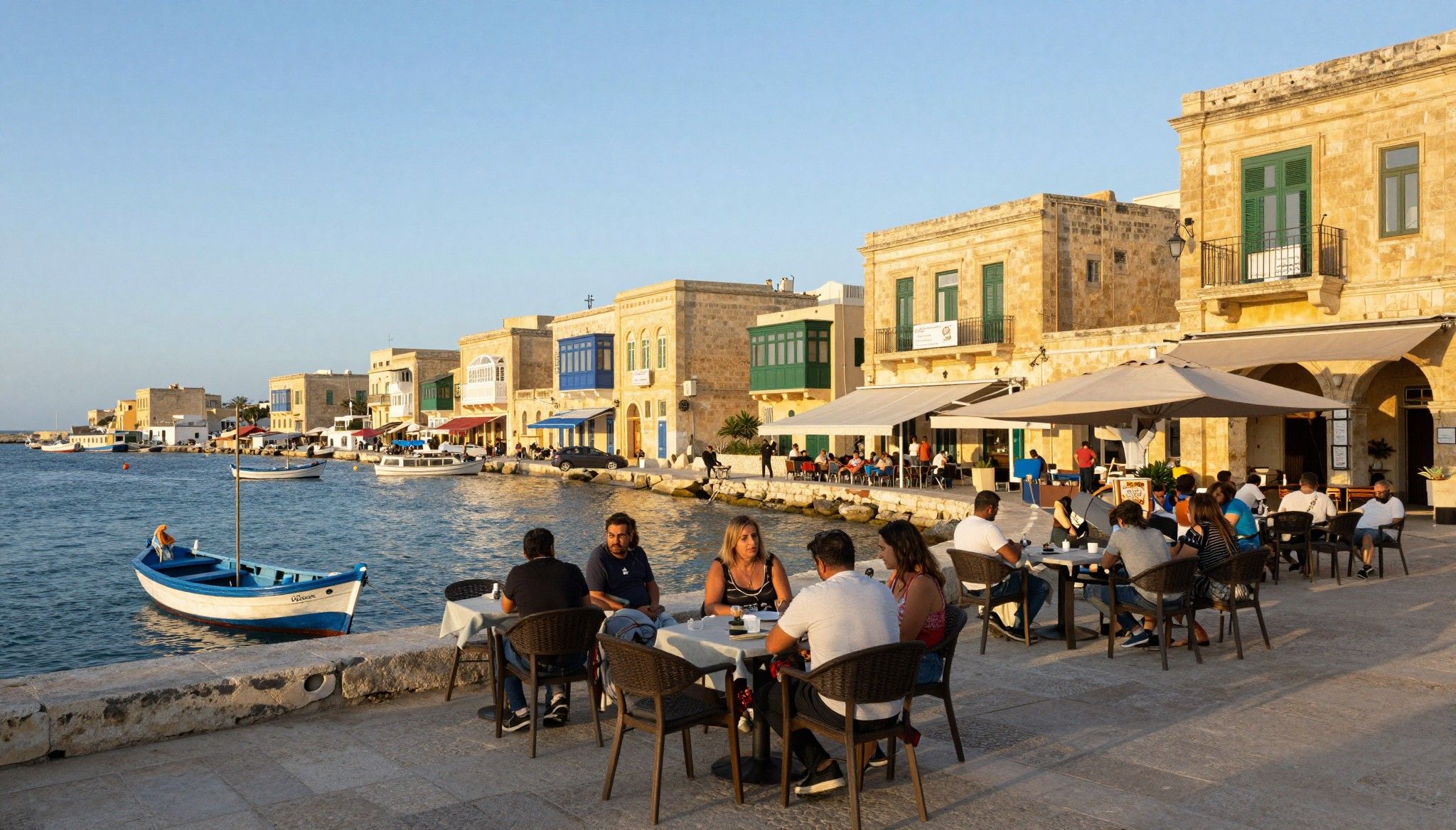
Sliema and St Julian’s live as Malta’s international faces: promenade mornings, compact apartments with sea glimpses, and a dense hospitality scene. They attract short-let demand but also exhibit the country’s lowest yields because prices run high. For lifestyle buyers who want cafes, gyms and easy ferry links, these neighbourhoods are convenient — for yield-focused investors, they demand scrutiny.
- Morning coffee and markets: Café Cordina (Valletta), Strand Café (Sliema); seafood evenings: Marsaxlokk market and nearby waterfront restaurants; beaches: Golden Bay and Gnejna; quiet island life: Xlendi Bay and Victoria, Gozo; hidden cove: St Peter’s Pool near Marsaxlokk.
Making the move: practical considerations
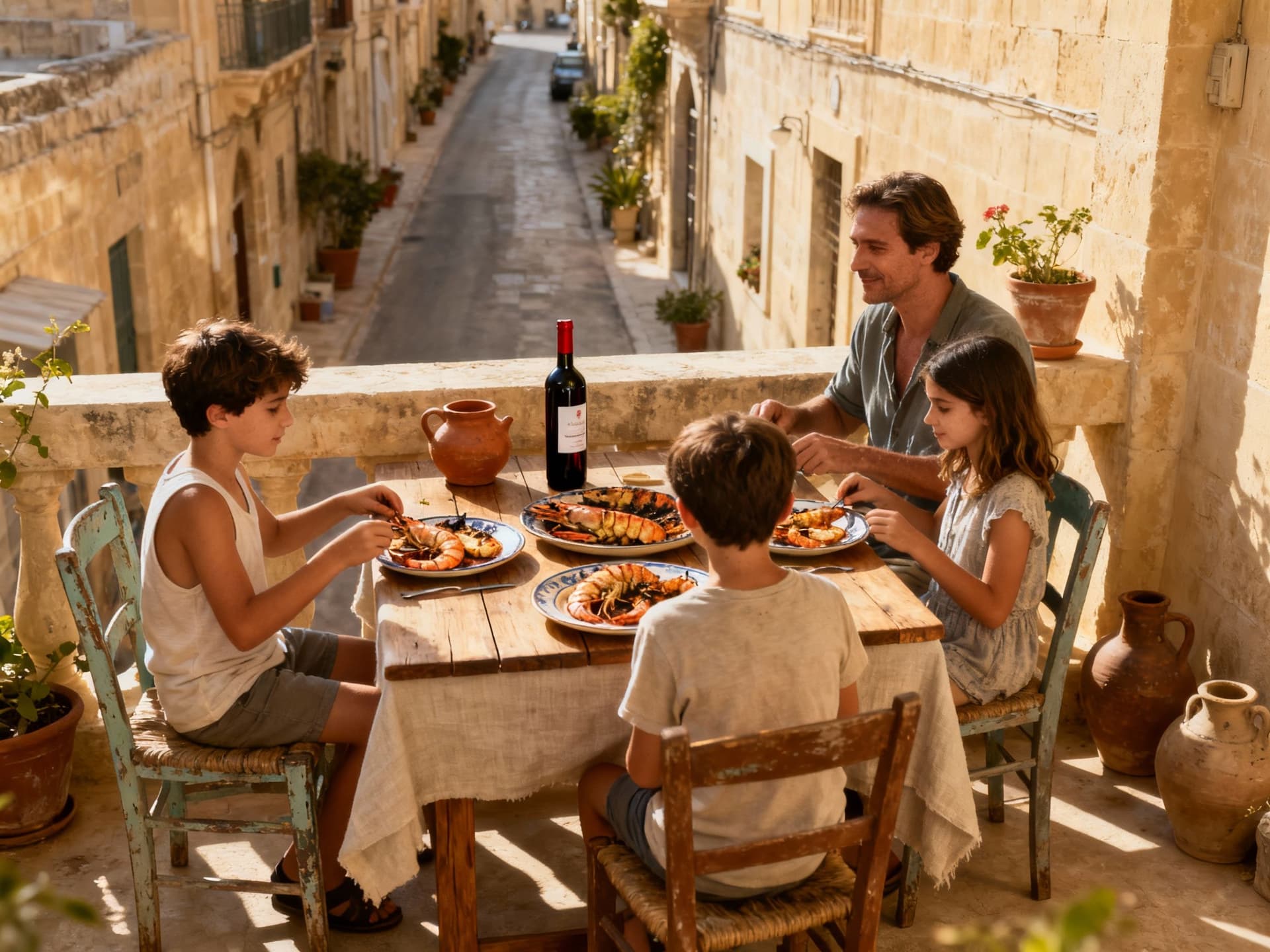
Lifestyle intentions must square with market signals. Malta’s indices showed residential price growth in 2024 and rents that rose materially in early 2024, but building permits fell in early 2025 — a sign supply pressures may ease. That mix affects timing: expect steady demand but uneven yield profiles between central and peripheral locations. Read those signals before making an emotional offer.
Property styles and what they mean for life
Apartments dominate the market and suit the Maltese daily pattern: compact, low-maintenance, close to services. Townhouses and older palazzini demand larger upfront work but reward with private terraces and historic character. On Gozo, larger units and houses produce relatively higher yields. Match property form to how you want to live: sea view and terrace for outdoor life, townhouse for quieter neighbourhood immersion.
Working with local experts who know the market
- 1. Use an agent experienced in Maltese conveyancing and planning rules — many central properties require heritage consents. 2. Ask for recent comparable sales, not advertised prices; advertised rates can lag realised transactions. 3. Get a survey focused on damp, roof-works and facade stability — limestone needs specialist attention. 4. If relying on rental income, obtain granular yield data for the micro‑neighbourhood and seasonality effects. 5. Clarify residency requirements early: the investment citizenship route has been closed and residence schemes have updated rules.
Insider knowledge: what expats wish they’d known
Several surprises await newcomers. First, the high-profile citizenship-by-investment route was ruled incompatible with EU law and closed; residency remains possible but politicians and regulation have changed how investor demand feeds the market. Second, short‑let demand can be fickle: regulatory attention and neighbour pushback have tightened the practical upside of short-stay operations in many central streets. Plan for steady rentals or personal use rather than banking on high seasonal premiums.
Cultural integration and everyday life
Community forms quickly in Malta. Regulars in the same cafés, festa committees and mothers at the playground become fast connectors. Learn a few Maltese phrases and attend local events; it opens doors. Expect directness in conversation and a strong neighbourhood sense — this influences neighbour relations, renovation permissions and informal support networks.
Long-term lifestyle and practical considerations
Think five to ten years ahead. Urban regeneration, maritime tourism and demand for flexible living will shape value. Yields are under pressure in premium coastal zones; peripheral areas and Gozo show more yield upside but less liquidity. Factor in renovation timelines, the cost of limestone maintenance and the seasonal cadence of tenants when assessing long‑term affordability.
- Practical checklist before you sign: - Confirm title and planning history with a Maltese notary. - Commission a specialist survey focused on damp and limestone condition. - Review recent realised sales within 200 metres of the property. - Understand residency options: Permanent Residence Programme details and fees. - Check short‑let regulations if you plan holiday lets.
Malta offers a compact, richly social Mediterranean life that translates well for international buyers who value proximity, language ease and year‑round activity. The market’s nuance — between capital growth and constrained yields, between heritage fabric and modern blocks — rewards careful local advice. If you love the terraces, ferries and festas, start with targeted neighbourhood visits, data‑led comparisons and a local team that can turn that feeling into a secure purchase.
Dutch relocation advisor who moved to Marbella in 2016. Guides Dutch buyers through visa paths, relocation logistics, and balance of lifestyle with value.