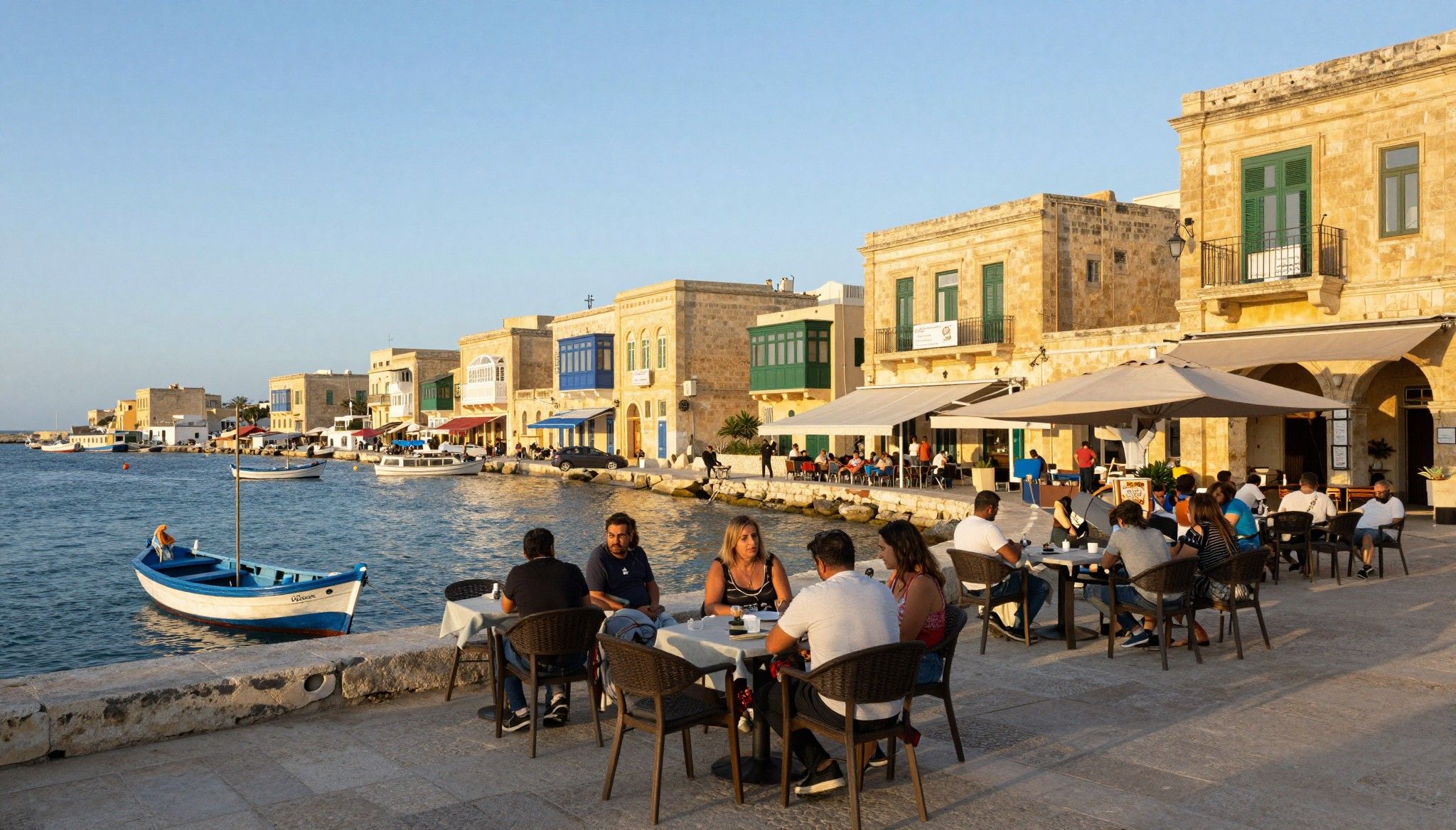
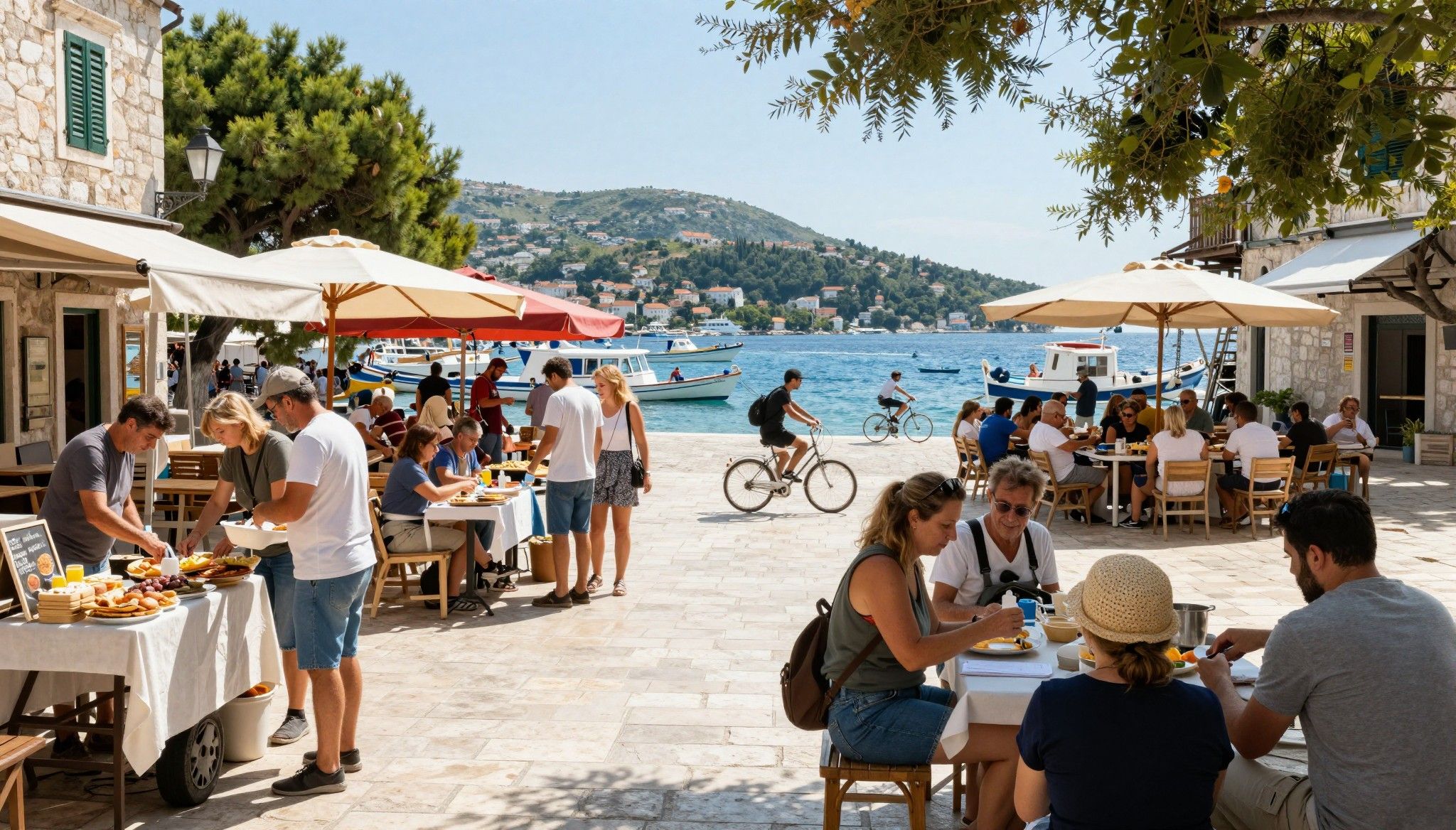
Malta: Life, Seasonality and Property Trade‑Offs
Malta’s compact life rewards those who buy for rhythm and proximity—understand neighbourhood seasonality, yields, and regulatory risks before you bid.
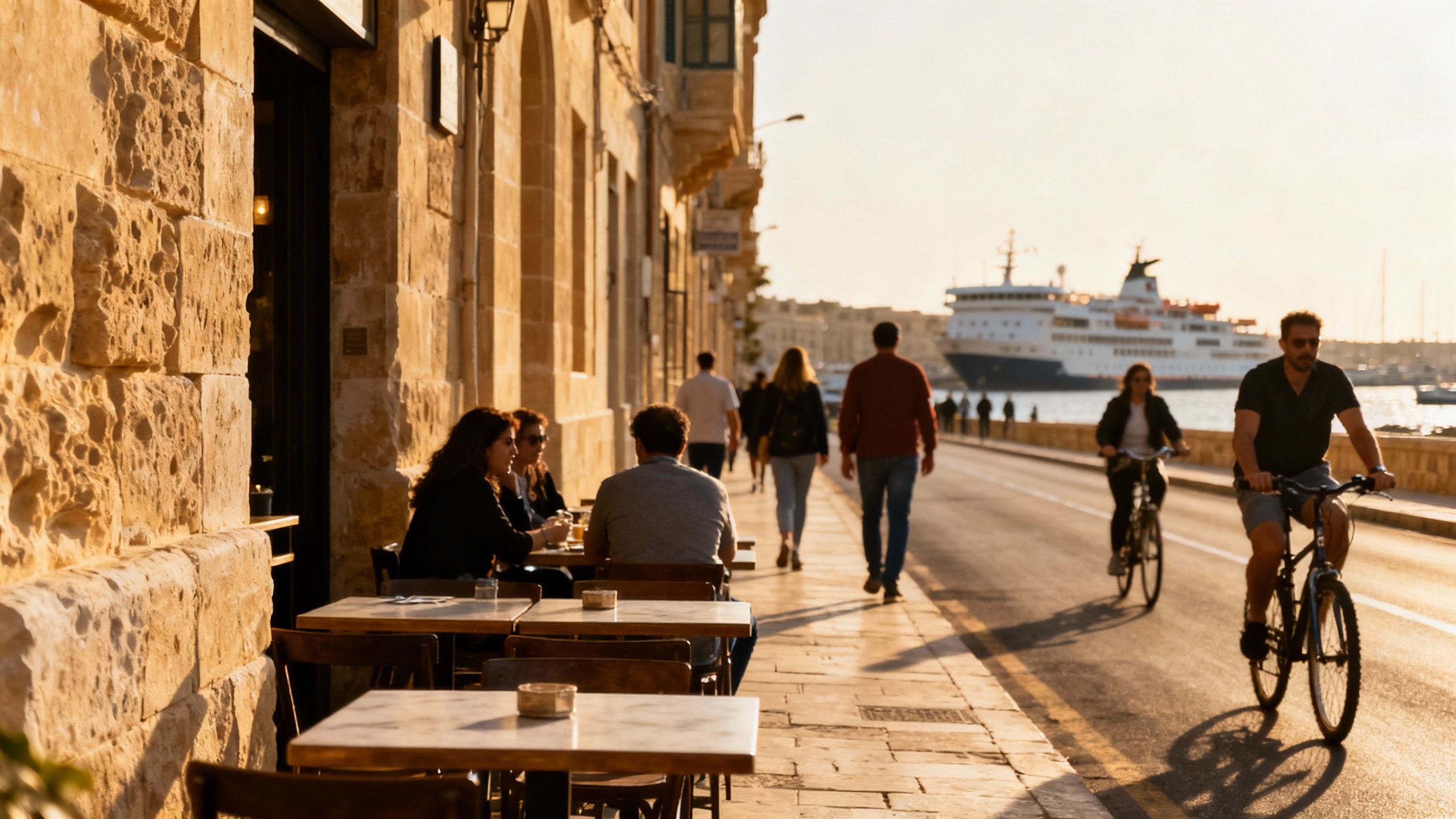
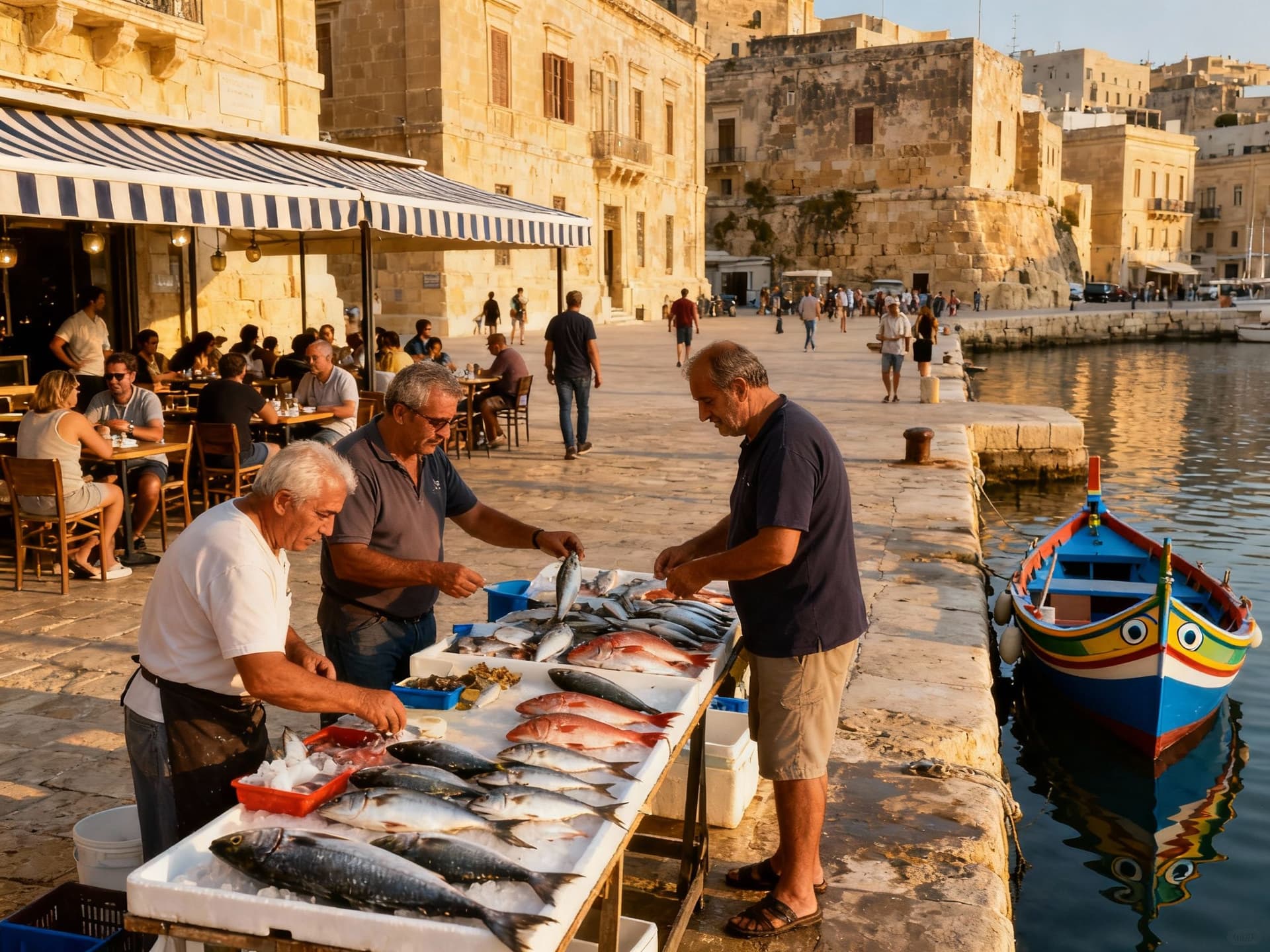
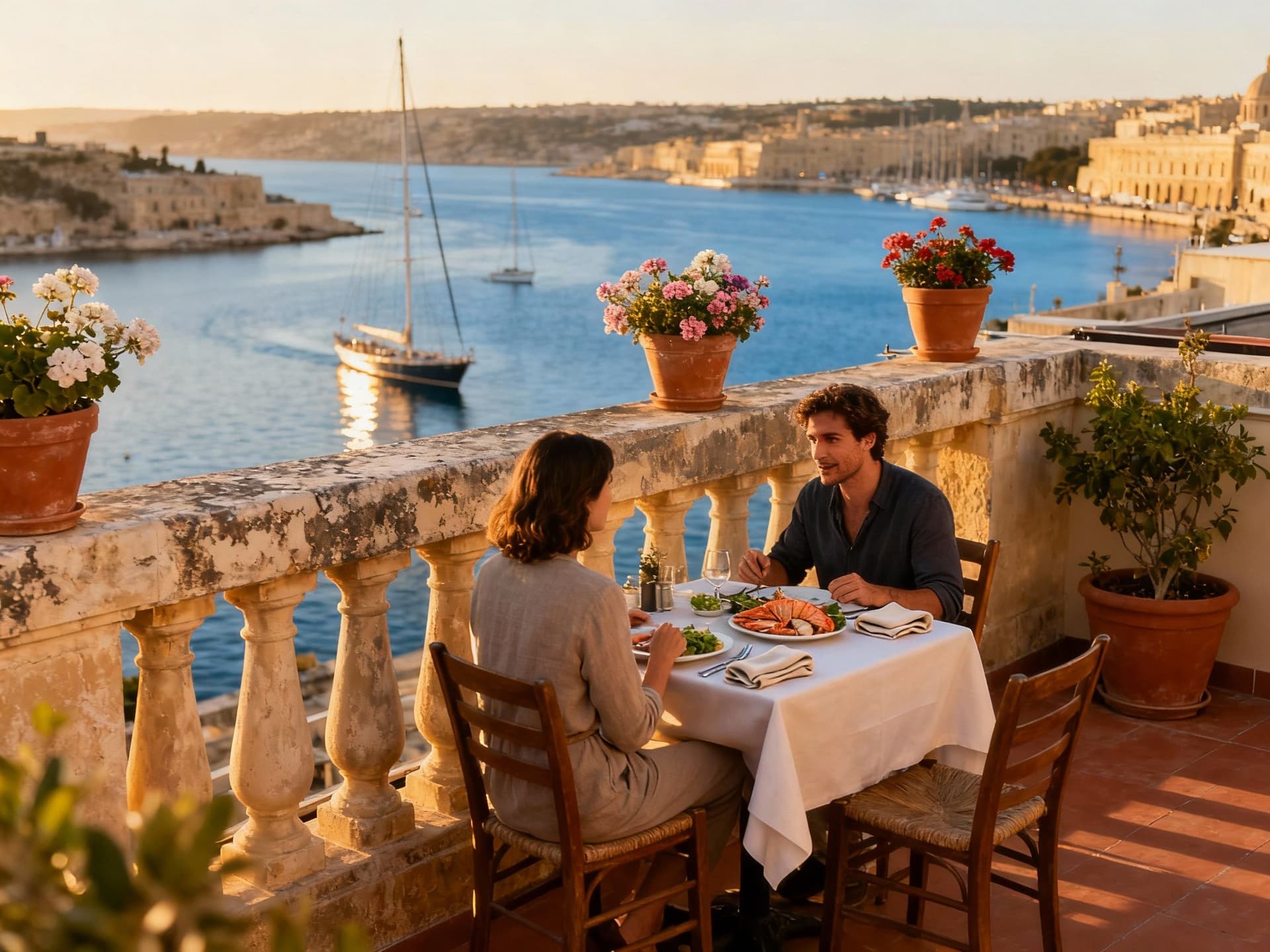
Imagine sipping an early-morning espresso on a limestone balcony in Valletta while the harbour wakes below — then stepping into a weekday that can include a short ferry to Gozo, a co‑working desk in Sliema and dinner in a village square where fishermen still sell the day’s catch. Malta is compact but varied: a mosaic of historic streets, rugged coves and seaside terraces that shape daily rhythms and, crucially for buyers, the way properties are used and valued.
Living Malta: the daily rhythm that shapes property choices
Life here is defined by proximity. Errands, cafés and cultural life cluster tightly; a 20‑minute walk often takes you from baroque facades to a pebble beach. That density makes small terraces, roof decks and converted townhouses highly prized — they aren’t just pretty extras, they are how you live in Malta. Expect a Mediterranean tempo: late breakfasts, lively evenings, and a seasonal swell in population when tourists and language‑school students arrive.
Neighborhood spotlight: Valletta, Sliema & St Julian's — three different lives
Valletta delivers heritage living: narrow streets, stone stairs, and grand townhouses. Here, buyers pay for character and location — with premium prices and lower rental yields compared with outer towns. Contrast that with Sliema and St Julian’s, where seafront apartments, modern blocks and a denser expat scene favour convenience, short‑let demand and a livelier nightlife.
Food, markets and small rituals that matter when you move
Weekends are anchored by neighbourhood markets and the fishing village tables of Marsaxlokk. You’ll learn which butcher in Ħamrun sells the cut you prefer, which café in Gżira opens for work‑mornings, and where to snag the best ftira. These rituals influence property choice: proximity to a market, shade from prevailing winds, or an afternoon breeze off the harbour can be deciding factors.
- Lifestyle highlights: real places, real reasons
- Stroll Valletta’s Republic Street and stop at a café before the museum opens
- Morning swim at Għajn Tuffieħa or Golden Bay, then lunch in nearby Mellieħa
- Evening aperitivo in Spinola Bay, St Julian’s, watching fishing luzzu bob at sunset
Making the move: practical considerations that preserve the lifestyle
Dreams meet ledgers in Malta. Market data shows prime heritage cores carry higher prices and lower gross yields, while outer towns and Gozo offer better yield profiles. Tourism is a key demand driver — Malta recorded roughly 3.56 million visitors in 2024 —so short‑let opportunities influence price dynamics and licensing risk. Know which part of the market you’re targeting before you write an offer.
Property types and how they fit real lives
Heritage townhouse: high character, higher renovation complexity. Expect specialist contractors, listed‑building rules and slow permitting. Seafront apartment: convenient but exposed — check insulation, shutters and waterproofing. New build in Mriehel or Pembroke: modern amenities and easier maintenance, but less local colour. Match the asset to how you’ll live: weekend visitor, year‑round resident, or buy‑to‑let owner.
Work with local experts who understand lifestyle fit
An agent who knows repair timelines, the neighbourhood baker and seasonal noise patterns is far more useful than one who only lists properties. Good advisors will size up a property’s day‑to‑day livability, advise on holiday‑let licensing, and introduce vetted restorers or property managers. Ask for examples of past clients who moved for lifestyle reasons and how the agency solved everyday problems for them.
- Steps that blend lifestyle thinking with practical action
- Visit in two different seasons (high summer and late autumn) to feel tourism, noise and light
- Commission an on‑site survey focused on weather exposure and long‑term maintenance needs
- Confirm holiday‑let licensing requirements for the exact property and neighbourhood
Insider knowledge: what expats wish they'd known before buying in Malta
Two practical realities rarely emphasised in glossy listings: regulatory change can be sudden, and tourism intensity matters. The European Court of Justice ruled in 2025 against Malta’s investor citizenship approach —a reminder that residency and citizenship options are subject to political and legal shifts. For buyers relying on mobility advantages, verify current residency pathways rather than assuming continuity.
Cultural cues that alter daily life — and where you buy
English is an official language and widely used in business, yet Maltese culture retains strong local rhythms. Church processions, village festas and seasonal markets shape noise, traffic and community life. Buying near a festa square is wonderful for social integration — but expect occasional late nights and logistical disruption on feast days.
Long‑term considerations: climate, maintenance and community
Expect more tourists, heat and saline exposure over time. Limestone façades weather; metal fittings corrode faster by the sea. Factor maintenance costs into purchase math. If you want community stability, choose established residential pockets — the same areas that offer quieter streets in winter tend to hold value during market cycles.
- Red flags buyers often miss
- Unlicensed short‑let history on the title — potential fines and retrospective compliance costs
- Inadequate waterproofing on sea‑facing terraces — expensive remedial works later
- Heritage restrictions that prevent simple alterations you assumed you could make
Conclusion: Malta as a lived choice — what to do next
Malta can deliver a compact, richly textured life — the reward is everyday convenience and deep Mediterranean rhythms. The trade‑offs are clear: maintenance, seasonal pressure and regulatory shifts. If the lifestyle fits, begin with a two‑season reconnaissance, use local advisors who can show you lived‑in examples, and budget for conservation. Small choices — shade, shutter quality, and where you buy your morning coffee — will shape years of daily life here.
Norwegian market analyst who serves Nordic buyers with transparent pricing and risk assessment. Specializes in residency rules and tax implications.