Malta: Fall for the Life, Plan for the Paperwork
Malta pairs intimate Mediterranean lifestyle with concentrated market quirks. Recent 2025 residency rule changes raise property thresholds — plan lifestyle first, due diligence second.

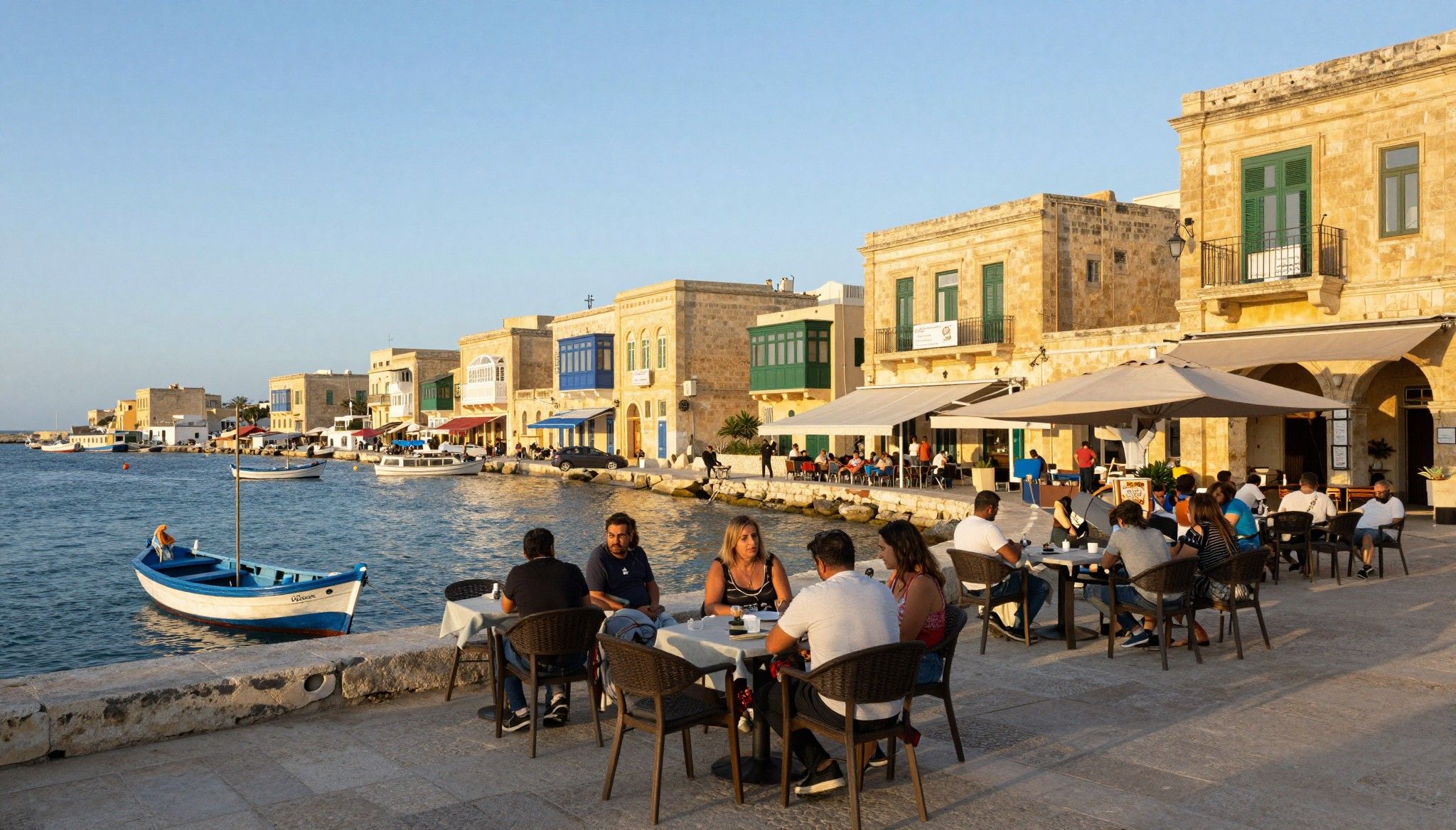
Imagine stepping out at dawn onto Sliema’s seaside promenade with an espresso in hand, the limestone facades warm under a pale sun and a local fisherman hauling crates of amber fish at Marsaxlokk’s market. In Malta, day-to-day life folds historic narrow streets, compact neighbourhoods and brisk Mediterranean routines into a scale that feels manageable and immediate — perfect for buyers who prize walkability and a lived-in sense of place. Yet that intimacy masks practical complexities: shifting residency rules, a concentrated market and neighbourhood-specific premiums that change how and where you buy.
Living Malta: small‑island rhythms, big lifestyle rewards
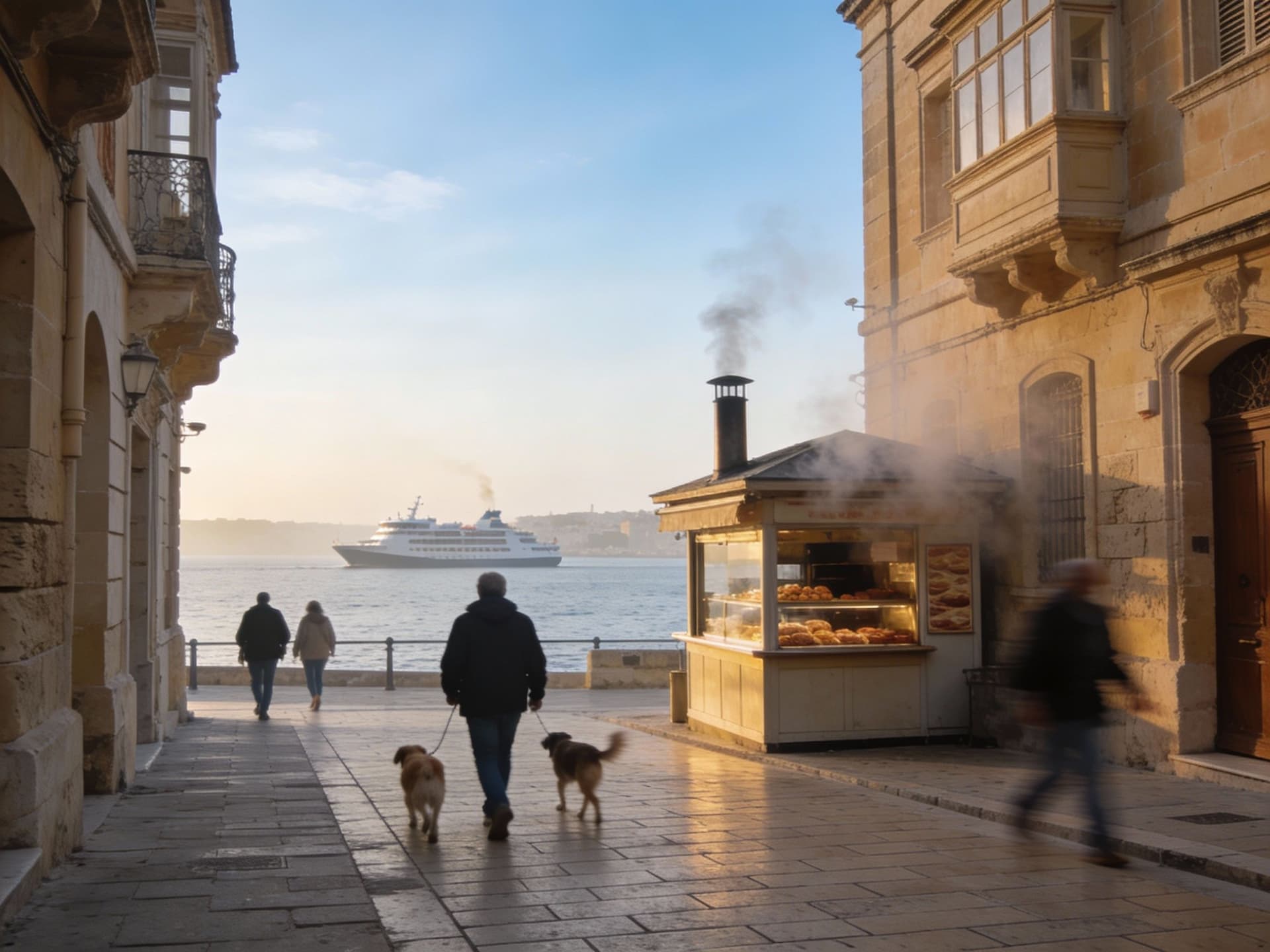
Malta’s daily rhythm is shaped by proximity — cafés, grocery shops and the bus stop are often a short walk away. Valletta hums with museums and quiet early-evening terraces; Sliema and St Julian’s mix waterfront promenades with modern apartments; Marsaxlokk still smells of salt and fresh fish every Sunday. For international buyers, the appeal is immediate: English is official, flights to Europe are short, and a compact transport network shrinks errands and social life into a comfortable loop.
Sliema feels like a Mediterranean high-street stretched along the sea. Tower Road is where morning joggers, small bakeries and ferries to Valletta intersect. Apartments here often prioritise sea views and compact terraces; buy for convenience and the promenade lifestyle, not for large gardens or privacy.
St Julian’s (and Paceville specifically) is Malta’s entertainment heart. If you love late-night dining and busy bars, this is for you. If you value quiet evenings, choose Portomaso or Spinola Bay pockets instead — short walks separate lively blocks from calmer residential streets.
Marsaxlokk offers the most vivid local moment: the Sunday fish market. Buying here delivers authenticity — fishermen’s lunches, narrow harbourfront streets and slower pace — but properties are fewer and often require careful condition checks because many are old stone houses with non-standard renovations.
- Lifestyle highlights to sample before you buy: 1) Morning espresso on Sliema’s promenade; 2) Sunday fish market at Marsaxlokk; 3) An evening aperitivo in Valletta’s narrow lanes; 4) A weekend trip to Gozo for rural contrast; 5) Spinola Bay seafood lunches; 6) Mdina’s quiet sunset from the bastions.
Making the move: how lifestyle choices reshape which property you need
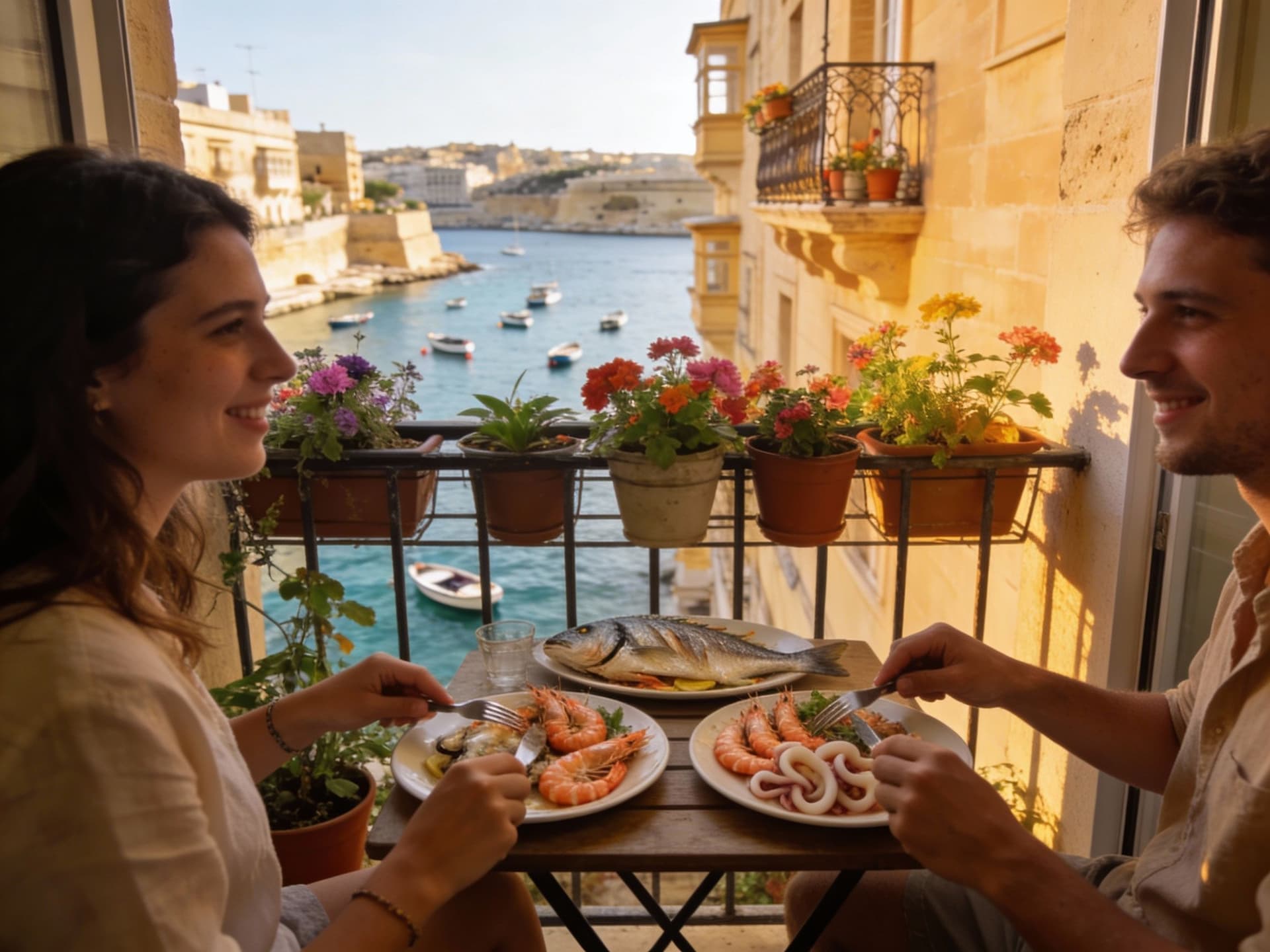
Your lifestyle preference — promenades and cafés versus a quiet fishing village — should determine property type and location. It will also influence how you approach residency. Malta’s Permanent Residence Programme changed minimum property thresholds in 2025; these regulatory shifts make timing and location part of the buying calculus.
You’ll find three common property archetypes: compact seafront apartments with terraces (Sliema, St Julian’s); converted townhouses and palazzini in Valletta and Rabat; and larger detached villas or modern developments on the island fringes or Gozo. Apartments buy lifestyle proximity; houses buy space and character but often add renovation work and higher maintenance.
Work with an agent who understands both urban fabric and building age. Many Maltese townhouses have layers of piecemeal works and electrical or damp issues that only a local surveyor will spot. For seafront apartments, check for salt ingress and communal maintenance records — these recurring costs shape long-term enjoyment and value.
A local agency will map lifestyle desires to practical criteria: noise exposure, parking, lift access, and the presence of communal services. They also broker relationships with notaries, surveyors and management companies. Choose an agency that can show recent, verifiable transactions in your target street rather than glossy listings.
- Steps that blend lifestyle and practical due diligence: 1) Spend three days living the morning/evening routine in target neighbourhoods; 2) Commission a structural and services survey before making an offer; 3) Request condominium minutes and maintenance reserve records; 4) Confirm lift servicing and facade plans for older blocks; 5) Ask agents for three comparable recent sales on the same street.
Insider knowledge: what expats wish someone had told them
Expats often romanticise Malta’s small scale, then get surprised by its micro-market quirks. Streets that feel identical on a sunny day can have dramatically different values because of a single development, a noisy bar or a future planning application. Expect to adjust expectations on interior space — Maltese apartments are efficient but smaller than equivalent European homes.
English is widely spoken and schools follow British systems, easing integration. However, real social ties often form through local festa committees, voluntary organisations and neighbourhood cafés. Learning basic Maltese phrases and attending local events accelerates community acceptance and reveals hidden rental or sale opportunities.
Buyers should factor in two long-term items: the concentrated resale market and legislative changes to residency programmes. Malta’s small geography concentrates demand into a few preferred towns; this reduces liquidity in less central villages. Separately, changes to the residency programme in 2025 raised minimum property thresholds and fees — a reminder that policy shifts can materially affect cost and strategy.
- Red flags and quick checks before an offer: • No formal condominium minutes or reserve fund; • Unresolved planning notices visible at local council; • A sudden spike in comparable prices without supporting sales; • Properties with informal extensions or missing planning approvals; • Lack of recent electrical or structural certificates.
Malta’s compactness is both charm and constraint. Picture swapping weekend long drives for island-hopping trips to Gozo, breakfasts at a local bakery on Triq it-Torri in Sliema, and later walks past the luzzu boats at Marsaxlokk. Then pair that image with a plan: budgeting for regular building upkeep, confirming legal title with a Maltese notary, and using a local agent with verifiable transaction history.
If you want to move from dreaming to action: visit for at least a week, hire an independent surveyor, secure a local agent with recent comparable sales, and confirm residency pathways early. For buyers considering the Malta Permanent Residence Programme, note the 2025 property minimums and fee changes — they affect whether a purchase meets eligibility without extra cost. Consult official MPRP resources and factor program fees into your budget.
Conclusion: Malta rewards those who match a clear lifestyle brief to a carefully checked property. The island gives fast access to cafes, culture and the sea; it asks for precise due diligence in return. Fall for the place, but plan like a local.
Norwegian market analyst who serves Nordic buyers with transparent pricing and risk assessment. Specializes in residency rules and tax implications.