Malta: Neighbourhood Life, RPPI Reality, and the Checklist
Malta’s charm is neighbourhood‑deep. Learn which streets deliver daily life, how recent RPPI growth reshapes offers, and the exact checks to make before you buy.
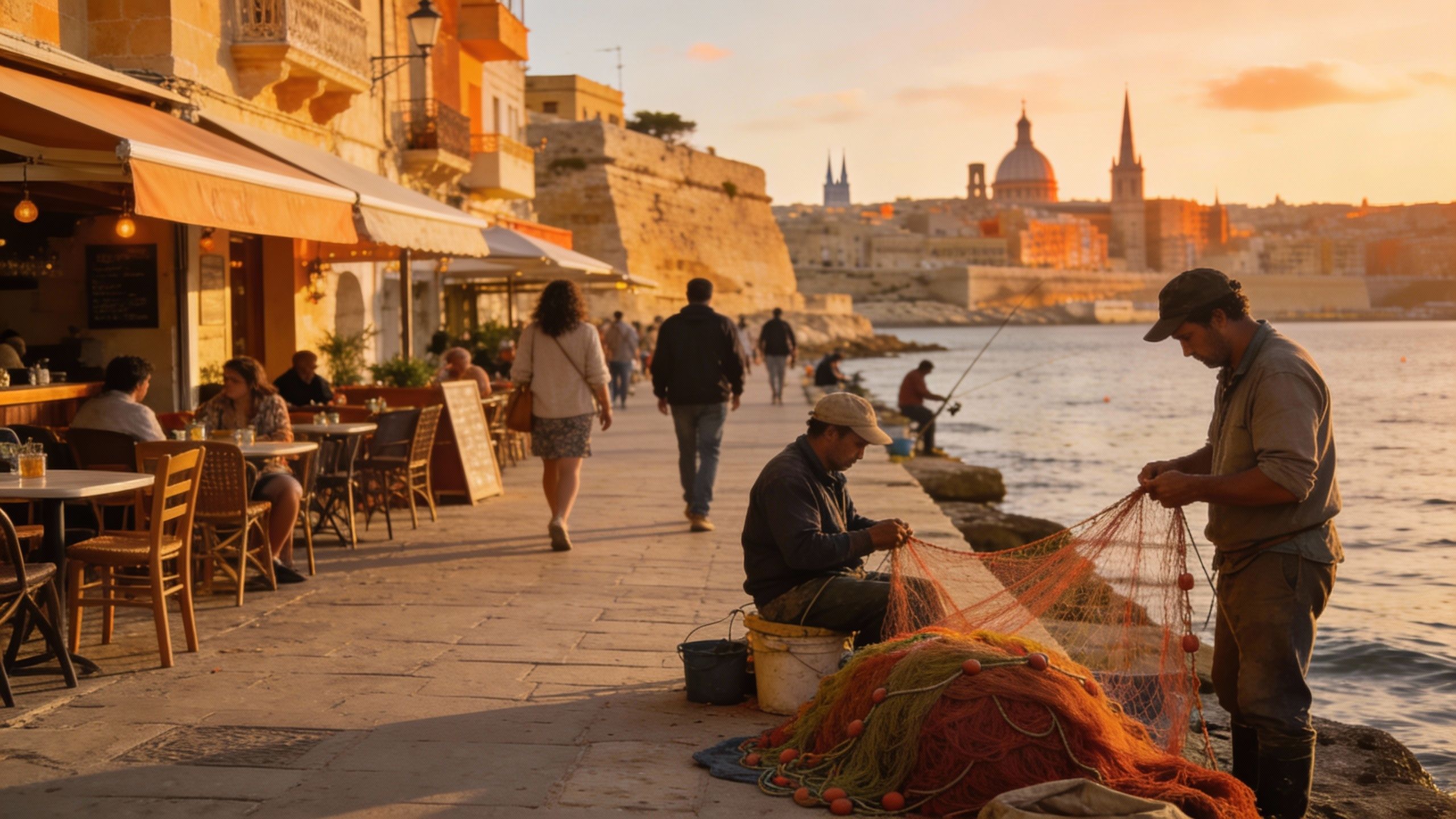
Imagine stepping out to a café on Tower Road in Sliema at 08:30, the harbour bright with small fishing boats and commuters. Morning light strikes limestone façades, children ride scooters past neighbourhood bakeries and a barista calls your name. That lived-in clarity—compact streets, sea air, and a city rhythm that mixes British habits and Maltese informality—is the real starting point for buying in Malta. This article pairs those daily scenes with the data and attitudes international buyers actually need: where value lingers, which neighbourhoods over-promise, and what to ask a local agent before you sign.
Living Malta: the feel, not the postcard

Malta is small enough that neighbourhood character matters more than region. Valletta’s stone can feel quiet and ceremonial by day and oddly alive at night with theatre and restaurants. St Julian’s and Paceville pulse with nightlife and modern apartment blocks; Sliema offers a hybrid: promenades, boutiques and steady expat life. Meanwhile, Gozo moves at a different tempo—slower markets, coastal coves and a resale market dominated by traditional townhouses. These differences shape daily life and the type of property you end up wanting.
Sliema & Gzira: mornings, promenade coffee, commuter practicality
Walkable streets, tight terraces and good ferry connections make Sliema and neighbouring Gzira sensible for buyers wanting an island city life with convenience. Flats here tend to be modern or recently refurbished; you pay a premium for seafront views and proximity to international schools. Expect a mix of long-term residents and short-term renters; that mix affects both community feel and potential rental yields. If you want a daily routine of cafés and evening piazza-style walking, this is where life matches the picture.
Valletta & Three Cities: history, scale and quiet intensity
Valletta’s baroque streets are intimate and highly regulated; renovations require heritage permissions and that affects timelines and budgets. The Three Cities — Senglea, Cospicua and Vittoriosa — offer deeper local roots and often better value per square metre, but properties there are older and need careful inspection. In both zones, living is compact: courtyards replace gardens, and terraces are prized for light. If you prize cultural life, museums and theatre over beaches, value the scale and expect to work with architects experienced in conservation.
Making the move: what market data and rules mean for you
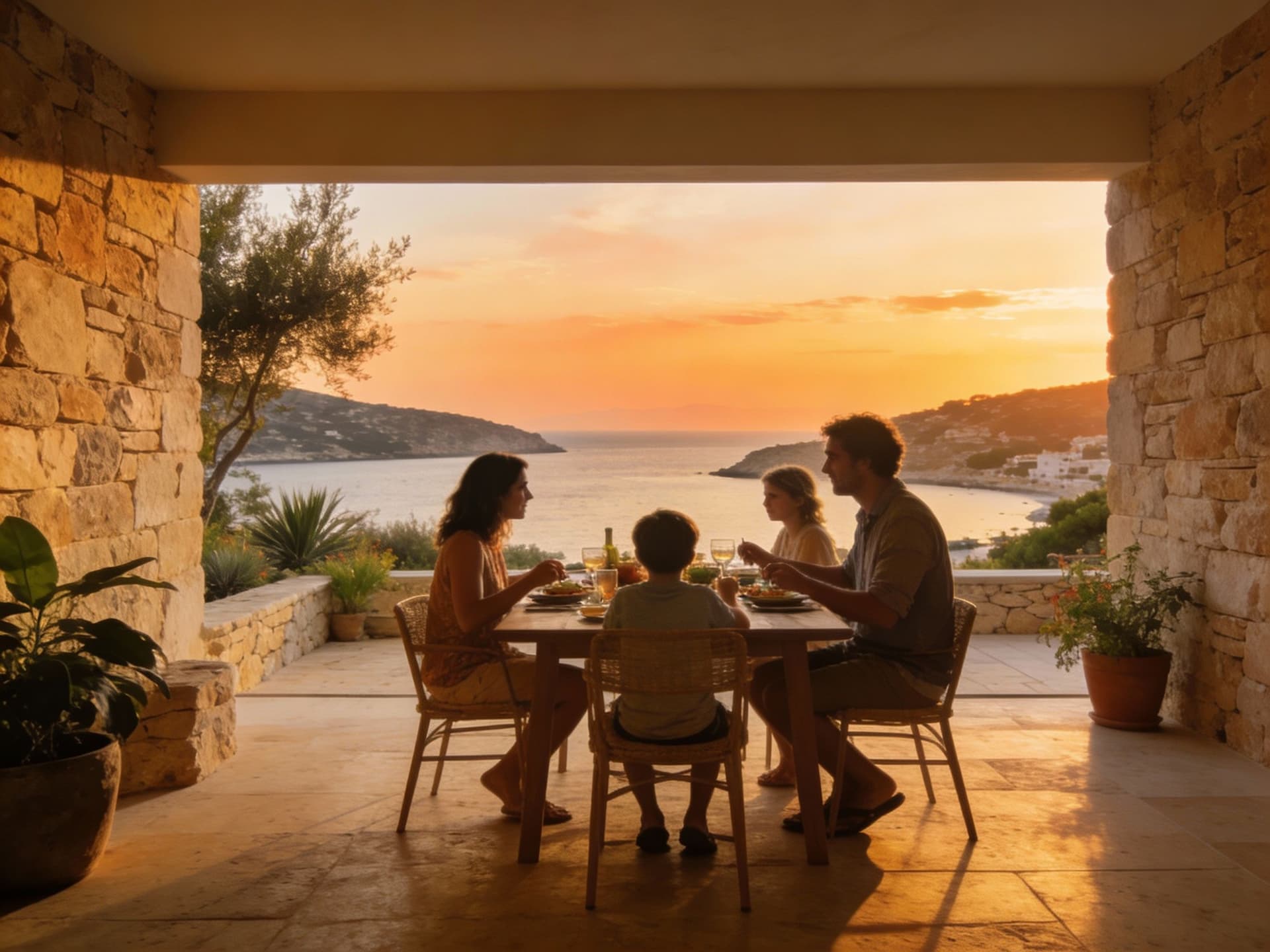
Data matters because Malta’s compact geography turns small policy or demand shifts into visible price moves. The NSO’s Residential Property Price Index recorded persistent annual growth—buyers should expect prices to move faster than wages. Separately, high‑profile changes to investor programmes have reshaped the buyer pool and the kind of due diligence agents now perform. In short: expect steady demand, limited land, and a market where location specificity drives both lifestyle and long‑term value.
Property types and how they fit island life
Apartments are the dominant form in urban Malta; maisonettes and townhouses are common in older suburbs and Gozo. New developments deliver lift access and garages—useful for families and commuters—but they often trade heritage charm for convenience. If outdoor space matters, target penthouses with terraces or houses in peripheral localities. Factor in soundproofing and insulation: thin party walls and Mediterranean exposure shape daily comfort more than in larger countries.
How to turn a lifestyle brief into a shortlist
- 1. Define daily patterns: morning café, commute, schools—rank them. 2. Match property type to rhythm: terrace or apartment, modern or historic. 3. Visit at different times: weekday morning, Saturday market, late evening. 4. Ask the agent for exact service charges, recent utility bills and any conservation notices. 5. Insist on a local surveyor familiar with Maltese party‑wall and rainwater issues.
Insider knowledge: what expats tell us — and what they don’t
Expats consistently name English‑language ease and the island’s compactness as chief winning features, but they also warn about a few persistent surprises. Short lease terms for long lets, unpredictable service charges in older blocks, and conservation rules that delay renovations are common. The RPPI’s recent readings underline one reality: buying sooner often means paying more, but waiting without a plan can mean missing specific neighbourhood opportunities.
Cultural cues that affect where and how you live
Maltese social life orients around family, festa calendars and sea time. Weekends are for neighbourly visits, food markets and the strand; expect invitations rather than public events to define your social circle. Learning a few Maltese phrases helps, but English will carry you through permits, schools and healthcare. Be aware that parking is a social as much as a logistic issue; many residents arrange private parking or adapt to walking life.
Longer-term realities: policy, supply and how they change neighbourhoods
Policy decisions—everything from residency routes to planning approvals—reshape who moves here and which streets gain demand. The EU court rulings and tightening of investor citizenship programmes mean buyer profiles have shifted toward genuine residents and remote workers rather than purely transactional investors. That change slowly improves community integration but also means previously overlooked streets can see rising interest. Track planning notices and small developments; they reveal where supply will appear next.
- Lifestyle highlights to check in person
- • Espresso at Caffe Cordina in Valletta followed by a walk along Republic Street. • Sunset on the Sliema promenade, then dinner at a fish restaurant near the ferry terminal. • Quiet mornings in Gozo’s Xlendi Bay, with cliff walks and local pastizzi. • Sunday market browsing in Marsaxlokk for fresh fish and neighbourhood colours. • Late-evening promenades in St Julian’s to sample the restaurant scene without the party crowds.
- Practical steps before you make an offer
- 1. Commission a surveyor with local experience to inspect damp, roof runoff and structural alterations. 2. Obtain the last three years of service‑charge accounts where applicable. 3. Verify title and any conservation restrictions with a notary familiar with Maltese law. 4. Check recent RPPI trends for the specific locality to set a realistic offer—national indices show continued price growth, but micro‑markets vary. 5. Clarify residency or visa implications early; policy changes have affected buyer profiles in recent years.
Working with agencies: what to expect and insist upon
In Malta, the best local agents act as translators: they know conservation officers, they have trusted surveyors and they understand seasonal rental dynamics. Ask for concrete references from recent cross‑border transactions, request a written search brief, and insist on transparency about fees and any dual‑agency arrangements. An agent who can describe a street’s life, not just square‑metres, will help you find the property that fits how you want to live here.
Buying in Malta is as much about choosing a daily rhythm as it is about buying walls and windows. If you picture yourself on a small terrace watching the harbour, target Sliema or Valletta penthouses; if you want space and a slower pace, look to Gozo or inland towns such as Mosta. Use the data—NSO RPPI and local trends—to temper romance with reality, and make inspection, service‑charge transparency and conservation permissions your non‑negotiables. When you combine lived-in experience with disciplined due diligence, Malta’s compact richness becomes an asset, not a complication.
Conclusion: fall for the life, prepare for the particulars. Book a week in different neighbourhoods, bring a short checklist for agents and surveyors, and tie lifestyle wants to legal and physical checks. Malta rewards buyers who respect its scale and history; get the local team right and you’ll own not just a property, but a place you recognise at 08:30 on a weekday morning.
Dutch relocation advisor who moved to Marbella in 2016. Guides Dutch buyers through visa paths, relocation logistics, and balance of lifestyle with value.