Malta: When Central Streets Beat the Seaside Myth
A lifestyle-first, data-backed look at Malta: why central streets command premiums, how land scarcity shapes value, and practical steps buyers use to align life and ledger.
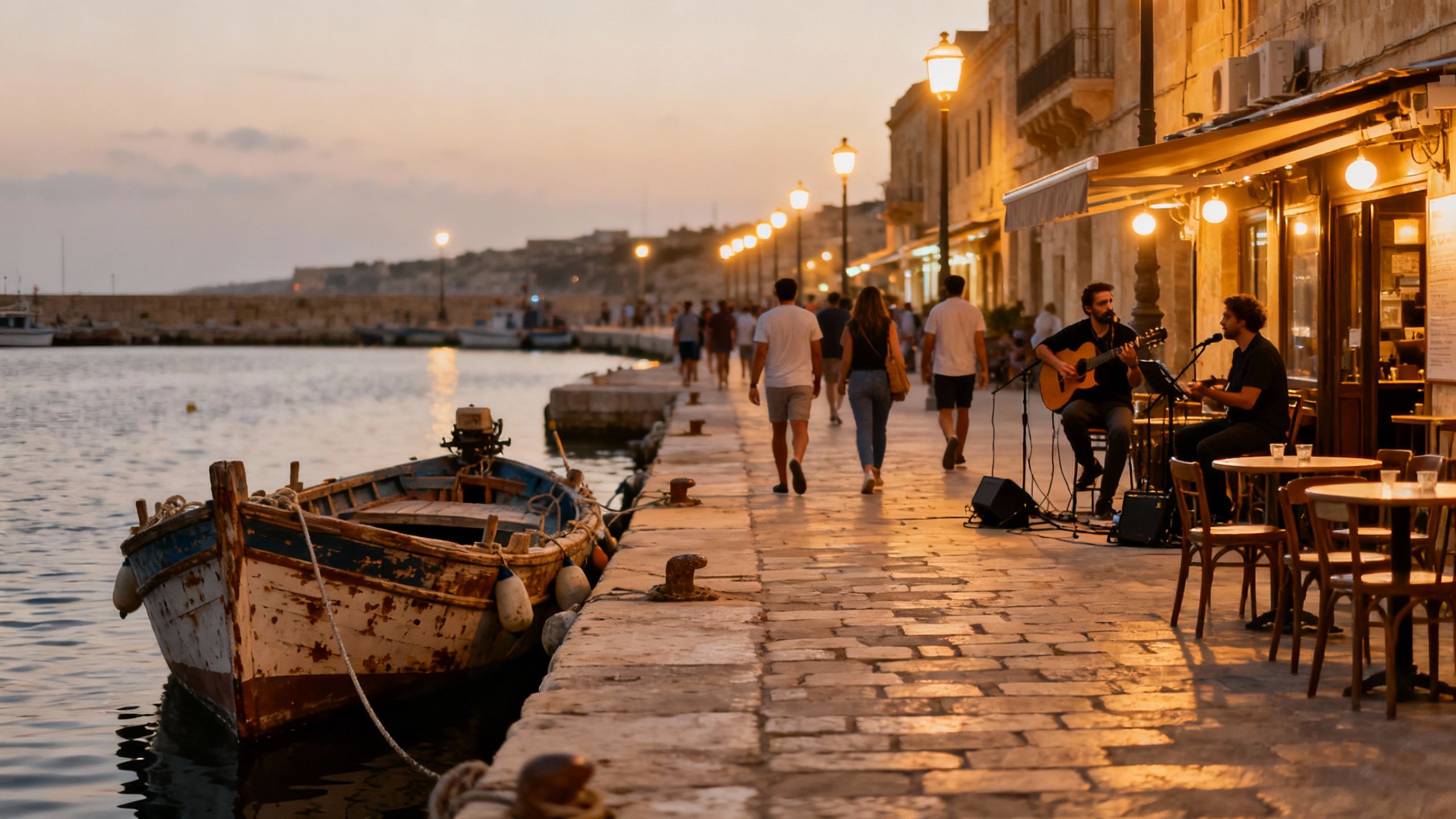
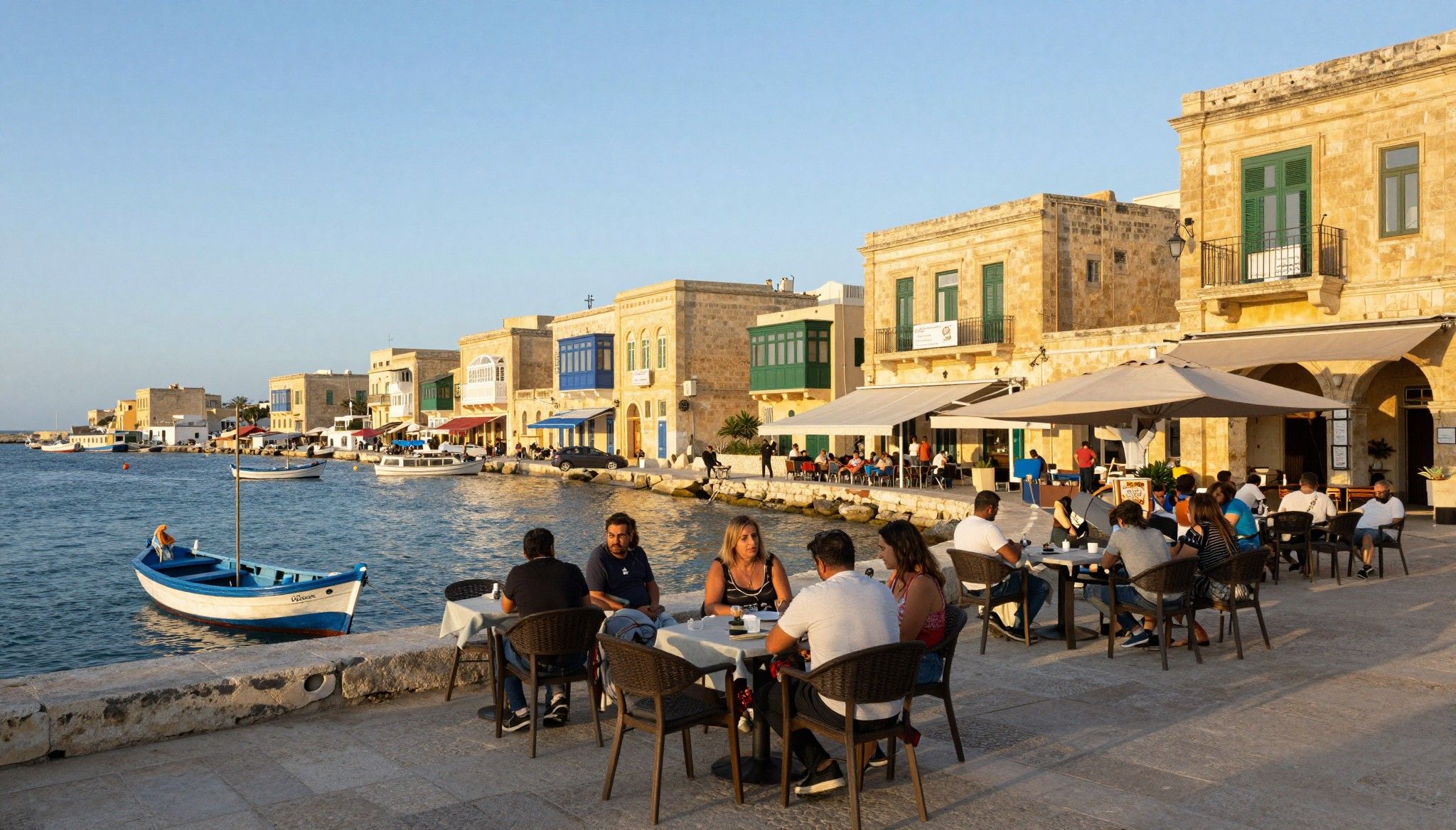
Imagine stepping out at dawn into a narrow Valletta lane, espresso steam and church bells shaping the morning. In Malta the day moves close to the sea: terraces fill, fishermen arrange their catch and neighbourhood cafés become the informal salons where plans and property gossip circulate. For international buyers the island offers a compressed, high-intensity version of Mediterranean life — compact streets, immediate coastline access and an English-friendly public sphere. That intensity shapes the property market; places that feel intimate and lived-in often come with a price premium and practical trade-offs for everyday living.
Living the Malta Life: rhythm, streets and seasons
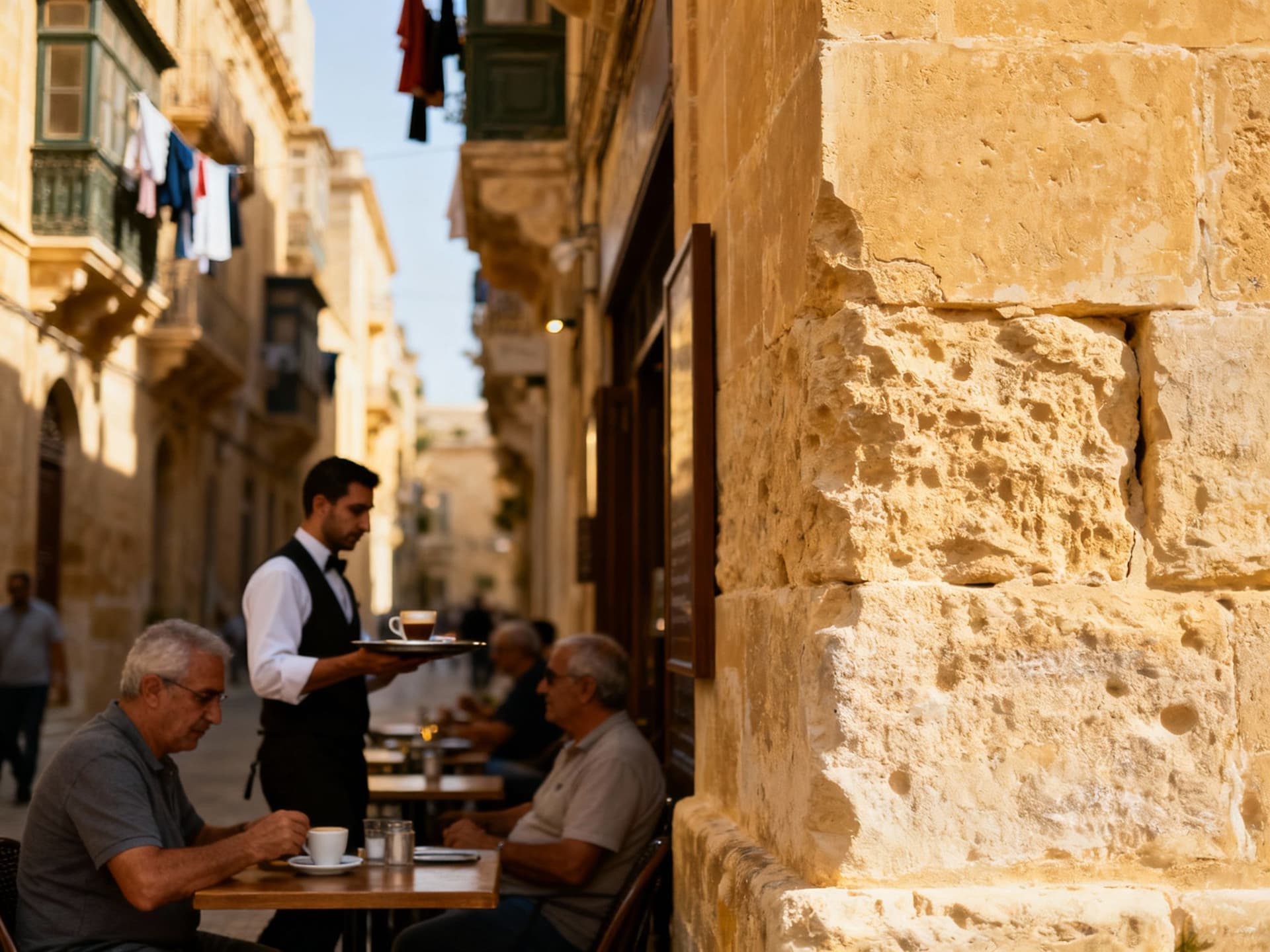
Malta’s rhythm is short commutes, late dinners and weekends that rotate between harbours and hilltop villages. Summers are full and loud — festas, open-air concerts and crowded bays — while winters are mild, quieter and better for exploring lanes without queues. Because the country is small, your weekend choices are granular: an art opening in Valletta, a fisherman’s lunch in Marsaxlokk, or a quiet swim in Ghajn Tuffieha. These patterns inform what you buy; a central apartment suits a social life, a coastal maisonette suits slow mornings and outdoor living.
Valletta and the Three Cities: history as daily backdrop
Valletta’s streets are a lived museum: limestone facades, Baroque churches and narrow alleys that still host daily life. If you picture sitting at Café Cordina before an opera night at the Manoel Theatre, that is accurate — the city blends civic ceremony with ordinary routines. Living here means exchanging private outdoor space for urban character; many buyers accept smaller interiors because they value proximity to culture, cafés and harbour views. Expect higher per-square-metre pricing for the central streets and a market that rewards careful patience rather than impulse buying.
Sliema, St Julian’s and Paola: coast, convenience and contrasts
Sliema and St Julian’s offer a different script: promenades, modern blocks and a more explicit service economy aimed at residents and tourists. The seafront apartments here catch light and renters, but they also carry noise and shorter-term tenancy churn in summer. Paola and some inner towns preserve a slower pace and offer comparatively better value, but they lack the international concierge feel found in Sliema. For buyers who prize seaside life and rental potential, the coastal strip is obvious; for those who want quieter neighbourhood life with access to a city centre, inland villages repay attention.
Making the move: property reality behind the postcard
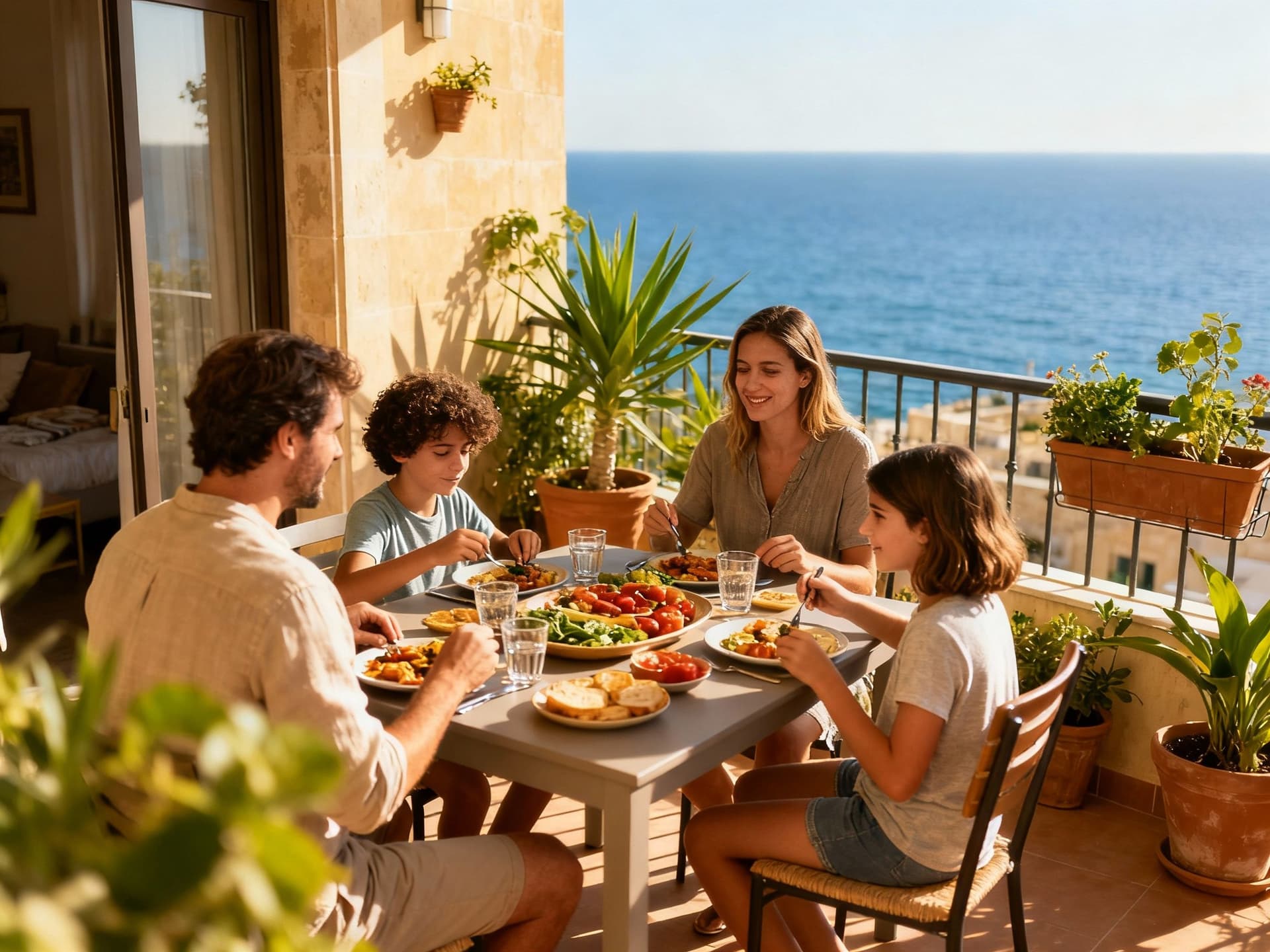
The market is not a romantic backdrop — it is data-driven and compact. Malta’s Residential Property Price Index has kept rising, with apartment and maisonette prices growing year-on-year, reflecting land scarcity and concentrated demand. That pattern means buyers face both limited stock and rising land value, especially in central areas and sought-after bays. Understanding where value is land-driven versus build-driven helps you decide whether to accept renovation work, pay a premium for location, or look to less obvious neighbourhoods for better long-term returns.
Property types and what they deliver
You will encounter apartments, maisonettes with street-level access, terraced townhouses and a handful of villas on Gozo or fringe coastal plots. Apartments maximise convenience and rental demand; maisonettes offer private outdoor space and street life but often need refurbishment. Traditional townhouses require conservation-aware renovations and deliver character that modern blocks cannot. Choose on how you want to live: social urban days, private outdoor mornings, or village calm — and match that to maintenance, planning constraints and potential rentalability.
How local experts turn lifestyle into purchase decisions
Work with agencies that know both streets and statutes — local agents translate neighbourhood quirks into usable choices. They can flag structural issues common to limestone buildings, the likely noise profile of a specific street during festa season, and layers of planning restrictions. A good agent also maps rental demand if you plan to let, or introduces local tradespeople for sympathetic restorations. Use their local intelligence to avoid paying for postcard appeal while missing liveability.
Insider knowledge: what expats wish they’d known
Practicalities alter the dream: expectations about residency, bureaucracy and community matter as much as weather. Recent rulings and policy shifts around citizenship-for-investment have changed the strategic calculus for some buyers; Malta’s post-2015 investor programmes are now subject to legal and political scrutiny which affects how residency and long-term rights are viewed. For many expats the surprise is small: English is widely spoken, but local networks, clubs and voluntary associations determine how quickly you settle in. The smart buyer anticipates administrative change and keeps legal counsel close.
Cultural integration: more than language
Language is not a barrier — English and Maltese coexist in daily life — but cultural integration depends on participation. Attend a local festa, take a short course at the Valletta campus, eat at neighbourhood bakeries and volunteer for a local group to build real ties. Those gestures open doors to quieter streets and local market knowledge that affect where you want to live. Expect friendships to form gradually; locals value consistency and face-to-face interaction.
Long-term realities and investment trade-offs
Malta’s scarcity makes holding property a common long-term strategy, but that comes with upkeep and regulatory attention. Coastal exposure demands materials and design choices that resist salt and humidity, and older stock often requires specialist restoration. Short-term rental pressure can inflate yields in summer but brings noise, management work and regulatory scrutiny. Balance income expectations with a conservative view of running costs and plan for contingencies.
Lifestyle highlights and street-level cues to watch:
Valletta: morning cafés, close-in cultural life, small interiors; premium per m².
Sliema/St Julian’s: promenades, strong rental demand, busier summer months.
Marsaxlokk and south bays: fish markets, village life, lower prices but longer commutes.
Inland villages (Rabat, Mosta): quieter daily life, better space for the price, less tourist churn.
A pragmatic six-step shortlist process for buyers
1. Map your daily life: list three non-negotiables (school, commute, social scene) and discard areas that fail two of three.
2. Visit in two seasons: one in high summer and one in winter to judge noise, services and genuine availability.
3. Commission a local surveyor familiar with Maltese limestone issues before offers; budget for conservation works.
4. Test rental demand if income matters: ask agencies for season-adjusted occupancy and realistic yield ranges.
5. Verify residency and investment rules with independent counsel — policy shifts have practical consequences.
6. Choose an agency that shows street-level knowledge, trade contacts and transparent past sales in the immediate area.
Final thoughts: live the scene, but price the ledger
Malta sells a lifestyle that is immediate and tangible: daily sea air, café-lined streets and a dense social fabric. That appeal is real — and it accounts for sustained price pressure recorded by the NSO and industry observers. Buy with a clear lifestyle brief, test neighbourhoods in different seasons, and work with local experts who understand both limestone and festa calendars. If you do, the island repays attention: you exchange square metres for quality of life, and that trade can be worth making when it is chosen deliberately.
Danish investment specialist who relocated to Costa del Sol in 2015. Focuses on data-driven market timing and long-term value for Danish buyers.