The Neighbourhood Others Avoid — Italy’s Value Opportunity
A contrarian case for buying in Italy’s overlooked neighbourhoods: everyday life, lower entry prices and practical steps backed by ISTAT and market data.
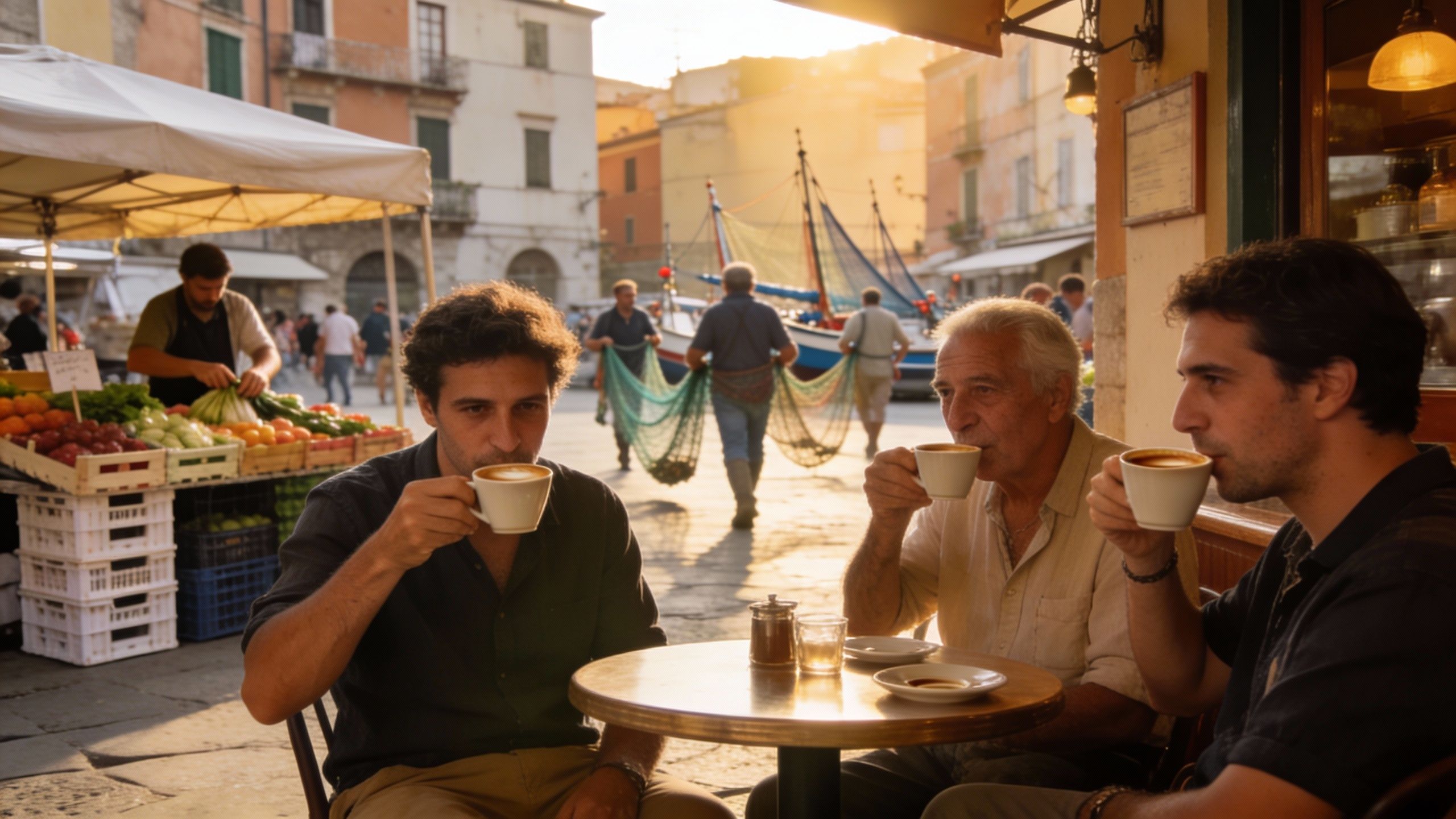
Imagine walking an ordinary Tuesday in an ordinary Italian neighbourhood — a barista calling out names, a fruit seller arranging figs, a small square where pensioners play cards. That slice of daily life is where value often hides. This piece argues the contrarian case: the quarter of Italian neighbourhoods locals avoid (industrial edges, post-war suburbs, ageing hill towns) are where international buyers can find lived-in lifestyle, lower entry prices and untapped upside — if they understand seasonality, local services and the right on-the-ground specialists.
Living the Italian lifestyle on the streets others overlook

Italy’s charm is not only in piazzas and palazzos. Real life happens in mid-century corridors, coastal working ports and the backstreets of commuter towns. These places offer quiet mornings, genuine markets, and cheaper square-metre prices without sacrificing access to cafes, trains and seasonal festivals. For buyers seeking authenticity over postcard scenery, these neighbourhoods deliver daily rhythms that feel Italian — espresso at the counter, a midweek mercato, sunday lunch that stretches into late afternoon.
Spotlight: Post‑industrial coastal towns — example: Taranto and parts of Genoa
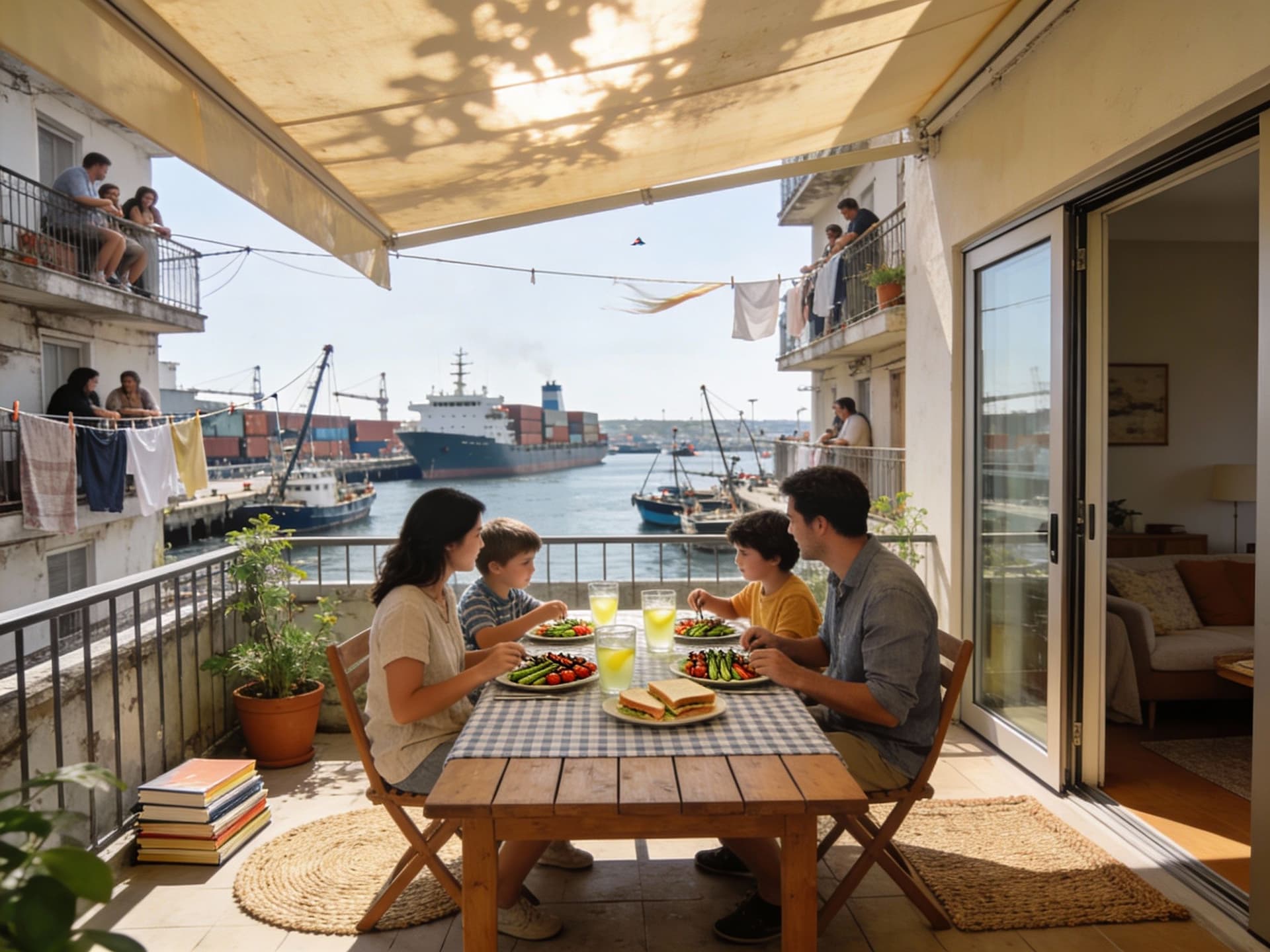
Walk Genoa’s Boccadasse at dawn and you’ll feel seaside poetry; step two kilometres inland and you hit working harbour districts with simple trattorie and broad apartment blocks. Taranto’s old industrial quarters sit near turquoise water and local markets. These areas keep rents and prices lower than city centres, yet they offer direct access to ports, regional trains and authentic food culture — seafood markets that open at 6am and family-run osterie that still close for riposo.
Food, market life and the quiet pleasures that matter
If your day begins with a morning market stall owner who knows your name, you have what many buyers seek: social capital that doesn’t show up on price lists. Smaller neighbourhoods often have weekly markets, family-run bakeries, and bars where locals gather. These are not tourist services; they are life-support systems. Buying here buys you a civic network, not a view.
- Lifestyle highlights to look for in overlooked neighbourhoods: Mercato hours and vendors you recognise; a reliable neighbourhood bar (morning and evening life); proximity to a regional train line; small public parks or squares; family-run restaurants with steady lunchtime trade; a functioning municipal services office within 10–15 minutes.
Making the move: where lifestyle meets the data
Italian house prices and turnover have been uneven: government data show prices of existing dwellings rose year‑on‑year in early 2025 while sales volumes recovered, driven by local buyers and returning mortgage availability. Listing sites record regional divergence — Milan and coastal hotspots outperformed smaller provincial towns. That divergence creates tactical openings: overlooked neighbourhoods often have lower entry prices while benefiting from national trends of rising existing-dwelling values. Use official indices to benchmark offers, and local listing data to spot micro-market gaps before they tighten.
Property types that suit local living — and the trade-offs
Three property types recur in these neighbourhoods: mid‑century apartment blocks (efficient, lower maintenance), terraced houses (good for families and rentals), and small, renovation‑ready historic homes (high upside, longer timelines). Each delivers a different lifestyle: apartments keep you in the street’s pulse; terraced houses give a small garden and storage; restorations buy character but require patience and local trades.
Working with local experts who understand ordinary streets
- 1. Ask for comparable recent sales on the exact street, not the district. 2. Hire a notary and solicitor familiar with regional planning rules and energy certification (APE). 3. Use a local architect to cost renovations early. 4. Confirm rubbish collection, water pressure and internet speeds — these matter for daily life. 5. Inspect the nearest hospital, school options and train schedules to assess long-term livability.
Insider knowledge: what expats wish they'd known
Expats often overpay for scenery and underestimate convenience. In contrast, buyers who choose a working suburb often gain better service access and a steadier community. The main surprises: seasonal services (banks and offices may shorten hours in August), neighbourhood identity (church and market schedules shape weeks), and micro-climate quirks (sea breezes can lower summer temperatures but increase humidity). Expect a learning curve; accept small inconveniences in exchange for daily authenticity.
Cultural integration and the practicalities of daily life
Language helps but isn’t a barrier to living well. Begin with a local barista and the market vendor — social fluency grows from weekly rituals. Local associations (pro‑loco, parish groups) are unexpectedly useful for trades recommendations and municipal navigation. Timing matters: buy in shoulder seasons (autumn or spring) to see neighbourhood routines outside summer tourism and before local markets close for August.
Long-term lifestyle and value: what to expect
If you plan to live, rent occasionally, or renovate and hold, overlooked neighbourhoods can deliver steady capital preservation with occasional uplifts tied to local regeneration or transport improvements. Expect slower liquidity than city centres, but also fewer speculative swings. Your best protection is a clear renovation budget, verified comparable sales and a local agency that reads community patterns rather than glossy brochures.
- Quick practical checklist before you make an offer: Ask for recent comparable sales on the same street; commission an APE energy certificate and technical survey; get preliminary renovation quotes from a local architect; verify municipal services and transport timetables; confirm tax residency implications with a cross-border accountant.
Conclusion — The neighbourhood others dismiss can become your daily advantage if you see beyond the headline. You buy the life you want by inspecting routines: where people queue for coffee, where markets set up, and how public transport serves weekdays. Pair that street‑level intelligence with official indices and a local team that understands ordinary Italian logistics. The result: an authentic Italian life, at a price that often surprises buyers who came for the postcard and stayed for the neighbourhood.
Danish investment specialist who relocated to Costa del Sol in 2015. Focuses on data-driven market timing and long-term value for Danish buyers.