Where Italy’s Value Hides: Lifestyle‑Led Emerging Corners
Explore Italy’s lesser-known towns where daily rituals, markets and local life deliver better value — backed by ISTAT and industry forecasts for targeted buys.
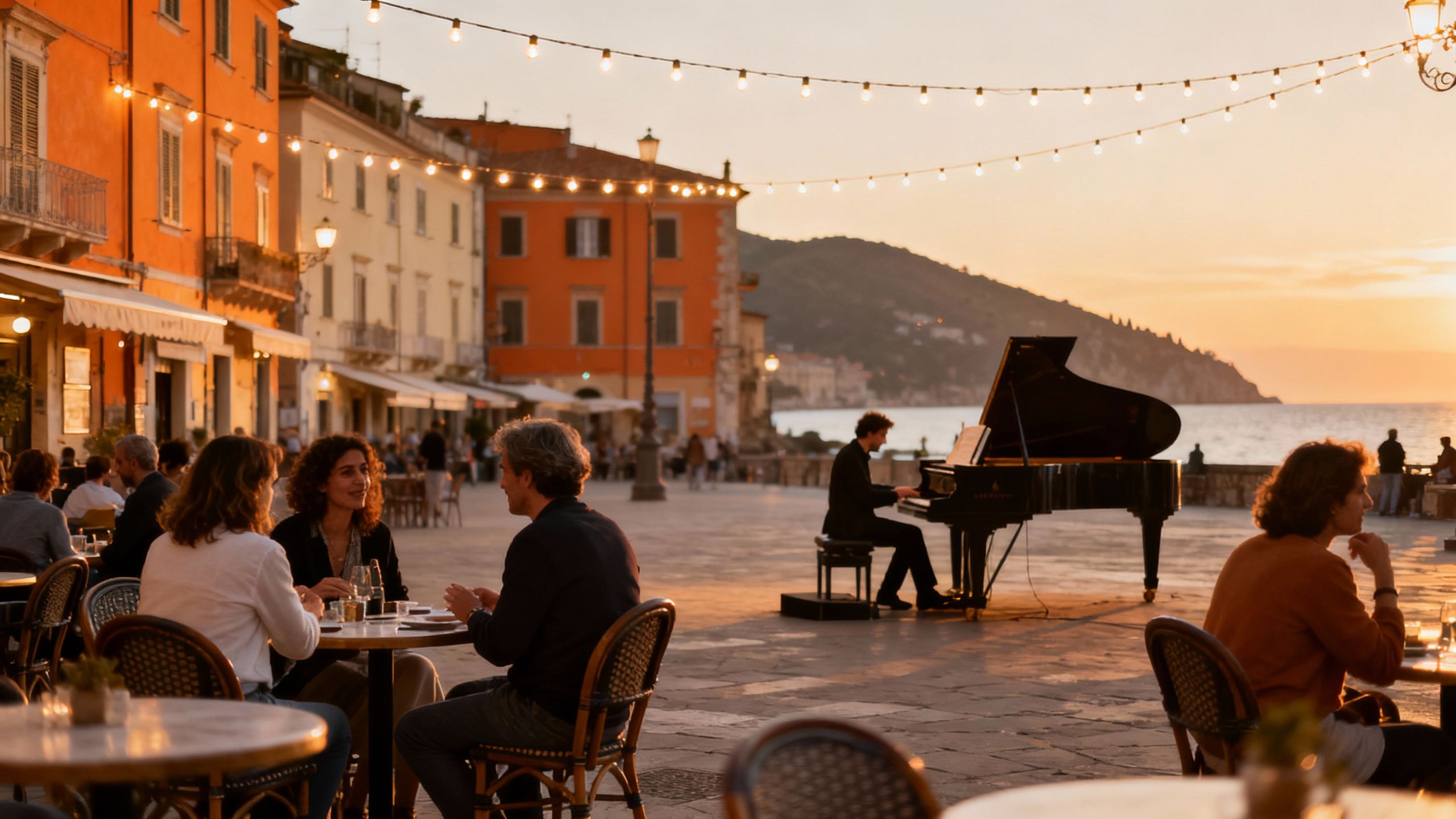
Imagine stepping out at dawn for a cornetto in a quiet piazza, then wandering past a bar where the owner knows your name. Italy’s rhythms—coffee, mercato, an evening passeggiata—shape how you live more than a floor plan ever will. That daily life is why parts of Italy that look "off the radar" on price lists suddenly feel like home. Recent market analysis shows modest national price rises and stronger regional divergence; for buyers who prioritise lifestyle, this split is where opportunity sits. cite
Living the Italy lifestyle: what you'll actually wake up to
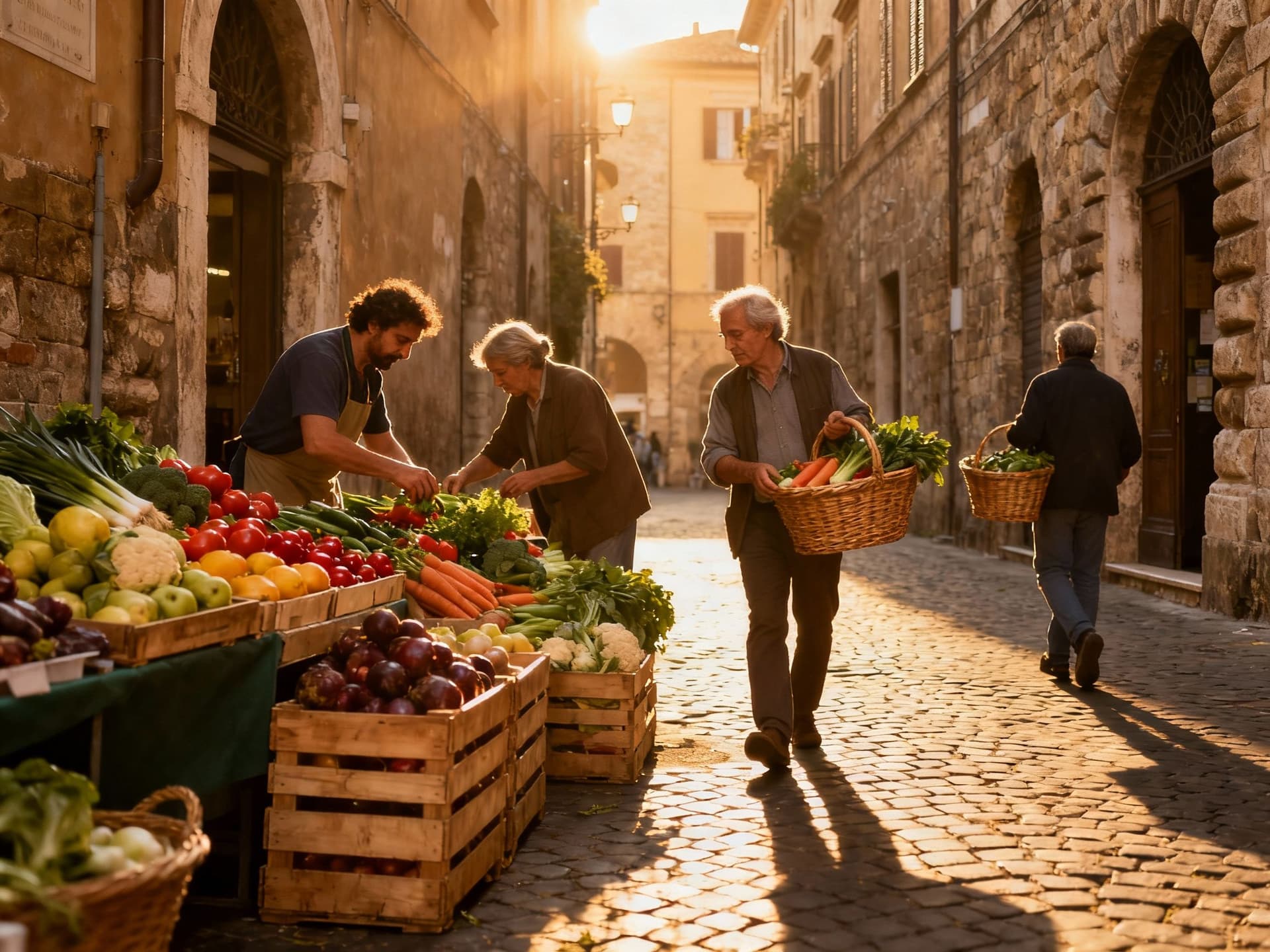
Italy means neighbourhoods with everyday rituals. In cities you find espresso bars on narrow lanes—Milan’s Brera or Rome’s Trastevere—while small towns deliver weekly markets and community dinners. Recent EU data shows house-price growth was uneven across Europe; Italy’s recovery has been steady but localised, making micro-neighbourhood choices decisive. cite
Milan, Rome, Florence—and the quieter towns that surprise
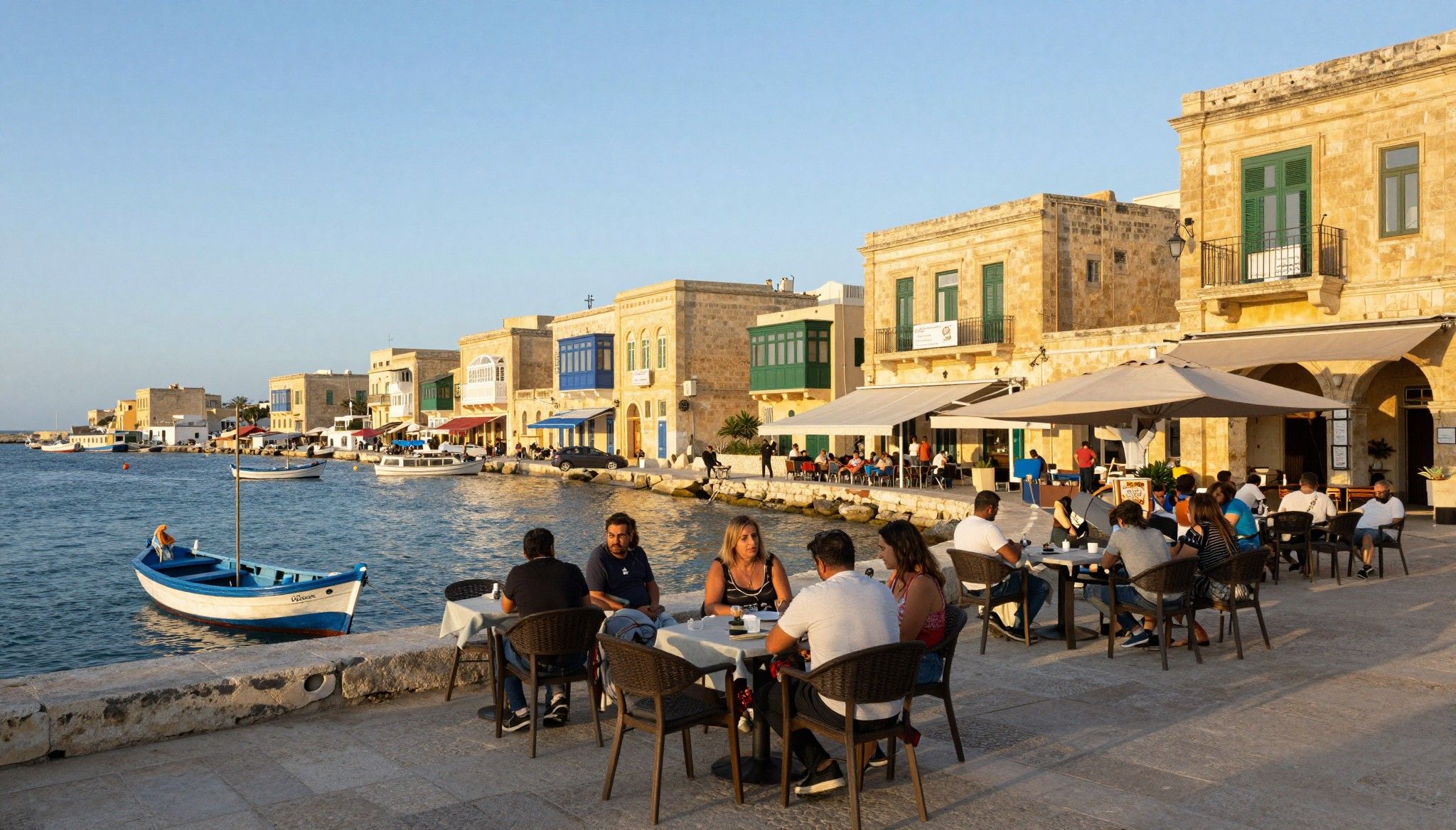
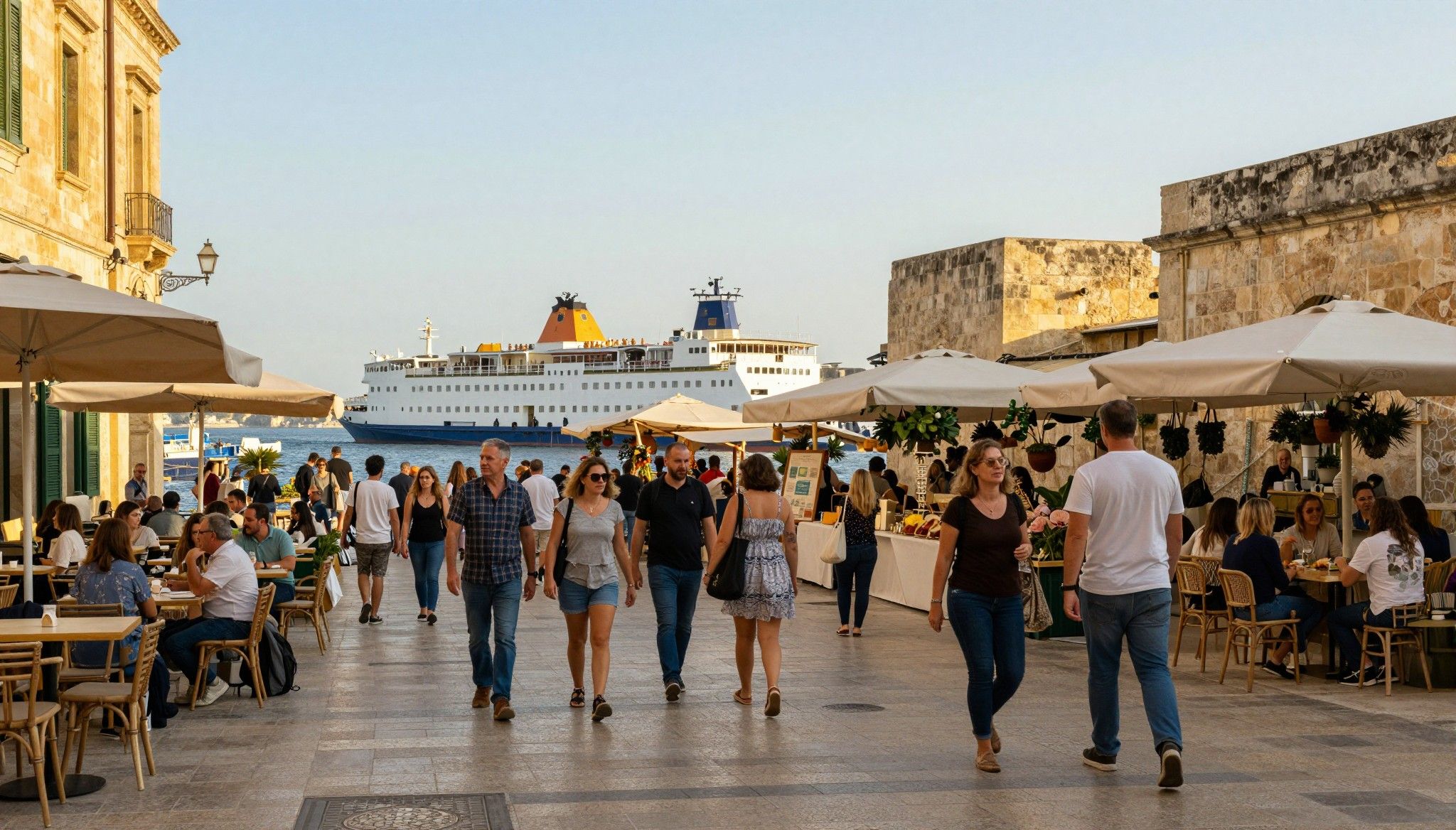
Milan remains Italy’s financial and cultural magnet; Rome is staging a comeback as investors look beyond Milan’s premium. But the real lifestyle value often sits in medium-sized provincial towns—Perugia’s university energy, Lecce’s baroque streets, and the quiet villages around Lake Garda—where daily life is local, markets are excellent, and community ties are strong. Those places can deliver the Italian life at a lower price point than headline cities. citeturn0news14
Food, markets and the neighbourhood rhythm
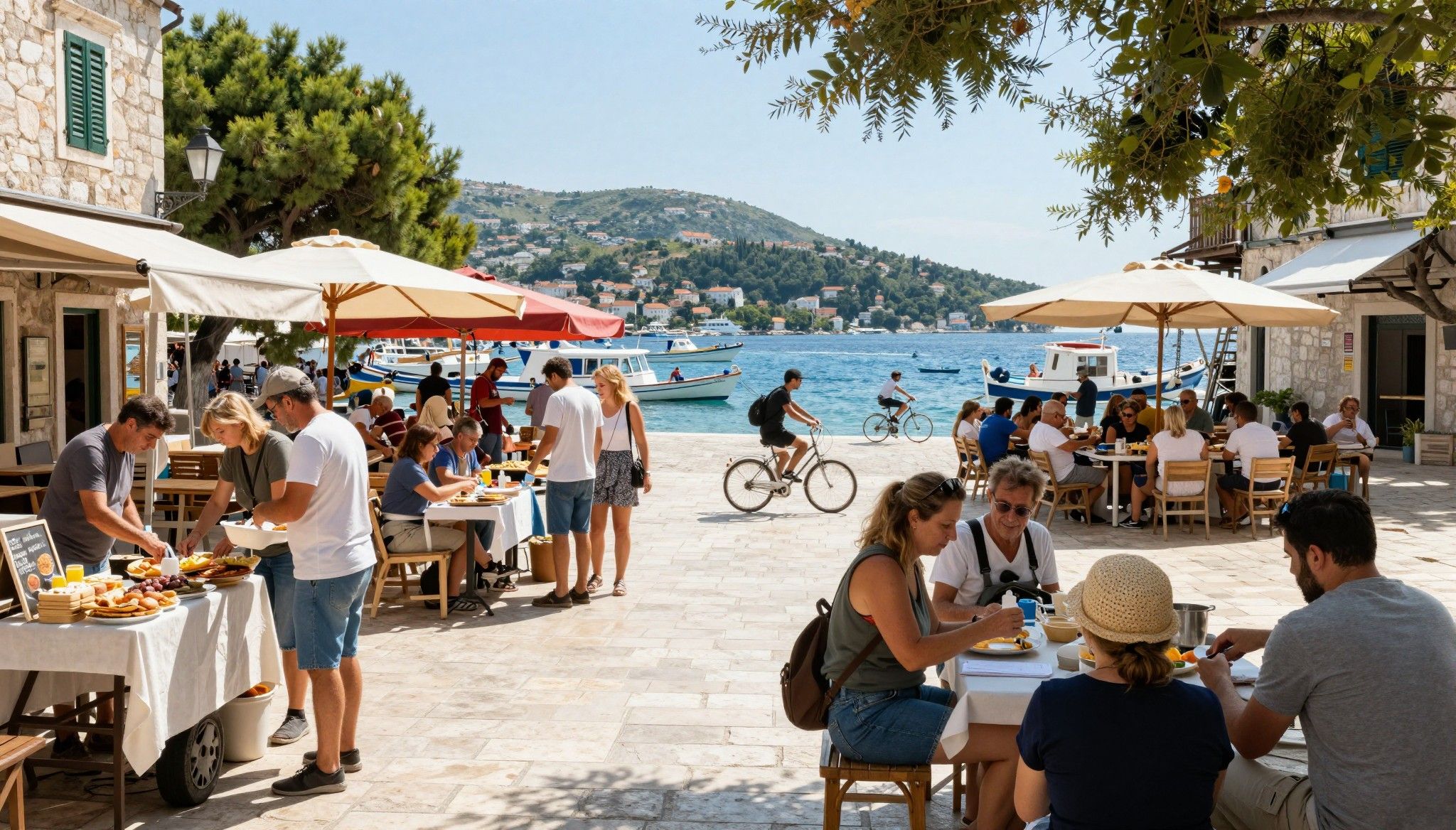
Market stalls define the week in many towns. Saturday mercato in Bologna or Palermo means seasonal produce, shopkeeper gossip and instant recipes from neighbours. If you choose a neighbourhood within walking distance of a market or a reliable bar, you’ve bought more than property—you’ve bought frictionless days. This choice matters for rental demand too: properties near authentic daily life attract longer-stay tenants and returning holiday-makers.
- Daily lifestyle highlights to prioritise when you visit
- A piazza with morning cafés and an evening crowd (local name of the square matters)
- A weekly mercato within walking distance for fresh produce and social life
- A reliable, well-reviewed neighbourhood trattoria or osteria where you can become a regular
Making the move: lifestyle-led practical considerations
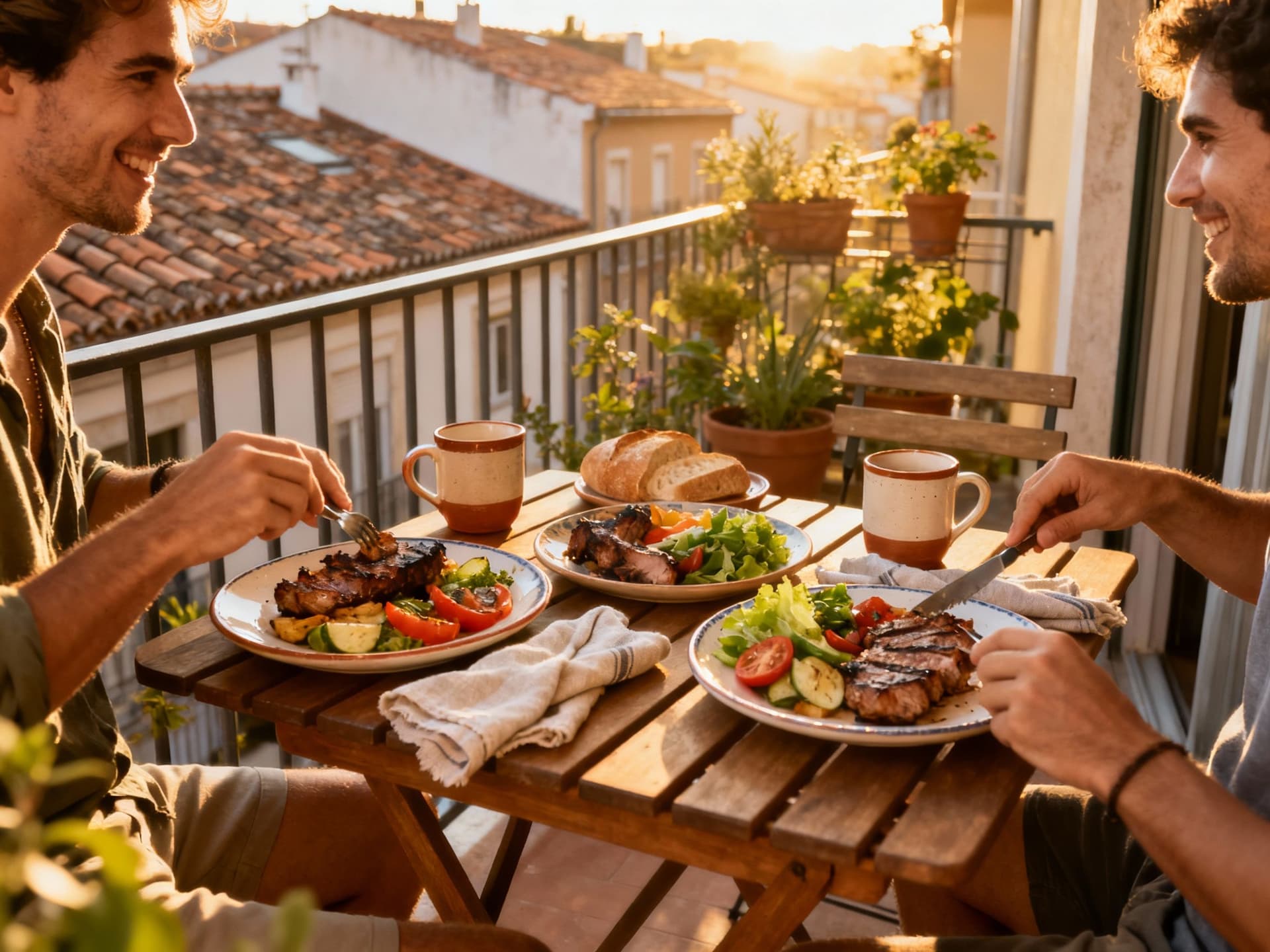
Lifestyle must meet market reality. National data and industry forecasts indicate modest price increases and rising transactions, but with clear regional variation. Match your lifestyle priorities—walkability, market access, seaside life—to property types that perform under local demand conditions. Use official HPI data and local market reports to test assumptions before making offers. cite
Property types that fit the life you want
A historic centre apartment gives immediate culture and walkability but often limits parking and modernisation. A village house offers outdoor space and quieter streets but can require renovation and energy upgrades. New-builds near regional hubs (e.g., towns around Bologna, Verona or Padua) blend convenience with modern systems—useful if you want lower maintenance and better energy performance.
Working with agencies who know the neighbourhood life
Select agencies that can speak in street-level terms, not just price per square metre. Ask agents for: recent comparable sales on the same street, the cadence of rentals across seasons, and introductions to local artisans or contractors. A good agent becomes your translator—of language, of custom, and of micro-neighbourhood value.
- Six steps to marry lifestyle and value when making offers
- Confirm daily rituals: visit morning and evening to test noise, light and market life
- Check serviceability: internet speed, health clinics, and transport for the lifestyle you want
- Ask for recent local comparables on the same street and review energy performance certificates
- Factor renovation reality into the offer—historic fabric often hides costs
Insider knowledge: what expats wish they'd known
Expat experience converges on a handful of truths: language matters less at the market than at the bank; seasons reshape life and rental demand; and tax regimes can change the arithmetic on your purchase. Recent reporting highlights incentives that attract foreign residents to cities like Milan; factor those programs into longer-term living costs and tax planning. citeturn0news13
Cultural rhythms and integration
Join language classes, volunteer at a market stall, and use local services to meet neighbours. Integration is often practical—attending the parish festa, finding a regular dentist, or leaving produce with the neighbour. These routines convert a house into a home faster than any renovation.
Longer-term lifestyle realities
Think five to ten years ahead: will the area attract second-home demand? Are demographics shifting toward younger professionals or retirees? Places near universities or emerging cultural hubs often sustain steady demand; remote-work diffusion can lift countryside towns within commutable distance to regional hubs.
- Red flags local life reveals
- Empty streets on weekdays (sign of decline rather than tranquility)
- A market that runs only seasonally if you want year-round food culture
- Opaque utility histories or missing energy certificates
Conclusion: buy the life, then test the ledger. Start with the scene you crave—morning market, evening piazza, or coastal rambles—and let that preference steer neighbourhood selection. Back the emotional choice with hard data: ISTAT indices, local comparables, and a shortlist of agents who give street-level detail. If you marry sensory research with data, Italy’s quieter corners can deliver both daily enchantment and sensible long-term value.
Swedish expat who moved from Stockholm to Marbella in 2018. Specializes in cross-border legal navigation and residency considerations for Scandinavian buyers.