Why Winter House‑Hunting Beats Summer in Italy
See Italy in winter: fewer buyers, clearer defects, and better negotiation leverage—use off‑season visits to match lifestyle with durable long‑term value.
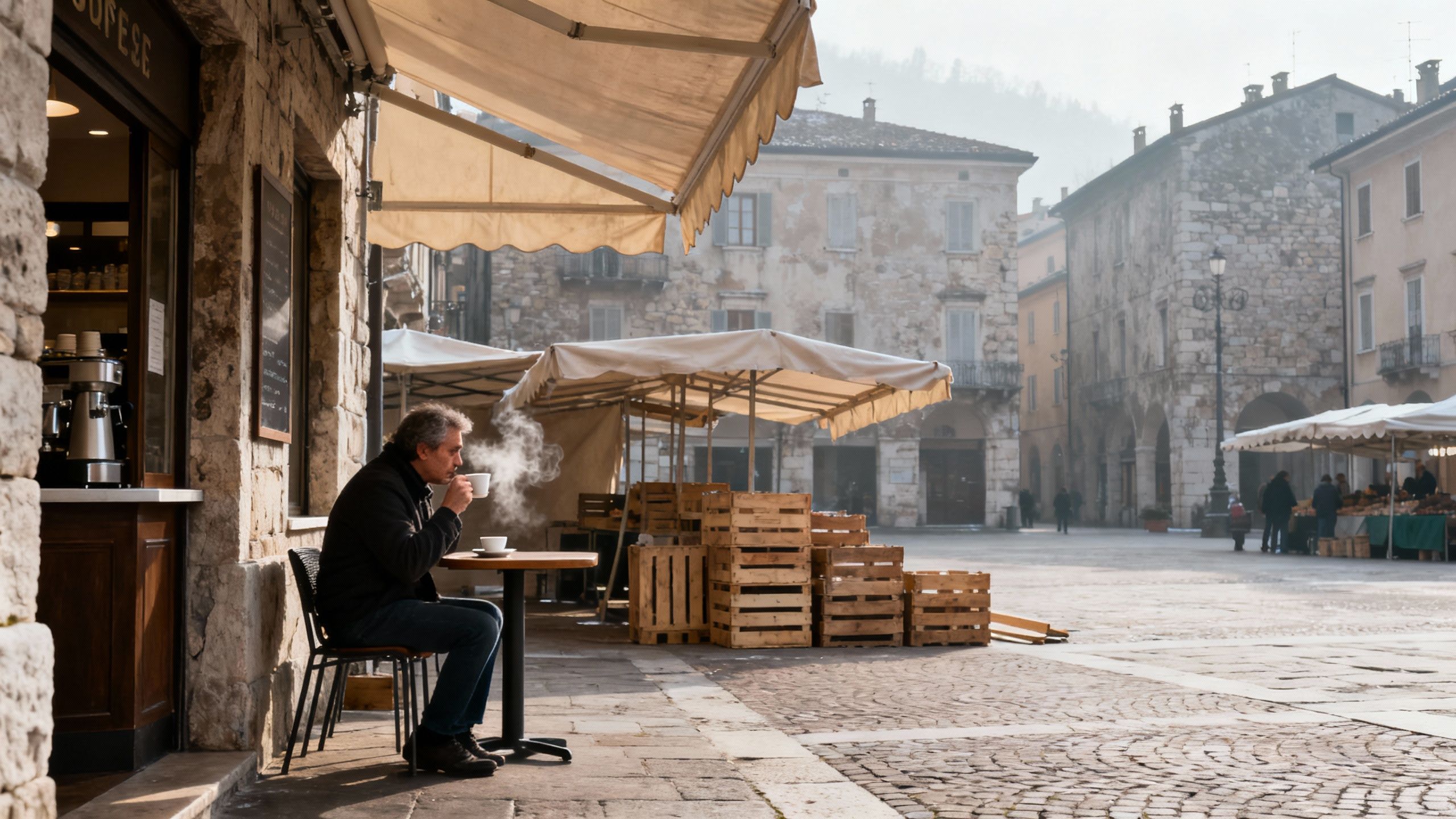
Imagine sipping espresso at 9am in a piazza where shopkeepers sweep steps and winter light slants low across terracotta roofs. Italy’s rhythm is seasonal — and that seasonality changes how smart buyers find value. Contrary to the summer‑brochure logic, winter can be the clearest, quietest, most strategic time to house‑hunt here.
Living the Italy lifestyle — season by season
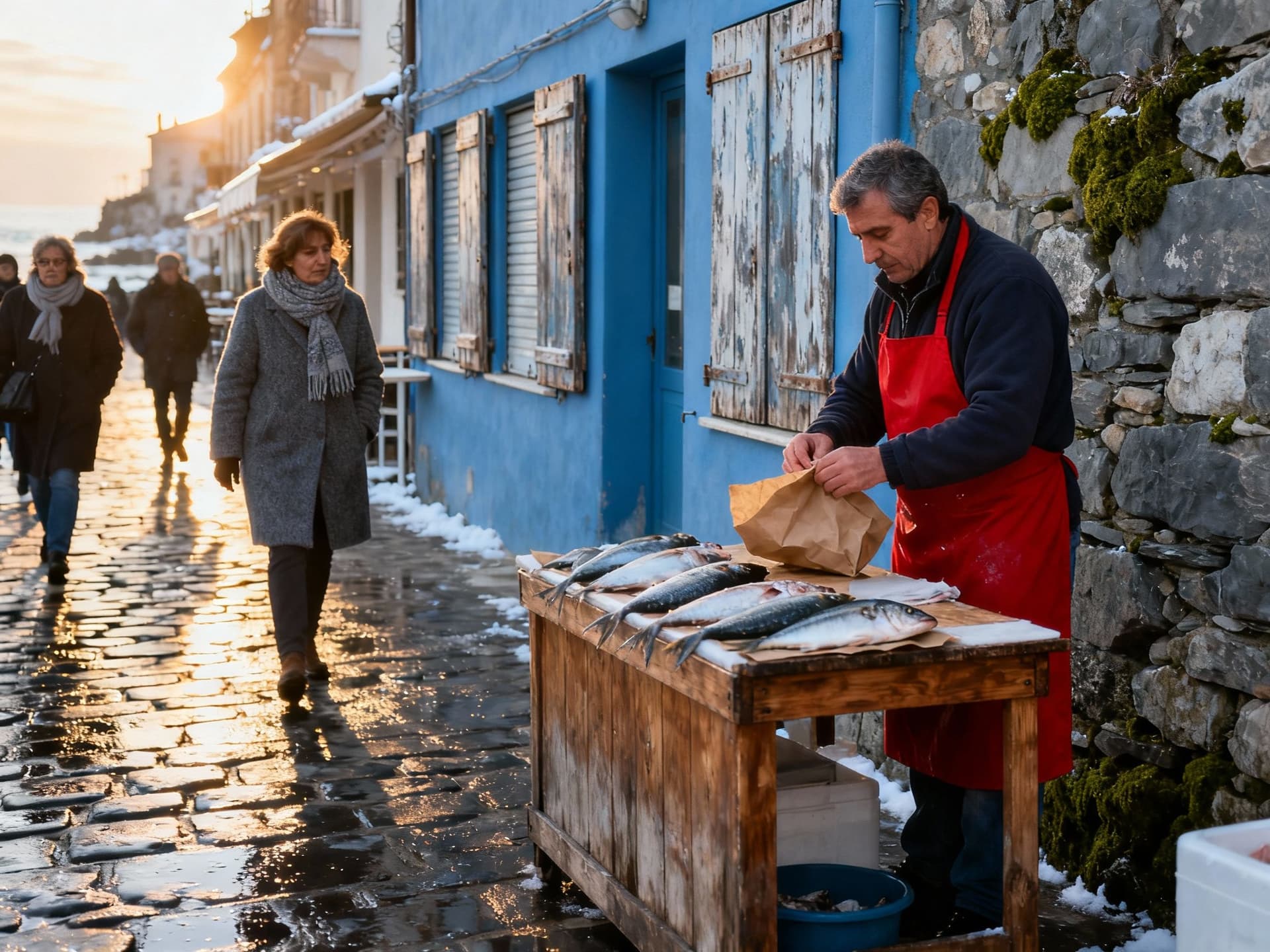
Daily life in Italy is shaped by sun and calendar. Mornings begin with short, sharp coffee rituals; long lunches are rare in business hubs but alive in provincial towns; evenings gather at the bar for an aperitivo. Properties feel different depending on the month: a seaside terrace hums in July, a Tuscan cottage reveals its insulation flaws in January.
Neighborhood microcultures: Milan, Matera, Ligurian villages
Walk a morning in Milan’s Navigli and you meet designers and commuters; in Matera’s Sassi you feel history pressing into daily life; in Liguria’s small towns — Camogli, Levanto — fishermen still tie nets at dawn. These microcultures affect what you value: proximity to coworking in Milan, thermal efficiency in inland hilltop homes, or salt‑proof materials on the coast.
Food, markets and the calendar that guides buying decisions
Weekly markets, regional food festivals and harvest seasons reveal local life in ways glossy listings cannot. Truffle season in Piedmont, chestnut fairs in Umbria, and weekday fish markets in Naples show which neighbourhoods hum year‑round and which are purely seasonal playgrounds — a distinction that matters for rental income and community integration.
Making the move: practical considerations that follow the lifestyle
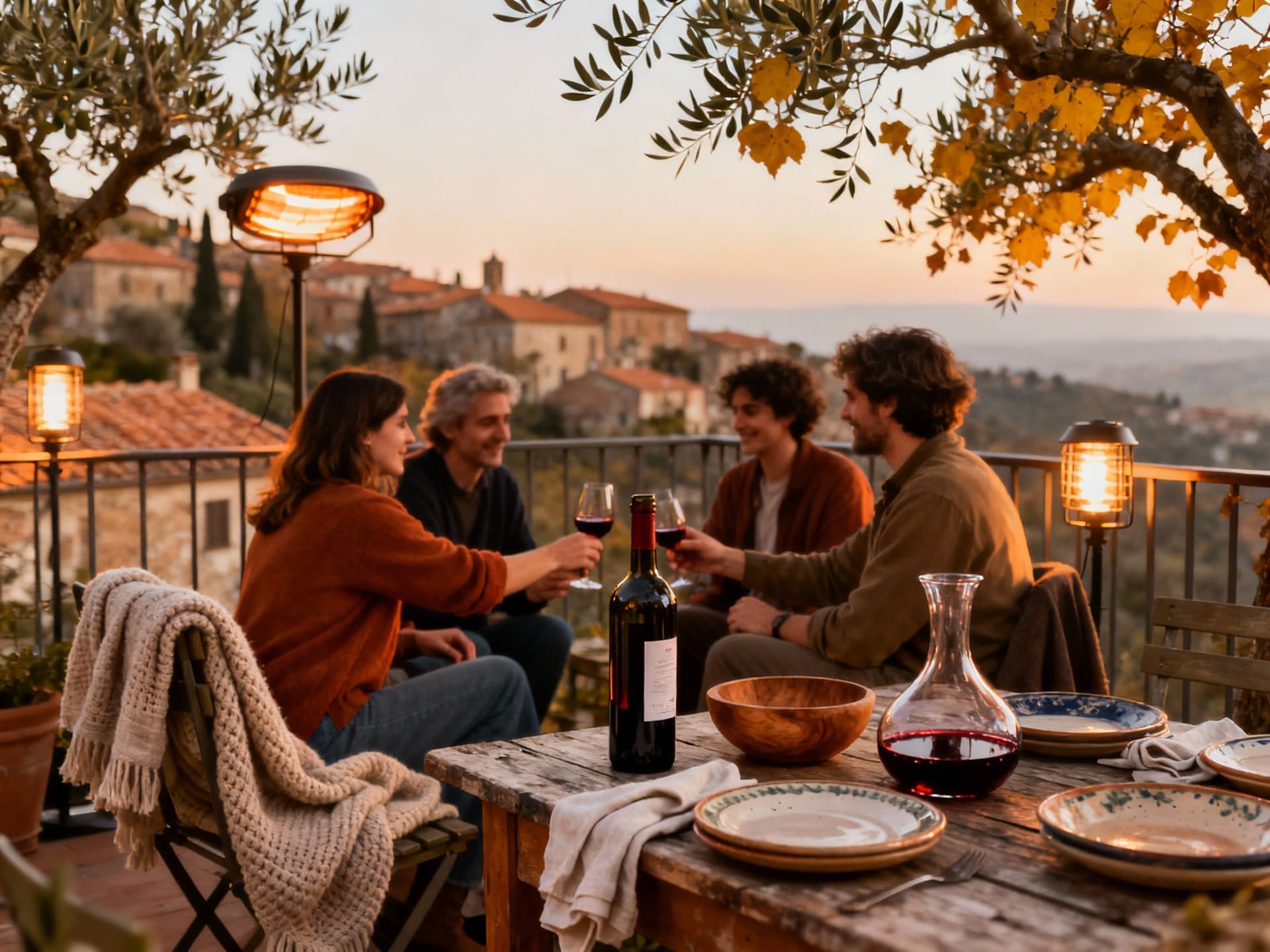
The choice to buy in Italy should begin with lived experience: spend a winter, not just a summer. Market flow, renovation needs and running costs become visible off‑season. Data shows rising transaction activity across 2024–25, but the seasonal lens helps you interpret that activity for your purpose — home, retreat or revenue.
Property styles and what they mean for year‑round living
A medieval stone house offers character and thick walls but often needs modern heating and insulation; a modern apartment in an Italian city solves comfort but trades outdoor space. Match the building to climate and use: coastal buys demand salt‑resistant materials, inland stone needs attention to damp and heating systems in winter.
Working with local experts who understand seasons
Local agents, architects and surveyors who live through all seasons spot issues tourists miss: inadequate insulation, problematic solar orientation, or municipal limits on renovations. Seek advisers who can produce winter photos, recent energy bills and municipality communications — practical proofs that a property functions beyond the brochure.
Steps to a seasonally informed purchase
Visit off‑season, commission an energy audit, confirm winter service (roads, plumbing), ask for recent utility bills, and review town planning notices before offer.
Insider knowledge: common mistakes expats make (and how winter helps avoid them)
Expats often buy by the postcard — a sunlit terrace in July — and later discover mold, noisy tourism, or inaccessible roads in winter. Seeing a place in January reveals heating performance, neighborhood rhythm and municipal services. Buying after one summer visit increases the chance of unpleasant surprises.
Cultural realities that shape daily life and ownership
Local bureaucracy moves at its own pace. Registering residency, arranging utilities or securing permits requires patience and local help. Language matters: a few legal terms and municipal phrases change meanings. Integrating into small communities takes time — show up in low season and you’ll meet the people who actually run the place.
Tax realities: purchase taxes, VAT on new builds and IMU vary by residency and property class. Non‑resident buyers commonly face different registration tax percentages and should verify principal‑residence clauses (e.g., 18‑month residency requirements that affect taxation). Talk to an accountant early to model real running costs.
Why winter can deliver better offers and clearer due diligence
Fewer competing buyers and less tourist distortion on comparable sales.
Sellers with properties that fail in winter are more likely to reduce price or disclose problems when confronted with off‑season evidence.
Municipal services, road access and heating performance are observable rather than inferred.
Practical checklist for winter house‑hunting in Italy
Bring a local civil engineer or architect to inspect damp, insulation and roofs.
Request 12 months of utility bills and recent condominium meeting minutes for shared buildings.
Confirm road maintenance, snow clearance and year‑round public transport timetables with the municipality.
Ask your agent for winter and summer photo sets and recent tenancy histories if you plan to rent.
How local agencies add value in off‑season searches
A diligent agency will coordinate inspections, secure municipal attestations and produce seasonal performance reports. Choose firms with bilingual staff, local tax partners and a record of off‑season deals — those are the agents who understand how a place behaves when the postcards stop coming.
Final thoughts: move beyond the postcard and buy what serves the life you want. Visit in winter, test the systems, and let quieter months reveal value. When you combine Italy’s seasonal truths with local expertise, you buy not just a property but a sustainable life.
Norwegian market analyst who serves Nordic buyers with transparent pricing and risk assessment. Specializes in residency rules and tax implications.