Why Winter House‑Hunting in Italy Uncovers Value
Visit Italy in winter: quieter streets reveal year‑round life, technical flaws and negotiating leverage—practical checks that save buyers money and regret.
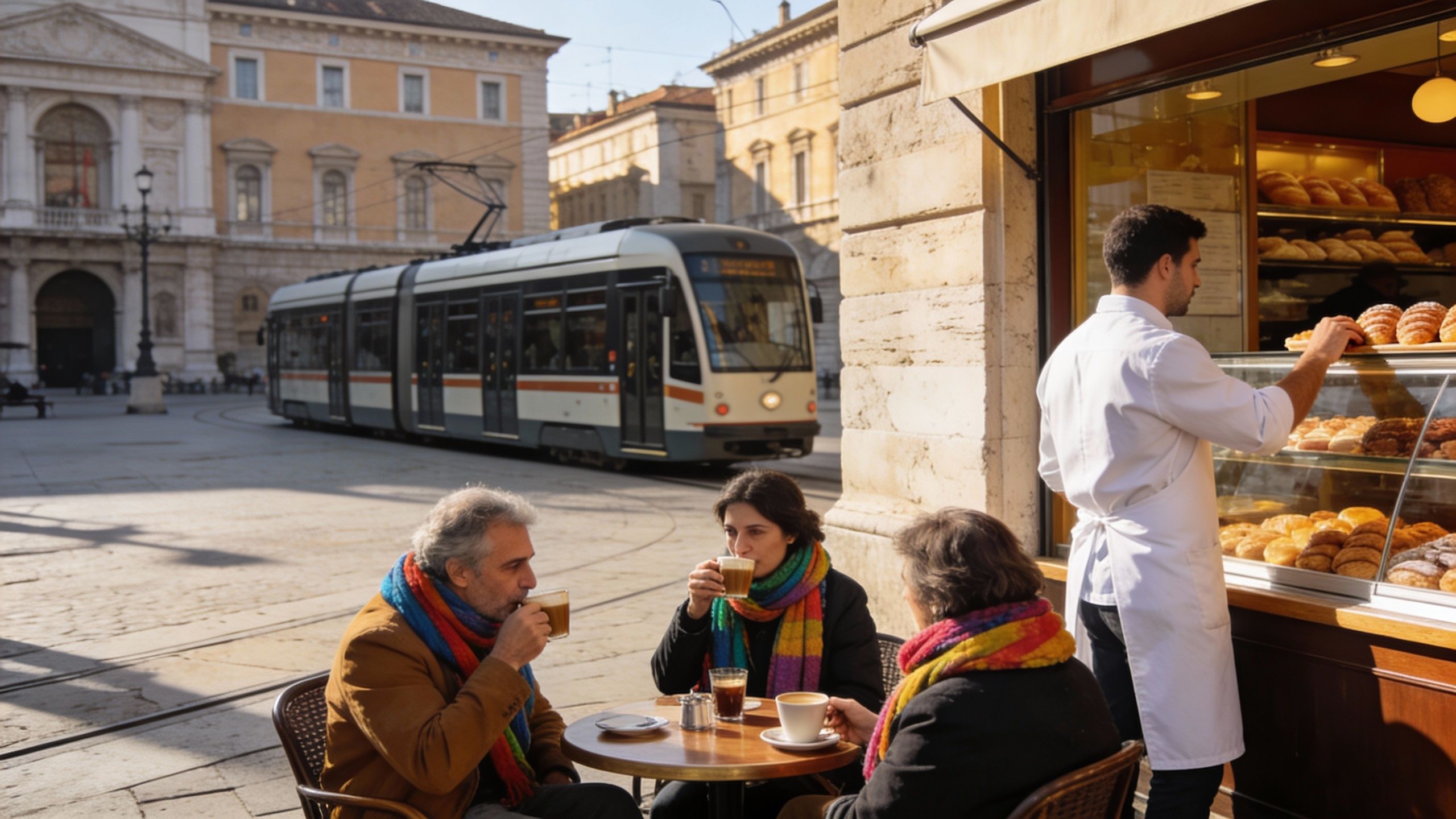
Imagine a Tuesday in January: you step from a tram into a nearly empty Piazza Navona, the mercato stalls closed but the cafés open, and a local baker slides a warm maritozzo into your hand. Winter in Italy thins the tourist crowd, sharpens light on stone façades and—if you know where to look—creates negotiating leverage that summer buyers rarely see. Recent market analysis shows activity shifting seasonally; for many international buyers, the off‑season is when opportunity quietly appears. (Sources cited below.)
Living the Italian lifestyle in low season
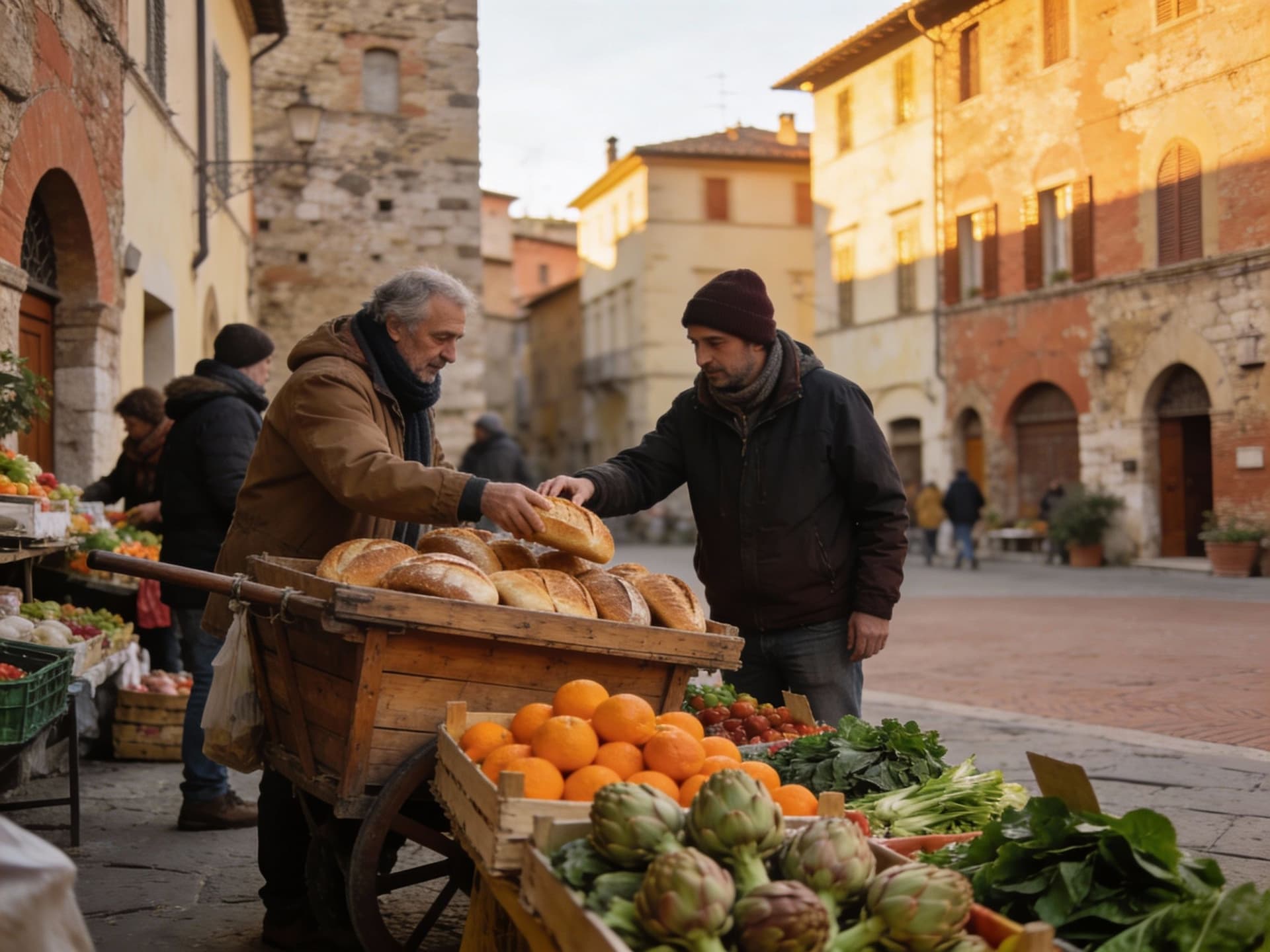
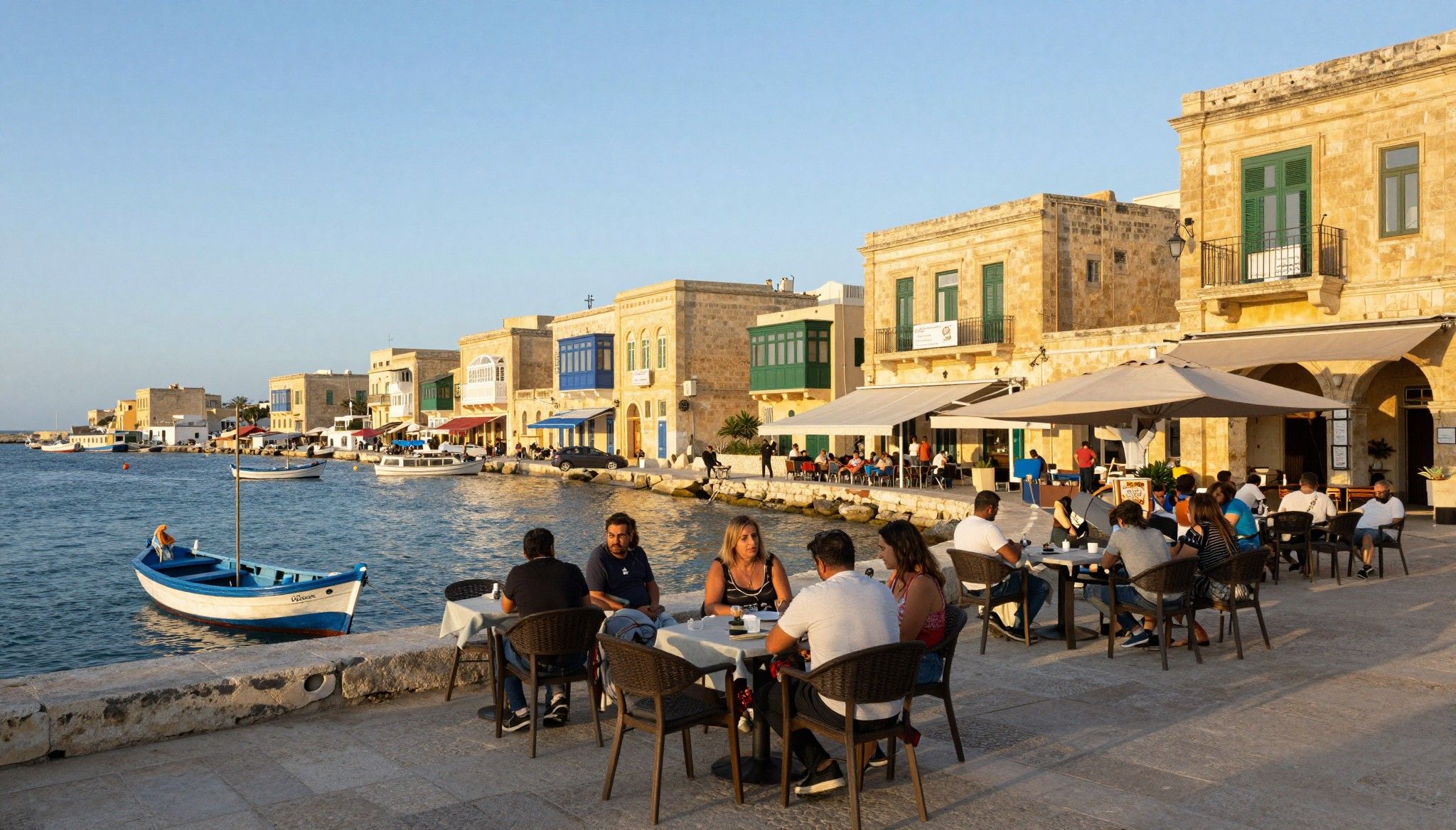
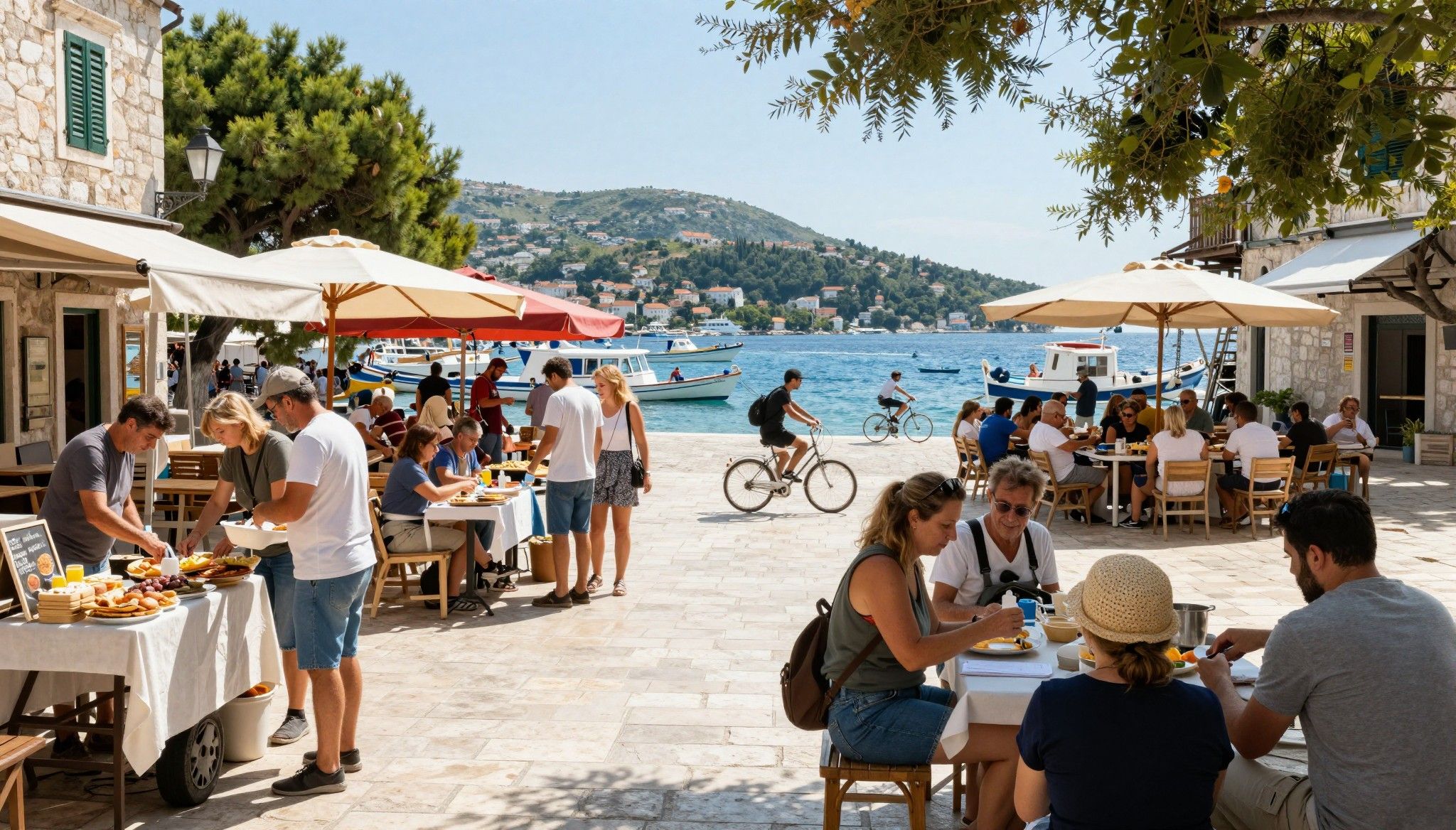
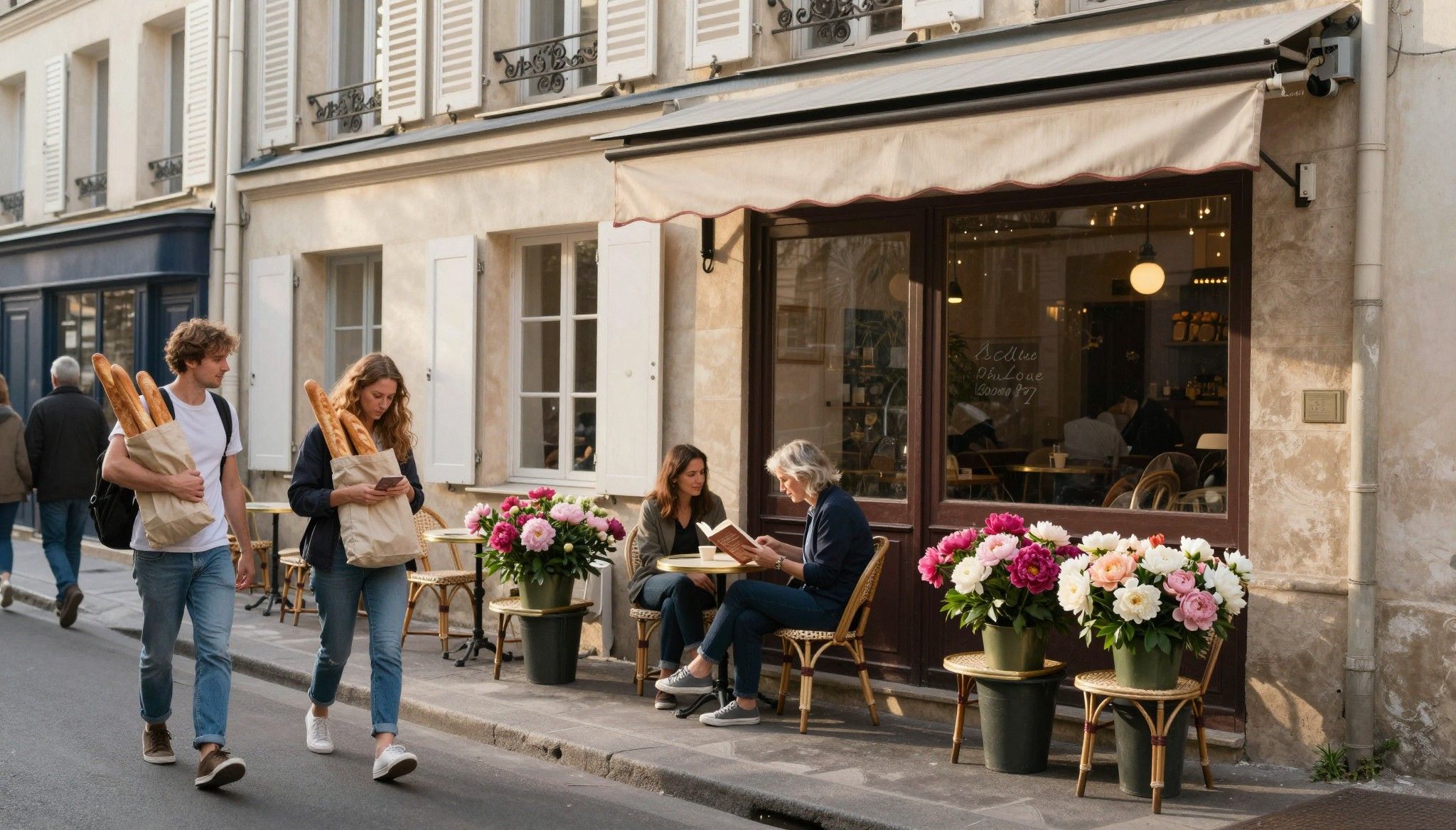
Italy’s daily rhythm tightens in winter. Streets clear. Neighbourhoods reveal their resident character rather than their postcard surface. In cities such as Rome and Milan, you hear more Italian than English on buses. On the coast—from Liguria’s corniche to Puglia’s rocky beaches—cafés become local hubs rather than tourist stages. This is when you discover if a place is lived in year‑round or built for summer postcards.
City pulse: Trastevere, Testaccio, Navigli
In Rome, Trastevere’s lane lighting and late‑night osterie reveal a neighbourhood that supports daily life beyond tourist hours. In Milan, Navigli’s smaller canals are quieter, and Testaccio’s markets hum with weekend routines. Visit in winter and you’ll meet shopkeepers, school parents and neighbourhood committees—the people who will shape your life there, not the summer crowds.
Countryside & coast: Chianti backroads to Ligurian coves
Tuscany’s hill towns are more honest in low light—markets focus on staples, trattorie serve slow stews, and you can tour properties without a line of day‑trippers. On the Ligurian coast, blue‑flag beaches empty and you learn which towns sustain year‑round commerce. These are practical signals: active local services in winter mean a neighbourhood is a place to live, not merely a seasonal set piece.
- Lifestyle highlights to check in low season: morning market at Campo de' Fiori (Rome); espresso at Bar Basso (Milan) before business; fish market in Viareggio on a rainy weekday; local wine bar in Oltrarno after sunset; commuter train from Sestri Levante to Genoa on a Tuesday.
Making the move: practical considerations in winter
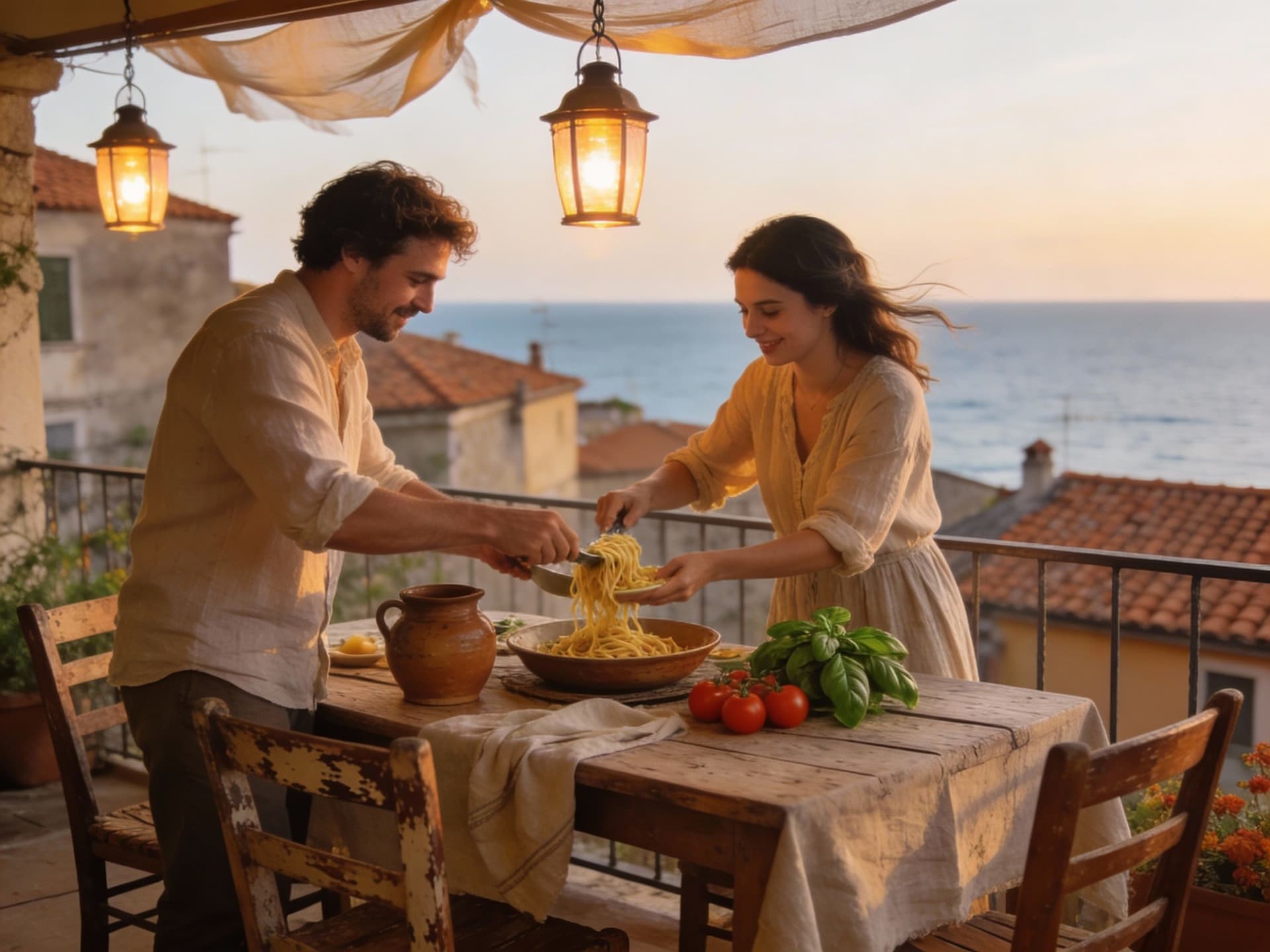
The romanticism of a quiet piazza must meet market reality. Recent OMI and industry reporting indicate that while headline volume varies between cities, price dispersion within urban areas is large. Winter viewings give you time to verify those micro‑differences. Use cold‑season visits to test heating systems, insulation, and winter sunlight—factors that matter more than a summer terrace view.
Property types and how they live in winter
Historic centre apartments have charm but often weaker thermal performance. Newer builds on city edges give better heating efficiency and parking. Coastal villas can feel exposed in winter—check stormproofing and damp control. For remote work, confirm broadband availability (many rural pockets still lag) and ask sellers for recent energy bills to model true winter costs.
How local experts change a winter purchase
An agent who works year‑round will know which neighbourhoods operate in low season. Lawyers and surveyors can prioritise cold‑season checks—damp, roofs, heating. Expect agencies to offer off‑peak viewings with more negotiating room: vendors who list in winter are often motivated. That translates into clearer pricing signals and, sometimes, measurable savings.
- Winter house‑hunting checklist: 1) Inspect radiators, boilers and insulation; ask for recent energy bills. 2) Attend a weekday morning to assess local services (bakery, pharmacy, post office). 3) Ask the agent about year‑round occupancy versus short‑let turnover. 4) Request a structural survey focused on damp, roof integrity and drainage. 5) Compare advertised summer photos with winter visits to detect cosmetic masking.
Insider knowledge: what expats wish they'd known
Expats often arrive charmed, then discover practical mismatches: heating that's inadequate, neighbourhoods that switch off after September, or broadband that struggles for remote work. Those who thrive plan for seasonality. They buy where neighbours live all year and prioritise property features that support winter comfort as much as summer views.
Cultural cues and community life
Learn local rhythms: the long lunch, late dinner, and the importance of local festivals. Join small weekly markets and sign up for a language class at the town library. These are not tourism add‑ons; they are how you integrate. Tax incentives for new residents are real for some buyers, but they do not replace on‑the‑ground due diligence about neighbourhood life.
Long‑term lifestyle and investment trade‑offs
Buying for life means prioritising services, connections and community resilience. Buying for return shifts focus to tourist hubs and high‑yield short lets. Many buyers attempt both. The pragmatic approach is hybrid: choose a primary residence in a liveable neighbourhood and a secondary asset where tourist demand is predictable, while always budgeting for season‑specific maintenance.
- Red flags to spot on winter visits: closed local shops indicating seasonal economy; telltale mould on ceilings; single‑glazed windows in cold climates; absent neighbours for long stretches; broadband speed under 30 Mbps where you plan to work remotely.
Conclusion: If you want to live Italy rather than visit it, go in winter. You will see how the place behaves when the fireworks are gone. You'll feel the daily economy, test infrastructure and often negotiate from a position of advantage. Work with advisers who know low‑season signals: agents who show year‑round listings, lawyers who arrange winter‑focused surveys, and property managers who understand seasonal maintenance. The result is a purchase that fits real life—sunny summers included.
British expat who relocated to Marbella in 2012. Specializes in rigorous due diligence and cross-border investment strategies for UK and international buyers.