Buy Italy’s Coast in Winter: The Case Against Summer House‑hunting
Why summer viewings mislead: ISTAT and Nomisma show Italy’s regional splits — off‑season visits reveal negotiation power, service continuity, and hidden costs.
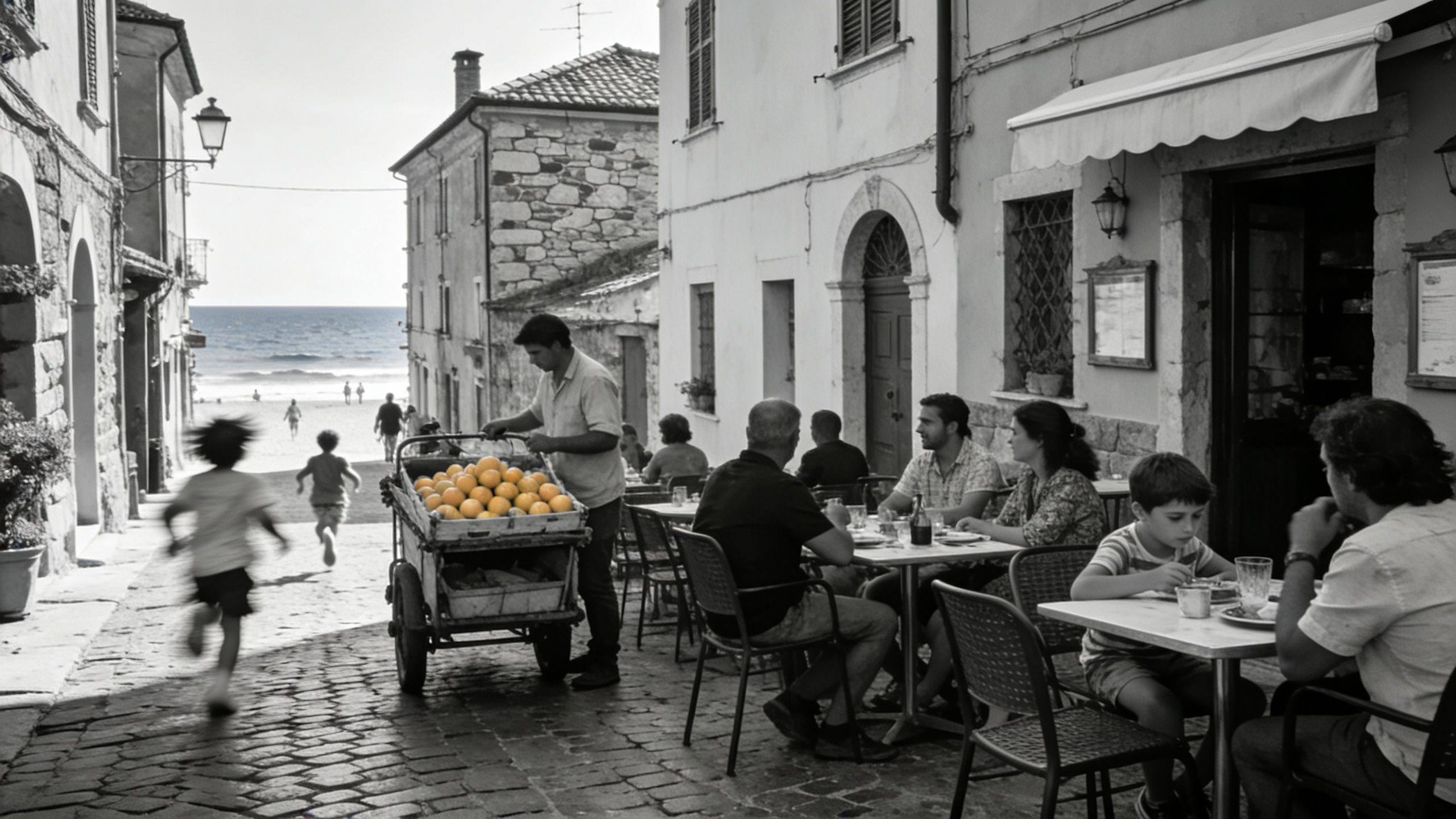
Imagine stepping out at 9am to a sunlit piazza, the hum of espresso cups and market vendors shaping your morning. That ease — the small, daily rituals of Italian life — is why buyers dream of the coast. But the moment you switch from romance to purchase timing, the myths start: summer viewings lure you with crowds and sunsets, yet they can hide market realities that cost time and money.
Living the Italian coastal life
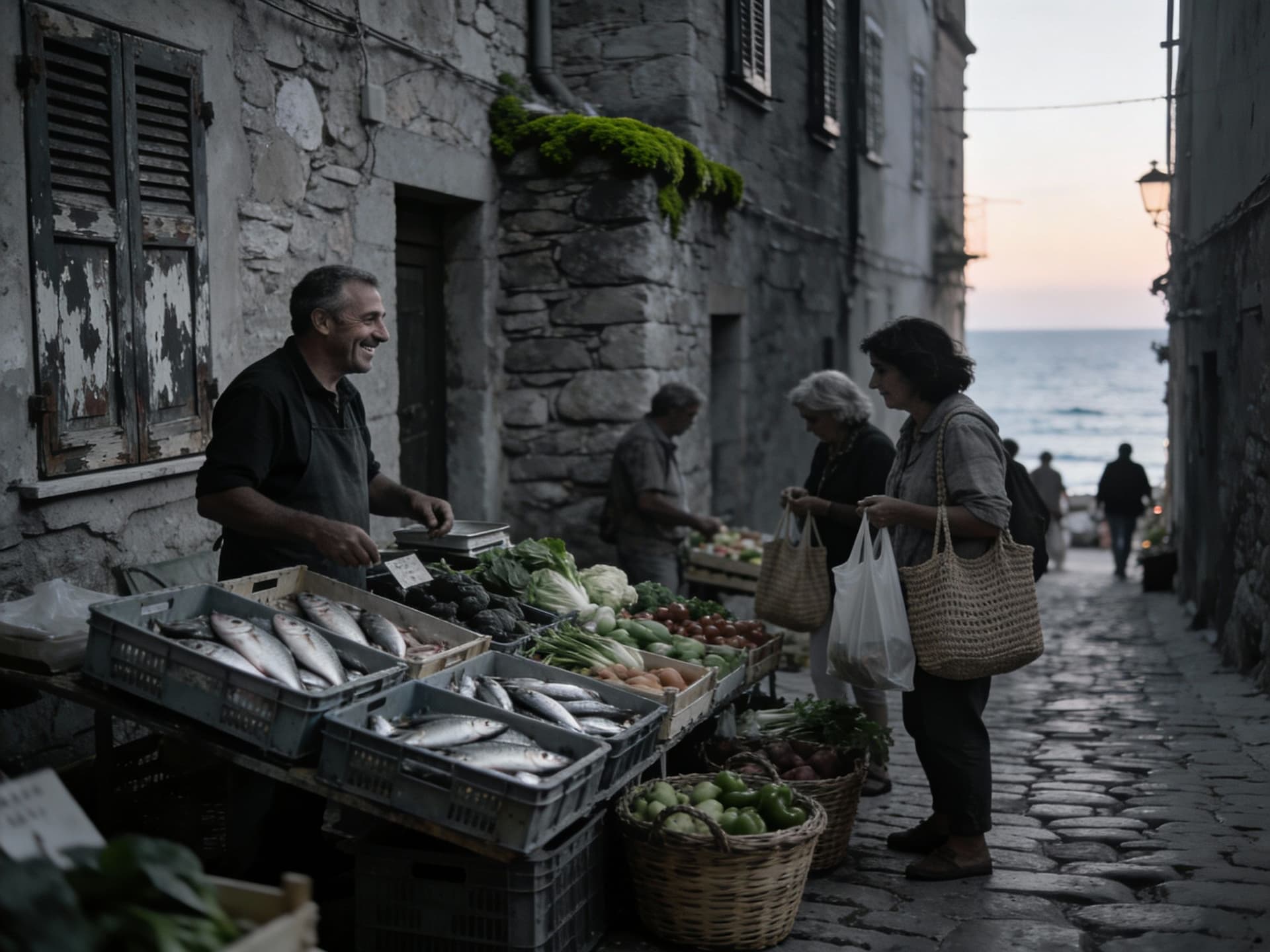
Coastal Italy is not one scene but many. From Liguria’s narrow alleys in Camogli to Puglia’s flat, sunlit courtyards and the slow rhythm of Sicily’s fishing towns, each stretch sets a distinct daily tempo. Mornings are for markets and espresso; afternoons, for siesta or sea. Evenings gather people in small bars where conversations turn long and local.
Neighbourhood spotlight: Liguria’s old port quarter
Walk the Via Garibaldi in smaller Ligurian towns and you’ll hear church bells, see fishermen’s nets drying, and find cafés that know your name after a week. Properties here tend to be narrow, terraced and vertically organised — think shutters, stone stairs, and terraces that catch the late sun. That vertical living shifts how you use rooms and what to inspect structurally.
Food, markets and seasons: how lifestyle changes with months
Buyers who visit in August see festivals, packed beaches and open-air restaurants. But winter reveals a different Italy: quieter markets, functioning local services, and a clearer sense of year‑round community. This is also when local data shows negotiation power improves — Nomisma’s 2025 outlook points to modest national price growth but stronger regional divergence, making off-season viewings strategically valuable.
- Village and coastal lifestyle highlights
- Morning markets: Mercato di Sanremo or La Maddalena fish stalls — fresh produce and local gossip
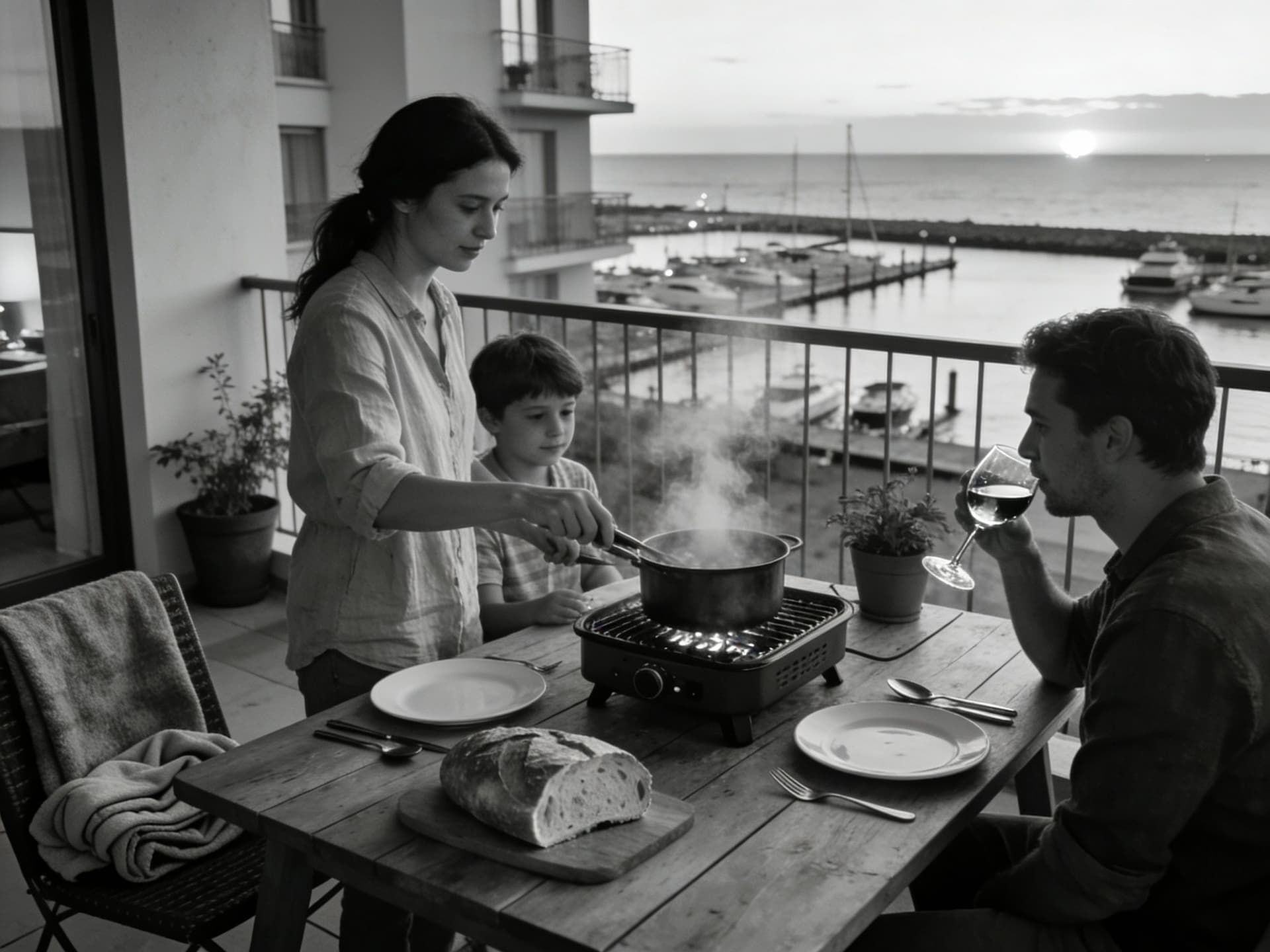
- Terrace life: small balconies and rooftop terraces used for long dinners from May–October
- Hidden beaches: pebbled coves along Cinque Terre versus wide sand in Puglia — different maintenance and access costs
- Local cafés: daytime social hubs that reveal neighbourhood character quickly
Making the move: practical considerations
The good news: Italy’s national indices show positive annual price growth (ISTAT reported a +4.4% year‑on‑year rise in Q1 2025), while transaction volumes recovered in 2024. The caveat: regional variation is large. Coastal towns that are tourist magnets behave differently from working ports or commuter towns. So the question becomes when — and where — to buy to match lifestyle goals and value.
Property styles and lived experience
A 19th‑century palazzina offers charm and thick walls but may require structural or seismic upgrades. A modern apartment near the marina may have better insulation and parking but less character. Choose by how you’ll live: dinner on a terrace rules out tiny northern-facing balconies; if you want a year‑round rental income, check access in winter and local event calendars.
How local experts translate lifestyle into listings
Experienced local agents map lifestyle priorities to technical checks: insulation, water pressure, flood or erosion risk for coastal plots, and rental permit status. Ask for comparable winter occupancy figures and municipality maintenance plans. The right agency will show you the street at different times and provide utility bills, not just staged interiors.
- Practical steps that combine lifestyle and transaction needs
- 1. Visit off‑season (Nov–Mar) to assess services, local life and negotiation leverage.
- 2. Insist on utility bills and winter occupancy/rental figures before making offers.
- 3. Commission a structural and seismic check for older coastal buildings.
- 4. Verify tax treatment: 'prima casa' regime vs. purchase from builder (IVA and fixed Registro/ipo‑catastale fees alter net cost).
Insider knowledge: what expats wish they'd known
Real buyers often tell the same story: we fell in love with sunlit façades but missed the seasonal reality. In summer the town is different — services expand, short‑lets make streets feel lively, and sellers stage for photographs. In winter you see which bars stay open, which buses run, and whether that beautiful beach is reachable after storms. Nomisma and local agents increasingly recommend off‑season diligence; it changes negotiation power and reveals real maintenance needs.
Cultural integration and everyday rhythms
Language opens doors. Learn basic Italian to read local notices, speak with tradespeople, and understand community meetings. Participate in the market day; bring a simple gift to a host family; and plan bank and notary appointments well ahead — local bureaucracy moves on its own calendar. These small steps determine whether you land a home or a postcard.
Long‑term life: what to expect after the move
Expect seasonal variations in rental demand and local rhythms. ISTAT’s data shows national price growth but uneven regional trends, meaning long‑term value depends on infrastructure, local employment and climate resilience. Plan renovations for comfort and regulatory compliance; engage a local property manager to preserve rental income when you’re away.
- Red flags to watch for before you buy
- Unclear flood/coastal erosion mapping — request municipal plans and historical storm data
- Unregistered short‑let activity or missing permits — affects legal rental use and taxes
- Undefined common‑area maintenance obligations in condominium documents
Conclusion: Fall in love with the life, buy with the winter view in mind. Visit off‑season, collect winter utility and occupancy data, and work with local advisors who can translate lifestyle priorities into technical checks. The coast is a collection of small communities — the months you choose to inspect them will determine whether you buy a postcard or a dependable home.
Danish investment specialist who relocated to Costa del Sol in 2015. Focuses on data-driven market timing and long-term value for Danish buyers.