The Coastal Bargain: Italy’s Overlooked Value
Italy’s coast hides value in lived-in streets, not just seafront views; pair off-season visits and local due diligence with national data to buy sensibly.
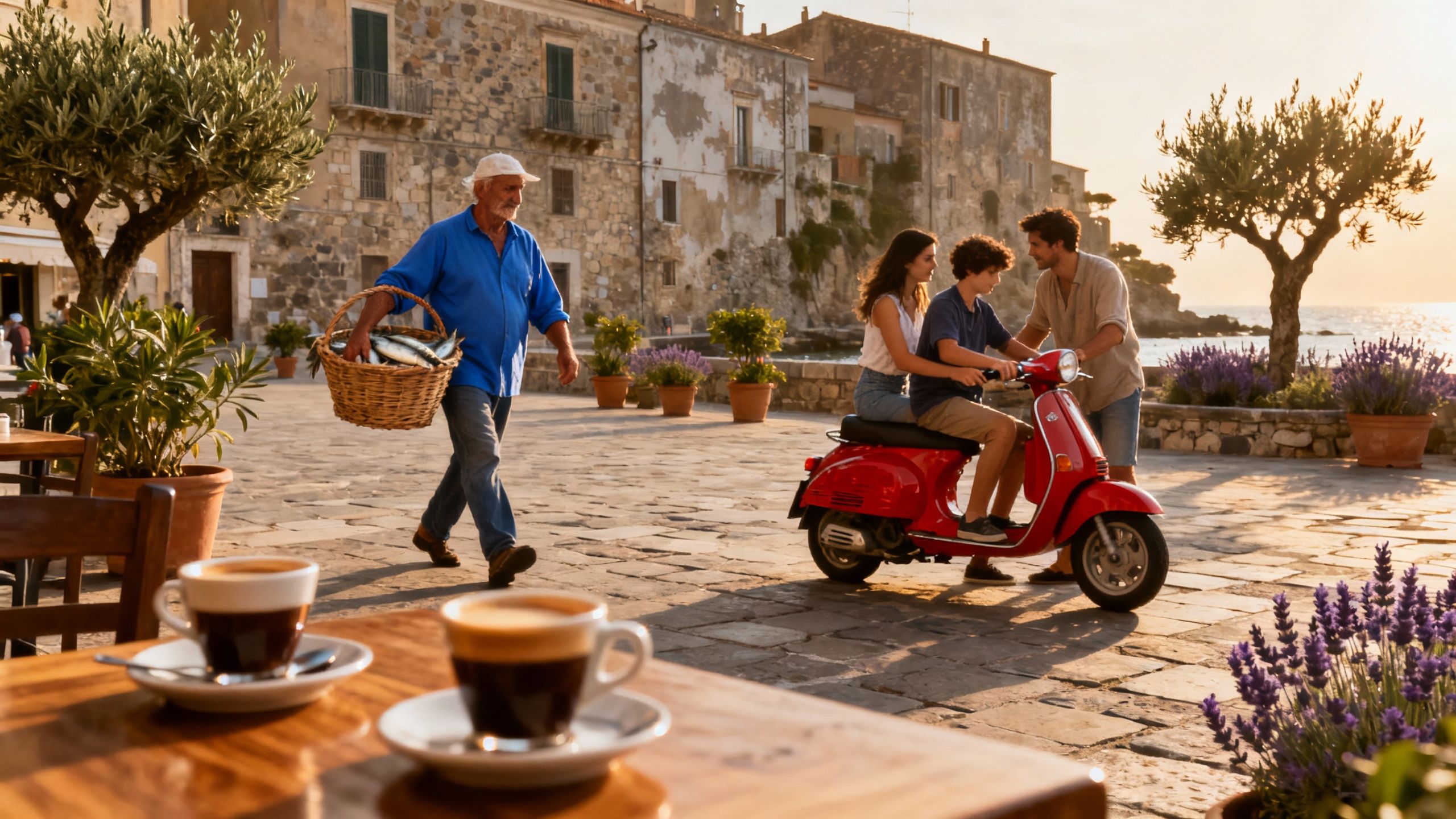
Imagine waking up in a sun-warmed Italian coastal town: espresso on a narrow balcony, fishermen rolling nets at the harbour, a Saturday market where you buy burrata and a loaf still warm from the oven. Italy’s coast is not only picture-postcard; it is lived-in, noisy, social and full of small economies that change how property feels and what it costs. For international buyers this reality—daily rhythms, micro-neighbourhood value, seasonal shifts—matters just as much as headline square-metre numbers. We begin there: what living the coast looks like, and how that should change your buying decisions.
Living the Italian coastal life
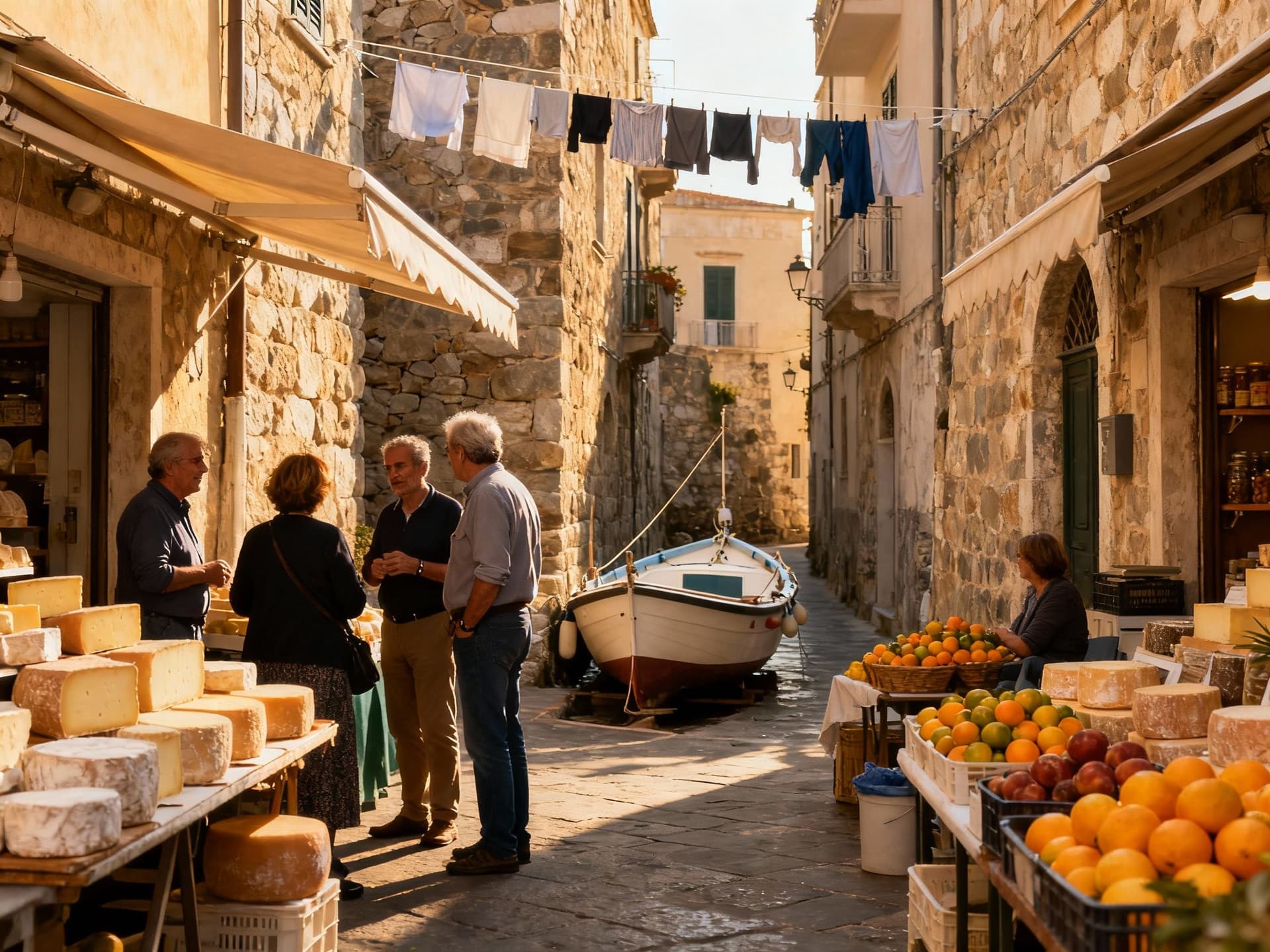
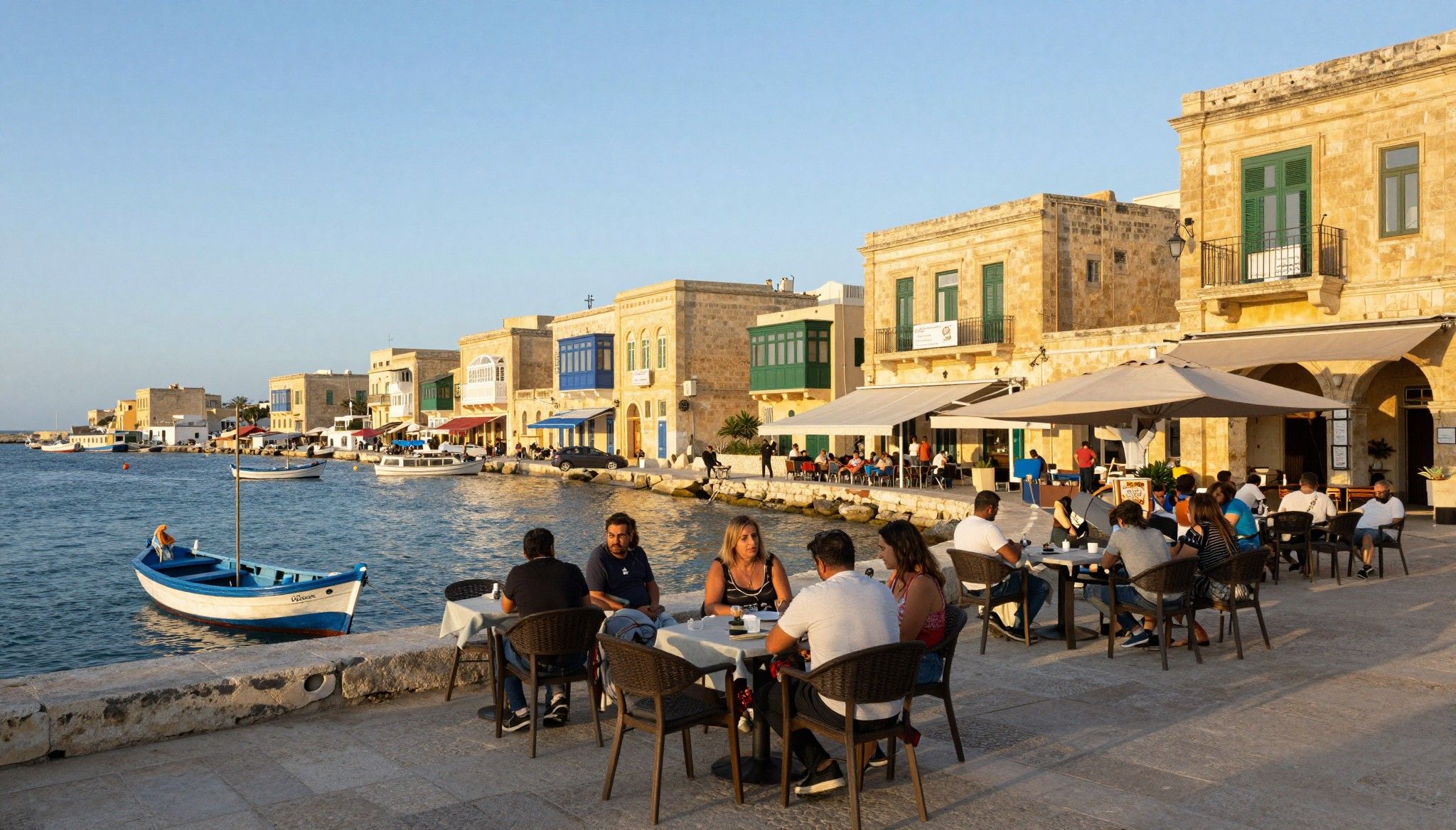
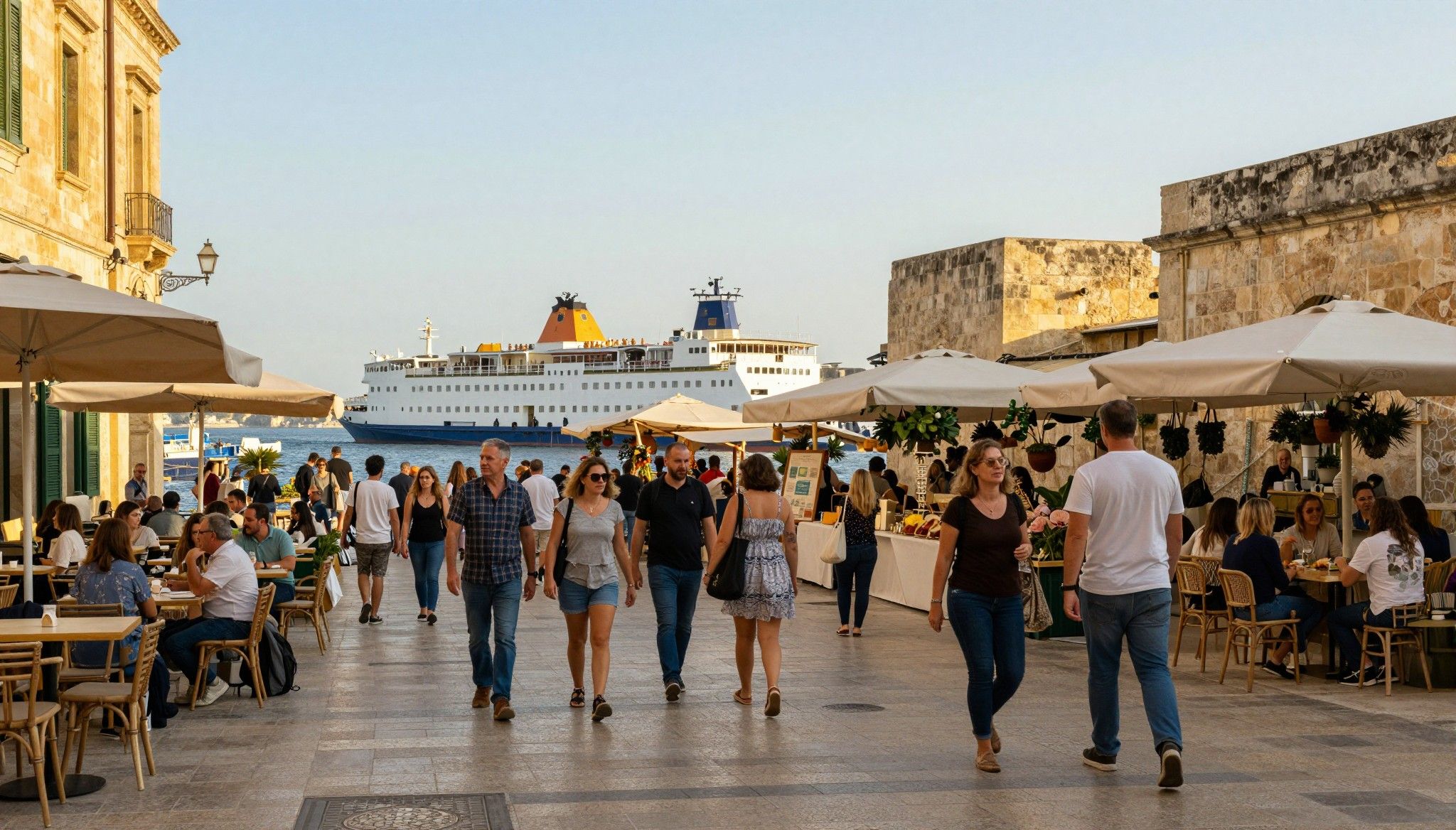
Living on Italy’s coast is a mix of everyday trade and seasonal theatre. In towns like Polignano a Mare or Levanto you’ll see the same café owners year-round; in summer the streets rearrange for tourists. Regions such as Puglia and Liguria have different rhythms and price drivers—Puglia’s recent surge shows how transport links and boutique hospitality can transform demand almost overnight. Sense the difference early: small town centres remain tactile and moderated by local life; waterfront strips can be volatile and short-term rental driven.
Neighbourhood spotlight: historic harbour quarters
Pick a historic harbour quarter—say Vernazza (Cinque Terre) or Monopoli’s old port—and you’ll trade parking for atmosphere. Streets are stone, buildings lean together, cafés open at dawn. That intimacy translates into properties with tight floor plates, character features, and rules: strict preservation codes, higher renovation complexity, and an advantage for buyers who care more about life than open-plan square metres.
Food, markets and the week’s rhythm
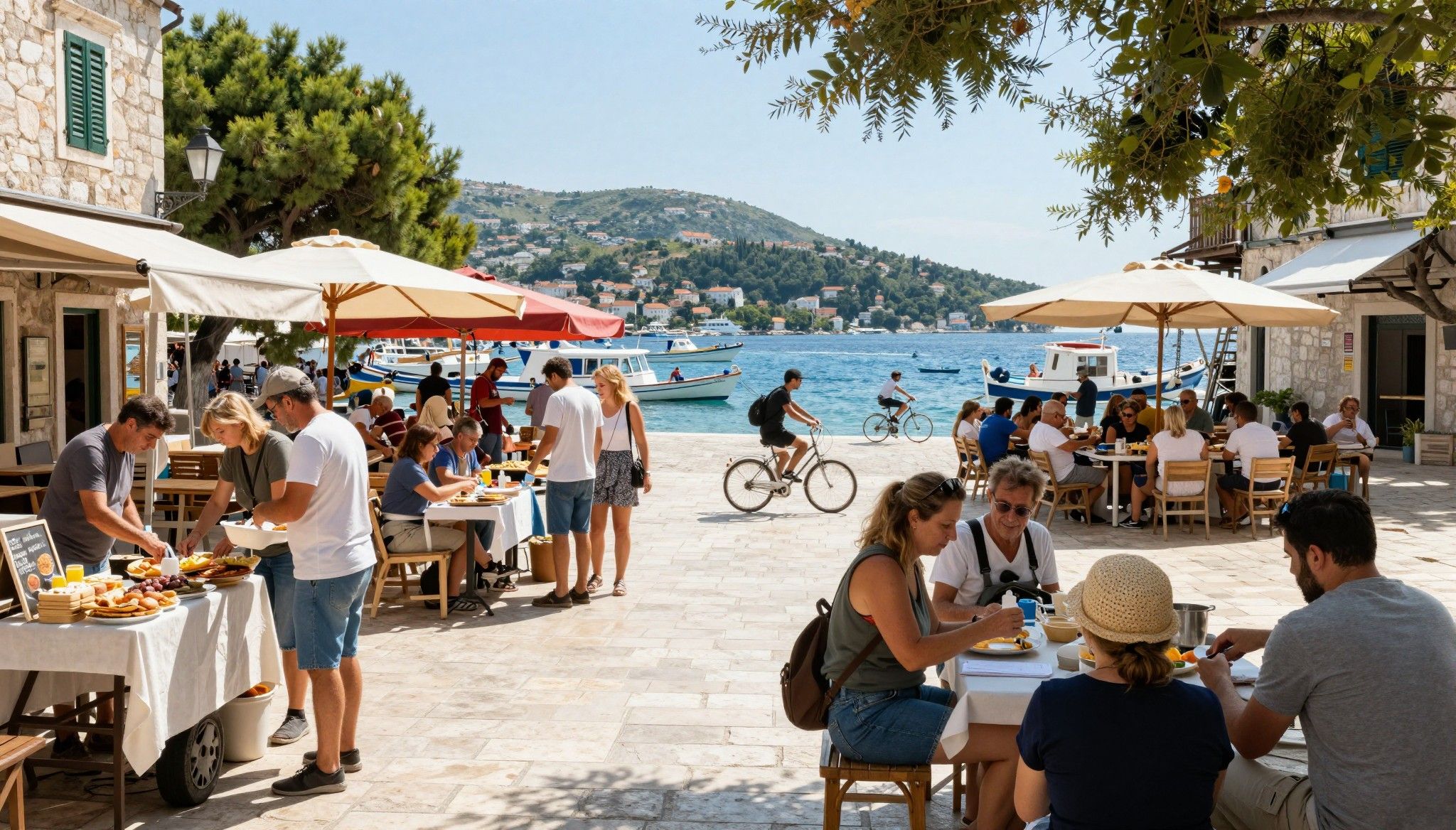
Weekends are market-days, mid-week is for local bars and social clubs, and festivals punctuate the calendar. These cultural patterns affect occupancy and rental flows. National statistics show house-price movement that is positive but uneven; coastal demand often outpaces local supply in desirable pockets, so prices can rise quickly while nationwide averages remain moderate. Use macro data as context, not your only guide.
Lifestyle highlights — the coastal micro-features to seek
A morning café that remembers your order — signals community and stable year-round life
A small covered market (mercato coperto) — fresh produce year-round, lowers living costs
A functioning harbour with local fishing — preserves local employment and anchors off-season demand
Accessible train service or a regional airport within 60–90 minutes — critical for rentals and resale
Making the move: lifestyle-driven practicalities

If lifestyle is the heart of this decision, process is the backbone. Italy’s buying process rewards patience and local expertise. Expect notary involvement, cadastral checks, and a tax regime that treats a first-home (prima casa) differently from a second home. For coastal purchases, be prepared for extra local rules—seaside zoning, conservation orders, and sometimes height and façade constraints that affect renovation scope and cost.
Property types and how they shape daily life
Historic apartments: immediate atmosphere, small rooms, high renovation sensitivity. Ideal if you prize streetside life and walkability. Terrace villas: better private outdoor life but higher maintenance and storm exposure. New-build apartments: predictable maintenance and better insulation, but often further from the old town heart. Choose the type that matches how you intend to live—entertaining on terraces, compact urban walking, or a quiet rear garden.
Work with agents who understand life, not just listings
1. Start local: hire an agent known for buyer-side advocacy and local contacts; their knowledge identifies streets where life matches your expectations. 2. Insist on full due diligence: land registry (catasto), urban compliance, and declared works; ask for past utility bills and condominium minutes. 3. Budget realistically: include registration tax (2% for prima casa or 9% for second home), notary fees, legal fees and likely renovation costs. 4. Visit off-season: see the town in February, not only August; it reveals winter services, resident occupancy and true noise levels. 5. Test-drive renting: spend a month living locally before buying to confirm rhythms and seasonal trade-offs.
Insider knowledge: what expats wish they’d known
Buyers often underestimate seasonality and local income structure. A town can feel full in July and empty in November; property that looks like a bargain in winter may deliver poor year-round rental returns. Recent regional shifts (Puglia’s spike, pockets of Liguria stabilising) show how infrastructure—or a new flight route—can change desirability fast. National indices show modest overall price growth, but coastal micro-markets move independently.
Cultural and daily-life realities
Learn a few Italian phrases, and you will be invited to local events faster. Join a local associazione (sports or cultural club) and you will meet neighbours who protect your property’s value. Note: Italian municipal offices close mid-day in many towns; plan bureaucratic tasks accordingly. These small integration steps directly affect your enjoyment and the practical management of a coastal property.
Long-term view: maintenance, climate, and community
Long-term considerations to weigh: - Storm and salt exposure: expect higher maintenance costs for seaside facades and metalwork. - Insurance and condominium reserves: verify sinking funds and extraordinary repair history. - Local population trends: shrinking towns can depress values; growing towns with new transport links often appreciate faster. - Energy efficiency: older stone houses may need insulation work; incentives exist but require administrative effort.
Conclusion — the right move combines romance with rigour. Fall in love with a street, a café, a weekly market—those are the reasons to buy. Then pair that feeling with off-season visits, local experts who understand community rhythms, and legally rigorous due diligence. Italy’s coast offers pockets of genuine value for buyers who prioritise life over headline views; treat national data as background and local knowledge as the decisive factor. When you’re ready, a measured selection of local agents and a trusted notaio will convert that life into a legally sound purchase.
Norwegian market analyst who serves Nordic buyers with transparent pricing and risk assessment. Specializes in residency rules and tax implications.