Coastlines, Cafés and the Ledger: Italy’s Practical Romance
Italy’s coasts deliver irresistible daily rhythms, but sensible buyers match seaside romance to seasonal yields and maintenance realities backed by recent ISTAT market data.
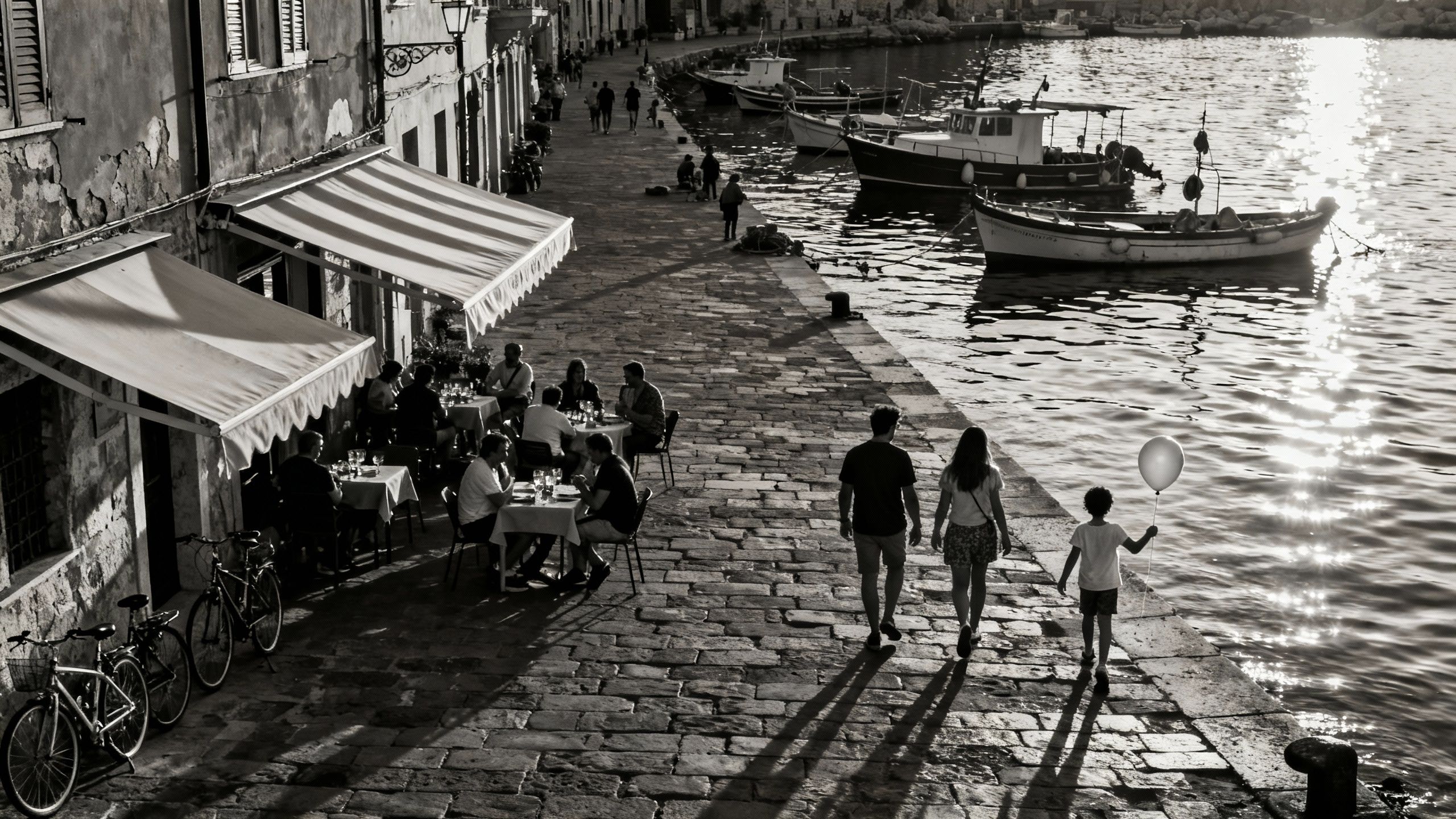
Imagine waking to an espresso on a narrow terrace in Liguria, then driving two hours to the crystalline beaches of Puglia for an afternoon swim. That jump — from medieval lanes to open coastline within a single day — is Italy’s daily rhythm. For international buyers the romance is obvious; the practicalities less so. Recent national data show the market is quietly active, not overheated, and that matters when you tie lifestyle to investment decisions.
Living the Italy life: place and pulse
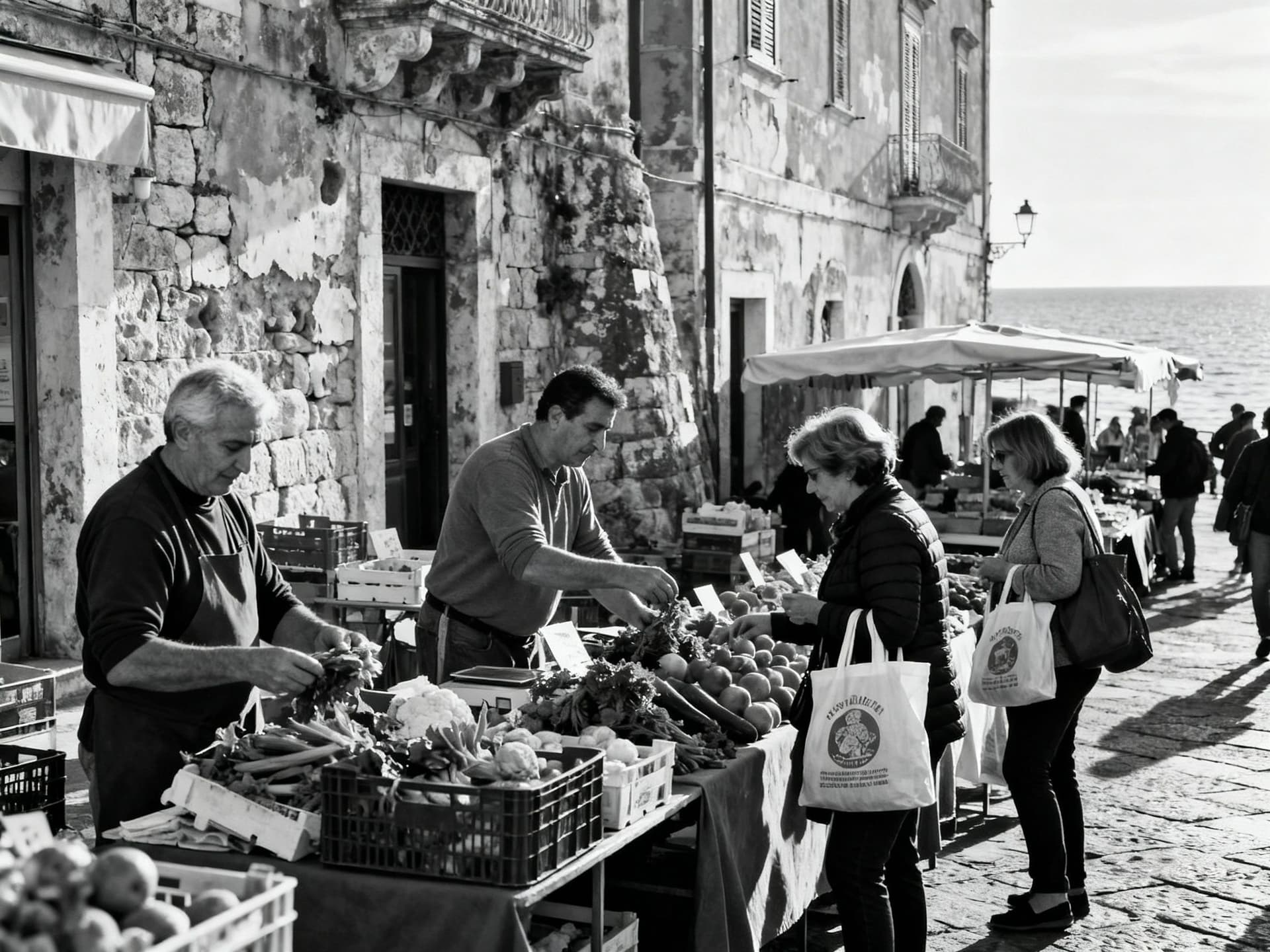
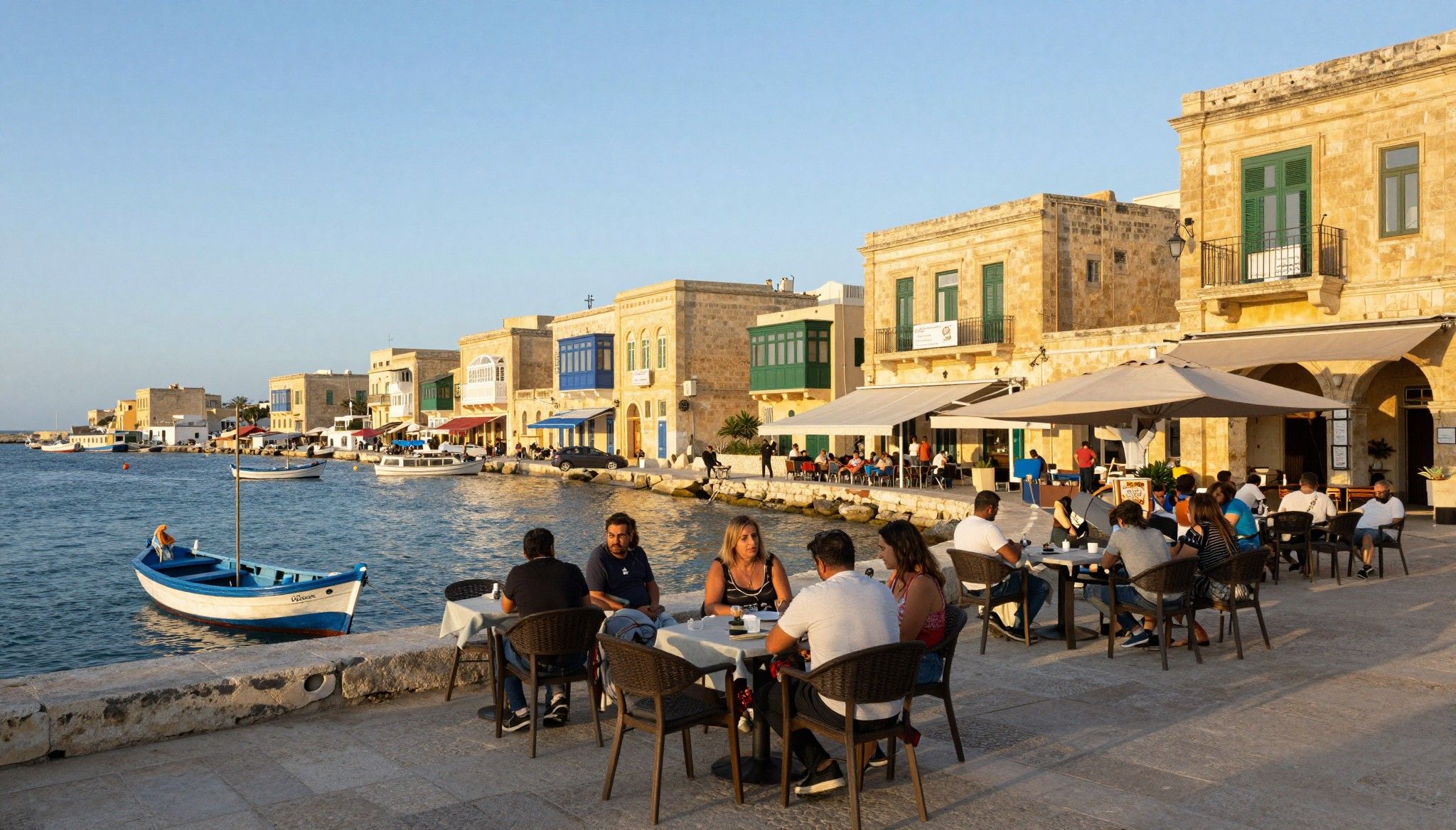
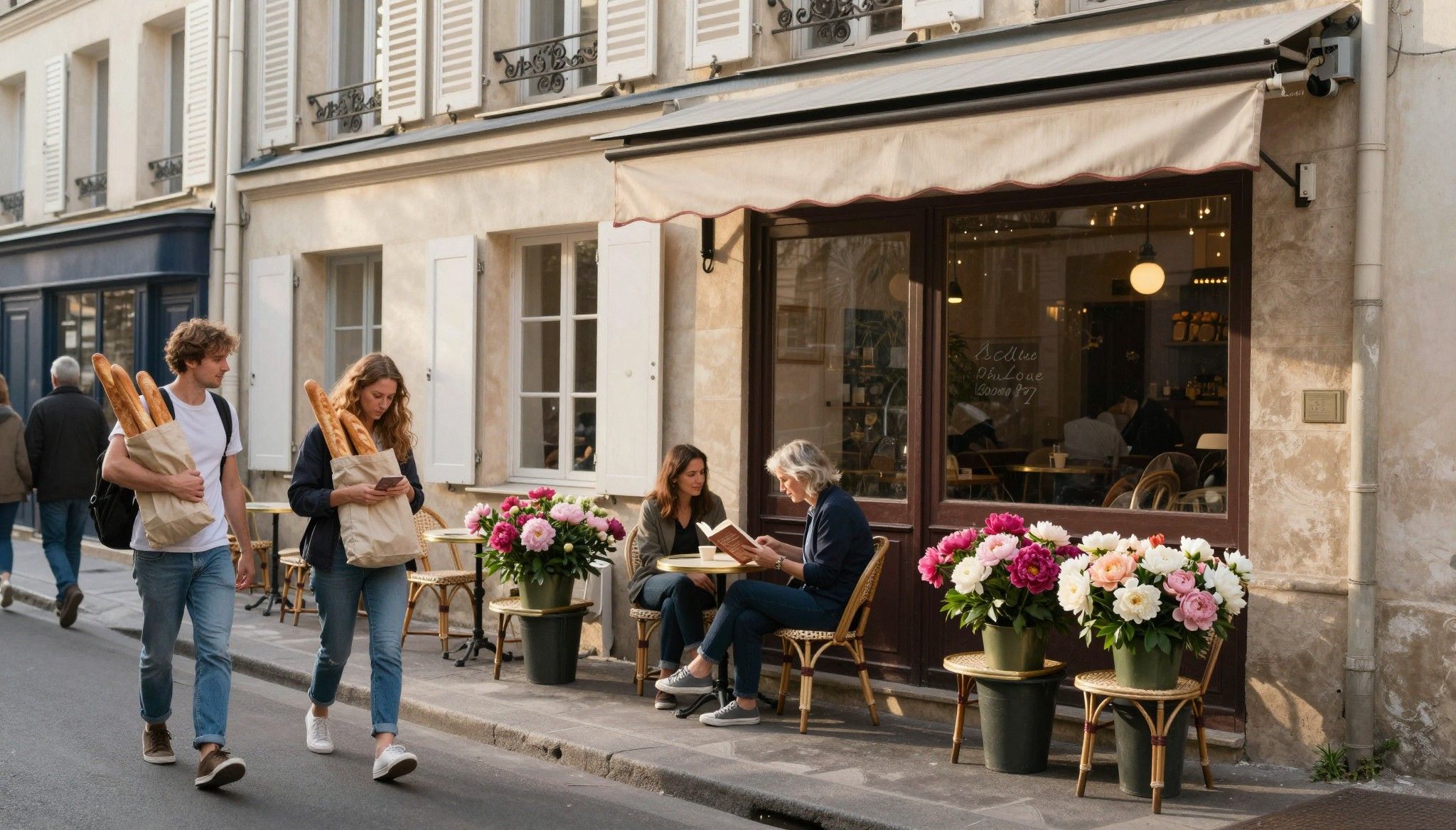
Italy is best experienced in sequences: morning market, late‑afternoon aperitivo, evening passeggiata. Coastal towns trade the bustle of tourism for quiet, daily rituals — bakeries that close after the lunchtime rush, fishermen arranging nets by the harbour, children on scooters in piazzas. That tempo shapes what you buy: compact historic flats for a life in the centro, or low‑maintenance villas a short walk from the sea for a quieter routine.
Riviera corners and sleepy harbours — Liguria to Salento
In Liguria, think steep lanes, tiny terraces and cafés that pour espresso with a view of stacked colourless stone houses. The Amalfi and Cilento coasts add dramatic cliffs and lemon groves. Down in Puglia’s Salento, low white houses, wide beaches and relaxed late dinners rule. Each coast brings a different daily soundtrack — gulls and church bells in the north, cicadas and long evenings in the south — and that soundtrack should determine whether you choose a downtown apartment, a seafront maisonette, or a country trullo.
Food, markets and the social hour
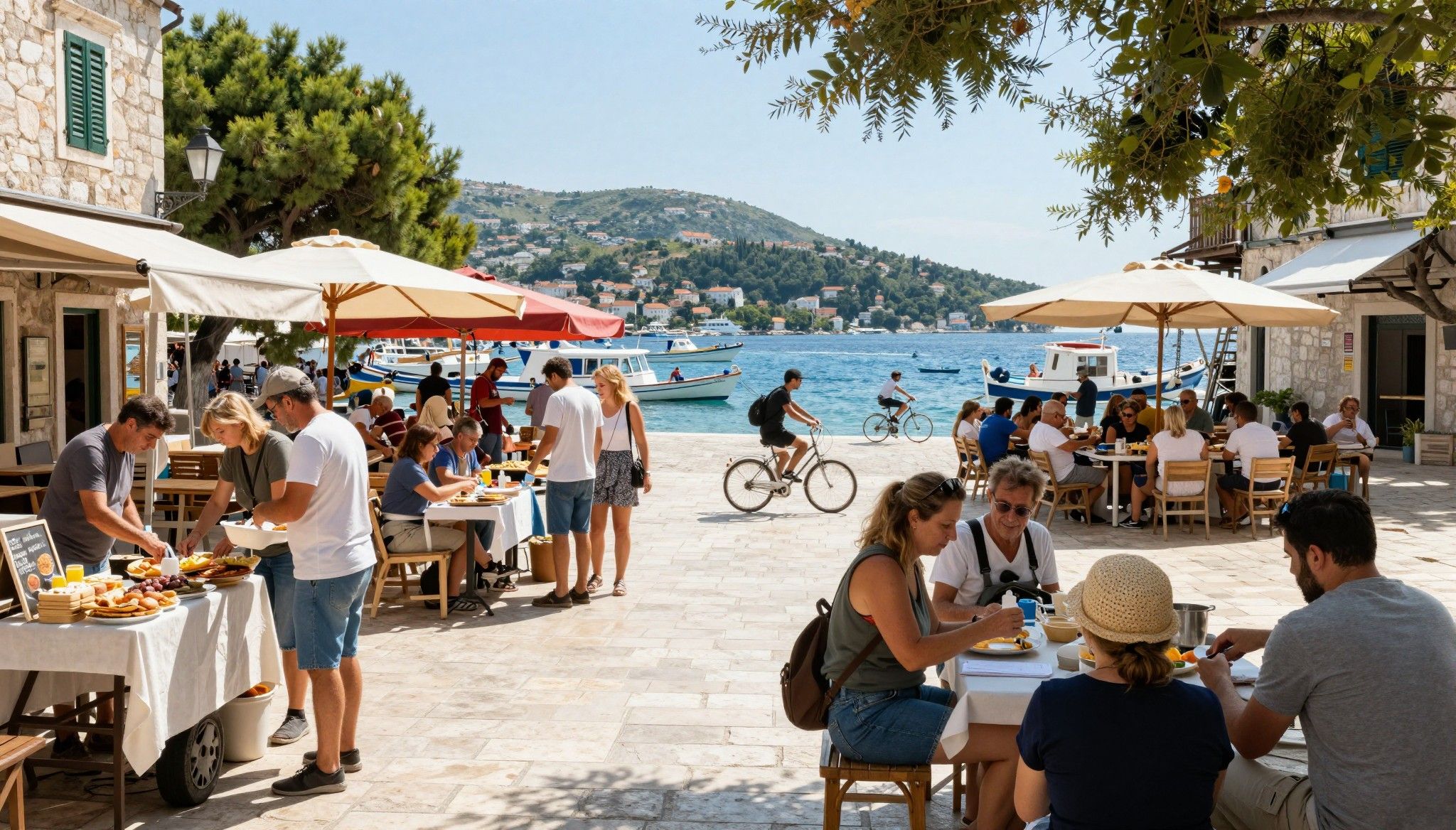
The weekday market is your social calendar in many towns. Examples: the Mercato Centrale in Florence for prime Tuscan produce; the fish stalls at Nervi (Genoa) on a Saturday; the small Tuesday market in Otranto where olive oil labels are debated like wine lists. These rituals create micro‑neighbourhood economies: buy near a market and you gain convenience, daily conviviality and higher rental appeal during peak season.
- Lifestyle highlights to check in person
- Walk the via Roma at sunrise in Palermo to feel the city’s rhythm
- Taste seafood at Porto San Giorgio’s harbour stalls and note how close housing is to local life
- Check weekly market days in your target town — these mark peak local activity
Making the move: the lifestyle‑aware checklist
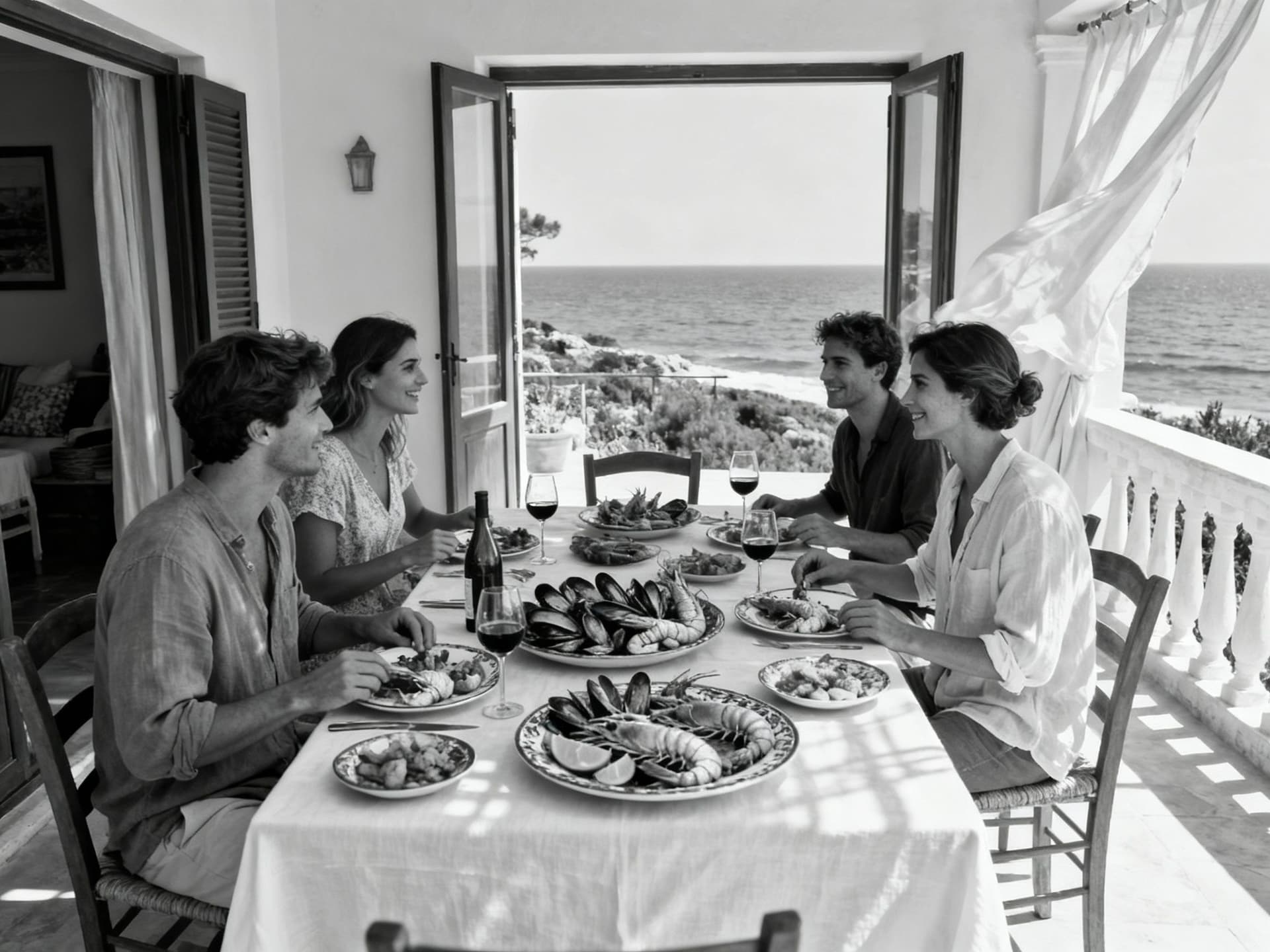
The dream of an Italian life must meet the ledger. National statistics show transaction volumes and mortgage activity recovered through 2024, indicating more liquidity and buyer activity than many foreign buyers expect. Use this context to time viewings and to argue for realistic prices — you are not entering a frozen market, but one where local behaviour matters as much as headline regulation.
Property styles and how they change daily life
Historic centro apartments offer morning proximity to cafés and cultural life, but they often mean narrow staircases, smaller kitchens and higher maintenance for facades. Seafront apartments give views and rental appeal, but watch for rising humidity and the need for coastal materials. Newer developments on town edges bring parking and ease but trade off the immediacy of street life. Match the property type to the life you want, not only to a price per square metre.
Working with local experts who understand life, not just listings
Good local agents translate neighbourhood rhythms into property suitability. Ask an agent which street has the morning market, where children play after school, and which buildings require extraordinary façade work. Those answers reveal recurring costs, rental demand windows, and renovation complexity — all essential for an accurate offer and a comfortable life.
- Steps that blend lifestyle and practical choice
- Visit at least once outside peak season to sense daily life rather than tourist theatre.
- Ask for utility bills and community fees for the last three years to assess real running costs.
- Hire a local surveyor who inspects damp, roofing and coastal exposure — these are recurring coastal issues.
Insider knowledge: what expats learn the hard way
Expats often assume that coastal equals investment gold. The reality: rental peaks are sharp but seasonal, and maintenance costs on salt‑air facades can erode yield. Long‑term value comes from places with year‑round life — university towns, transport links and authentic local economies. Consider towns like Lecce or Siena that combine tourism with resident demand.
Cultural integration and neighbourhood signals
Learn simple rituals: join the local weekly market, accept the late dinner habit, and introduce yourself to the building administrator (amministratore condominiale). These small steps unlock services and goodwill that affect everything from emergency repairs to tenant selection. Language matters: a bit of Italian opens doors and often saves weeks of bureaucratic friction.
Long‑term lifestyle and the maintenance reality
Italy’s older building stock is charming and durable, but it needs stewardship. Expect periodic works on façades, roofs and shared spaces. Factor in at least 1–2% of property value per year for upkeep in older homes, and more in exposed coastal positions. Treat value preservation as ongoing gardening, not a one‑off renovation.
- Red flags local buyers watch for
- Unclear condominium minutes for the last three years (hidden assessments often appear here)
- Persistent damp or unclear waterproofing on roof terraces
- Properties marketed as 'sea view' but requiring long walks or steep access that deter regular use
Conclusion: buy the life, check the ledger. Italy sells possibility — a rhythm of food, coast and community — but that rhythm comes with technical and seasonal specifics. Start by visiting off‑peak, work with agents who can name neighborhood rituals and shared costs, and use recent national data to frame realistic offers. If you want practical next steps, ask us for a tailored shortlist of towns that match the life you pictured and the financial profile you need.
British expat who relocated to Marbella in 2012. Specializes in rigorous due diligence and cross-border investment strategies for UK and international buyers.