Why Côte d'Azur Summer Listings Mislead Buyers
Summer listings on the Côte d'Azur often overstate lifestyle value; test properties off‑season, check DPE and syndic rules, and prioritise agencies with local seasonal expertise.
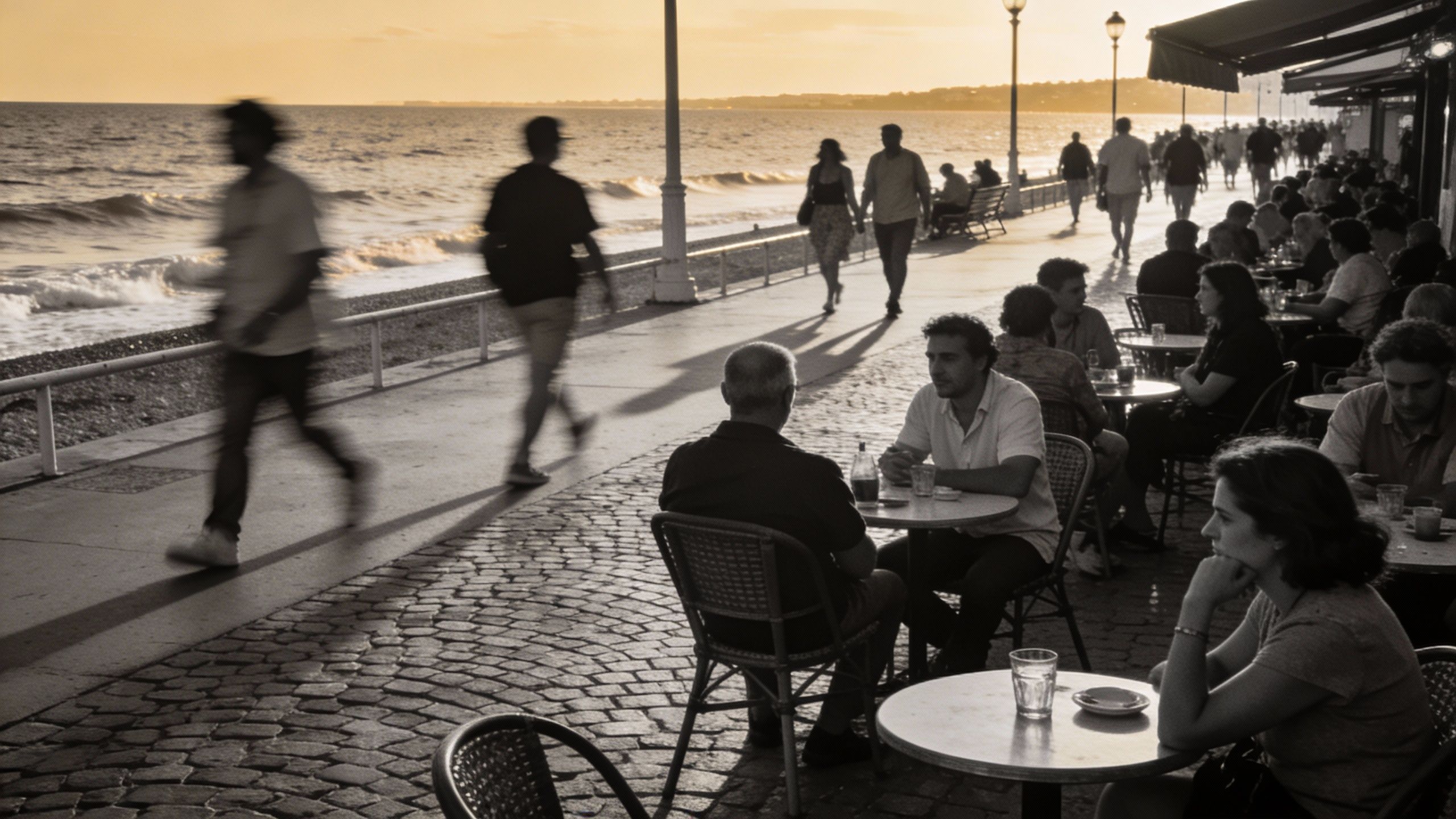
Imagine arriving in Nice on a cool spring morning, espresso steam rising on the Promenade des Anglais, bougainvillea trimming the shutters and a local agent telling you the market is “booming.” It feels decisive and immediate — the rhythm that pulls many international buyers toward France’s coast. But lifestyle gloss can hide structural signals: seasonality, energy labels, rental dynamics and legal differences that shift value under the surface. This piece looks at the Côte d'Azur and broader French coast through a single contrarian lens: summer listings often mislead the buyer who wants a durable life — not a postcard.
Living the French Coast Life
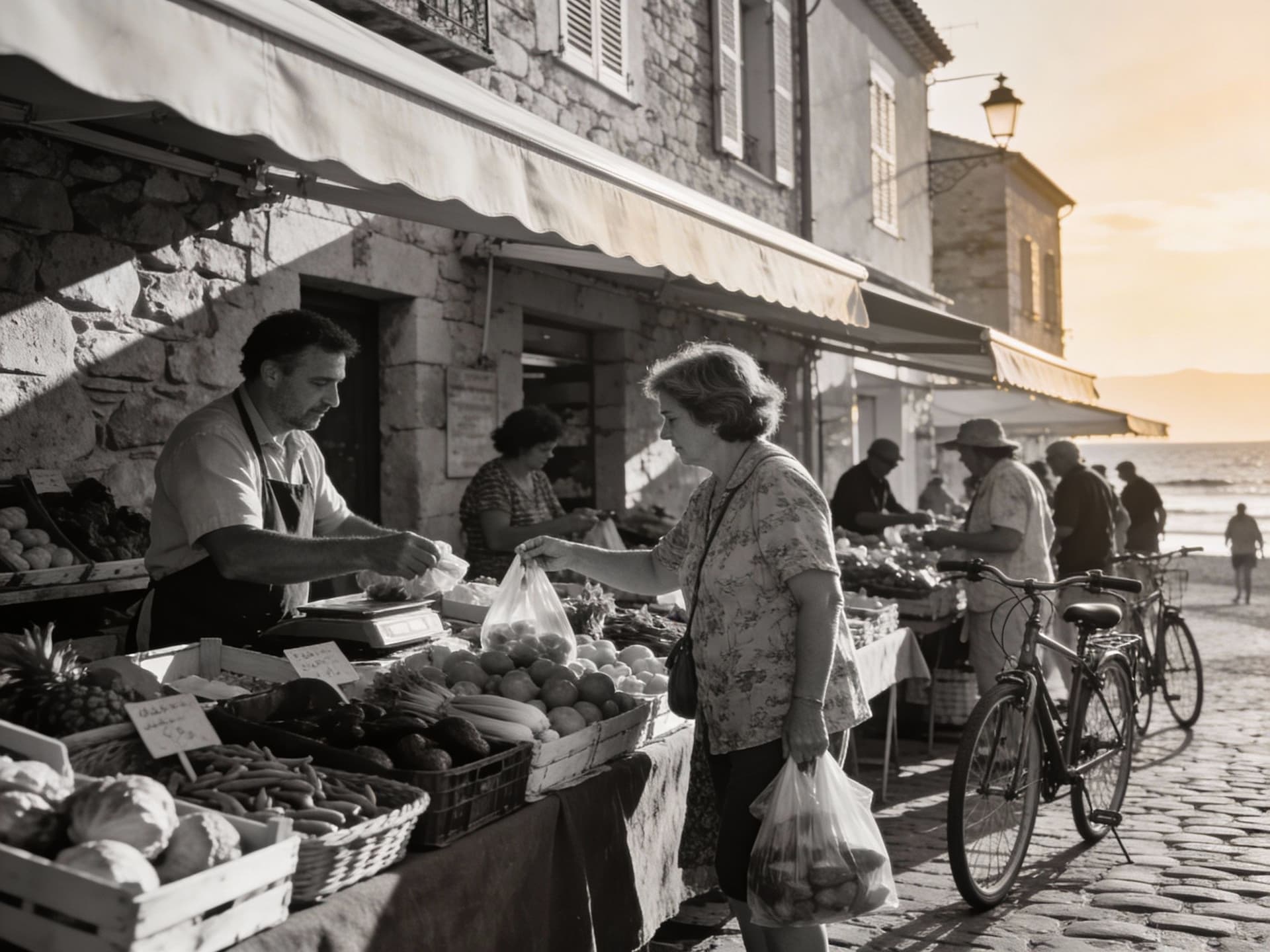
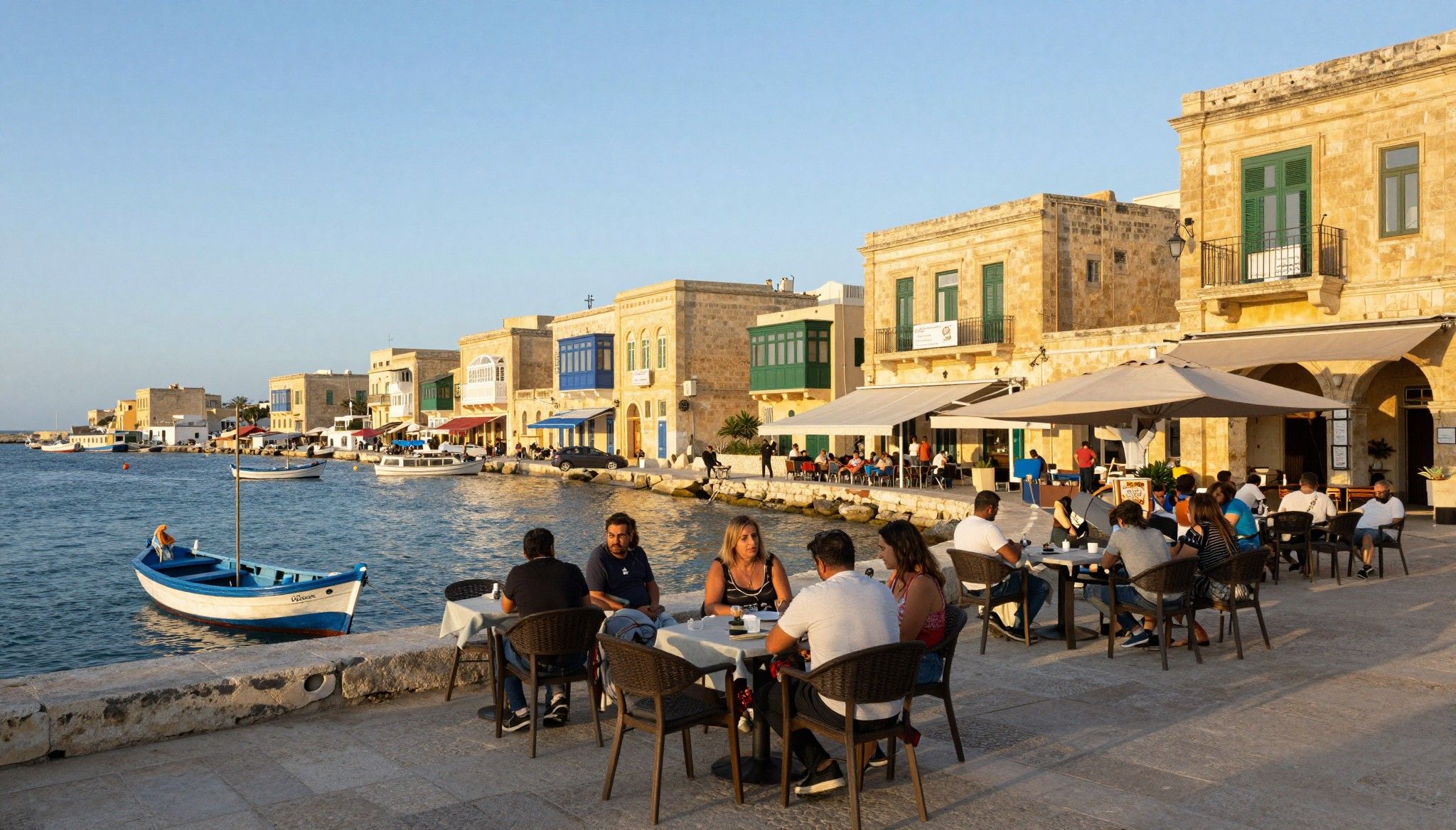
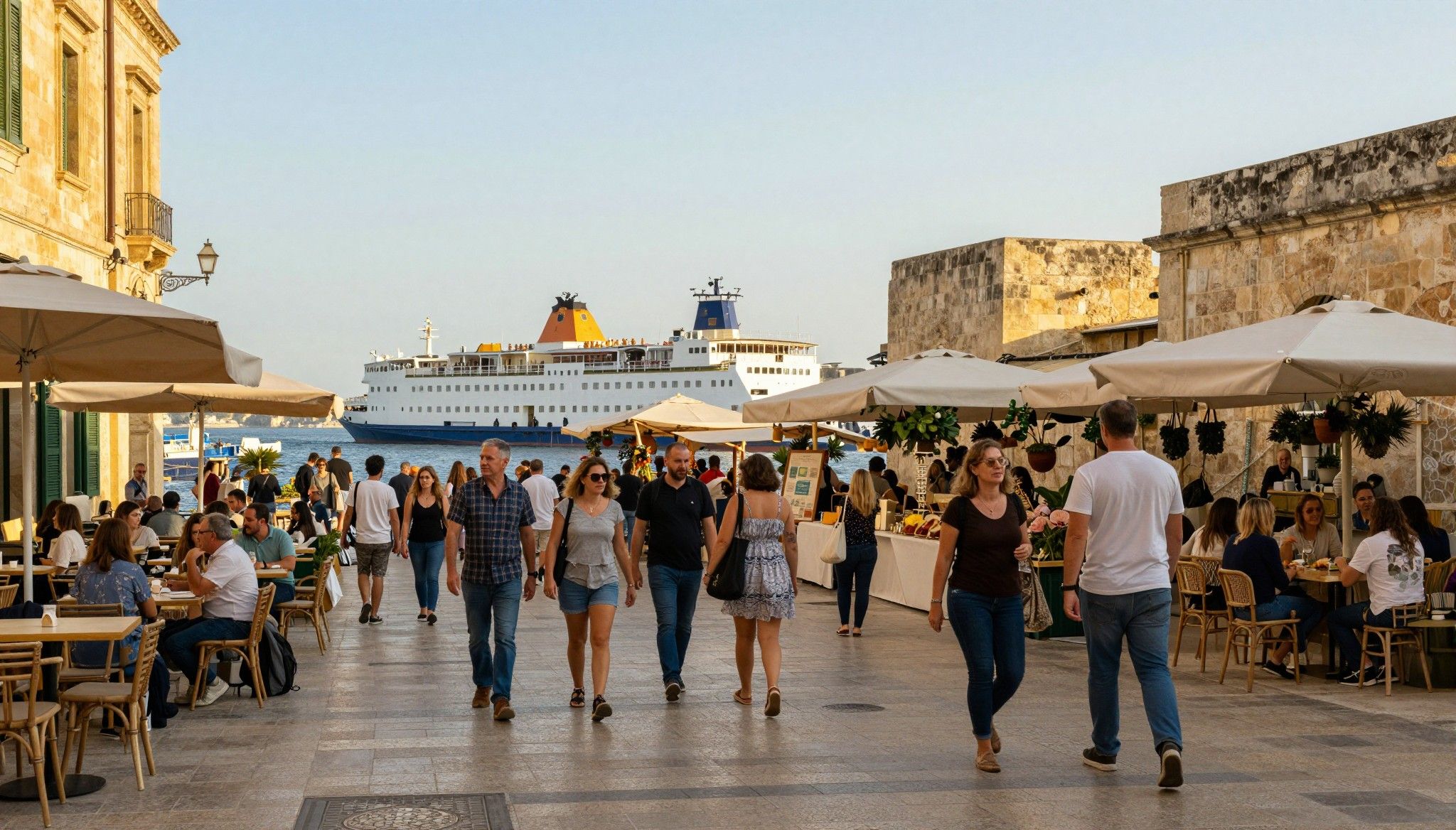
Living on the French coast is both an everyday and seasonal experience. Mornings are small — marché runs, boulangerie queues and slow coffee — while afternoons bend toward beaches, promenades and aperitifs. In towns such as Nice, Antibes and Cannes you’ll find a layered life: year‑round residents, second‑home owners and a surge of visitors in July and August. That seasonal swell changes daily rhythms, parking, noise and the availability of local services; you might fall in love with August, but live most of your year in October.
Neighbourhood focus: Nice — Carré d’Or to Liberation
Walk from the seafront in Carré d’Or toward Liberation and you cross a socio-cultural seam. Carré d’Or is formal: Haussmann facades, Michelin restaurants and high-end boutique life. Liberation is local: open-air markets, butchers, and small cafés where residents trade news. For buyers this matters: an apartment on the Promenade commands tourism income and peak-season rates; a flat near Liberation rents steadier to locals and offers a truer sense of everyday life outside the tourist months.
Food, markets and the seasonal heartbeat
Markets define the week. In Antibes the Marché Provençal is a morning ritual; in Cannes the fish sellers set the tempo before noon. Seasonal produce, festival calendars and tourist flows mean neighbourhoods shift identity across the year. If you imagine life here, picture buying figs in late August and heading to an empty beach in November. These rhythms should shape what you buy: a small pied-à-terre for festival-season rentals behaves differently from a family home built for low-season living.
- Lifestyle highlights to test before you buy: - Morning espresso at Café de Turin (Nice) followed by Marche de la Liberation - Sunset aperitif at Plage de la Garoupe (Antibes) - Weekday walk through Le Suquet market (Cannes) outside festival dates - Local boulangerie queue on Boulevard d’Aguillon (Menton) - Winter coastal hike from Èze to Cap Ferrat - Small‑town Saturday market in Saint‑Raphaël
Making the Move: Practical Considerations
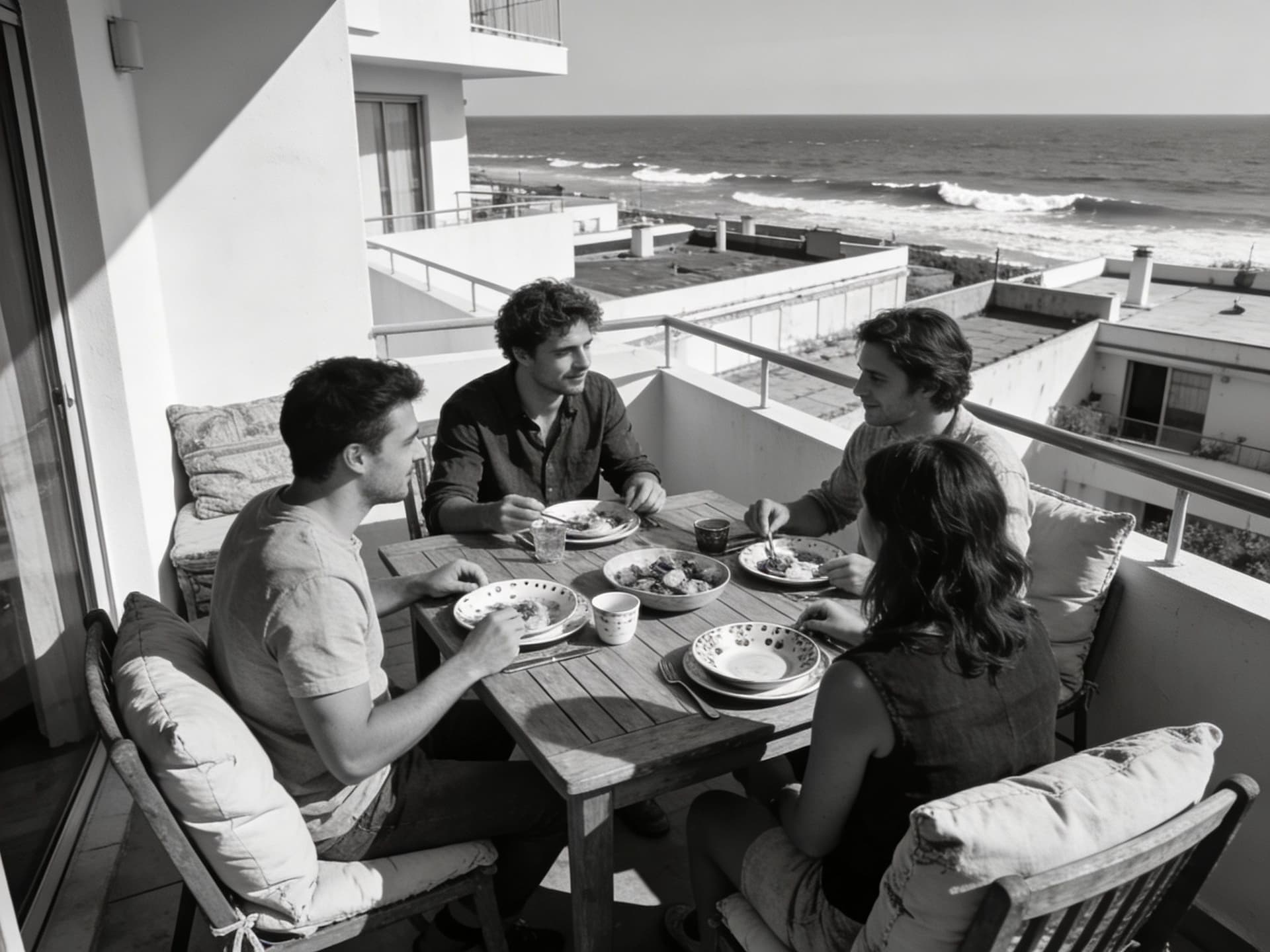
Dreams meet process the moment you start looking at listings. Official indices show a cautious national recovery in 2025 after multi‑quarter declines, yet coastal micro‑markets behave differently. Notaires‑INSEE data record modest price gains in many regions, but prime Riviera segments remain illiquid and sensitive to global wealth flows. Meanwhile tax obligations and declarations for non‑residents differ from many buyers’ home countries; early discussion with a fiscal specialist will avoid surprises.
Property types and how they shape life
The coast offers old Belle Époque flats, fortified village houses and contemporary villas. Apartments near the seafront produce seasonal rental peaks; village houses in perched towns give quieter year‑round life but require different maintenance and access considerations. Savills and local brokerages note supply constraints in prime zones; that scarcity supports long‑term value but reduces negotiation room. Match property type to the life you want: event‑driven income or low‑season stability.
Why specialised local agency matters
- Working with an agent who knows the seasons and the small print saves time and money. Steps an experienced coastal agent will help with: 1. Separating peak-season rental estimates from sustainable net yields 2. Interpreting energy performance (DPE) labels and renovation costs 3. Negotiating conditional offers that reflect off-season value 4. Steering to trusted notaires and tax advisors for non-resident declarations 5. Identifying hidden costs: co‑propriété charges, forced holiday rentals, and parking rules
Insider Knowledge: What Expats Wish They'd Known
Expats often tell the same story: they loved the glazed summer version of a town and later discovered a quieter, more manageable reality in low season. That discovery comes with practical lessons — from service availability and heating costs in older buildings to the challenge of year‑round healthcare access in small coastal communes. Accurate budgeting for utilities and renovation is non‑negotiable; a property perfect in August may be costly and awkward in January.
Cultural integration and daily life
Learning French matters more than you expect. Even basic phrases open doors in markets, syndic meetings and local associations. Weekends are when community life happens: school fêtes, village markets and municipal concerts. Adopt the pattern: be visible in low season, not just present in August. That is how friendships form and how you learn which streets hold year‑round value.
Long-term practicalities buyers overlook
- Common oversights to check before signing: - Energy performance certificate (DPE) impacts resale and financing - Co‑propriété rules that restrict short‑term lets during festival weeks - Road access and winter maintenance for hillside properties - Local heritage constraints on renovations in historic districts - Realistic rental season length versus advertised occupancy
Buying on the French coast rewards those who trade postcard impressions for seasonal truth. Test the market in low season, validate rental numbers against annualised occupancy, and insist on DPE data and syndic minutes. Work with a local agent who knows the difference between festival-driven headline prices and sustainable living value. That approach keeps the romance and removes the surprise.
Dutch relocation advisor who moved to Marbella in 2016. Guides Dutch buyers through visa paths, relocation logistics, and balance of lifestyle with value.