France: Coastal Glamour vs Inland Value — Real Trade‑Offs
Live market and lifestyle truths for buyers in France: where coastal glamour meets inland value, with data and local steps to turn a dream into a durable home.
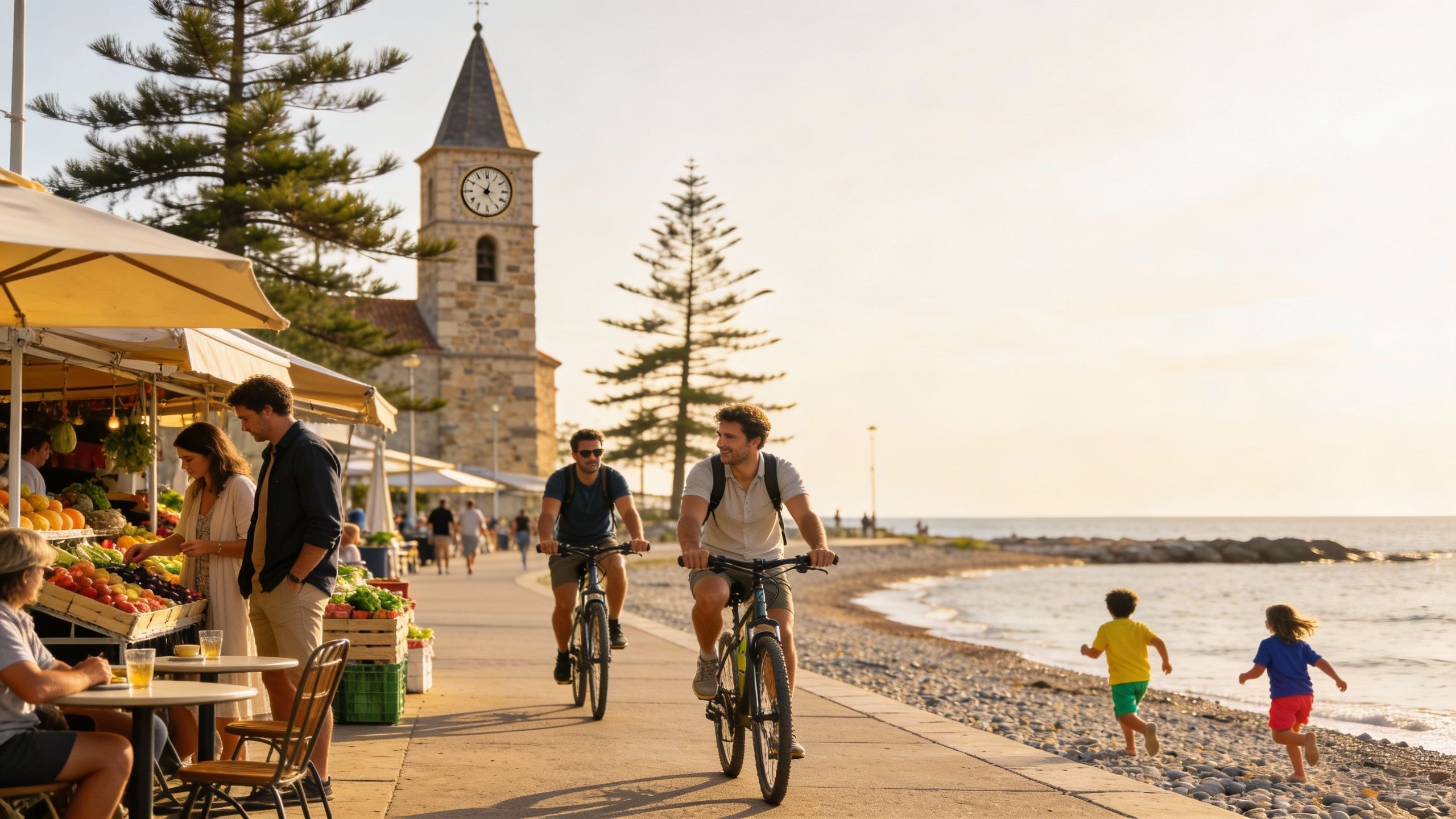
Imagine starting the day with espresso at Cours Saleya, then slipping into an afternoon of hill‑town calm in Mougins — that sharp coastal-to-country shift is France. For international buyers drawn to the Riviera, Bordeaux or the Basque coast, the dream is sensory: markets, cafés, stone streets, and sea light. Yet the decision to buy here should mirror that life, not a postcard.
Living French Coast to Countryside
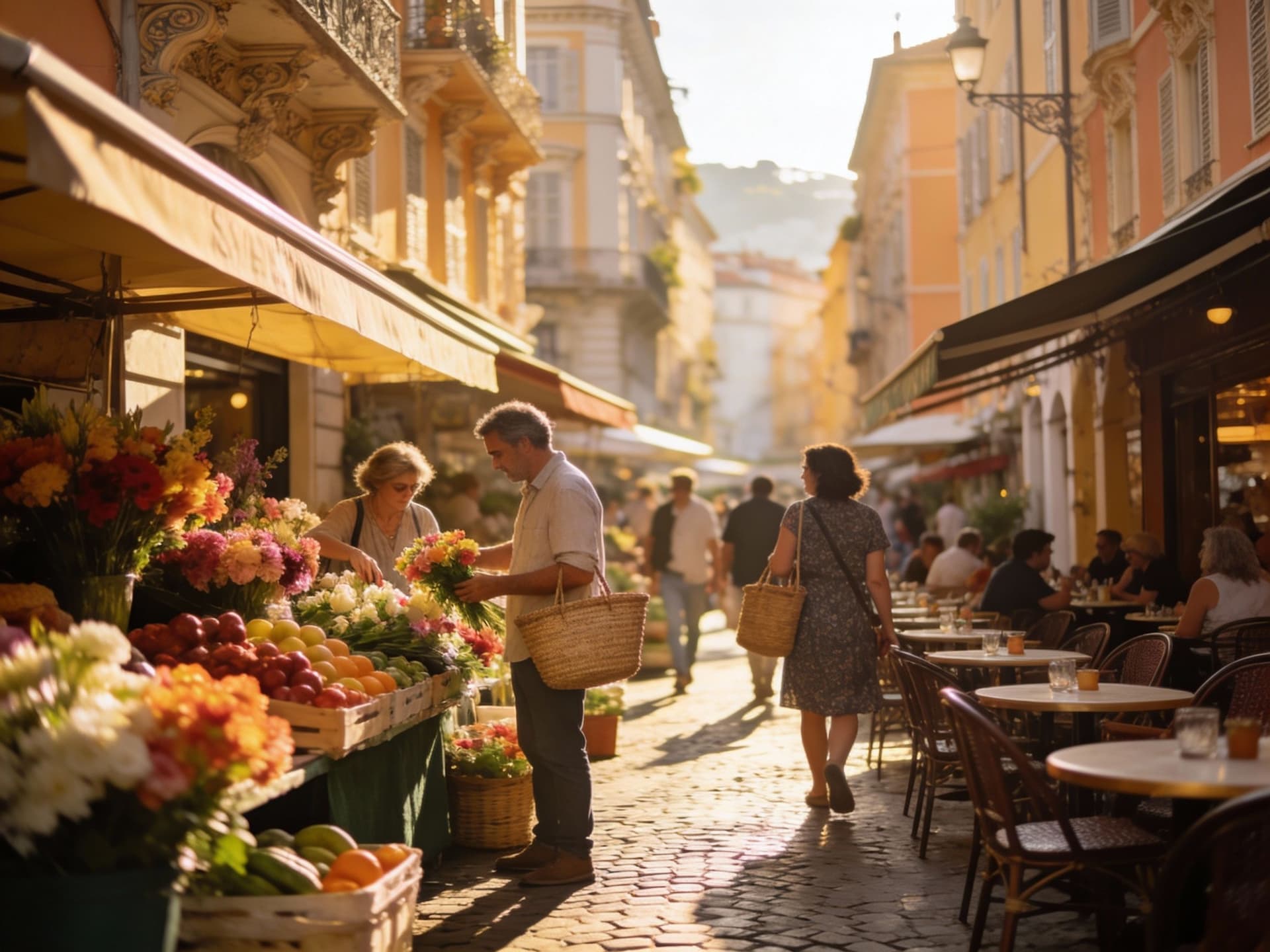
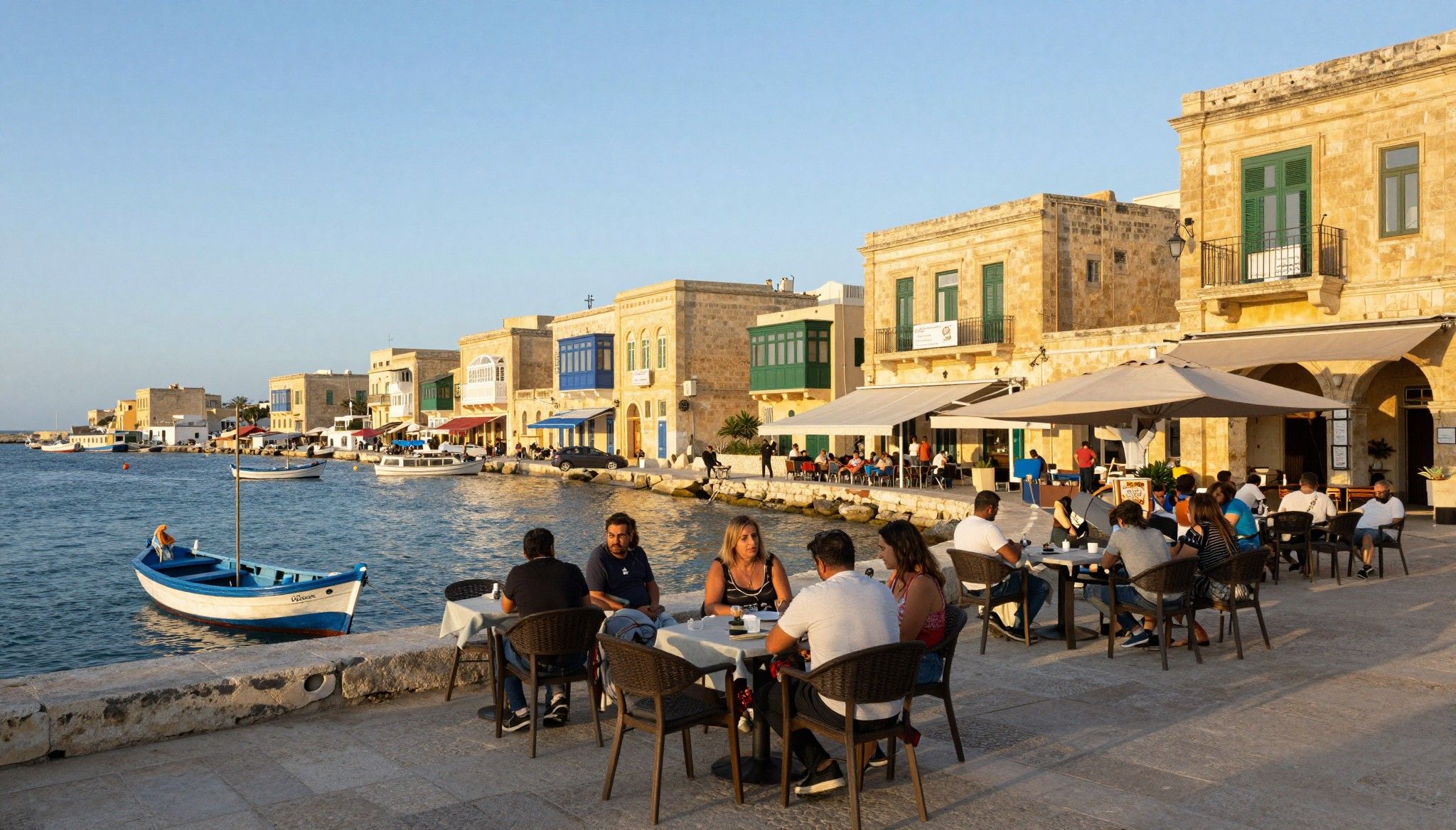
France is not a single seaside mood. The Côte d'Azur is sun and terraces; Biarritz is surf and Basque cafés; Arcachon and Bordeaux offer oyster bars and pine‑fringed dunes. Inland hill towns — Valbonne, Tourrettes‑sur‑Loup, Mougins — slow the pulse without losing proximity to coast services. Recent data show a market that paused then stabilised; that matters when lifestyle and timing meet. For context, INSEE reports near‑stability in Q4 2024 after months of decline, while buyers are finding inland bargains near the Riviera.
Neighbourhood spotlight: Nice — Cours Saleya to Liberation
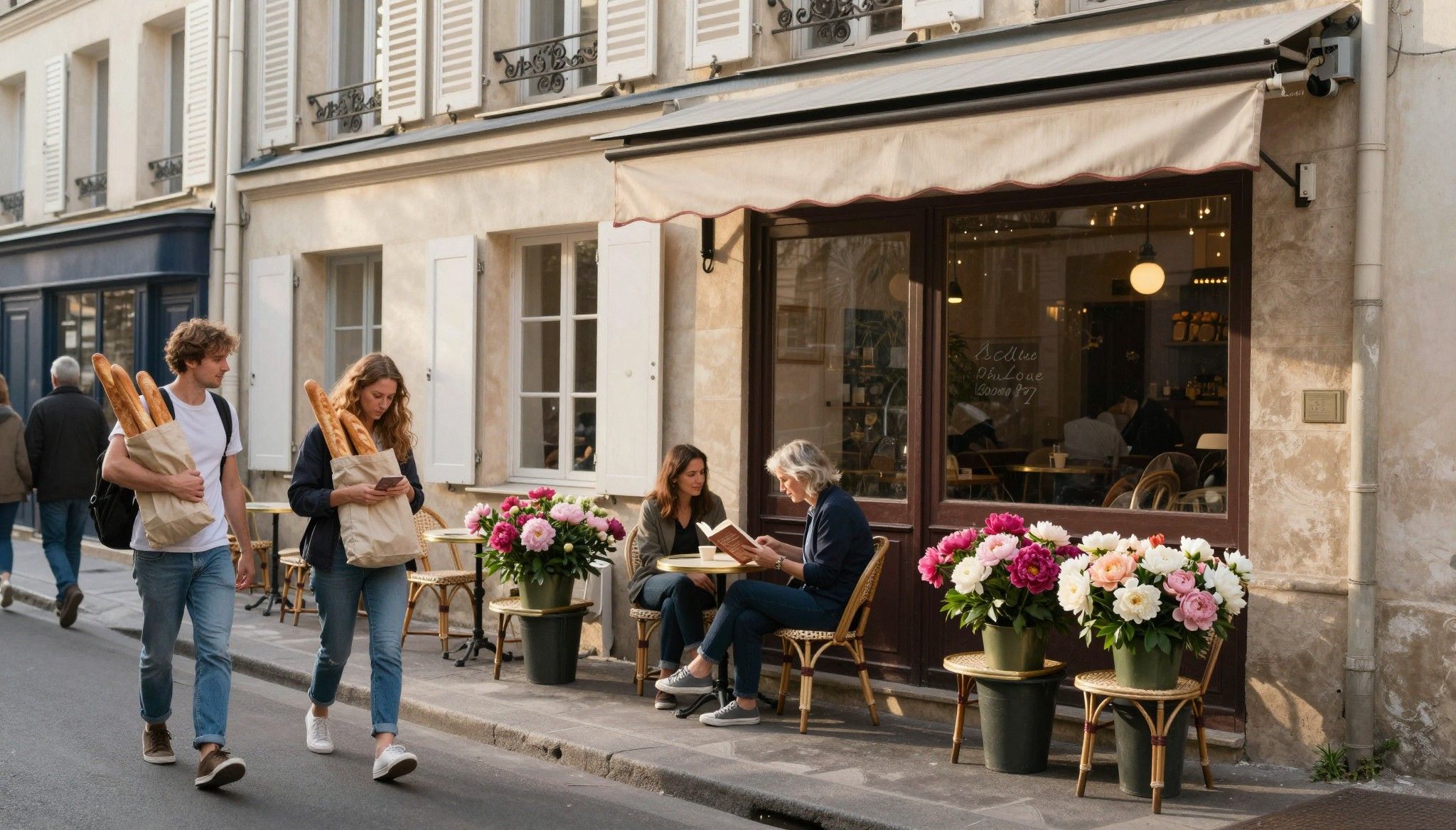
Walk from the flower market at Cours Saleya to Rue de la Buffa and you cross micro‑worlds: tourists and morning markets give way to neighbourhood boulangeries and apartments where families live year‑round. Properties here range from compact Belle Époque flats to converted townhouses with terraces. Expect strong rental demand in summer, quieter streets in winter — and a premium for sea views and proximity to tram lines.
Food, markets and rhythm: what your week looks like
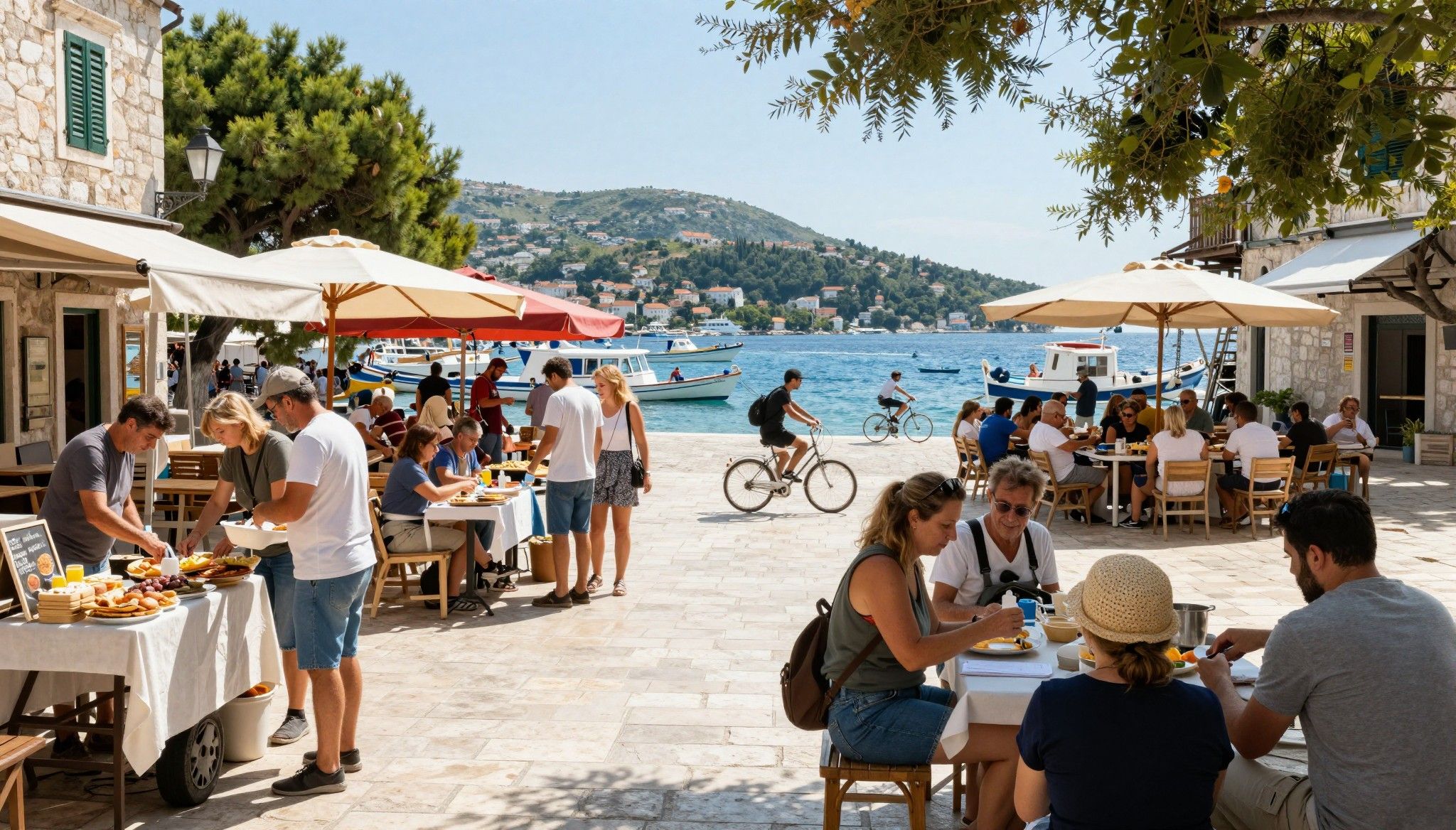
Picture Saturday market runs: Provençal vegetables, oyster stalls in Arcachon, and a café where the owner remembers your order. Local life shapes what you need from a property — a kitchen for market food, storage for surfboards, a sunny terrace for neighbours to gather. Economic context matters too; modest inflation easing in 2024–25 affects purchasing power and everyday costs, but it doesn’t erase neighbourhood character.
- Cours Saleya market, Nice — flowers, societe life; Rue Gambetta, Bordeaux — wine bars and lunchtime crowds; Plage du Port Vieux, Biarritz — surf culture and sunsets; Mougins village square — galleries, quiet terraces; Cap Ferret oyster shacks — weekend ritual; Antibes old town — narrow streets and year‑round community.
Making the Move: Practical considerations
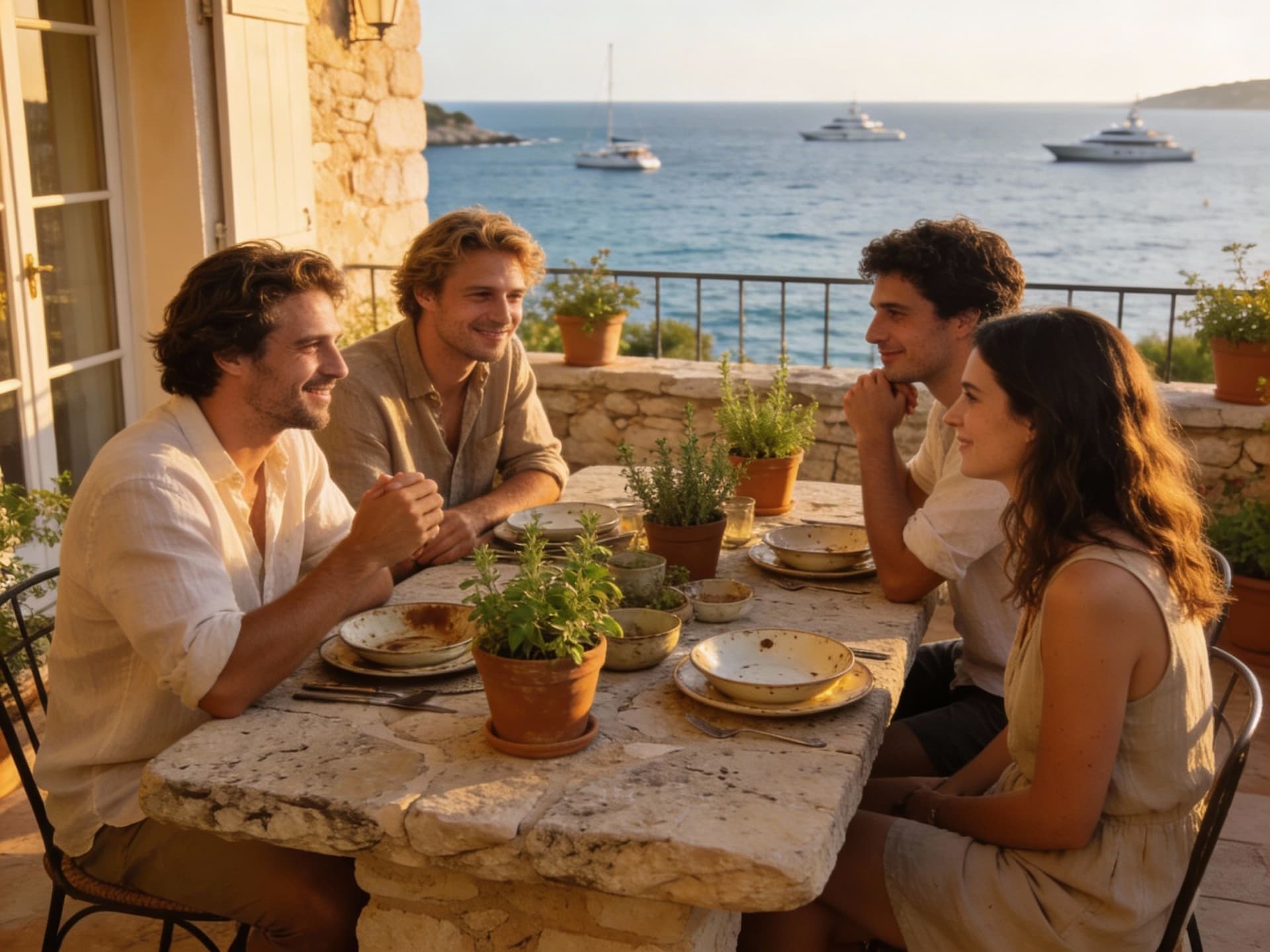
Lifestyle sells the dream, but bank lenders, notaires and seasonality govern the deal. National statistics show prices stabilising then edging up in early 2025; that affects bargaining room and financing. Before you fall for a terrace in Nice or a villa in Mougins, translate weekend pleasures into practical must‑haves: commute time, insulation, renewable heating, and summer rental potential if you plan to let.
Property styles and how they shape daily life
Stone apartments in old towns are atmospheric but often require bespoke maintenance. Mid‑century villas on the Esterel offer outdoor living but can be costly to insulate. New builds near Bordeaux combine modern systems with warranty protection. Think in terms of lived use: will you entertain outdoors? Need a workspace? Prefer low‑maintenance pied‑à‑terres or a full‑time family home?
Work with local experts who know both market and lifestyle
- 1. Hire a bilingual notaire or notaire team familiar with cross‑border buyers; they explain transfer taxes and title checks. 2. Use agents who regularly list in your chosen micro‑area — the right agent knows which streets hold year‑round communities versus holiday lets. 3. Engage an architect or surveyor if buying old stone: hidden damp, insulation and electrical upgrades are common. 4. Check municipal rules: seaside communes may limit renovations or short‑term rentals. 5. Budget for lifecycle costs: energy retrofits, garden upkeep and local service contracts.
Insider knowledge: what expats wish they’d known
Two realities repeat in expat conversations: first, the 'coastal premium' is real — but inland hill towns often offer better space and calmer streets for the same budget. Second, seasonality changes everything: the Riviera blooms in summer but contracts in winter. Many buyers underprice the cost of making a historic property year‑round comfortable; others overestimate rental yields during shoulder seasons.
Cultural integration and day‑to‑day community life
French social life revolves around food, local associations and seasonal festivals. Learning a few phrases unlocks markets and neighbourhood goodwill. Join a local association or market morning to meet year‑round residents; this is how visitors become neighbours. In many towns, the mairie (town hall) is central to noticeboards, permits and community events — visit it early in your research.
Longer‑term lifestyle trade‑offs to weigh
Buying near elite coastal strips buys proximity to marinas and restaurants but can mean higher local taxes and tourist‑driven services. Choosing inland villages trades some glam for school options, larger plots and calmer winters. Consider how you expect life to evolve: more family time, part‑time residency, or an investment play. Each path changes which neighbourhoods are sensible.
- Checkpoints before making an offer: confirm winter heating performance; inspect insulation and roof integrity; review short‑term rental rules with mairie; compare year‑round noise levels; request local utility bills to estimate living costs.
When you picture life in France, imagine more than sunshine: imagine market rhythms, neighbourly rituals and practical home systems that make those moments reliable. If the dream is a Provençal breakfast or Biarritz surf at dawn, map that dream to streets where locals live year‑round, partner with lawyers and agents who know those streets, and budget for the invisible work that preserves the life you fell in love with.
Next step: visit in two modes — vacation and weekday life. Spend mornings at markets, afternoons checking utility and noise realities, and evenings talking to shopkeepers. Then brief a notaire and a local agent on your priorities; small choices — a north‑facing terrace, a parking space, or proximity to a marché — will compound into years of satisfaction.
British expat who relocated to Marbella in 2012. Specializes in rigorous due diligence and cross-border investment strategies for UK and international buyers.