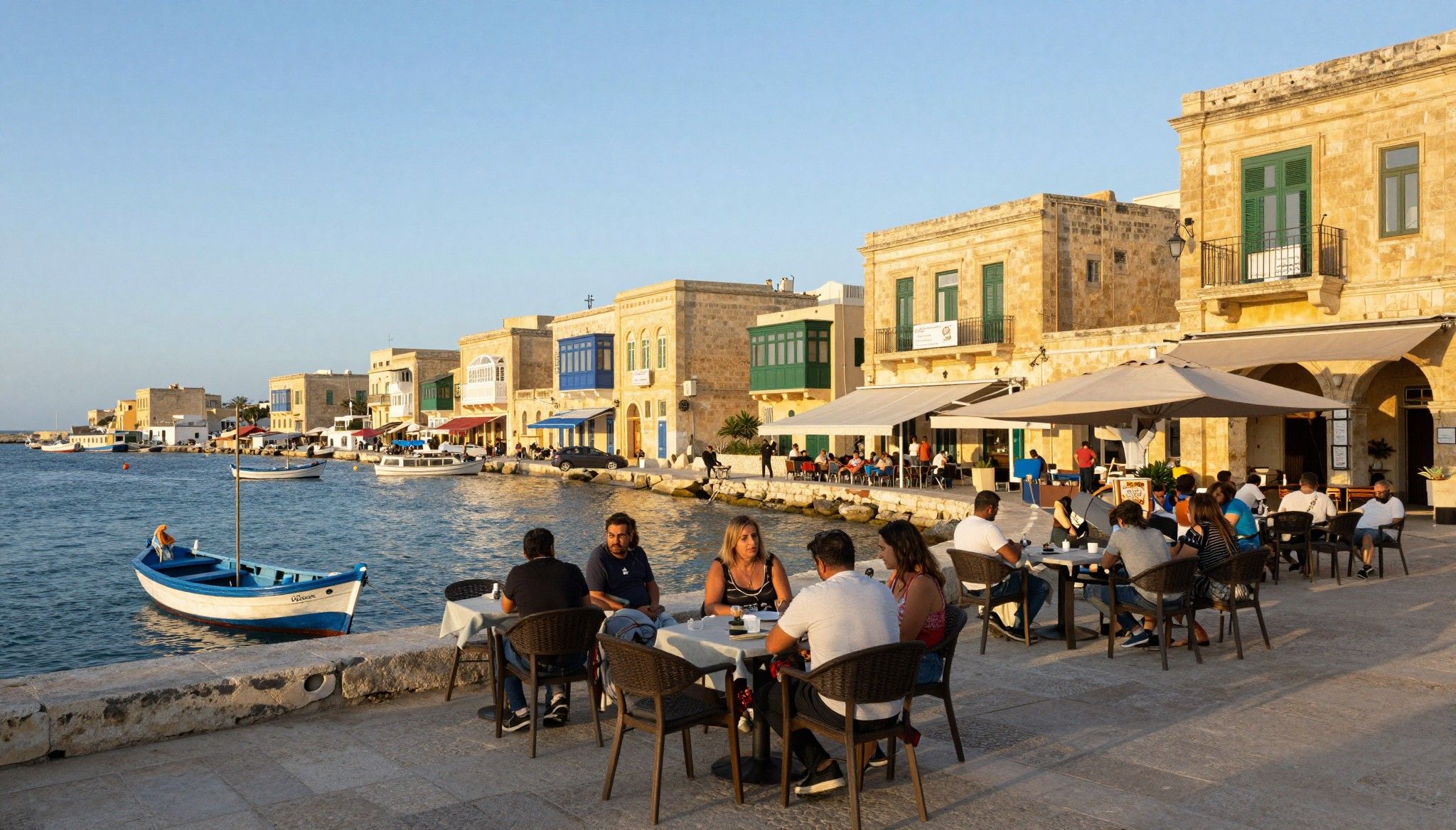
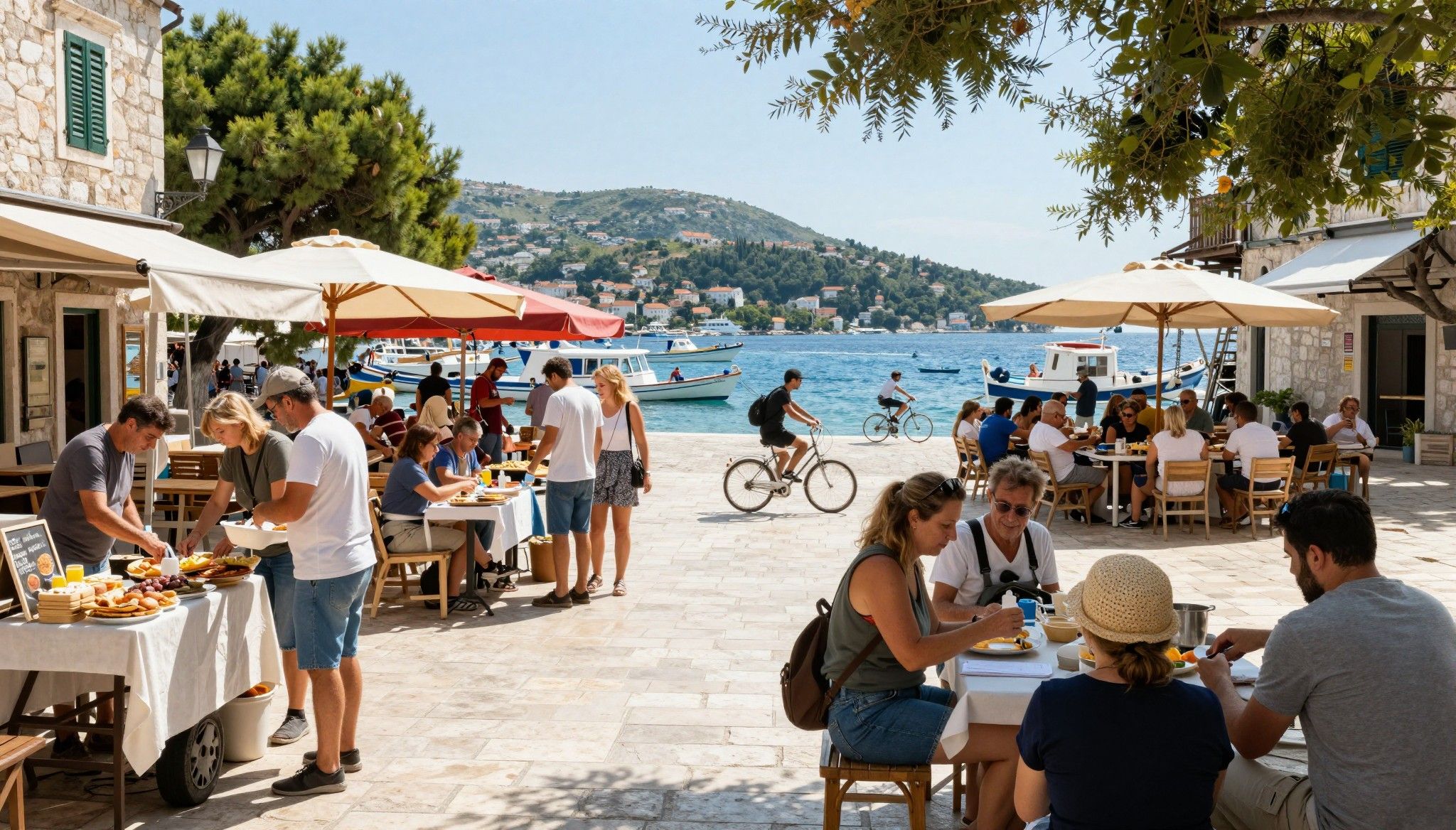
Greece: Seasoned Life, Not Just Summer Postcards
Greece mixes island spectacle with real communities — visit in two seasons, check Golden Visa rules and prioritise infrastructure over summer yield claims.
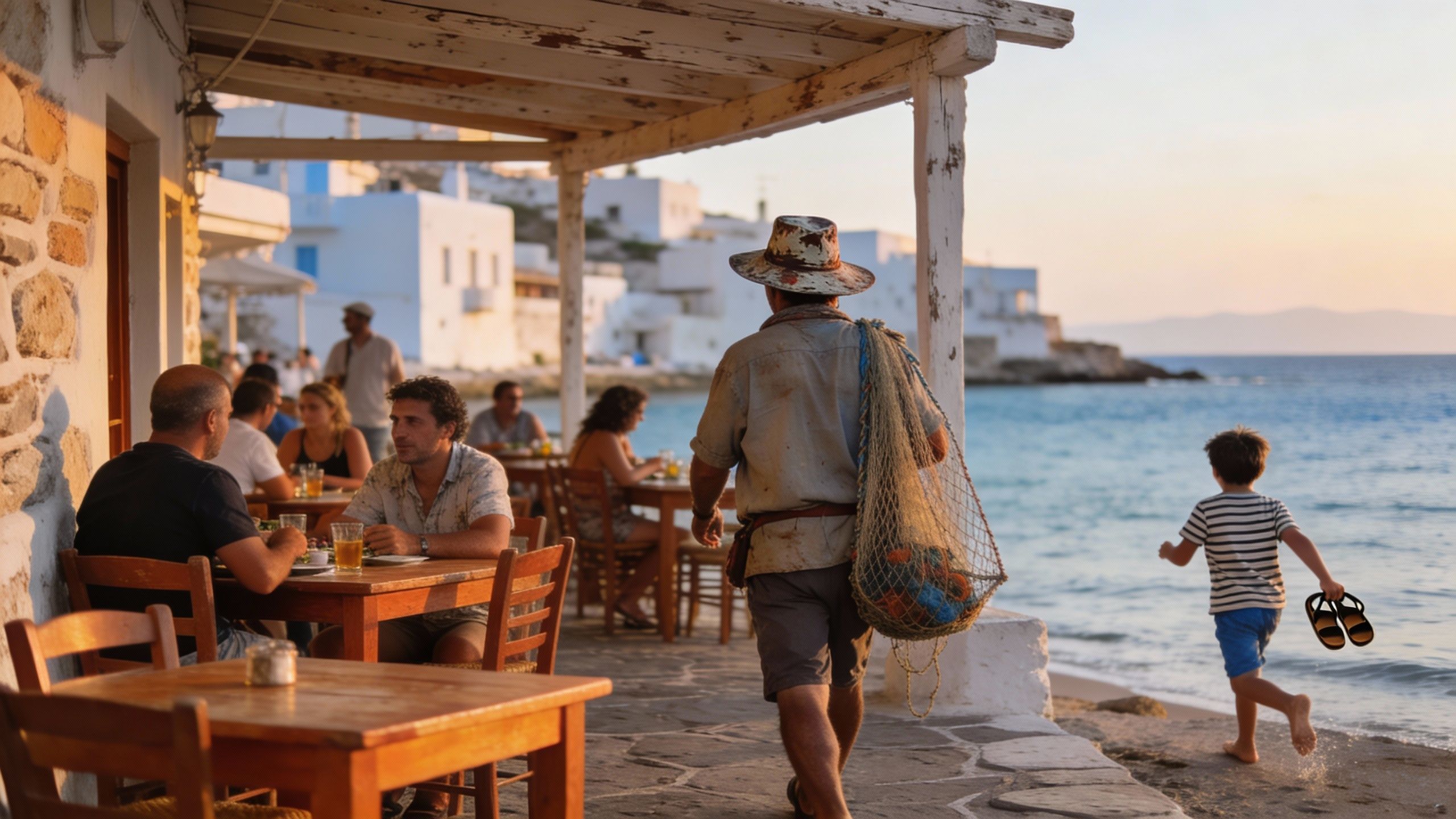
Imagine waking up to a slow espresso on a terrace in Plaka, then swapping city pavements for a late-afternoon swim on an Ionian beach the same week. Greece is a life that mixes whitewashed island clarity and lived-in city intimacy — and for buyers from abroad it offers a striking range of experiences, from narrow Athenian streets to sunlit Cycladic courtyards. But the market you fall in love with can behave very differently depending on region, season and local rules.
Living the Greece lifestyle
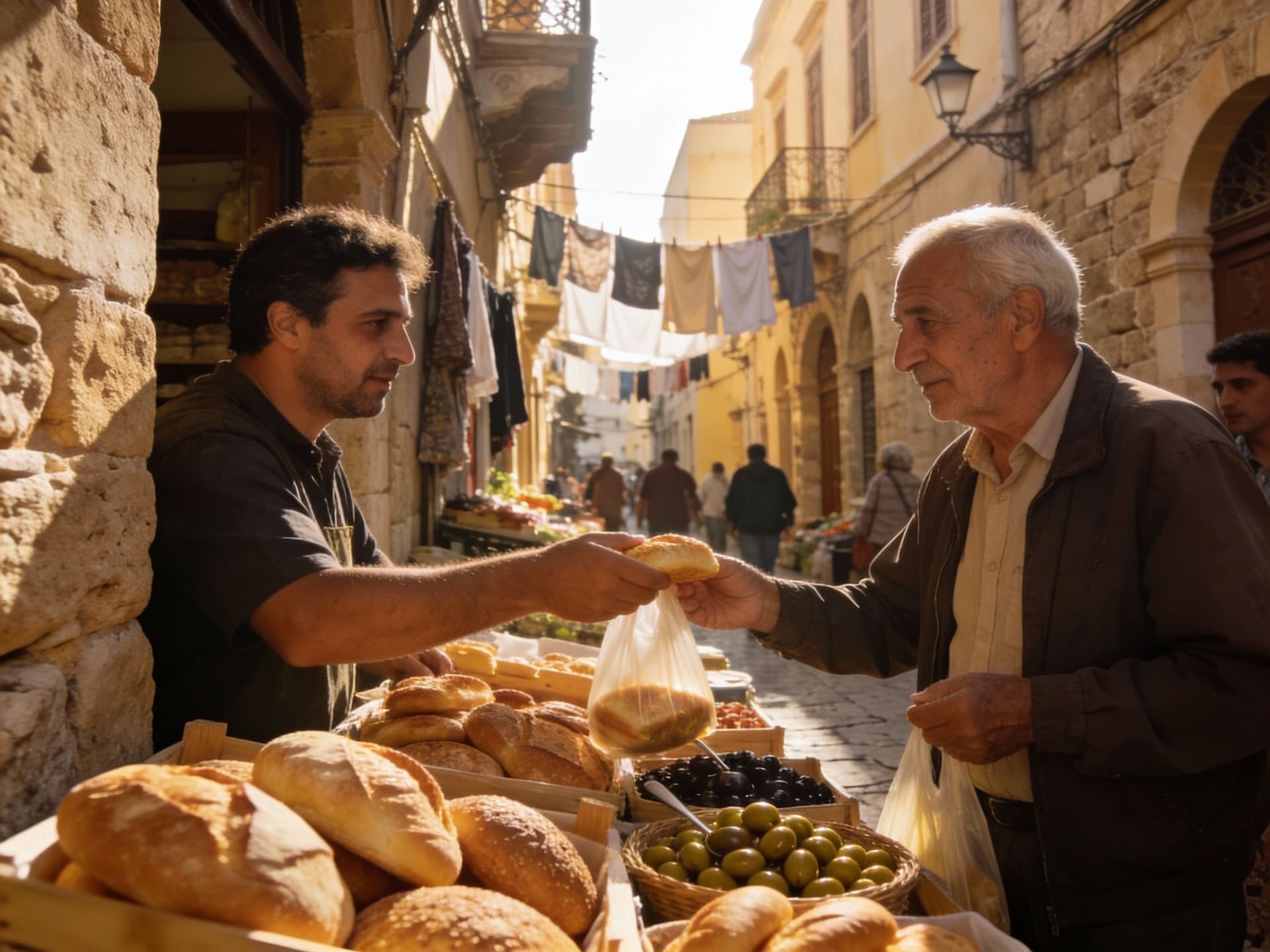
Life in Greece is a sensory loop: morning markets, loud bakers, afternoon quiet, then kantina conversations over late dinners. Athens neighborhoods like Koukaki and Pangrati feel youthful and walkable; Chania and Rethymno in Crete combine Venetian lanes with neighbourhood bakeries; the Cyclades (Naxos, Paros) offer small‑town rhythms with surprisingly good restaurants. Tourism growth — record arrivals and receipts in 2024 — amplifies the conviviality but also changes what different places feel like for year‑round living. We’ve lived in several of these spots and seen how seasonal crowds morph daily life and local services.
Athens: history, coffee and hidden courtyards
Picture walking from a bright kafeneio on Adrianou Street toward the Acropolis, pausing for a fresh spanakopita and watching the city warm up. Athens is no longer just a transit point — its neighbourhoods host start‑ups, galleries and new restaurants. For buyers wanting urban life with sea access, Glyfada and Voula give Mediterranean afternoons without island logistics. But suburban convenience comes with different price dynamics and renovation opportunities compared with central apartments.
Islands & coasts: summer brilliance, winter quiet
The Southern Aegean and Cyclades generate most tourism receipts, and that matters: on islands like Mykonos and Santorini, summer is spectacular and winter can feel almost deserted. Increased arrivals in 2024 pushed demand — and prices — in popular island markets. If you crave a bustling summer scene and can accept months of quiet, those islands deliver. If you prefer steadier year‑round life, Crete, the Peloponnese and parts of the Ionian coast often strike a better balance.
- Lifestyle highlights to test in person
- Sip coffee in Koukaki’s backstreets and visit the weekend flea market at Monastiraki.
- Walk Rethymno’s Venetian harbour at dawn, then buy fresh fish from the market for lunch.
- Explore quieter Cycladic islands (Schinoussa, Koufonisia) for lower competition and more authentic community life.
Making the move: practical considerations
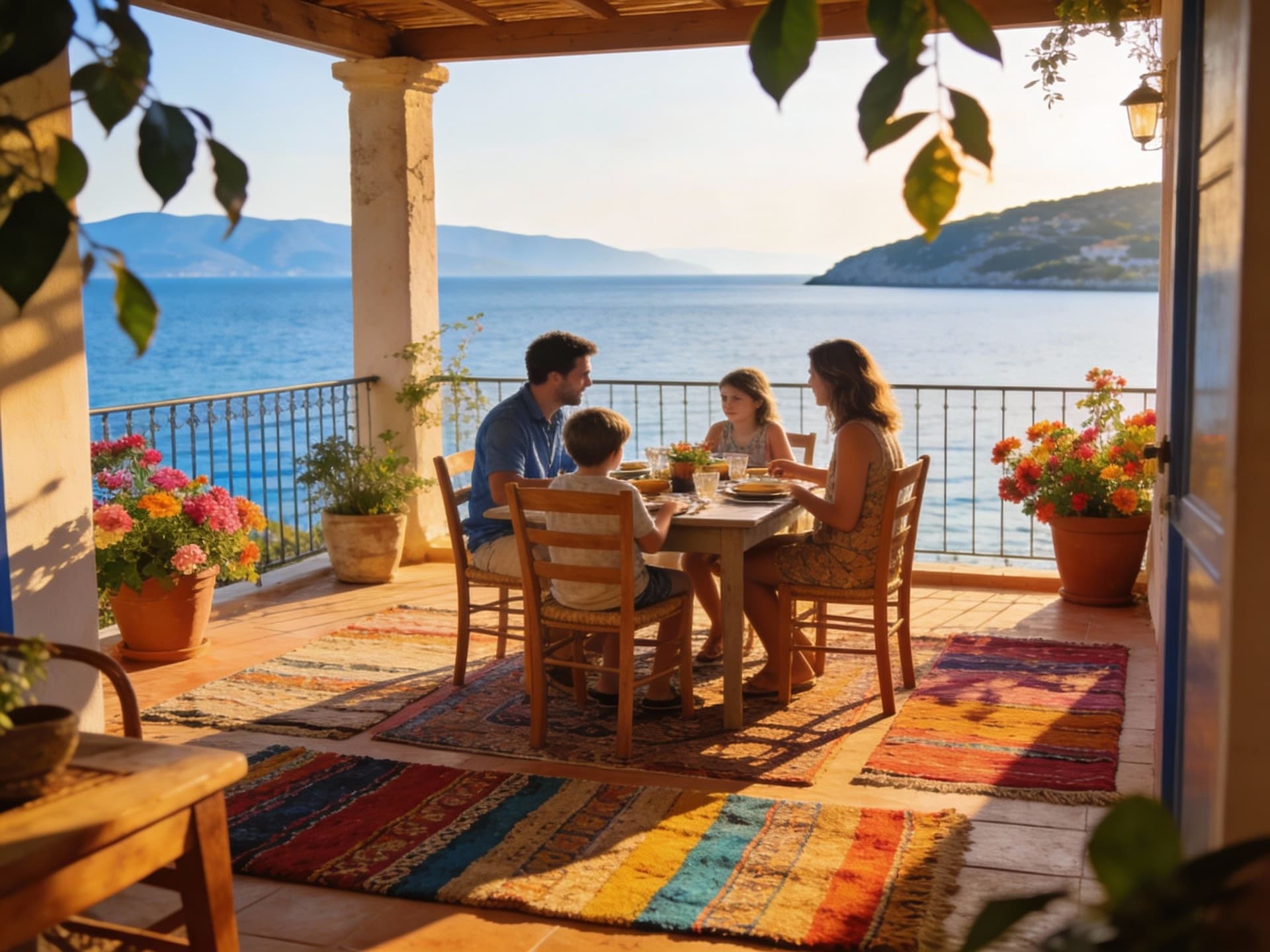
Your dream and the contract meet in a set of practical realities: regional price differences, residency rules, and how the local market treats short‑term rentals. Recent policy moves — including higher thresholds for the Golden Visa in popular areas — have reshaped investor behaviour and where demand concentrates. That means the right neighbourhood for lifestyle might not be the same one for the best price dynamics.
Property styles and how they map to life
Stone village houses give immediate local texture and character but usually need structural and electrical upgrades. Newer coastal builds offer efficient indoor‑outdoor living and pool terraces but can feel soulless in smaller islands. In Athens, restored neoclassical apartments deliver light and high ceilings; expect permitting complexity when converting lofts or adding terraces. Match the property type to the life you want: morning markets? Choose a walkable town centre. Quiet garden mornings? Look at inland Peloponnese or less touristy Ionian bays.
Work with local experts who know the seasons
A local agency that knows municipal quirks, short‑term rental licensing, and island logistics is invaluable. We recommend teams who spend time in both your target island and the mainland (for paperwork). Look for agents who introduce you to neighbourhood cafés and local installers — those conversations often reveal renovation limits, water access realities and quiet months when negotiating power is strongest.
- Steps to marry lifestyle with practicality
- Visit in two seasons (peak summer and a quieter month) to test noise, services and transport.
- Hire a local architect or engineer to review plumbing and seismic retrofitting needs before you bid.
- Ask the agent for utility bills, community fees and a list of recent local sales to benchmark value.
Insider knowledge: expat truths and red flags
Expat life in Greece is warm but not frictionless. Expect friendly bureaucracy and occasional delays, especially on islands where municipal offices are small. Short‑term rental rules and cruise‑traffic measures recently introduced to protect local life can reduce summer revenue but also limit tourist overcrowding — a trade‑off many long‑term residents welcome. Watch for turnover in local vendors and closing hours that tighten outside high season.
Cultural integration: real ways to feel local
Learn a few Greek phrases, shop at the weekly market, and show up early to local panigyria (feasts). Locals respect consistency: a regular café visit or participation in a neighbourhood association opens doors quicker than flashy renovations. For many of our clients, small rituals — buying loukoumades on Sunday or joining a seaside cleaning day — became the fastest path to community.
Longer-term thinking: value beyond price
Think beyond immediate returns. Areas that protect their character and curb mass short‑term rentals often preserve lifestyle value and attract long‑term buyers. If you want a sustainable life rather than summer wins, prioritise infrastructure (reliable ferries, year‑round shops, medical access) and community networks over glittering summer yields.
- Red flags to watch for
- Vague property titles or missing building permits — always insist on an up‑to‑date title report.
- Unrealistic summer yield promises post‑regulation; check local licensing for short‑term lets.
- Single‑source advice — use both a local solicitor and an independent surveyor.
Conclusion: Greece as a lived choice — not just a holiday backdrop. If the smell of thyme on an island breeze or the tangle of neighbourhood life in Athens calls you, that feeling is valid. But pair the romance with due diligence: visit out of season, ask for real bills and permits, and work with agents who show you markets in two lights — summer spectacle and winter reality. When those pieces align, you don’t just buy a property in Greece; you buy a life that changes how you spend mornings and evenings.
Swedish expat who moved from Stockholm to Marbella in 2018. Specializes in cross-border legal navigation and residency considerations for Scandinavian buyers.