Greece: Streets, Seasons & Smart Property Tradeoffs
Greece offers contrasting lifestyles — city coastlines, island seasons, and rising regional value; match a street’s rhythm to property choice and check residency rules updated in 2024.

Imagine stepping out at 8 a.m., espresso in hand, past a morning fruit stall on Dionysiou Areopagitou with the Acropolis catching the first light — then driving an hour to a sandy cove on the Saronic islands for a late-afternoon swim. Greece lives in contrasts: ancient stones and new surf schools, slow café hours and a buzzy startup scene in Athens. For international buyers, that contrast is the point — and it changes what you should buy.
Living the Greece lifestyle

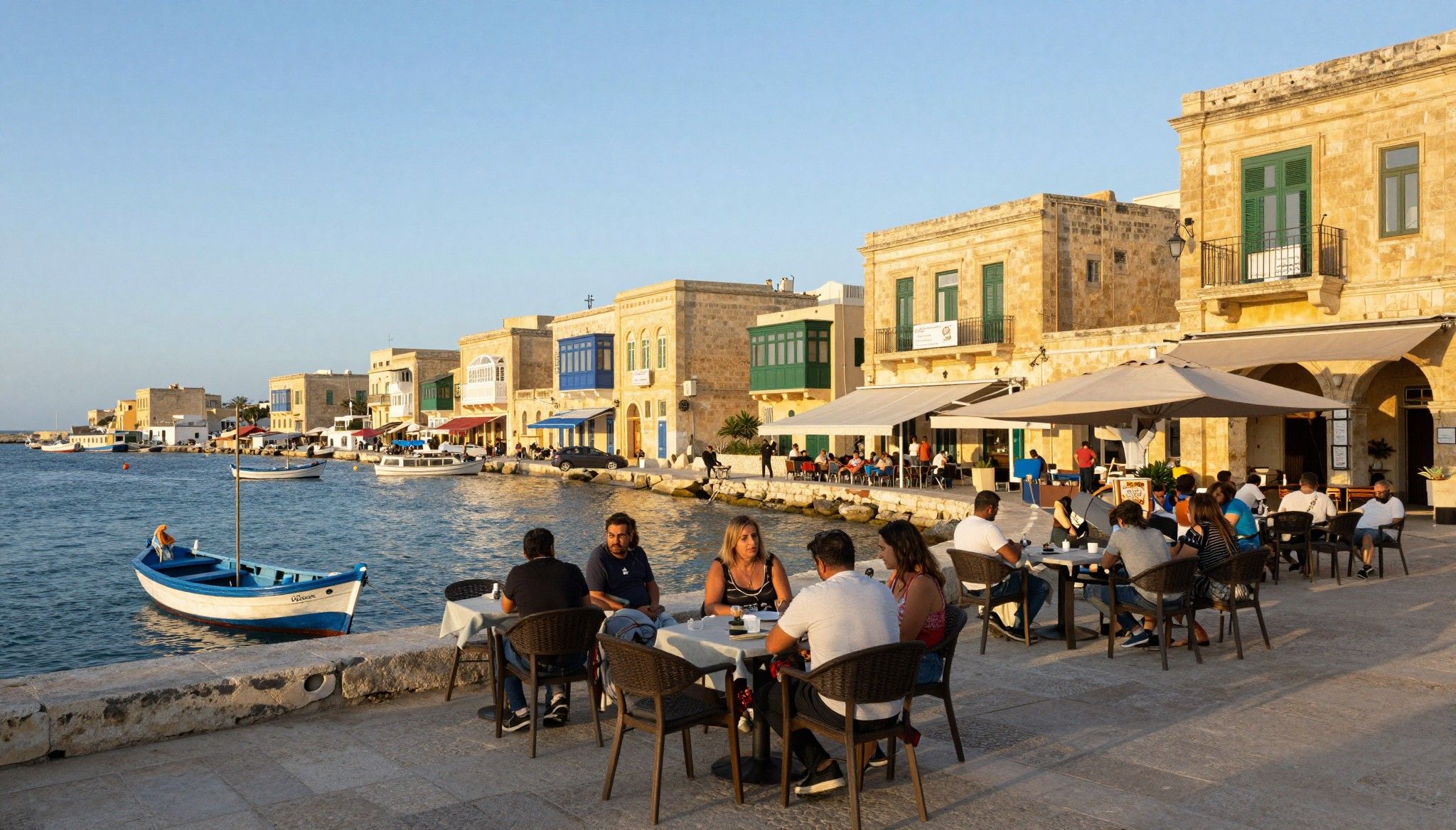
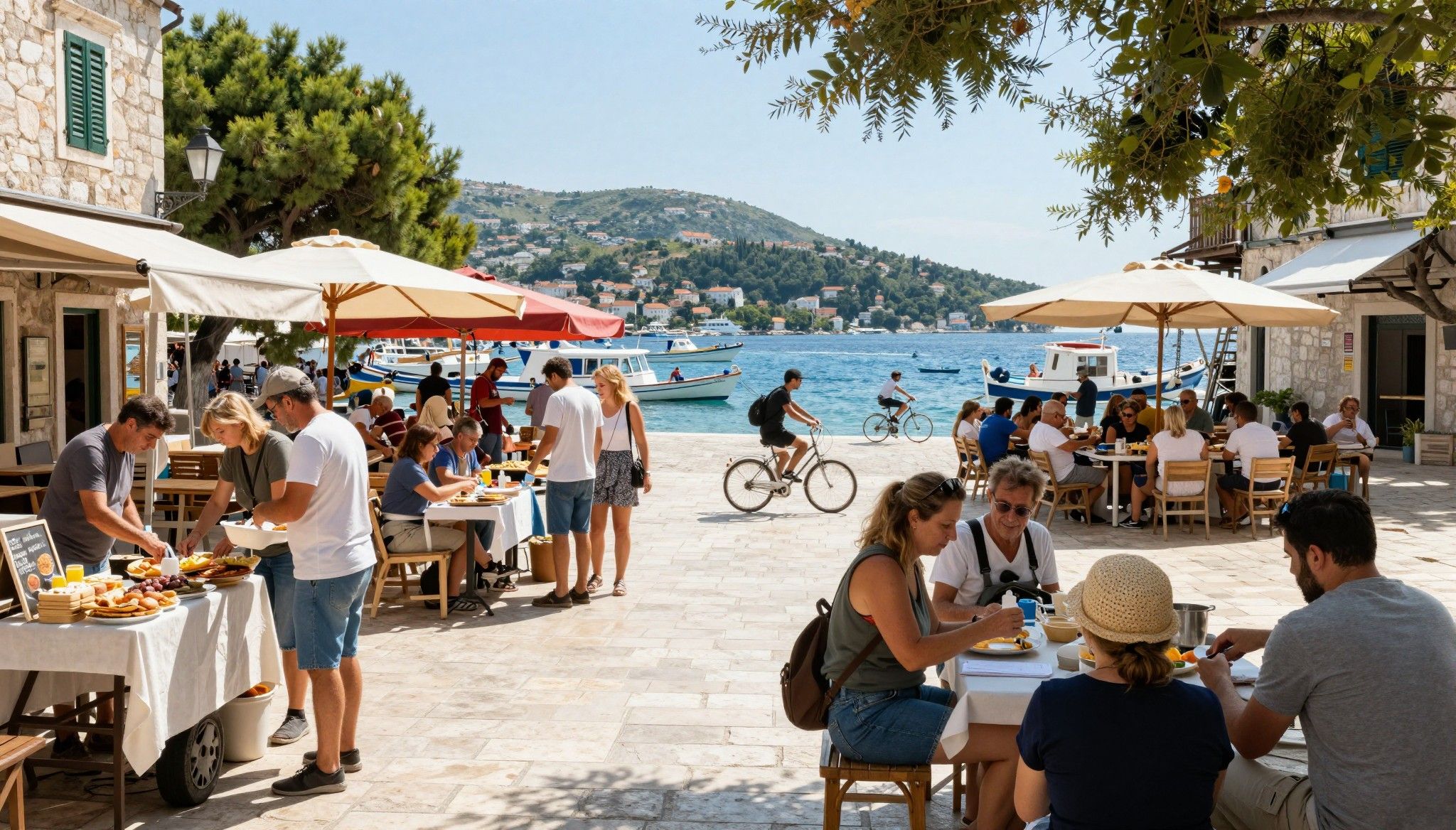
Greece isn’t a single lifestyle — it’s a collection. In Athens you’ll find narrow streets framed by neoclassical facades, late-night taverna culture and a coastline that becomes a different city in summer. On the islands, days are ordered by light and water: mornings for markets, afternoons for siestas, evenings for long meals punctuated by local wine. These rhythms shape how properties are used: terraces and shutters matter more than huge living rooms; proximity to a town square can matter more than beachfront meters.
Athens & the Athenian Riviera — city energy with coastal escape
Picture Koukaki mornings: people queue for filter coffee, bakers deliver warm koulouri, history sits behind every corner. Then imagine a Saturday afternoon in Glyfada or Vouliagmeni — seafood tavernas, small yachts, and newly built promenades. The Ellinikon redevelopment is changing the Riviera’s rhythm and pushing prices in nearby suburbs, but it’s also creating jobs and modern amenities that many internationals want within 20–30 minutes of the city centre.
Islands & coastal towns — seasonal life, year‑round character
The famous islands run on tourism calendars: in July and August the population multiplies, restaurants hum until 2 a.m., and short‑let yields peak. Off‑season reveals a calmer island life — closed boutiques, quiet tavernas, and locals who breathe again. That seasonal heartbeat affects property use and maintenance costs: if you crave continuous life you’ll choose islands with larger resident communities (Paros, Crete) over Mykonos or Santorini, where summer is everything.
- Lifestyle highlights you’ll actually use
- Morning filter coffee at Taf in Koukaki; afternoon swims at Vouliagmeni beach; Sunday market shopping in Chania’s Agora; fishermen’s fish tavernas on Naxos; weekend hikes in Mount Parnassus.
Making the move: lifestyle meets property reality

Dreams come first — but the property has to fit the life. If you’re a chef who wants daily market runs, look for ground-floor apartments with easy storage and a nearby market square. If you want a holiday rental income, prioritise transport links and a property that survives an intense three-month season without constant maintenance. Greek buying choices are rarely neutral; they tilt your daily life in a particular direction.
Property styles and how you’ll live in them
Stone village houses, modern island villas, and city apartments behave differently. Stone homes in Peloponnese keep cool in summer but need insulation work for winter; island terraces require durable finishes against salt; modern Athens apartments emphasise A/C and soundproofing. Market momentum varies too — Q1 2025 saw notable asking-price rises in tourist and northern hotspots, so timing and region choice affect both lifestyle and long-term cost.
Working with local experts who know the life you want
How a skilled local agency helps you match life to property:
- 1. Map daily routines to streets — agents who live locally point to streets where the bakery opens at 7 and the market is fresh at 9.
- 2. Trade seasonal yield for year‑round comfort — agencies quantify realistic occupancy rates and maintenance costs for island rentals versus mainland long lets.
- 3. Negotiate contract clauses for fixtures and terraces — small disputes over water tanks and pergolas are common; a good agent resolves them before exchange.
Insider knowledge: what expats wish they’d known
Here’s the truth: lifestyle surprises and paperwork surprises are both likely. Many expats underestimate seasonal service costs on islands, the pace of municipal permits for renovations, and the implications of residency rules that changed in 2024. The Golden Visa thresholds were revised in 2024 to higher minimums in high-demand areas — that affects where non‑EU buyers look for value and residency benefits.
Cultural integration & daily life
Greek social life still revolves around food and small comforts. Learn a few phrases, accept invitations to local kafeneia, and you’ll find neighbors who look after parcels and plants. Expect a relaxed timetable: shops close for a long lunch in many towns, and bureaucracy runs on local rhythms. That social integration translates into property choices — being near the square matters more than being near a mall.
Long‑term considerations: climate, maintenance, and resale
Think long term: salt exposure shortens fixture life on islands, seismic rules matter on Crete and mainland, and energy upgrades now materially increase resale value. Northern corridors (Thessaloniki, parts of mainland Crete) showed strong growth in recent quarters, offering value relative to Athens and premium islands — that’s worth considering if you want appreciation as well as lifestyle.
- Red flags and quick checks before you bid
- • Missing utility records for the last 5 years (especially water supply on islands). • No planning-permit history for mezzanines or terraces. • Overly optimistic rental yield projections without local occupancy data. • No proof of seismic compliance for older masonry buildings.
Conclusion: fall in love with a life, then buy the supporting property. Start with streets and rhythms — the café, the market, the beach you’ll use in March — and let that shortlist direct the legal and technical checks. Work with an agency that knows both the paperwork and the breakfast spots. If you get the life right, the rest follows.
British expat who relocated to Marbella in 2012. Specializes in rigorous due diligence and cross-border investment strategies for UK and international buyers.