Malta: Life, Permits and What Sellers Don’t Tell You
Malta's compact island life delivers terrace mornings and bustling harbours — but buyers must plan for permits, rising prices and renovation realities backed by NSO data.
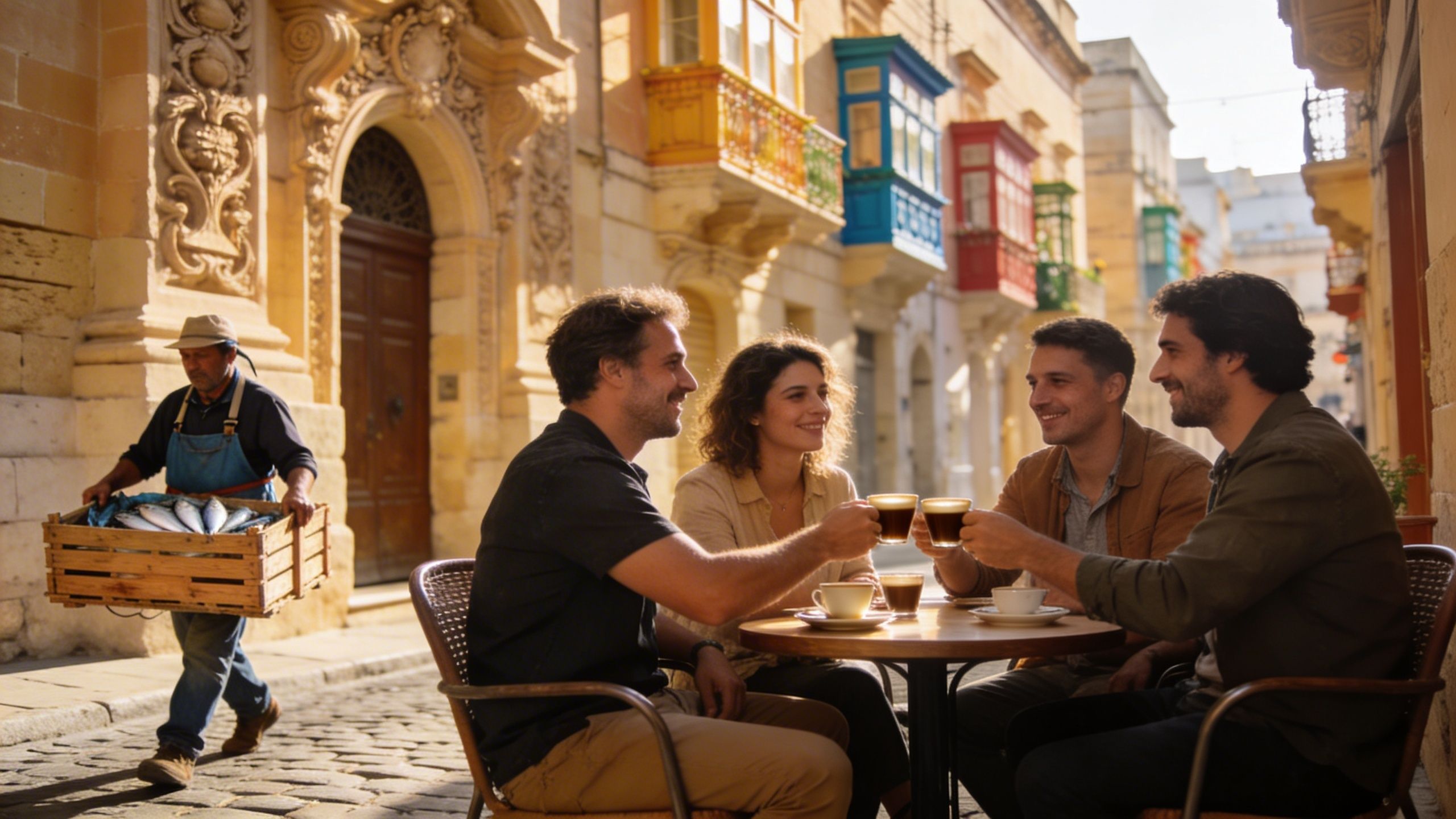
Imagine starting your morning with espresso at Caffe Cordina, then wandering down Republic Street to a limestone balcony where the harbour smells of salt and frying chapati. That's Malta: a compact island where history lives on every corner, terraces catch afternoon light, and the scale of daily life makes most errands a pleasant walk. For many international buyers the romance comes first — Valletta's carved facades, St. Julian's lively esplanade, the quiet gardens of Sliema — but practical realities follow fast. We want to show you the life here and the concrete steps that make it attainable.
Living the Malta life: small islands, big rhythms
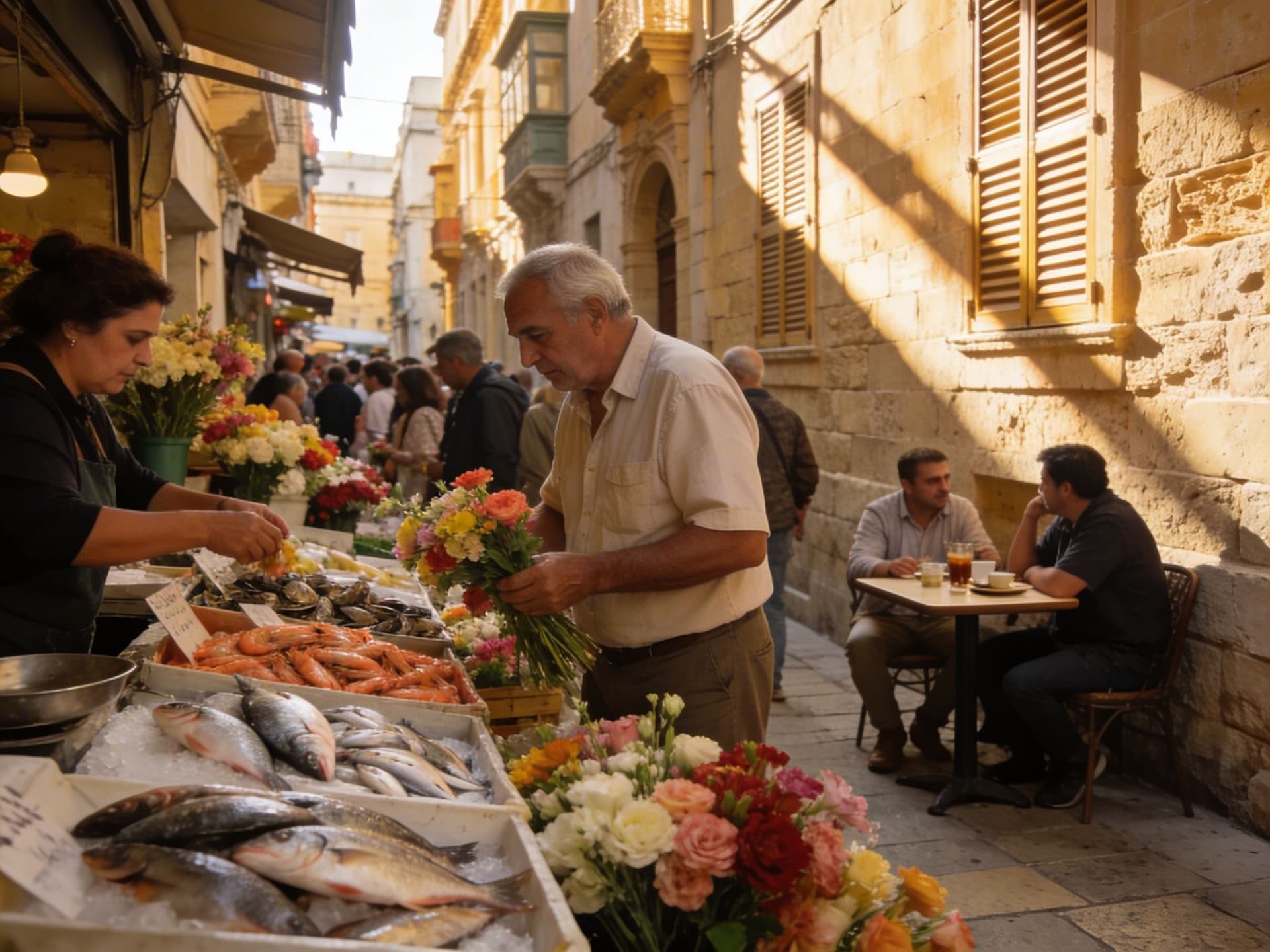
Malta's heartbeat is intimate. Days move from café chatter and bakery queues to siesta‑light afternoons and late dinners that stretch into the night. English and Maltese are both in regular use, which makes integration easier for many buyers — but learning a few Maltese phrases still opens doors at markets and local festas. Expect a Mediterranean tempo: summers are social and loud, winters are mild and community‑focused. The island's tiny scale means you can live by the sea, work in the capital and be back for sunset in under an hour.
Valletta and the Three Cities: history as a neighbourhood
Valletta feels like an open‑air museum that stays very much alive: narrow streets, baroque churches, and rooftop terraces where neighbours still chat at dusk. Across the Grand Harbour, the Three Cities — Senglea, Vittoriosa and Cospicua — offer slower rhythms, waterfront promenades and restored merchant houses. Properties here are typically older, with thick limestone walls and small courtyards; they bring atmosphere but often need careful inspection for damp, structural quirks and modern service upgrades.
Sliema & St. Julian’s: terraces, cafes and expat life
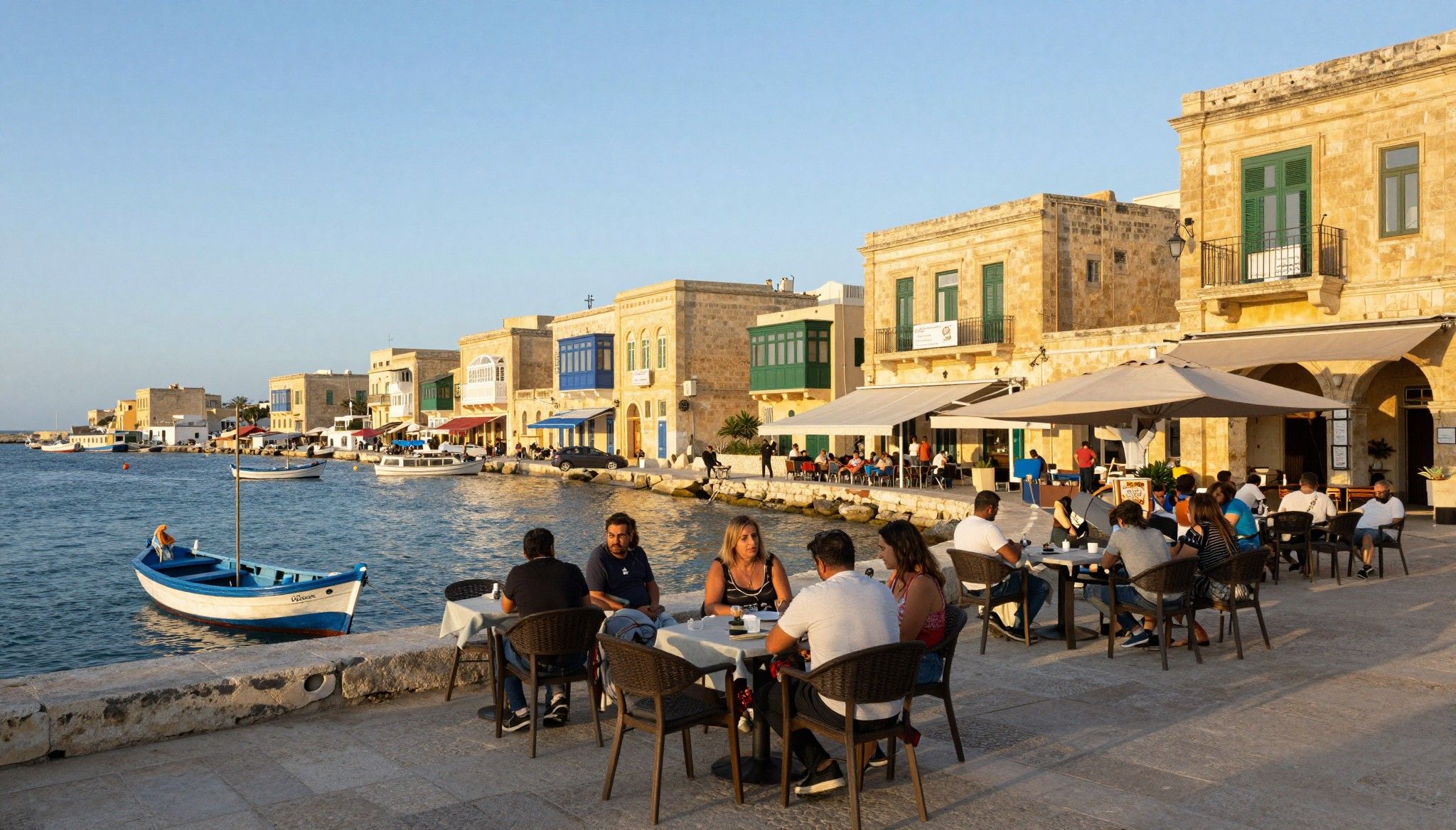
If you prefer a busier, more contemporary coast, Sliema and St. Julian’s serve cafés, seafront promenades and a denser expat community. Apartment living dominates here — modern blocks with sea views and terraces that make summer living effortless. Nightlife congregates around Paceville in St. Julian's, while boutique shopping and coastal promenades define Sliema. For buyers who want social convenience and rental demand, these neighbourhoods tick many boxes, though they command a price premium for proximity and views.
Making the move: property, permits and realistic timelines
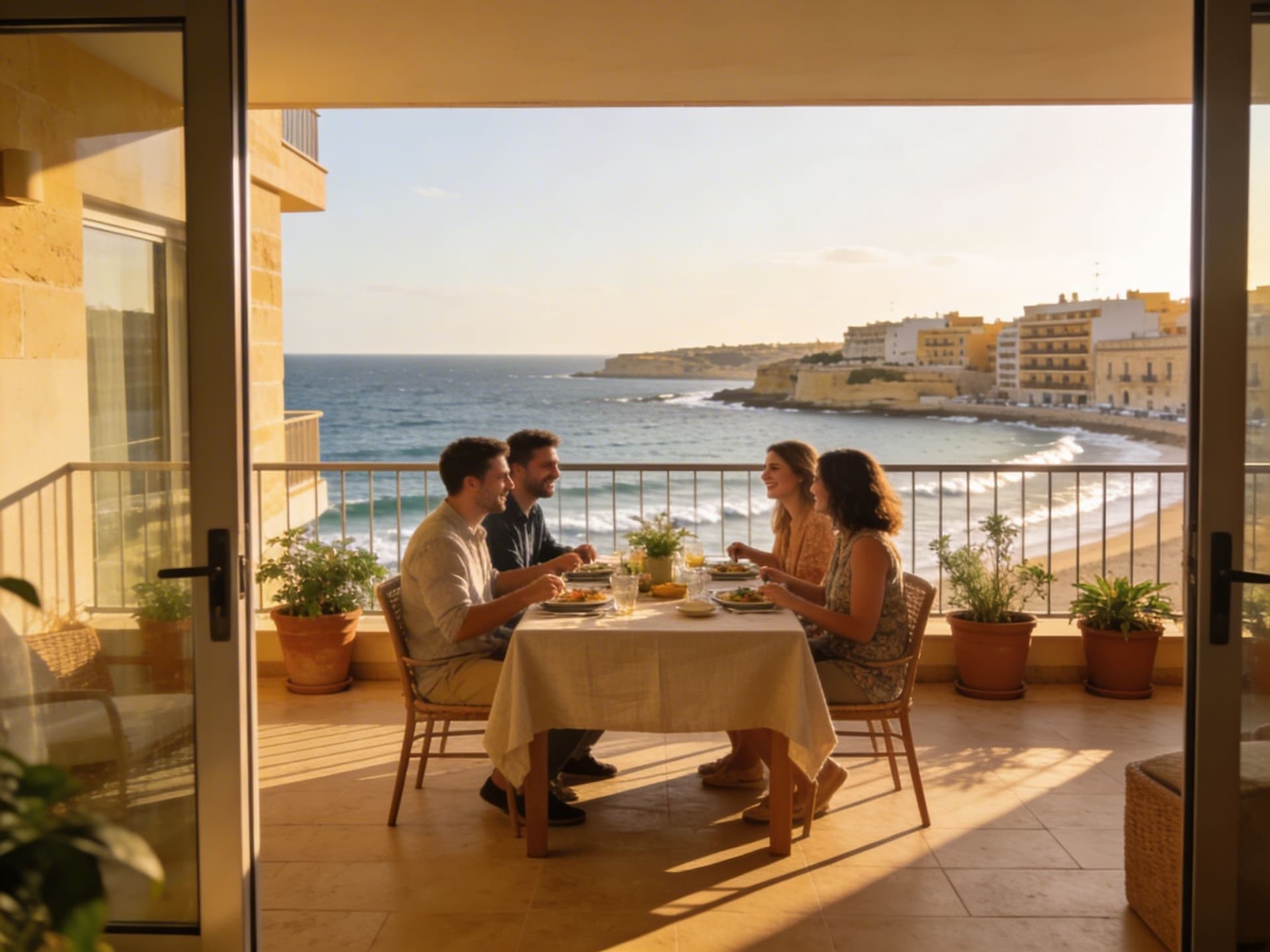
Malta's legal framework is compact and specific: non‑residents generally need an Acquisition of Immovable Property (AIP) permit to buy, and most foreigners are limited to a single property unless buying in a Special Designated Area. That legal quirk changes how you search — designated zones like Tigné Point and Portomaso allow freer ownership, but they have a very particular market and price structure. Expect permit processing, checks and a modest fee; plan timelines of several weeks for permits and a few months for a full transaction.
Property styles and how they shape daily life
Choose a maisonette, apartment or converted townhouse and you’re choosing a lifestyle. Maisonettes and traditional townhouses come with internal courtyards and Mediterranean light, perfect for someone prioritising indoor‑outdoor living. Modern apartments often include lifts, parking and communal amenities useful for seasonal rentals or year‑round comfort. Prices have been rising steadily — Malta’s RPPI showed year‑on‑year gains — so match your property choice with your intended use: full‑time living, holiday home, or rental income.
Work with agents who know the island’s small-market rhythms
Because the market is small, off‑market deals and local relationships matter. A good agency will know which blocks are due for planning permission, which owners favour quick sales, and which neighbourhood committees push back on renovations. We recommend agencies that can connect you to notaries, surveyors and tax advisors who regularly work with international clients. Ask for concrete examples of recent sales in your target area and insist on walk‑throughs that show both the upside and the quirks.
Insider knowledge: what expats say after a year
Expats tell two reliable truths: first, the social fabric on the island forms fast because of its size; second, property can look cheaper until you add renovation, energy upgrades and permit work. The controversial end of the citizenship‑for‑investment era has shifted perceptions and regulatory scrutiny, which matters if you were hoping a programme would be part of your residency plan. These changes mean buyers should focus on residency routes now actively supported by Maltese law, not historical programmes.
Cultural integration, language and community
Learning basic Maltese phrases is appreciated, but English is widely spoken across services, government and the private sector. Getting involved at festa season, volunteering with local groups, or joining a neighbourhood bocci club will embed you faster than a glossy relocation brochure. Expect warm neighbours, lively town councils and an active expat community clustered around Sliema, St. Julian’s and parts of Rabat and Gozo.
Practical steps to move from dreaming to living
1. Decide whether you need an AIP permit and which neighbourhoods allow freehold for foreigners. 2. Engage a local agent with recent comparable sales and a recommended notary. 3. Commission a structural survey and planning‑search before signing a promise of sale. 4. Budget for renovation and energy upgrades — older limestone homes often need insulation and modern plumbing. 5. Apply for your permit early and prepare for a 4–12 week timeline from offer to deed depending on complexity.
Hidden costs and realistic returns
- Renovation, community fees, and energy retrofits can quickly add 10–20% to your budget. Short‑term rental demand can offset costs in central zones like Valletta and Sliema, but regulation and seasonality influence yields. Use recent RPPI and transaction data to set expectations for appreciation rather than assume perpetual growth.
In Malta you buy much more than stone and tiles — you buy into rhythms: seaside long lunches, festa fireworks, neighbourly coffee and a condensed geography that makes every weekend an exploration. If that lifestyle fits, take pragmatic steps: pick neighbourhoods that match your day‑to‑day, work with agents rooted in local practice, and plan budgets for the island’s renovation realities. When you're ready, we can connect you to vetted local partners who show both the light and the ledger.
Dutch relocation advisor who moved to Marbella in 2016. Guides Dutch buyers through visa paths, relocation logistics, and balance of lifestyle with value.