The Cyprus Paperwork Paradox: Live Bright, Buy Right
Cyprus' sunshine sells the dream, but VAT, transfer fees and residency checks shape whether that dream becomes a secure home. Practical lifestyle decisions meet legal clarity here.

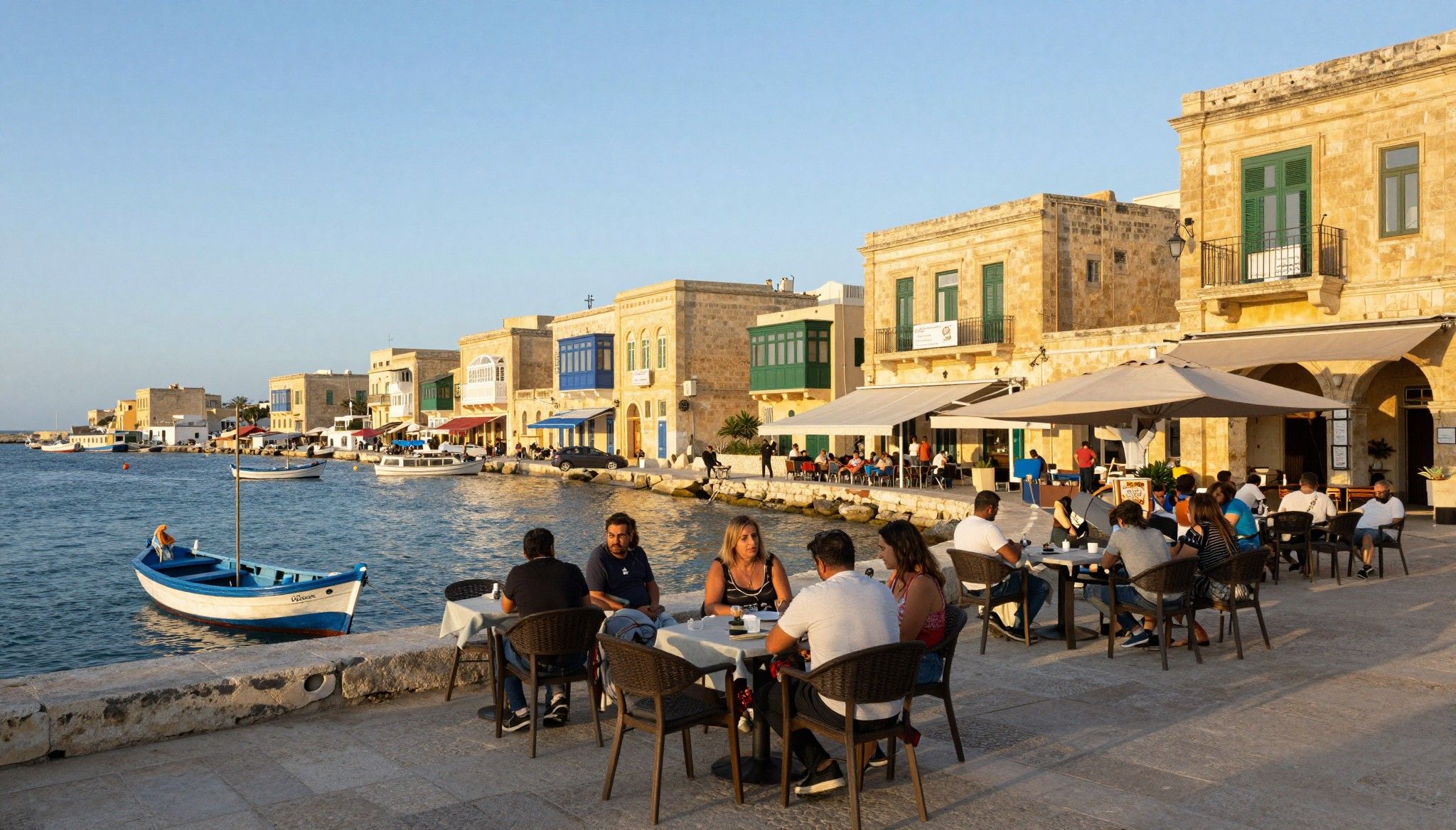
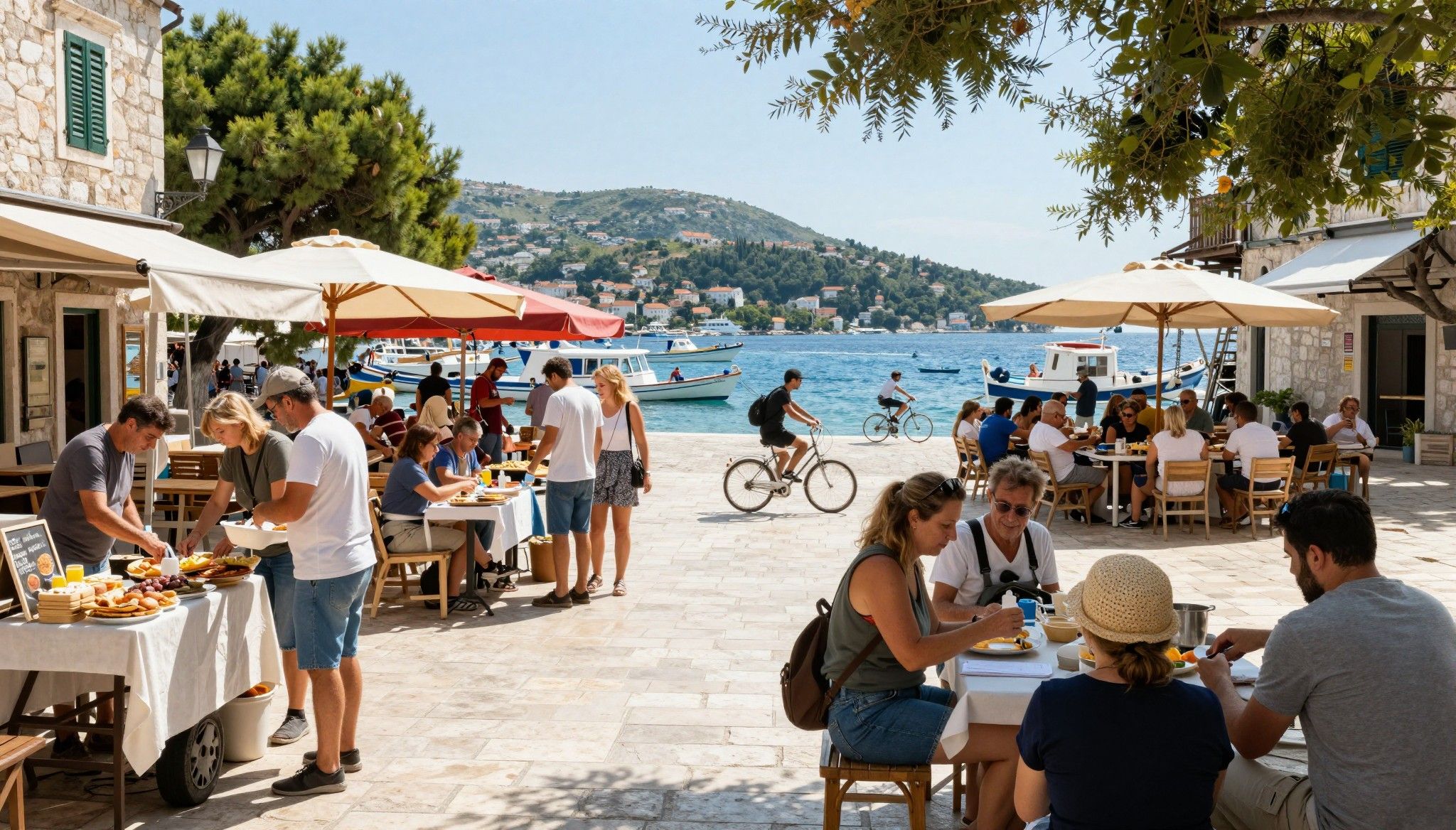
Imagine waking to a sea-scented breeze in Limassol, grabbing a double espresso from To Elliniko on Gladstonos, then wandering a sun-warmed promenade where old stone buildings and glass towers sit side by side. Cyprus feels immediate: beaches and tavernas in the morning, small street markets by noon, and a surprisingly lively cultural calendar in the evenings. That everyday brightness is why people move here — but the legal and tax picture behind it matters as much as the sunlight. If you fall for the lifestyle first, read this to make sure the paperwork keeps up with the dream.
Living the Cyprus life
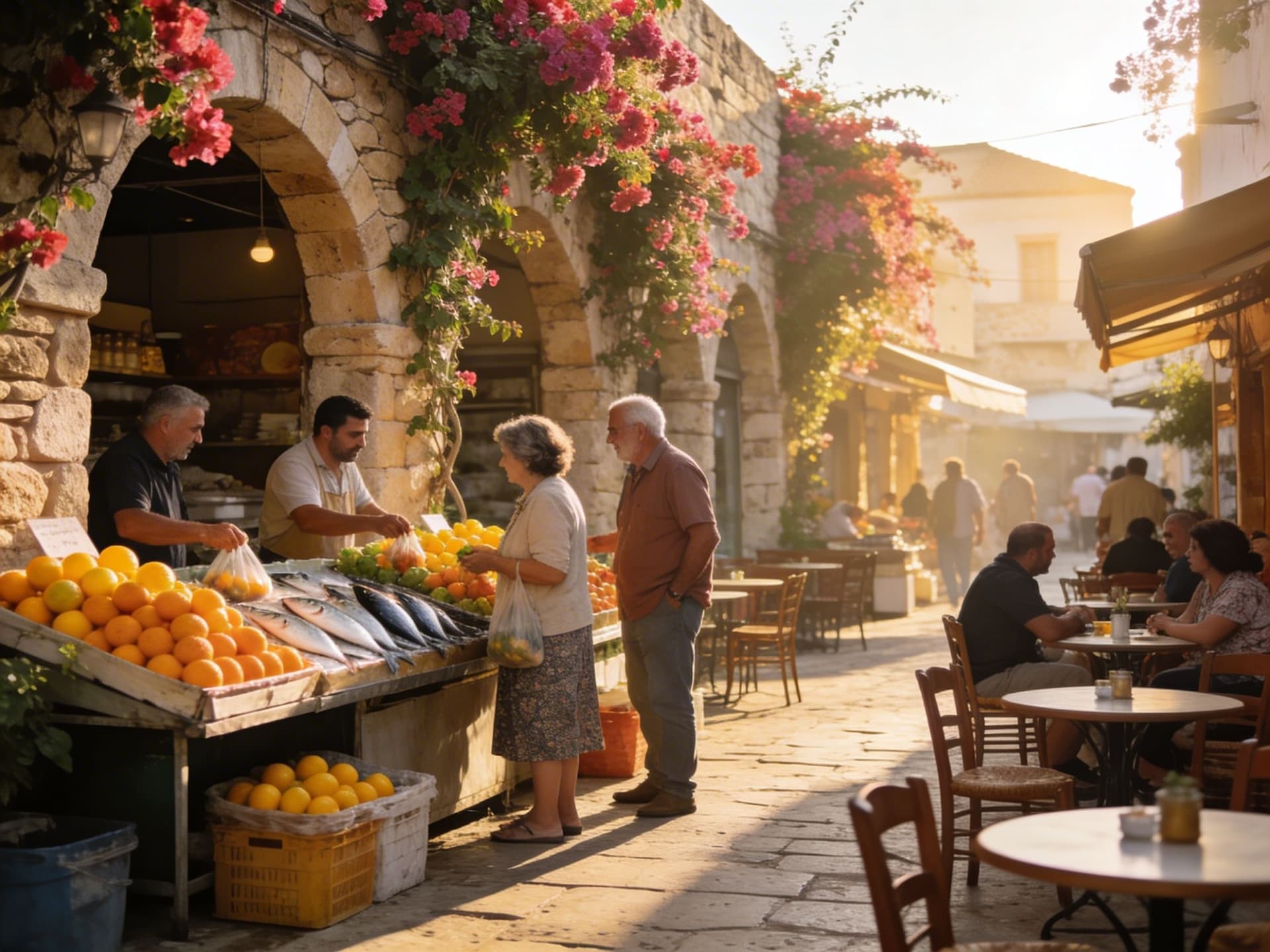
Cypriot days are arranged around light and place. Mornings belong to cafés — think Nicosia’s Ledra Street or Larnaca’s Finikoudes — where conversation is slow and coffee is serious. Afternoons are outdoors: beaches like Fig Tree Bay, walks in the Troodos foothills, or late lunches beneath bougainvillea in Paphos’ old town. For buyers, this rhythm should shape what you actually need from a property: a kitchen for long lunches, a balcony with shade, or quick access to a seaside community you can join.
Neighbourhood notes: Limassol, Paphos, Nicosia
Limassol is the coast’s busiest heartbeat — cafés on the Marina, designers and construction sites in streamlined developments. Paphos smells of olives and old stone; it’s quieter and attracts families and retirees who prize a gentler pace. Nicosia is an island capital with a surprising urbanity: pedestrian lanes, late-night restaurants, and a functioning local economy that makes it sensible for professionals. Each place trades off lifestyle for different practical needs: parking in Limassol, renovation headaches in Paphos’ older cores, or schooling and commutes in Nicosia.
Food, markets and small rituals
Food is how locals show you a neighbourhood. Gravelly mornings at Larnaca’s municipal market, late-afternoon meze at a family taverna in Akrotiri, or fish stalls by Limassol’s old port: these are the daily certainties that make a house feel like home. For buyers this translates to choosing proximity to the right market or cafe — not just sea view. Those lifestyle choices often affect resale prospects and rental desirability as much as square metres do.
- Morning espresso on Gladstonos (Limassol); Fig Tree Bay swim (Protaras); Ledra Street stroll (Nicosia); Paphos old-town taverna evening; Mackenzie Beach sunset bars (Larnaca).
Making the move: paperwork that shapes the life you buy

Here’s the contrarian bit: the part of the purchase most people dread — VAT versus transfer fees, residency checks, and title paperwork — is the same stuff that lets you enjoy the island long-term. Get it right and your seaside terrace stays yours; ignore it and you risk retroactive charges or legal snags. We’ll break down the key decisions that change whether you get the life you expect, not just a pretty photo.
VAT or transfer fees: one will apply, not both
New builds usually attract VAT (standard 19%); resale properties attract transfer fees on a sliding scale (3%–8%). That choice changes cash flow immediately and tax exposure later. For example, paying VAT on a developer’s new apartment removes transfer fees — but the developer’s price and your eligibility for reduced VAT (5% on qualifying first homes) both matter. Treat this like a lifestyle decision: do you want turnkey, modern living (likely VAT) or a characterful resale near the market (likely transfer fees)?
How residency and declarations affect tax treatment
Cyprus no longer offers the same residency-by-investment programmes it once did, and authorities have tightened checks on residence claims. That means using a local lawyer and an accountant early will protect you from incorrect VAT claims and future assessments. The market remains active — PwC reports continued momentum — but the compliance bar has risen. Your residency status, how you register ownership, and whether you declare the property as a primary residence will materially affect costs.
- 1) Ask whether the property is a 'first sale' (developer) or resale. 2) If buying new, confirm if the 5% reduced VAT for first homes applies and what evidence is required. 3) If buying resale, calculate transfer fees and explore co-ownership splits to lower rates. 4) Engage a local lawyer to search title and confirm building permits. 5) Speak with an accountant about residency, tax residency thresholds, and rental income implications.
Insider knowledge: what expats wish they'd known
We talk to buyers who regret timing decisions more than neighbourhood choices. Buying right before a local permit crackdown can add months to handover; buying without verifying that a terrace is permitted can cost you a legal fight later. Prices vary by district and micro-neighbourhood — Limassol commands premium per-metre figures while Paphos offers room to breathe. Recent market reports show continued price growth in several districts, so plan for both lifestyle needs and an evolving tax/permit environment.
Cultural and community cues that affect value
In Cyprus, the neighbour matters. A lively kafeneio on your street means year-round foot traffic and the possibility of strong rental demand; an absentee-owned block can mean deferred maintenance and surprise communal charges. Learn the rhythms: seasonal festivals, fishing days in coastal towns, and olive harvest schedules that close roads for a weekend. These local details shape both your daily happiness and the realistic yield if you plan to rent.
- Practical expat tips: confirm building permits; check communal debt on apartment blocks; verify shoreline setbacks for sea-front lots; ask for recent utility bills; meet the neighbours if possible.
Start with the life, finish with the paper. Fall for a Paphos sunset or a Limassol seafood lunch, but take the transfer-fee versus VAT decision seriously and get residency/tax advice before signing. Work with an agent who knows which streets have solid title history and which developments still have pending permits. When the paperwork and the lifestyle align, Cyprus stops feeling like a holiday and starts feeling like home.
For practical reading: our checklist above, a lawyer to search title, an accountant on residency, and reports like PwC’s market review help you match lifestyle choices with legal clarity. If you want a specific neighbourhood breakdown or a property-style match for your daily life — tell us where on the island you imagine your espresso, and we’ll sketch what paperwork usually follows.
Norwegian market analyst who serves Nordic buyers with transparent pricing and risk assessment. Specializes in residency rules and tax implications.