Italy’s Coastal Truths: Seasons, Streets and Smarter Buys
Italy’s coastal life is sensory — but cost myths, seasonality and rental rules matter. Marry lifestyle checks with local data to buy well.
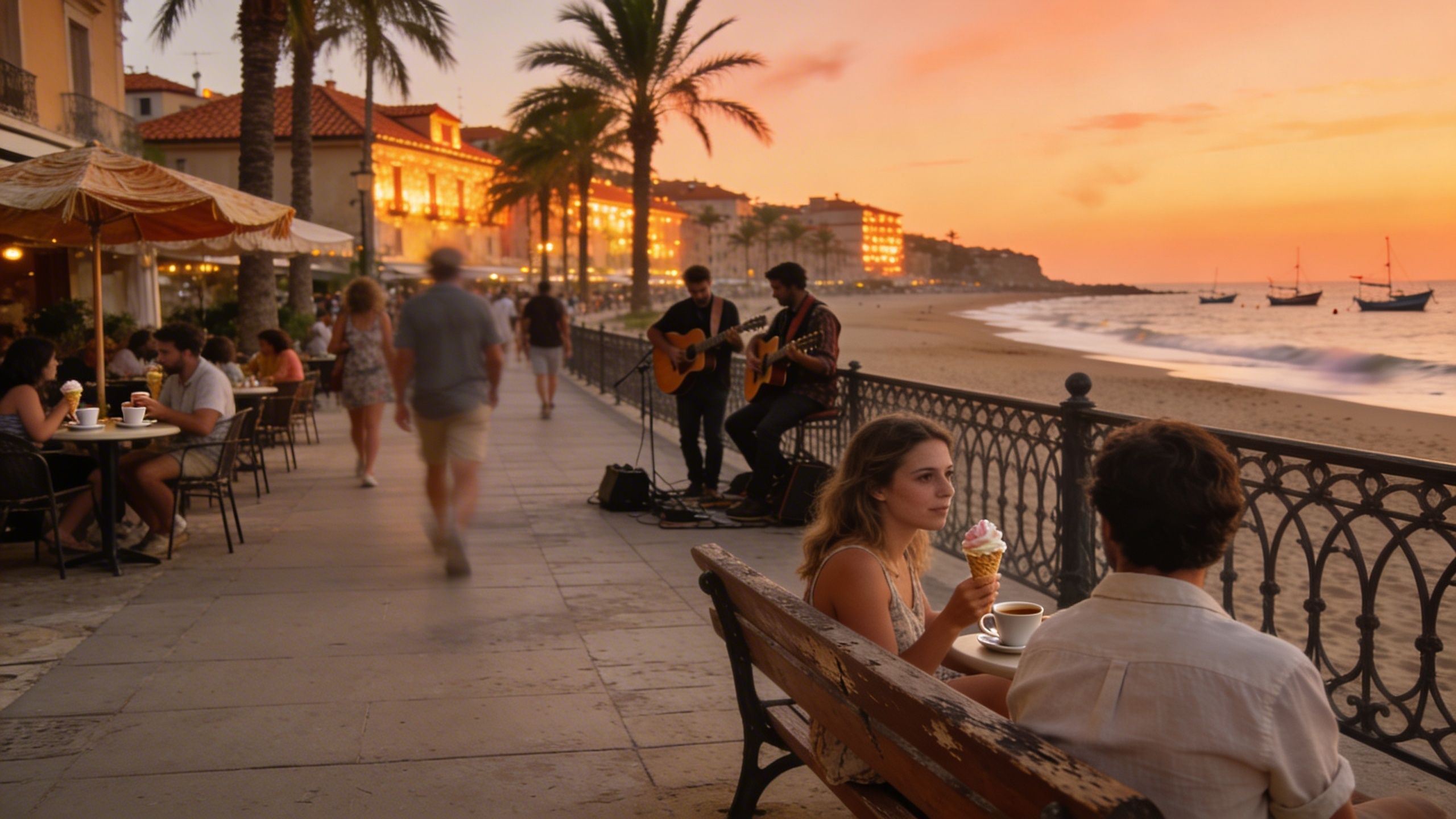
Imagine walking a narrow street in Levanto at 9am, coffee steam in the air, fishermen sorting the day’s catch on the quay and an apartment above a bakery that floods with light. Italy’s coasts are cinematic — from Liguria’s cliffside villages to Puglia’s slow beaches — but the story international buyers tell themselves is often half myth. We want to flip a few widely held assumptions about cost, seasonality and what truly matters when you’re buying by the sea.
Living the Italian coastal life
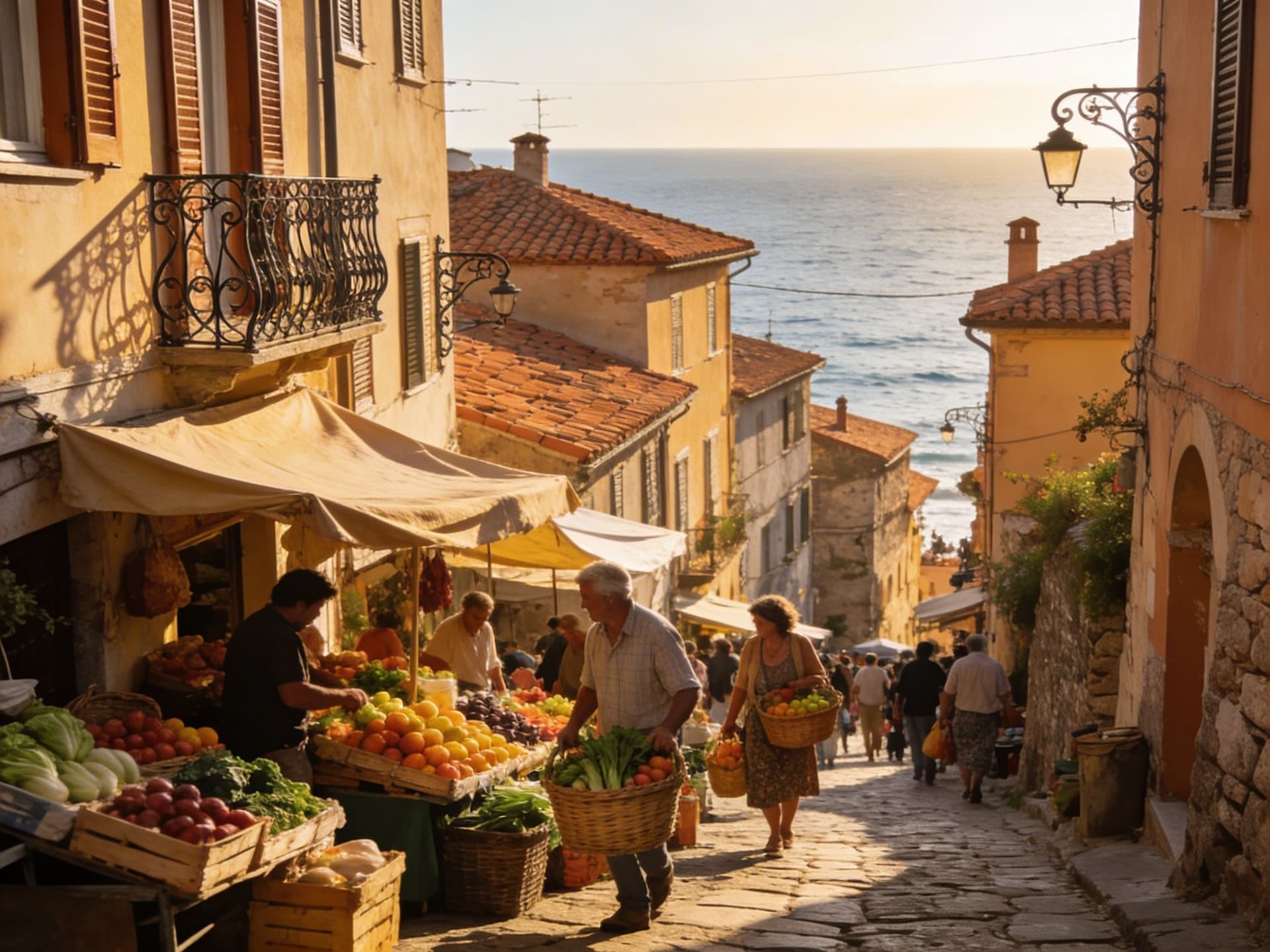
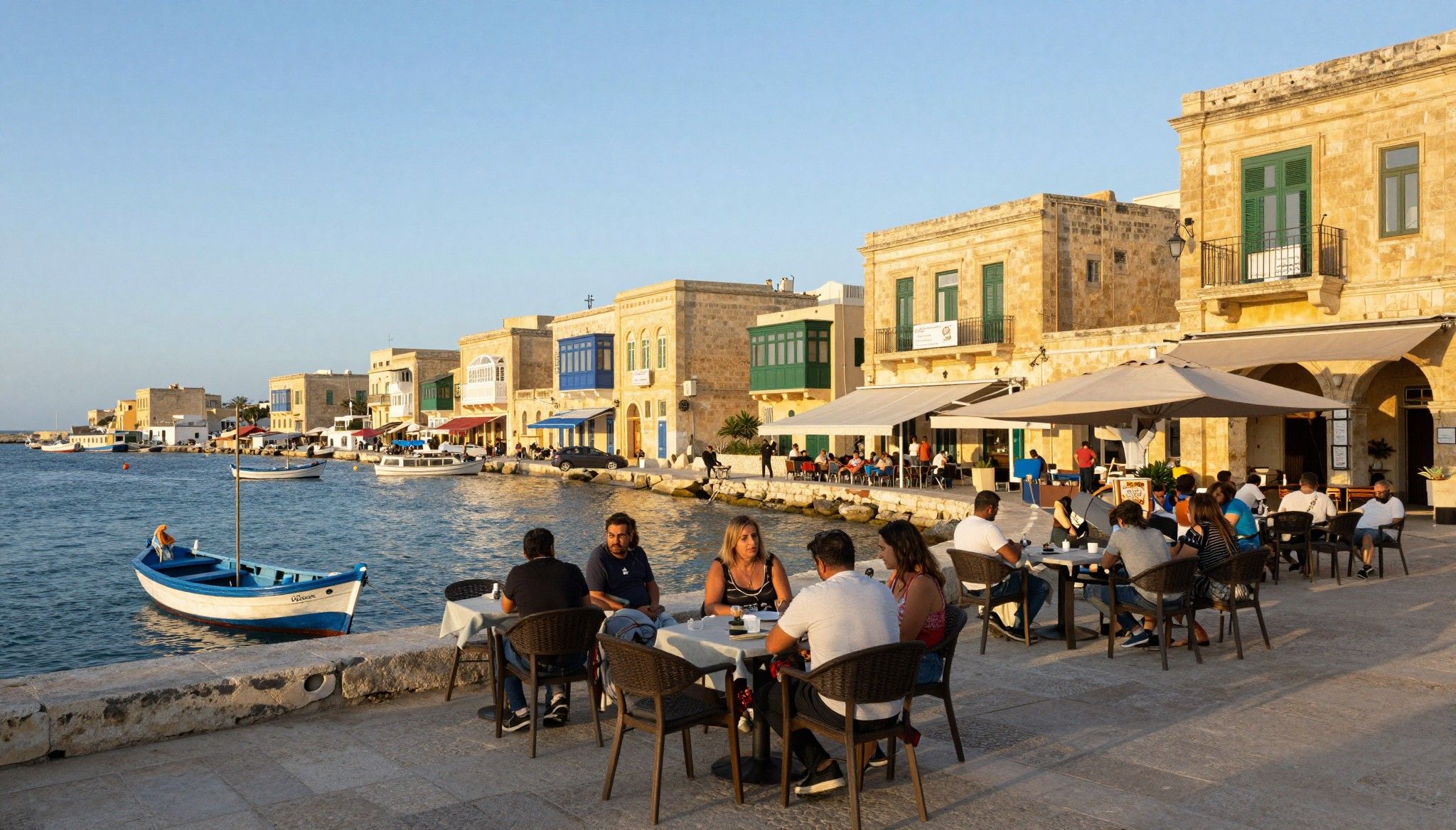
Living on Italy’s coast is sensory and slow in equal measure: morning markets under awnings, late-afternoon passeggiatas, and balconies that become dining rooms at dusk. Neighborhoods are defined by rhythms — fishermen’s schedules in Amalfi, aperitivo crowds in Viareggio, and weekday market bustle in Bari — not by glossy property listings. For many buyers the appeal is less about a sea view and more about daily rituals you can’t replicate elsewhere.
Liguria and the northwest: terraces, alleys and micro-markets
From Monterosso to Camogli, Liguria rewards walkers: lanes that open to tiny harbours, bakeries that close at 2pm, and neighbors who still buy their fish from the same stalls. Properties here are often narrow, vertically arranged homes with terraces that capture afternoon light. If you crave immediate village life — small cafés, a single grocer, and a piazza where everyone knows your name — Ligurian towns deliver that intimacy more reliably than some of the Mediterranean’s larger coastal resorts.
Southern shores and islands: pace changes but value appears
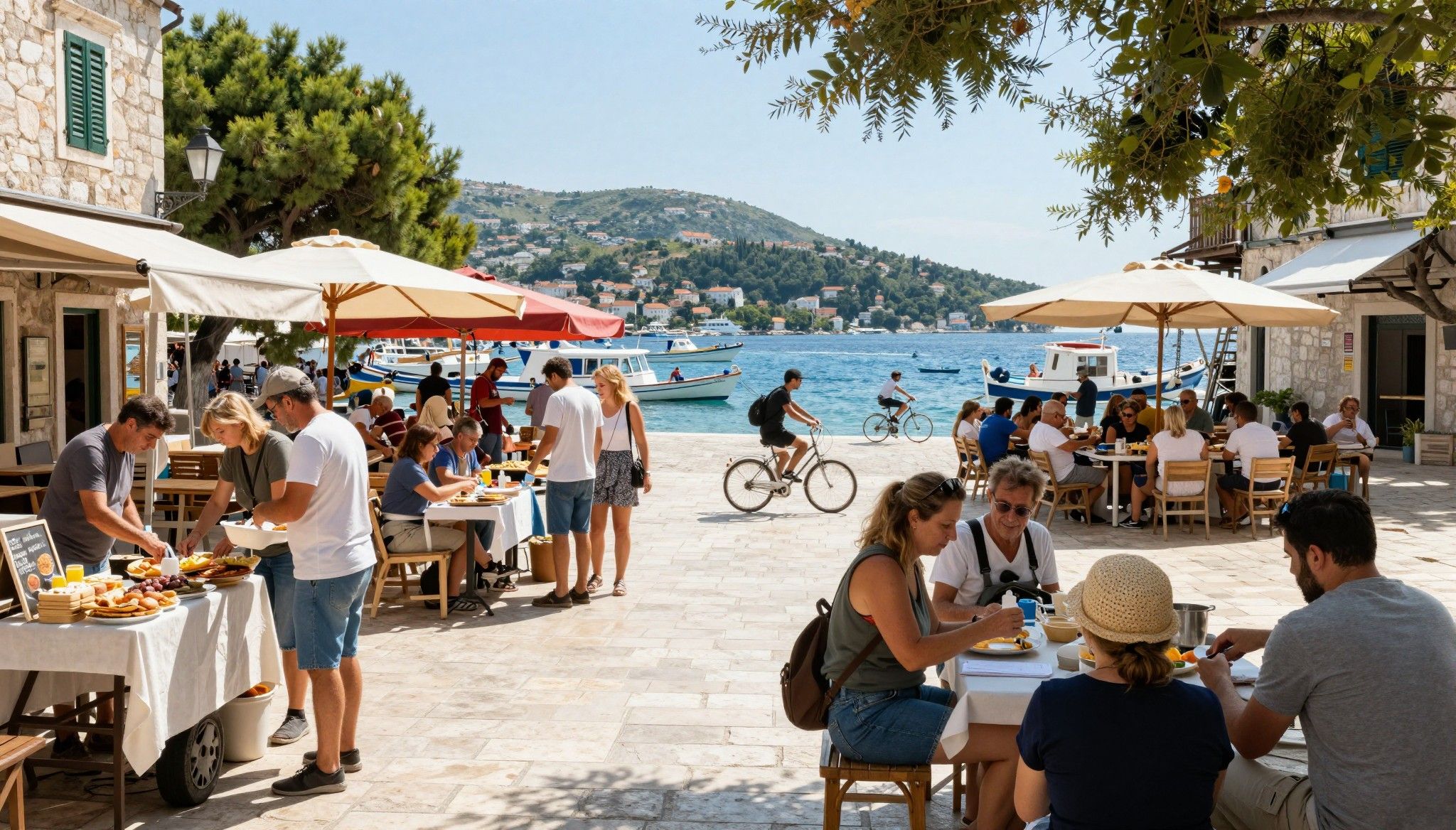
Puglia, Calabria and Sicily offer a different rhythm: larger plots, lower prices per square metre, and an emphasis on outdoor living. National statistics show modest year‑on‑year house price growth in recent periods, but coastal pockets in the south still offer relative affordability compared with northern hotspots. That gap is where value-seeking buyers often find houses with land, olive groves and room to renovate while keeping within sensible budgets.
- Lifestyle highlights: real places and real moments
- Piazza Matteotti in Levanto — weekday market, fresh focaccia and that 10am light you’ll crave.
- Viareggio promenade — morning runners, seafood trattorie and a quieter winter coastline.
- Otranto’s old town — stone lanes, tiny gelaterie and terraces that make summer feel endless.
Making the move: lifestyle-led practicalities
Dreams begin on terraces, but purchases are made on facts. Recent industry reports indicate growing transaction volumes and steady price movement, meaning choice exists — but so does nuance. Match the lifestyle you want (quiet village mornings, summer social life, or year‑round services) to the property type and region, and you’ll avoid the common trap of buying a postcard instead of a home.
Property types and how they shape daily life
A low-ceilinged historic apartment in Amalfi means morning shade and stone floors that stay cool in summer; a restored masseria in Puglia gives you olive trees and space to entertain. Think beyond square metres: storage for bikes, a shaded outdoor dining area, and simple things like covered parking change how you live daily. Renovation potential often equals lifestyle potential — but factor in time, local builders and realistic budgets.
How local agencies actually add lifestyle value
We’ve found the best local agents do more than show properties; they introduce you to a barista, a builder and a notary who understands seaside titles. An agent who knows which streets flood in heavy rains, which neighbourhoods empty out entirely in winter, and where seasonal rentals drive day‑to‑day life is worth their weight in euros. Use agencies to test the lifestyle — ask them about weekly rhythms, utility reliability, and local community groups before you make an offer.
- Steps that blend lifestyle checks with purchase actions
- Visit off‑season (October–March) to judge services, noise and community — don’t buy based on August alone.
- Ask your agent for neighbours’ contacts — a 48‑hour chat with residents reveals more than a glossy listing.
- Factor tax and rental policy into yield expectations: short‑term rental rules are evolving and can materially affect holiday‑let income.
Insider knowledge: what expats wish they’d known
Expat experience often diverges from glossy expectations. You’ll hear stories of instant friendships and perfect olives; you’ll also hear about seasonal closures, complicated renovation permits and the time it takes to feel at home. The smartest buyers marry romance with realism: they keep two budgets (purchase and operation), plan for slow winters, and accept that some services will follow local rhythms rather than a timetable from home.
Language, neighbours and everyday integration
Learning enough Italian transforms routine transactions into friendships — the barista will switch from polite to familiar once you do. Local committees, volunteer groups and market vendors become your support network. If you plan to rent seasonally, multilingual signage and concierge help are useful, but for living full‑time the social currency is a local welcome, not a polish on your listing.
Long‑term lifestyle and property resilience
Think beyond the first five years. Coastal towns with diversified economies, year‑round services and strong transport links age better in value terms. National data show modest growth overall, but local dynamics — connectivity to cities like Milan or Rome, municipal planning and seasonal tourism patterns — determine which properties hold value. Buying with a long view reduces the risk of short-term market noise.
- Expat red flags we see often
- A property marketed heavily for August weeks but with no winter heating — great for a summer stay, poor for year‑round living.
- Buildings without clear ownership history or ambiguous terraces — they look charming until you need to register a renovation.
- Overreliance on short‑term rental income estimates without considering possible regulatory changes or seasonal vacancy.
If you’re dreaming seriously, start locally and test the life. Rent for three months in the neighbourhood you love, meet the notary and a local builder, and ask an agent to show you comparable streets rather than just comparable properties. Those steps transform desire into an actionable plan and often reveal opportunities others miss — a street where locals still buy, a block that’s quietly improving, or a renovation that adds genuine living space without destroying character.
Conclusion: buy the life, insist on the facts
Italy’s coast is not a single market — it’s dozens of local markets with distinct seasons and social codes. Fall in love with mornings, neighbours and the kind of light that changes how you spend your day. Then pair that love with local data, a pragmatic agent and the small checks that prevent big problems. If you do both, you’ll have the lifestyle and the long‑term clarity to enjoy it.
Norwegian market analyst who serves Nordic buyers with transparent pricing and risk assessment. Specializes in residency rules and tax implications.