Where Greece’s Tourist Hype Hides Livable Value
New residency rules and rental laws have cooled hotspots — creating overlooked Greek neighbourhoods and island towns where authentic year‑round life and value now coexist.
Imagine buying a small, sunlit apartment on a narrow street in Kypseli, then walking five minutes to a weekend farmers' market where octopus grills over wood coals. Greece can still feel like a set of secret neighbourhoods — islands where everyone learns your name, Athens pockets where old cafés keep the same chairs for decades. But the property story here has changed. New residency rules, shifting tourist flows and actively managed short‑term‑rental law mean buying now is not the same as it was five years ago. That’s good news — if you look in the right places.
Living the Greece lifestyle — more than a view

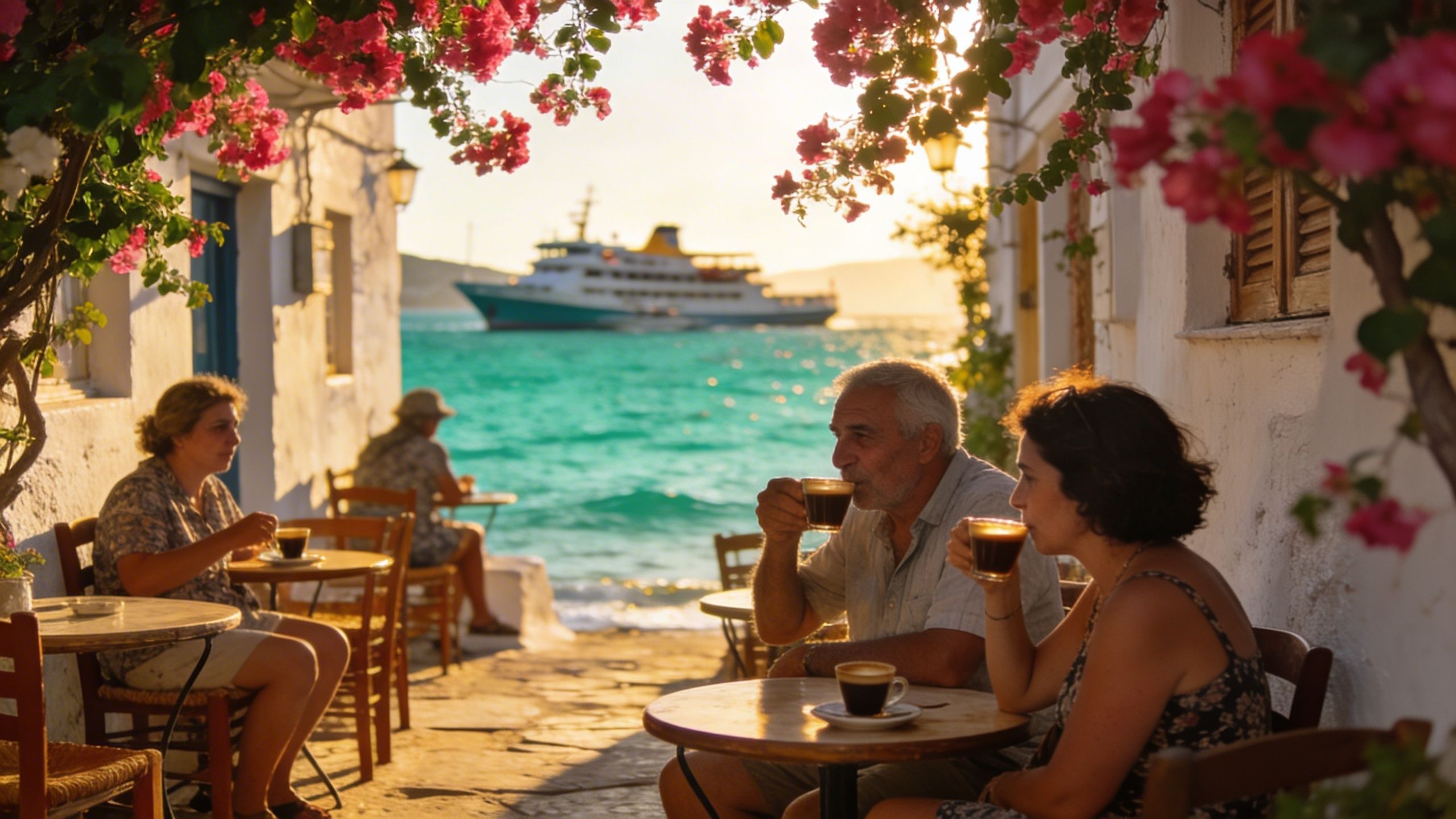
Start your day with a strong Greek coffee at a kafeneio on Adrianou Street in Plaka, stroll past Byzantine churches, and by noon be on a ferry to a nearby island for lunch under bougainvillea. Greece’s daily rhythms are shaped by small rituals — markets that peak early, late dinners, siesta-like pauses in summer heat — and that repetition makes neighbourhood life feel deep, not merely scenic.
Athens: the city that surprises
Athens is no single story. Walk from Psyri’s tavernas to Exarchia’s bookshops and you’ll see micro‑cities inside the capital. Streets like Agias Theklas and Iroon Polytechniou pulse with cafés, small galleries and renovation projects converting old workshops into bright apartments. For buyers, that means you can choose immediate city life or quieter pockets where value still lingers.
Islands & the mainland: different promises
Santorini and Mykonos bring headline prices and a summer crowd; islands like Lefkada, Naxos or the lesser‑known north‑eastern Cyclades offer quieter seasons, lower entry points and improving connectivity. On the mainland, towns such as Nafplio and Kalamata combine historical streets with nearby airports and slower price growth — attractive if you want year‑round life, not a seasonal villa.
- Lifestyle highlights worth strolling for:
- Adrianou Street (Plaka) — morning cafés and antique stalls
- Lefkada’s Nydri harbour — recent marina investment and island access
- Kypseli (Athens) — conversion projects, vibrant markets, local life
- Nafplio old town — Venetian lanes and a calm year‑round rhythm
Making the move: practical considerations with a lifestyle lens

The headlines have focused on Golden Visa reforms and short‑term rental regulation. Those changes cooled speculative buying in hotspots and nudged investors toward conversions and regional markets — meaning pockets of real, affordable opportunity have reopened. Use official market reports and recent industry analysis to map where regulation has softened pressure on prices and where it has not.
Property styles and how you’ll actually live in them
A restored town apartment gives you street life and a kitchen made for slow meals; a modern seafront penthouse buys light and a terrace you’ll use every evening. Materials matter: stone floors cool in summer; east‑facing terraces catch morning light. Consider maintenance — old buildings have charm but need local craftsmen and realistic renovation budgets.
Working with local experts who know both lifestyle and law
A good agent in Greece is more than a listing source — they’re a translator of neighbourhood rhythm, a connector to electricians and a guide through municipal quirks. Ask agencies for examples: recent restorations they handled, contacts for architects, and evidence they negotiated planning variations. Agencies who can show completed conversions (not just glossy brochures) will save you weeks and often tens of thousands in surprises.
- Steps to blend lifestyle and practical checks when buying:
- Visit at different times of year — see both the summer energy and the quieter winter rhythm.
- Ask for a renovation history and a local electrician’s inspection before committing.
- Confirm local rules on short‑term lets — some central neighbourhoods face moratoria or new standards.
- Compare travel time, not just airport proximity; ferry frequency and seasonal flight schedules change the lived reality.
Insider knowledge: what expats wish they'd known
We’ve heard the same confessions: buyers regret being seduced only by sea views, or assuming islands are all equal. Those mistakes skew finances and daily life. Prefer smaller, walkable towns where shops close late and neighbours know each other, rather than remote villas that are lonely off‑season.
Cultural integration and everyday life
Learning a few phrases and joining a local kafeneio will pay more than a decade of online research. Most communities welcome newcomers who participate — markets, church festivals, neighbourhood clean‑ups. Expect bureaucracy to be slower than you’re used to; patience and a helpful local contact will be invaluable.
Long‑term lifestyle considerations
Think five years ahead: will you want year‑round rental income, or a second home for seasonal escape? Regions with improving marinas, airport links and investment in infrastructure (for example, recent marina upgrades in parts of the Ionian) are likelier to maintain demand — but they also attract price pressure. Balance community life against liquidity if you need to sell later.
- Red flags to watch for in a Greek listing:
- No clear title deeds or missing cadastral records (land registry inconsistencies are common in older buildings).
- Unrealistic short‑term rental yields packaged into the price — regulators are tightening rules.
- Promises of a 'planning change' without written municipal confirmation.
Conclusion: Greece still sells a life, not just a property. The recent tightening of residency rules and rental standards has shifted markets away from speculative bubbles and toward places where everyday life can be genuinely sustained. If you want the lived experience — a morning coffee, a market walk, a neighbour who remembers your birthday — focus on regions with year‑round infrastructure, agencies who show renovation track records, and properties that fit the way you intend to live.
British expat who relocated to Marbella in 2012. Specializes in rigorous due diligence and cross-border investment strategies for UK and international buyers.