Coast or Countryside: Where Croatia’s Value Hides
Coastal headlines hide inland value. Official data show strong Adriatic price growth; dig local sold prices and seasonality to find real opportunity in Croatia.
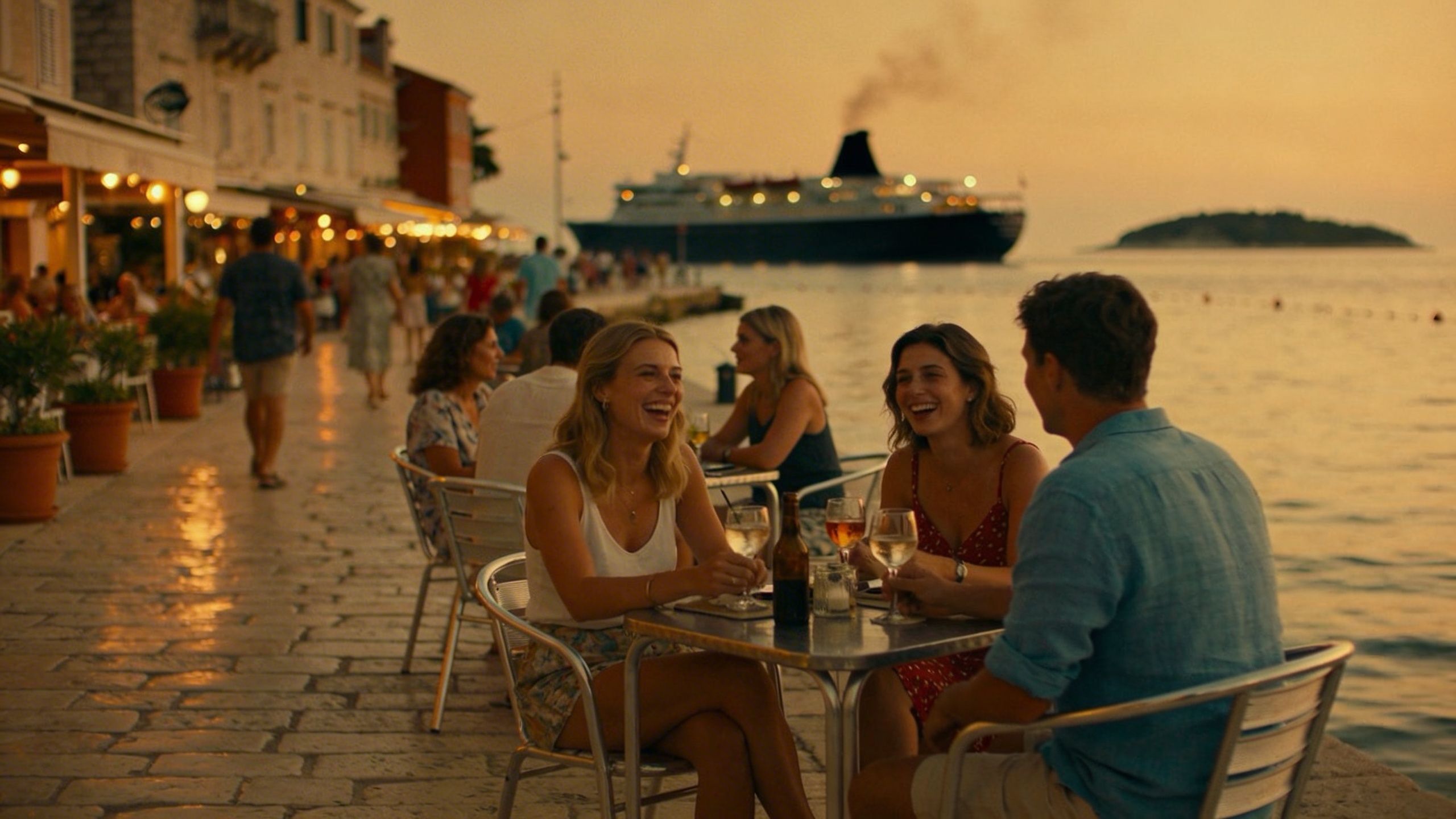
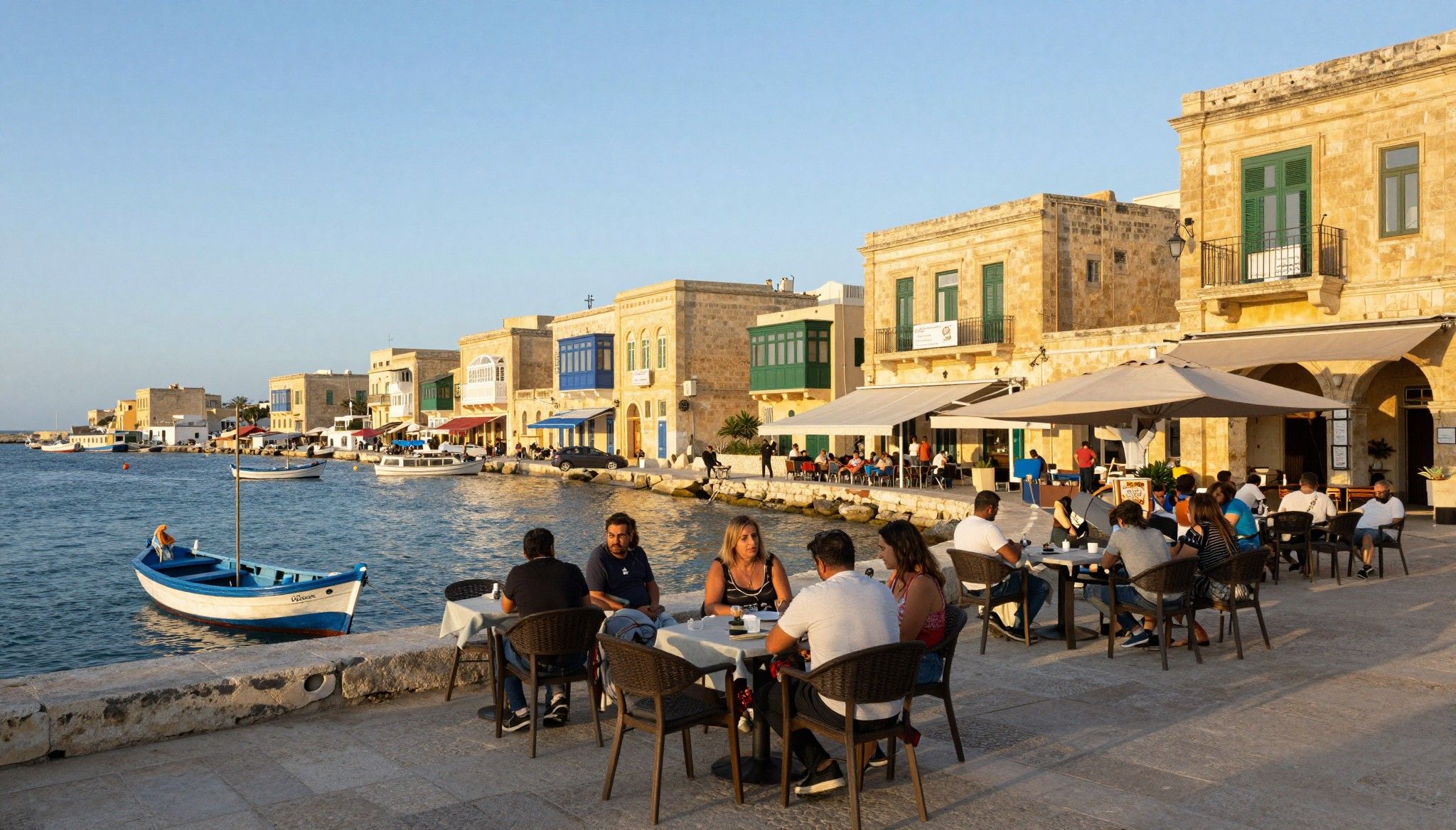
Imagine coffee steam lifting above a sun-washed Korčula quay at 8 a.m., a fisherman sorting his catch, and a neighbor sweeping limestone steps — but also picture a narrow inland lane where stone houses sell for a fraction of the coast. Croatia’s market reads like two stories at once: sun-drenched scarcity up front, quieter value just out of view. For buyers who love the life and need the math, that split matters — a lot. Recent official data show strong price growth concentrated on the Adriatic, but the story beneath the headlines reveals opportunity and surprising bargains. (Source: Croatian Bureau of Statistics).
Living the Croatia lifestyle
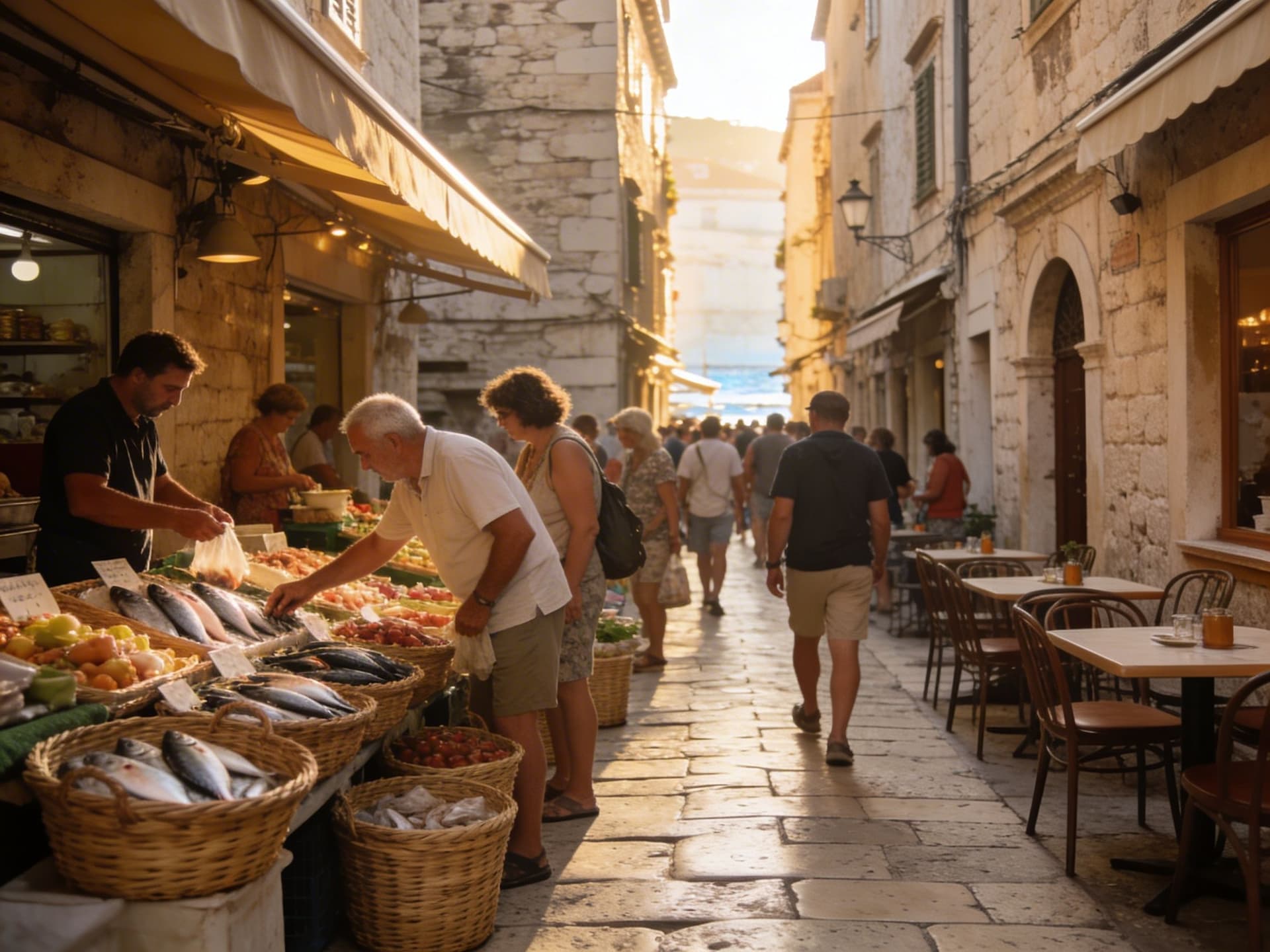
Croatia feels tactile: stone, sea, market fruit, and late-afternoon light that flattens facades into contrast. Days begin with espresso in Zagreb’s Tkalčićeva or a brisk walk along Split’s Riva. Summers pulse with ferries and festivals; autumns and winters soften the rhythm and reveal local life — bakeries, markets, and a more generous sense of space. For many internationals the draw isn’t a single view but the choices: an island terrace one year, a quieter inland vineyard the next.
Neighborhood spotlight: Dubrovnik outskirts and Split’s Veli Varoš
You’ll hear about Dubrovnik’s Old Town, but smart buyers look at the outskirts — Lapad and Bosanka — where terraces and family-run pensions sit closer to daily life and costs are meaningfully lower than the UNESCO core. In Split, Veli Varoš offers narrow alleys, sea access and an authentic rhythm; prices there rise slower than the central Riva but reward long-term living. These are places where you buy into community, not just a postcard.
Food, markets, and the seasonal beat
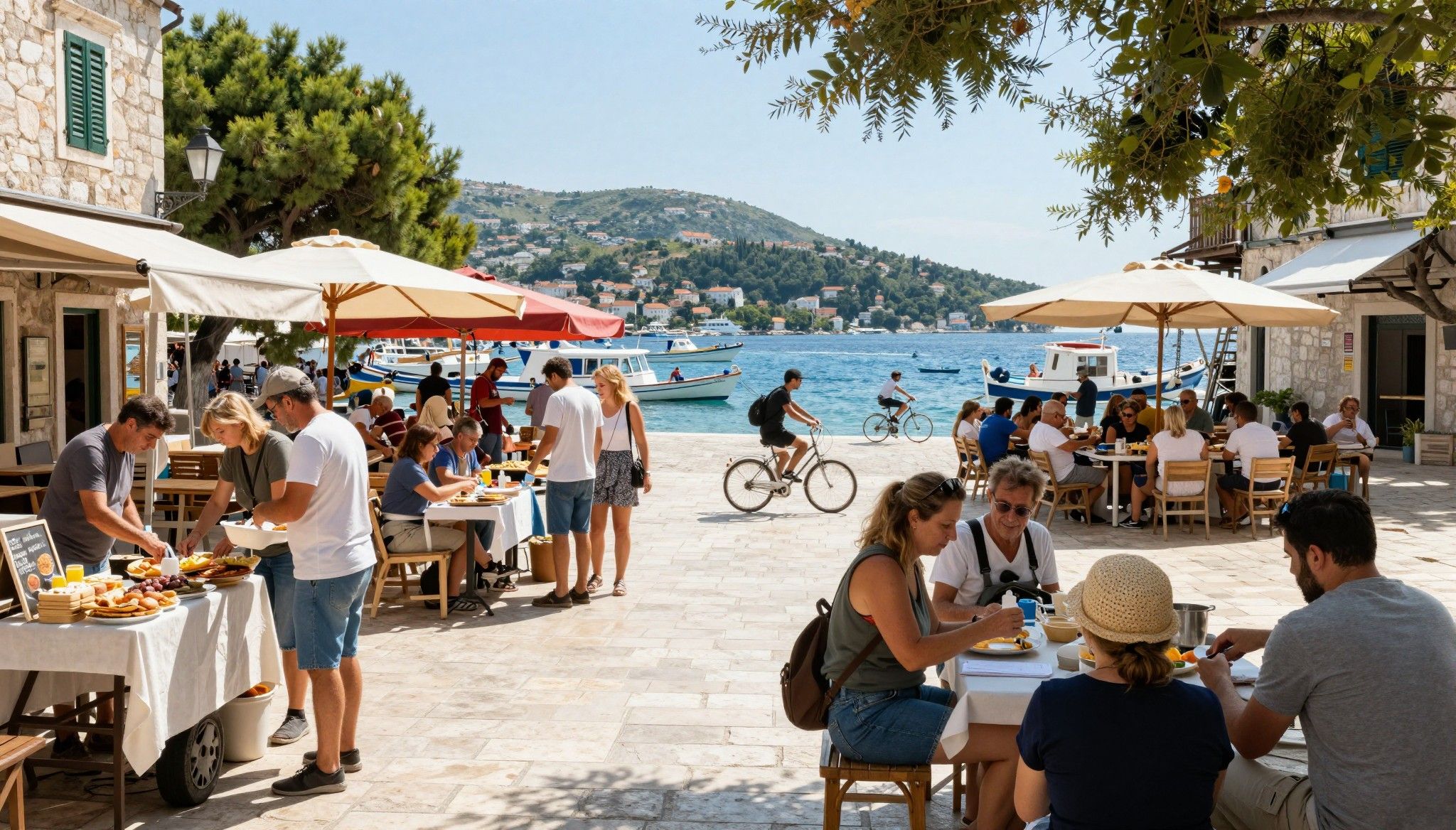
Markets shape life in Croatia. In Zagreb the Dolac market hums every morning; on Hvar or Brač, fish stalls set the day. Seasonality matters: July and August bring tourists, higher short-term rental demand, and a different local tempo — but October through May reveal what year-round living is actually like: quieter streets, more space, and better negotiating positions on property.
- Lifestyle highlights: • Morning espresso on Split’s Riva; evening oysters in Mali Ston • Weekend farmers’ markets in Zagreb (Dolac) and Pula (Tržnica) • Island hopping from Hvar, Vis and Korčula for weekend escapes • Autumn truffle hunts in Istria and slow-season coastal walks • Local wine bars (konobe) where neighbours swap news over rakija
Making the move: practical considerations
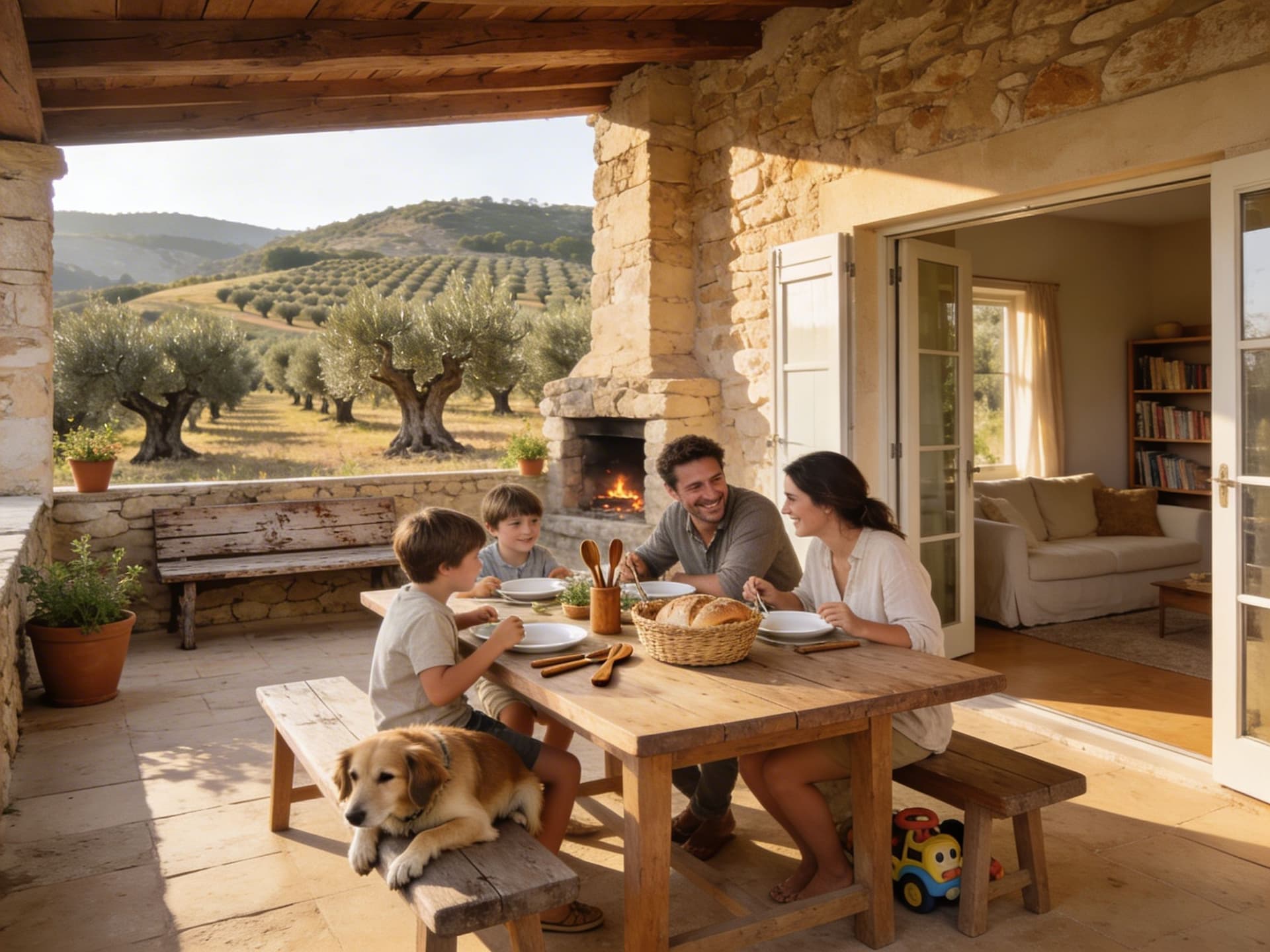
That seaside life is real — and priced accordingly. Official statistics show Croatia’s house prices climbing notably in recent years, with coastal areas outpacing inland growth. But treating the whole country as ‘expensive’ is a mistake; region and property type matter. Use national indices as compass points, then drill down to county-level listings and recent sold prices for the streets you actually like. (See Eurostat and DZS for national trends.)
Property styles and how they shape life
Stone Adriatic villas offer terraces and sea access but usually carry restoration and utility-upgrade costs. New builds in Zagreb or Rijeka are efficient but trade character for convenience. If your life is outdoor-focused, prioritize south-facing terraces, covered loggias and proximity to a mooring or pebble beach. If village life appeals, look for houses with garden plots and solid roof structures — those are easier to adapt and cheaper to maintain long-term.
Working with local experts who know the lifestyle
- 1. Ask agents for recent sold prices on the street, not just ask price. 2. Request utility and renovation estimates from local contractors before bidding. 3. Use a local lawyer to check land registry (ZK) and past building permits. 4. Visit in low season to judge noise, services and travel logistics. 5. Factor in VAT vs. transfer tax differences for new vs. existing properties.
Insider knowledge: what expats wish they'd known
Expats often fall for the postcard and forget the rhythm of living year-round. Short-term rental demand can lift prices in Dubrovnik or Hvar, shrinking long-term rental stock and changing neighbourhood character. Younger Croatians staying with parents longer also reflect a market shaped by limited local wages and high tourist-driven demand. Knowing how tourism changes neighbourhood life — and rental dynamics — is essential before you buy.
Cultural integration and daily life
Learning a few phrases of Croatian opens doors; neighbourhoods reward patience and local habits. Expect bureaucracy — appointments at municipal offices and a reliance on local networks are normal. Join a konoba dinner, help with a harvest, and you’ll understand why neighbours matter when issues like septic tanks, parking and planning permissions come up.
Long-term lifestyle and market sustainability
- Key long-term factors to watch: • Tourism trends: more sustainable seasonality can stabilise prices. • Supply constraints: scarce coastal plots keep premiums high. • Local wages vs. prices: affordability influences long-term rental yields. • Infrastructure (ferries, roads): accessibility re-rates island values. • Planning regime: protected heritage zones limit new supply — that supports value in restored stone homes.
If you fall in love with Croatia, buy into the life you want, not the photo. Start on the streets you know — sit in cafés, visit markets, and ask locals where they actually live. Use national indices as a backdrop (they show strong growth, especially along the Adriatic), but build your offer from sold-price evidence, contractor quotes, and a realistic view of seasonality. Work with an agent who knows both the paperwork and the way people live here: that’s how a property becomes home rather than a headline.
Next steps: visit off-season, request three recent comparable sales per target street, and commission a local legal check of the land registry (ZK). If your plan includes rental income, model conservative occupancy (30–40% for smaller islands) and include management and maintenance in year-one costs. When you pair the life you want with data and local knowledge, Croatia can be both a dream and a sound long-term choice.
Dutch relocation advisor who moved to Marbella in 2016. Guides Dutch buyers through visa paths, relocation logistics, and balance of lifestyle with value.