Malta: Buy the Streets Where Locals Actually Live
Malta’s charm hides street‑level value: seaside premiums mask quieter neighbourhoods where daily life — and better deals — really happen.
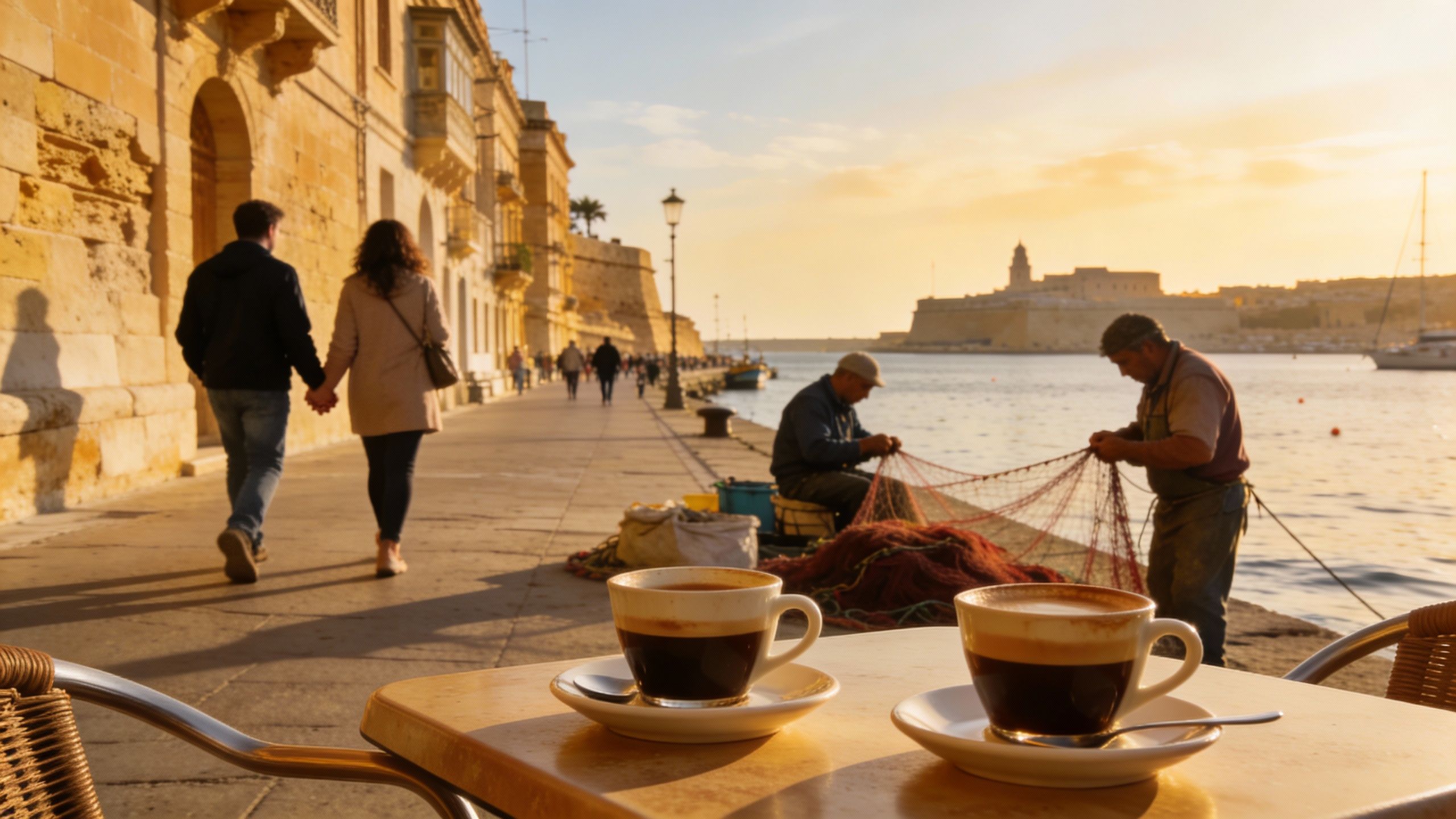
Imagine waking to espresso steam on a narrow Valletta street, then crossing to a quiet harbour terrace where fishermen mend nets and kids race scooters. That compact, lived-in rhythm — short walks, late lunches, an easy English conversation at the cafe — is Malta’s true draw. For international buyers who romanticise sea views, the real choice is often between the postcard promenade and the understated, local streets where daily life actually happens.
Living Malta: sensory streets and small‑scale life
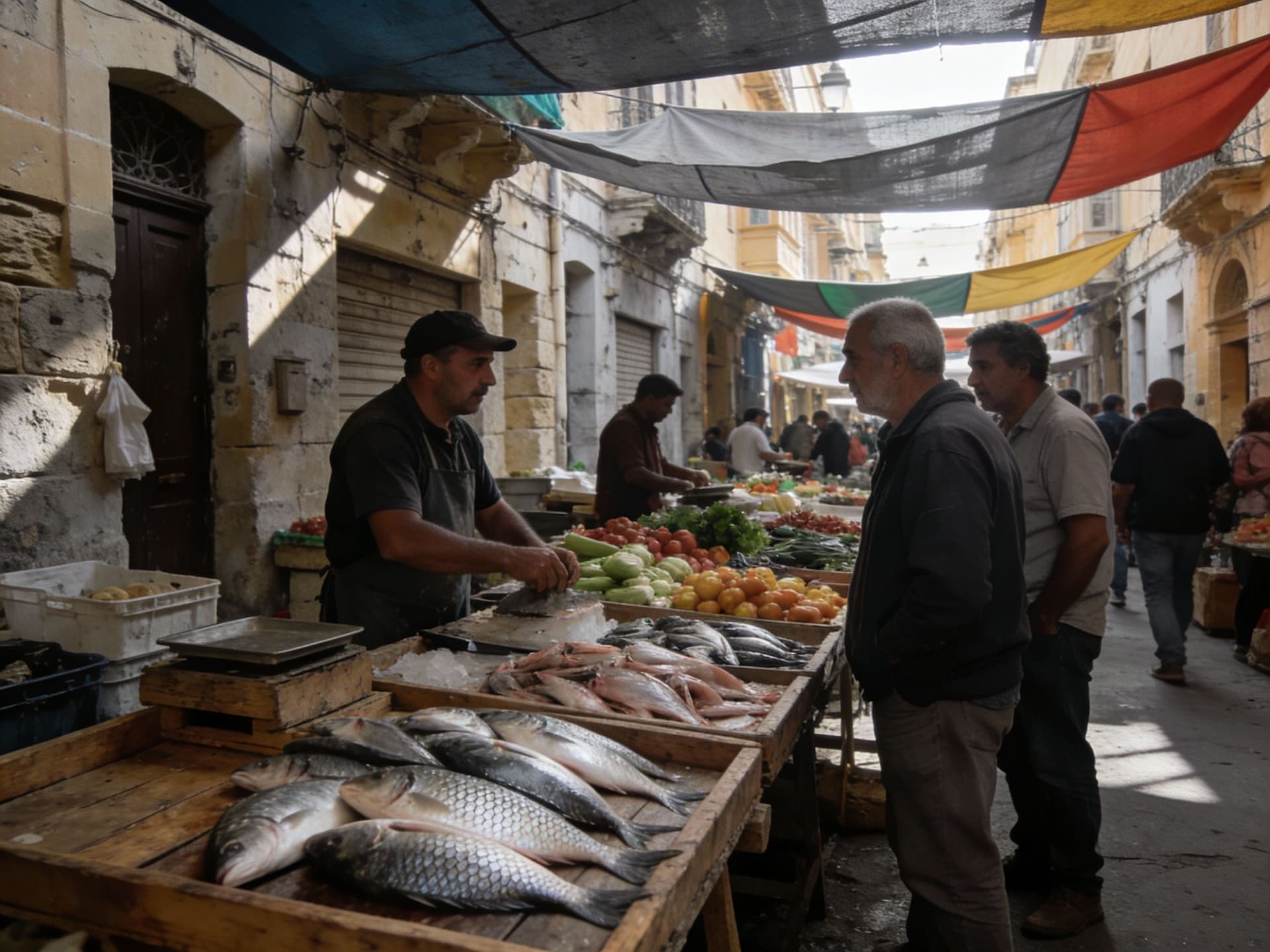
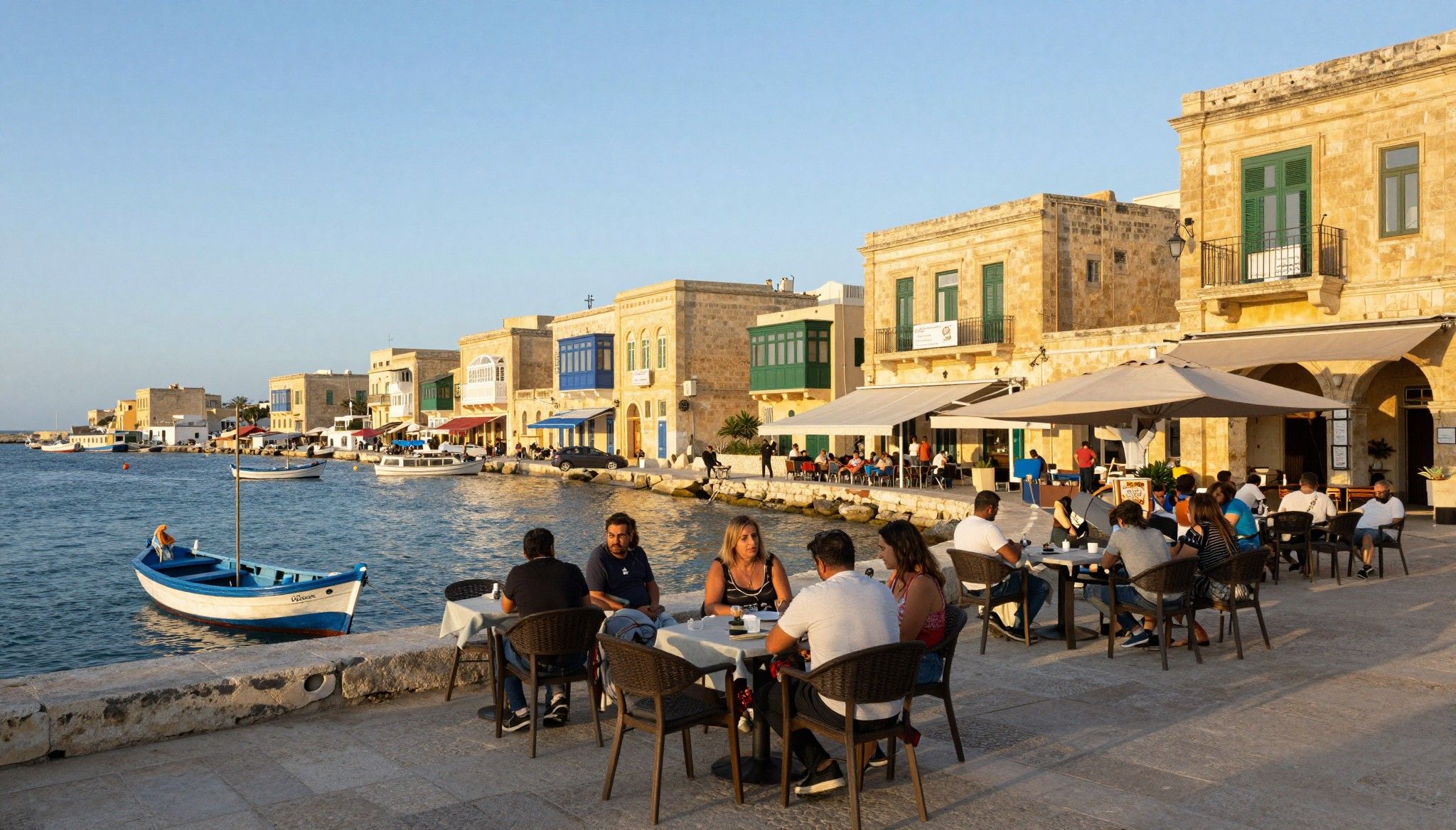
Malta feels dense and immediate. Morning markets in Marsaxlokk smell of lemon and fried fish, Sliema’s promenade hums with dog walkers and coffee cups, and narrow Ribla alleys in Mdina fall quiet at dusk. You live on ground level here: terraces, roof decks, and street cafés shape the day. English is widely spoken, which reduces friction for arrivals, but learning a few Maltese phrases opens doors into neighbourhood life.
Valletta, Sliema and St Julian’s — different rhythms
Valletta is history-on-foot: stone steps, baroque facades, a slower social life that swells around festival weeks. Sliema and St Julian’s offer modern apartment living, bars and the longest stretch of promenade — popular with expatriates and short-stay visitors. Families often choose Pembroke or Swieqi for schools and quieter streets. Each area delivers a distinct daily tempo; the wrong choice here changes how you live — not just where you sleep.
Food, markets and the season that matters
Weekends shift around markets and the sea. From autumns of braised rabbit (fenek) to summer evenings with grilled lampuki, food shapes social life. Buy near a favoured market and you gain a daily ritual. Note: Malta’s tourist season is concentrated summer months; the island’s personality in spring and autumn is quieter and often more revealing for buyers wanting authentic neighbourhood life.
- Lifestyle highlights: Valletta theatre nights; Sliema promenade walks; Marsaxlokk fish market sunrise; Għajn Tuffieħa sunset swims; Swieqi cafés and family life; Paceville’s night scene (for a few streets only).
Making the move: how lifestyle choices should shape the purchase
Dreams meet numbers fast in Malta. National statistics show residential prices rose over 5% year-on-year in 2024, reflecting tight supply on a small island and strong domestic and foreign demand. That reality turns neat lifestyle preferences into financial trade-offs: choosing the promenade often costs a premium; choosing a street a block back may buy a larger roof terrace and more authentic neighbours.
Property types and how you’ll actually live in them
Flats and penthouses dominate coastal towns; traditional townhouses and maisonettes appear in older quarters. If you want outdoor living, prioritise roof terraces and balconies — they are Malta’s usable square metres. Older stone houses require careful inspection for damp, beam condition and sound insulation; new builds trade charm for predictable systems and warranties.
Work with local experts who know both law and life
Agencies do more than show homes. They translate neighbourhood nuances into search filters and flag regulatory shifts — for example, Malta’s investor citizenship programme has been the subject of legal challenge and reform, affecting high‑end demand and compliance expectations. A local agent who understands both property condition and shifting policy reduces surprises.
- Practical steps that balance lifestyle and prudence: 1) List three daily routines you want (market, school, promenade) and map them to areas. 2) Inspect roof terrace orientation and wind exposure — crucial for outdoor living. 3) Commission a structural and damp survey before offer. 4) Ask agents for recent comparable sales on the same street, not just the neighbourhood. 5) Factor in service charges and stair-access costs for older maisonettes.
Insider knowledge: the things expats learn the hard way
Expats often expect dramatic discounts once they step off the promenade. That’s rarely true. Land scarcity and concentrated demand have pushed values up island‑wide. What you can find are street-level opportunities: smaller flats in well‑connected streets, or townhouses in rebuilding areas where patient renovation unlocks size and light without beachfront premiums.
Cultural etiquette that shapes neighbourhood life
Maltese social life is conversational and place-based. Neighbours know each other; small courtesies matter. Shops close mid‑afternoon in some towns, and Sundays remain quiet outside tourist hubs. Integrating often means showing up — regular visits to the same café, involvement in local festas, and some patience with a relaxed bureaucracy.
Long-term view: what makes a purchase resilient here
Resilience is about location, build quality and adaptability. Prioritise properties with outside space, good solar orientation, and proximity to everyday services. Consider units that can be rented short-term in high season but also appeal to long-stay tenants off‑season. Good agents, accurate comparables, and realistic renovation budgets are the greatest hedges against volatility.
Conclusion: Malta sells a compact Mediterranean life — sociable streets, year-round light and short distances. To capture that life affordably, look one street back from the headline locations, demand street-level comparables, and work with an agent who prioritises lived experience as much as listing price. When you pair sensory knowledge of a place with rigorous local data, you buy the life you imagined — not just the postcard.
Norwegian market analyst who serves Nordic buyers with transparent pricing and risk assessment. Specializes in residency rules and tax implications.