Malta: Choose Neighbourhood Rhythm, Not Just the View
Malta is a compact, English‑friendly island with rising prices—choose neighbourhood rhythm over headline views and use local experts to match lifestyle to market reality.
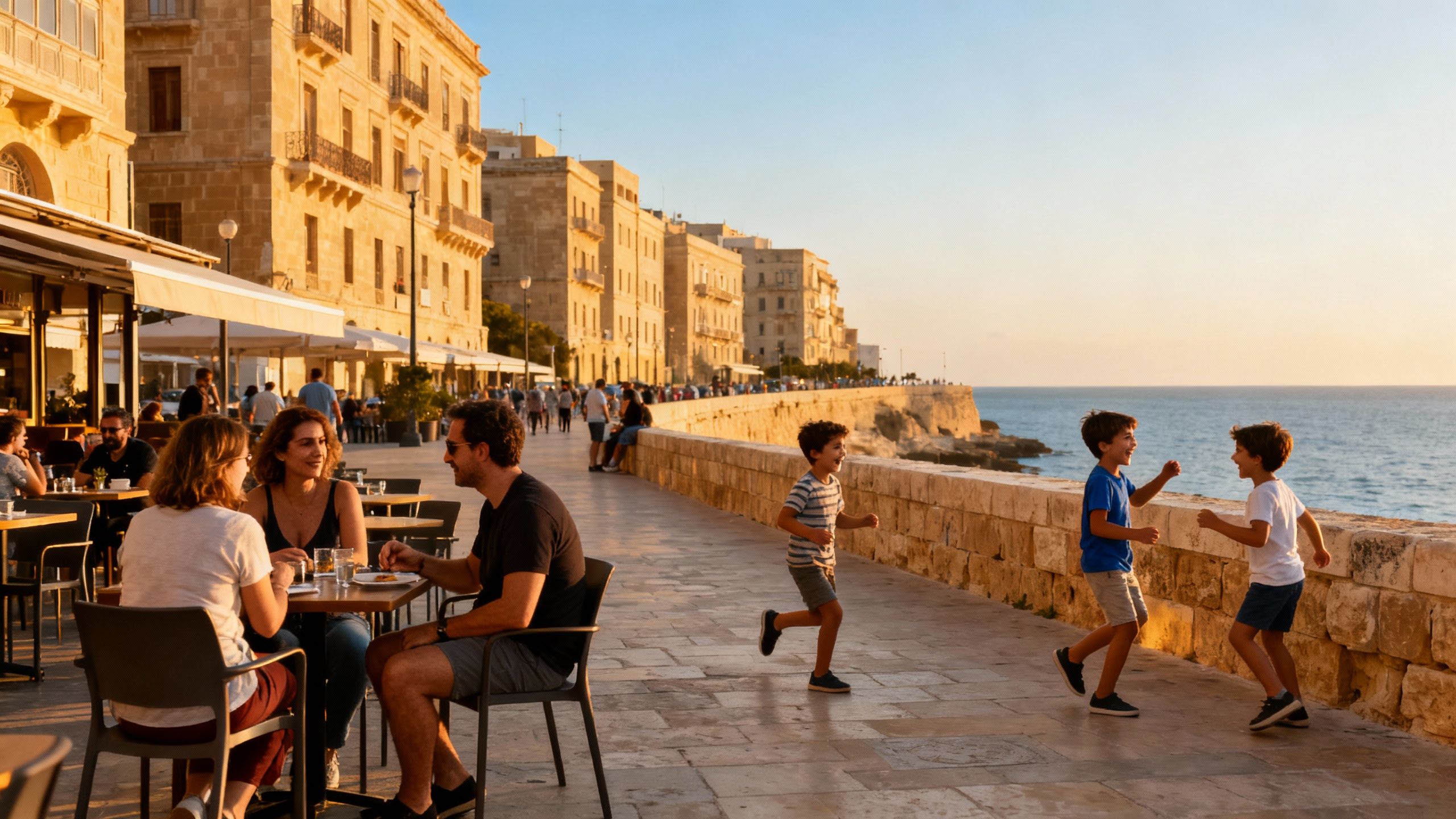
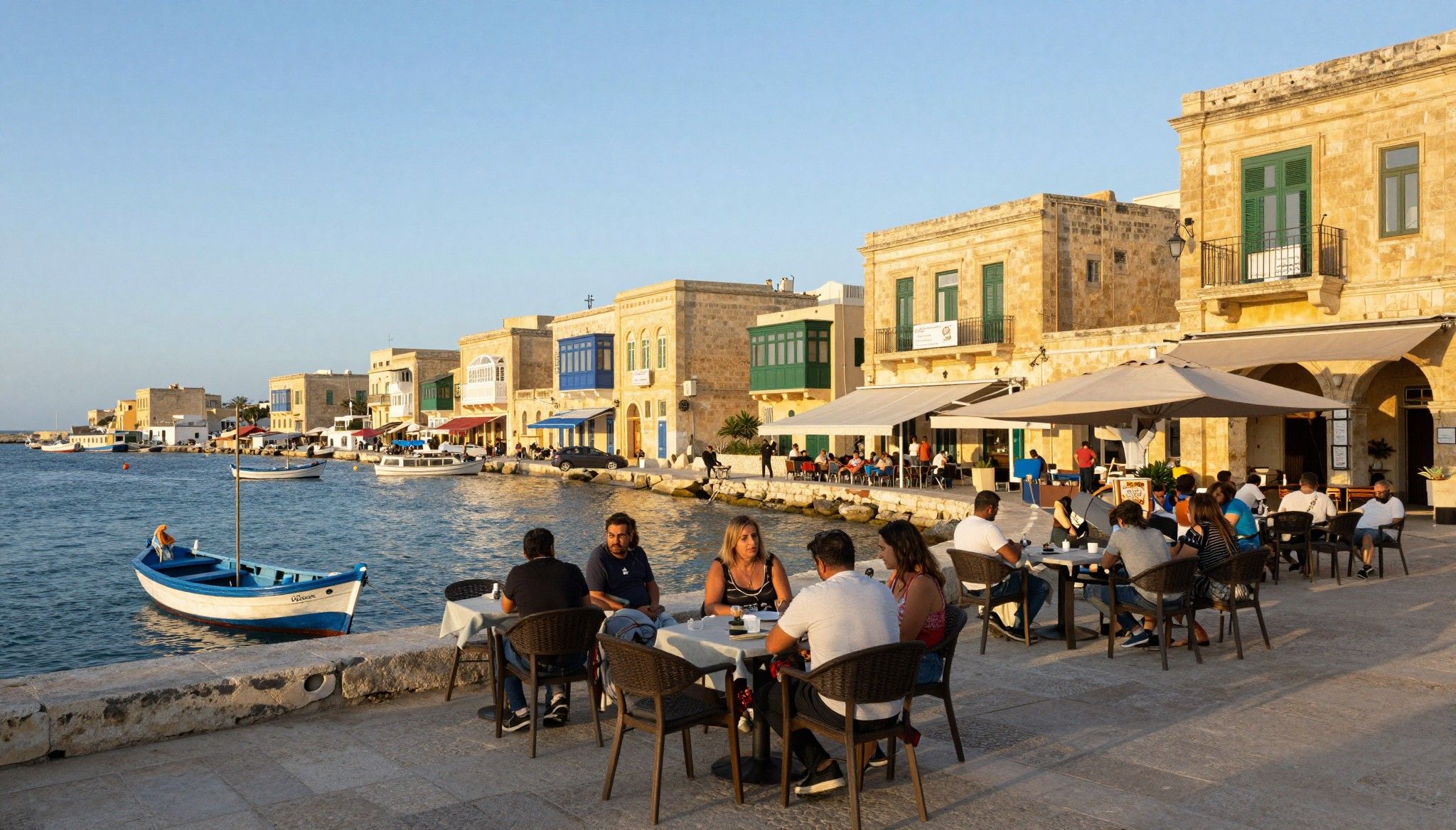
Imagine sipping an espresso on Sliema’s Strand, seawater glinting off iron balconies, then stepping into a narrow alley where a neighbourhood butcher greets you by name. That contrast—busy waterfront and intimate streets—explains why buyers fall for Malta. But behind the postcard is a tight market, rising prices and local quirks that change how you should search.
Living the Malta Life

Life in Malta moves at Mediterranean pace but with English‑language ease. Mornings are for coffee and pastizzi from Ta' Xbiex bakeries; afternoons belong to cliff swims in Mellieħa or rooftop aperitifs in Valletta. For many internationals the appeal is compactness—you can live near the sea, walk to markets and be in town in under 30 minutes—yet affordability is the tradeoff as prices rose steadily in recent years.
Neighborhoods that tell different stories
Valletta: narrow streets, baroque facades and quieter evenings once you pass the tourist routes. Sliema & St Julian’s: promenades, cafes, high‑density apartments and the island’s most liquid market. Mellieħa & Gozo: space, calmer rhythms and lower square‑metre prices. Marsaxlokk: fishing harbour, Sunday market, and characterful maisonettes. Each area shapes daily life—and the property you’ll actually want to buy.
Food, markets and weekend rituals
Weekends mean fruit stalls at Marsa Market, late lunches in Birgu’s waterfront trattorie and cocktail crowds in Paceville. The food scene is small but sophisticated—seafood, Maltese ftira, and a growing number of chef‑led restaurants. Where you live will determine those habits: choose Valletta and you dine out nightly; choose Gozo and you cook more home‑forward, market-driven meals.
- Valletta architecture, Sliema promenades, Mellieħa beaches, Marsaxlokk market, Ta' Qali artisan fairs, Gozo’s quiet squares
Making the Move: Practical Considerations

Dreams of terraces and sea views must meet a market that’s tight and price‑inflated. The NSO shows sustained annual rises—expect competition in popular pockets and premiums for waterfront or refurbished historic homes. That impacts timing, offer strategy and the type of property that makes sense for living versus letting.
Property styles and how you’ll live in them
Flats and penthouses dominate Sliema and St Julian’s; traditional maisonettes and terraced houses appear in older towns; farmhouse conversions and villas are more common in Gozo and northern coasts. Penthouses buy light and views at a premium, while maisonettes often offer indoor‑outdoor life that suits families. Renovation budgets must reflect Malta’s stonework and the need for cooling and insulation.
Working with local experts who know the pulse
- 1. Hire a local lawyer early to check title and permits; Malta’s small market moves fast. 2. Use an agent with on‑the‑ground contacts for off‑market listings and refurbishment advice. 3. Budget for renovation and VAT where applicable—ask for recent comparable sales. 4. Visit in different seasons; summer masks local noise and demand patterns. 5. Consider Gozo if you want space and slower pace with lower per‑sqm prices.
Insider Knowledge: What Expats Wish They’d Known
Moving here feels immediate—shops, healthcare and English signage are in place—but a few local truths catch buyers off guard: soundproofing is often poor in older buildings, heating systems are minimal because winters are mild, and weekends in summer can be noisier near tourist hubs. Long‑term life here rewards those who prioritise street life over rooftop image.
Cultural integration and daily rhythms
English is an official language and doing daily life is straightforward. But integration happens at neighbourhood scale—join a local church festa, learn a few Maltese phrases and frequent the same café. Expats who invest time in neighbours find quicker access to informal rentals, tradespeople and local intel that matter when buying or renovating.
Long‑term lifestyle realities
Expect living costs tied to property inflation; younger local buyers face affordability challenges, which can affect rental demand and neighbourhood change. If you plan to rent out, central locations hold liquidity; for lifestyle buyers seeking calm, northern villages or Gozo age better. Think five years ahead: accessibility, services and community matter more than a view when it comes to daily life.
- Tips from residents: ask about noise, check north‑facing balconies for wind, test mobile signal indoors, seek neighbours’ refurbishment experiences, verify water pressure and drainage before offer
If Malta’s compact, sunlit life appeals to you, start by mapping the lifestyle you want (daily coffee, weekend swim, short commute) and work backwards to areas that deliver that rhythm. Use local agents to open doors, a Maltese lawyer for titles and the NSO’s RPPI to benchmark prices. The island rewards those who move with patience and local knowledge—do that, and you’ll be living the life you came for.
Danish investment specialist who relocated to Costa del Sol in 2015. Focuses on data-driven market timing and long-term value for Danish buyers.