Malta’s Summer Illusion: Off‑Season Truths for Buyers
Malta’s summer bustle hides year‑round realities: use off‑season insights to match lifestyle to property and avoid peak‑season pricing traps.
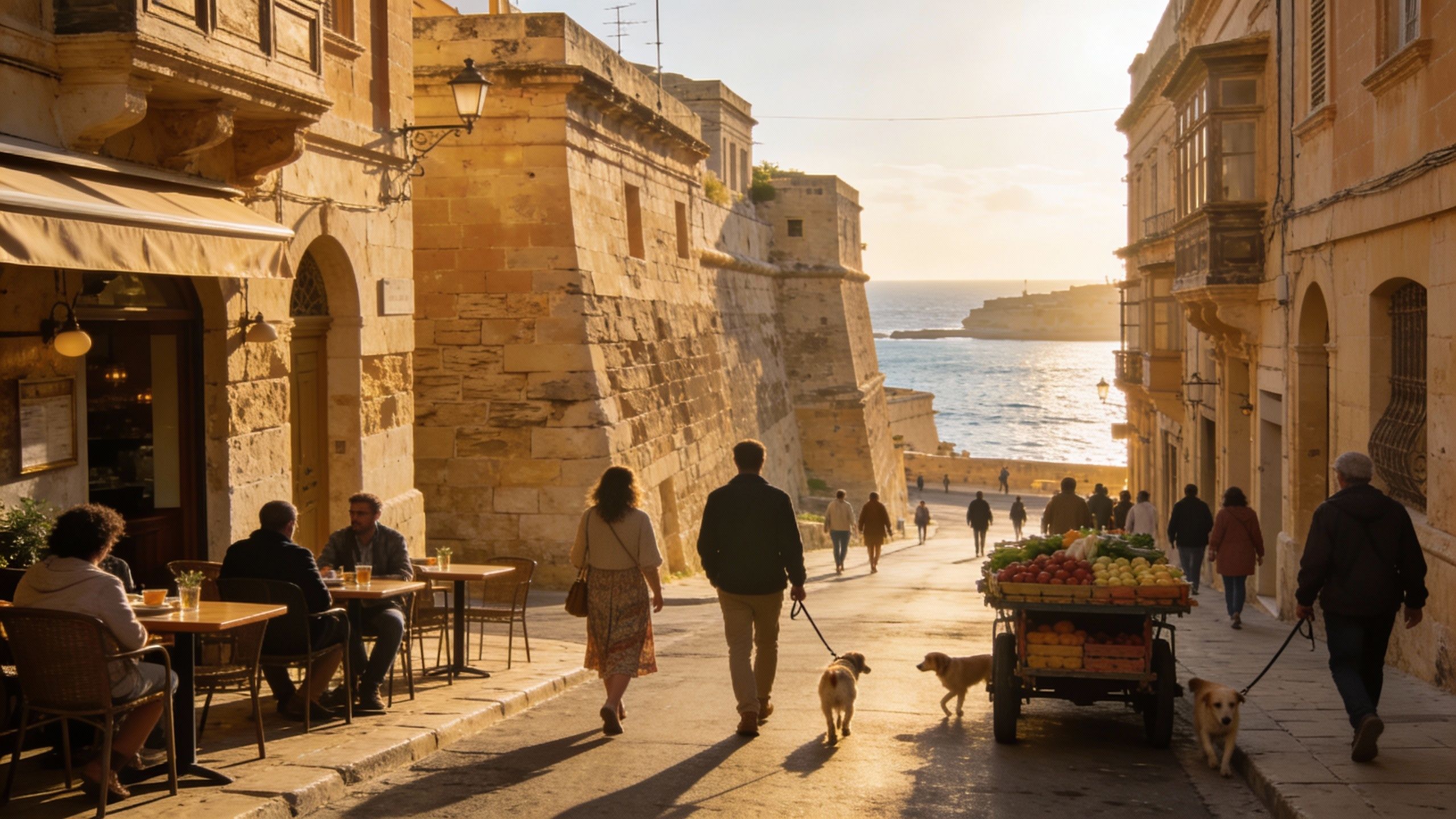
Imagine stepping out for espresso on a narrow Valletta street at 08:30, the harbour lightbrushed steel, then swapping the city’s hush for a lively Mdina evening two tram stops away. Malta moves fast and small: compact neighbourhoods, centuries of stone, and a tourism pulse that swells the islands in summer. For buyers dreaming of coastal life, that seasonal rhythm changes everything — not just the view from the terrace but true value and everyday comfort.
Living the Malta life: small‑island texture, big variety
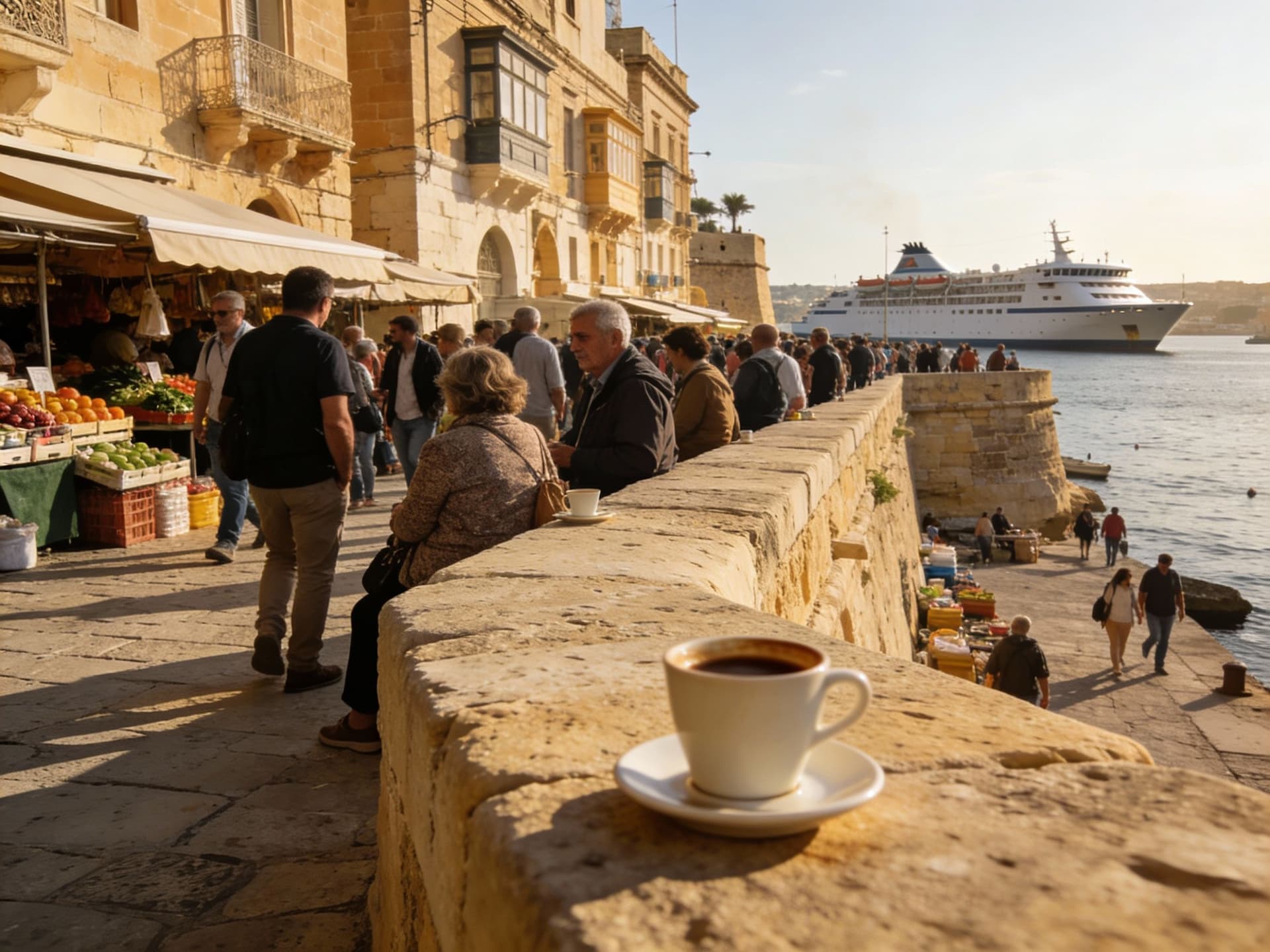
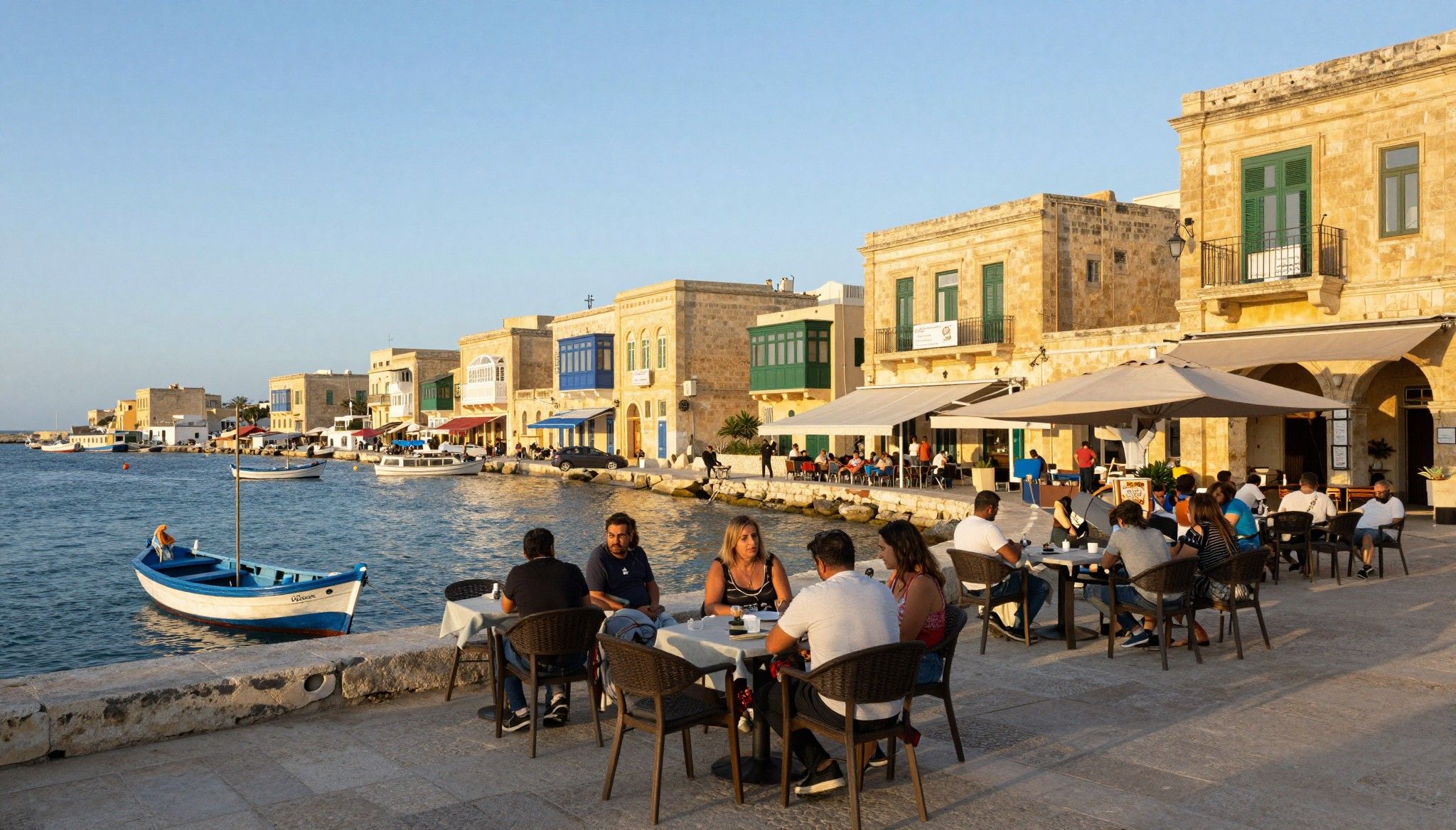
Malta is best understood as a collection of lived rooms: Valletta’s baroque tightness, Sliema’s terraces and promenades, St Julian’s nightlife, and quieter villages on Gozo. Days begin with café culture and end with sea air. English is an official language alongside Maltese, which makes administrative life and daily integration materially easier for many expat buyers. The island’s size means commutes are short and amenities dense — but that same compactness concentrates both benefits and frictions in high‑tourism months.
Valletta, Sliema and St Julian’s — where lifestyles diverge
Valletta offers heritage living: limestone façades, boutique restaurants, and a quiet weekday rhythm that can feel residential despite the visitor traffic. Sliema is practical and promenade‑focused — cafes, ferries, and apartment terraces that face the sea. St Julian’s (Paceville area) is lively after dark; for families it can be too noisy but useful for short‑term income if you plan to rent. Each area is distinct; pick the neighbourhood that matches how you want to spend weekdays, not just your holiday snapshot.
Food, markets and weekend rituals
Weekends revolve around neighbourhoods: Boċċi clubs in small squares, fish markets in Marsaxlokk, and terrace lunches in Mdina. Local cuisine blends Sicilian and North African traces — rabbit (fenek), lampuki pie, and fresh seafood. Morning market runs and the ritual of late‑afternoon passeggiata shape daily life more than headline attractions. These small rituals determine which property type will feel like home.
- Lifestyle highlights - Morning espresso at Caffe Cordina (Valletta) and the harbour walk in the evening - Fish market Saturdays in Marsaxlokk for fresh catch and neighbourly chat - Promenade life in Sliema — ferries, small boutiques, and sea views - Quiet terraces and ramparts in Mdina for slow, historic evenings - Gozo’s slower pace: countryside walks, small harbours, village festas
The summer illusion: why peak season misleads buyers
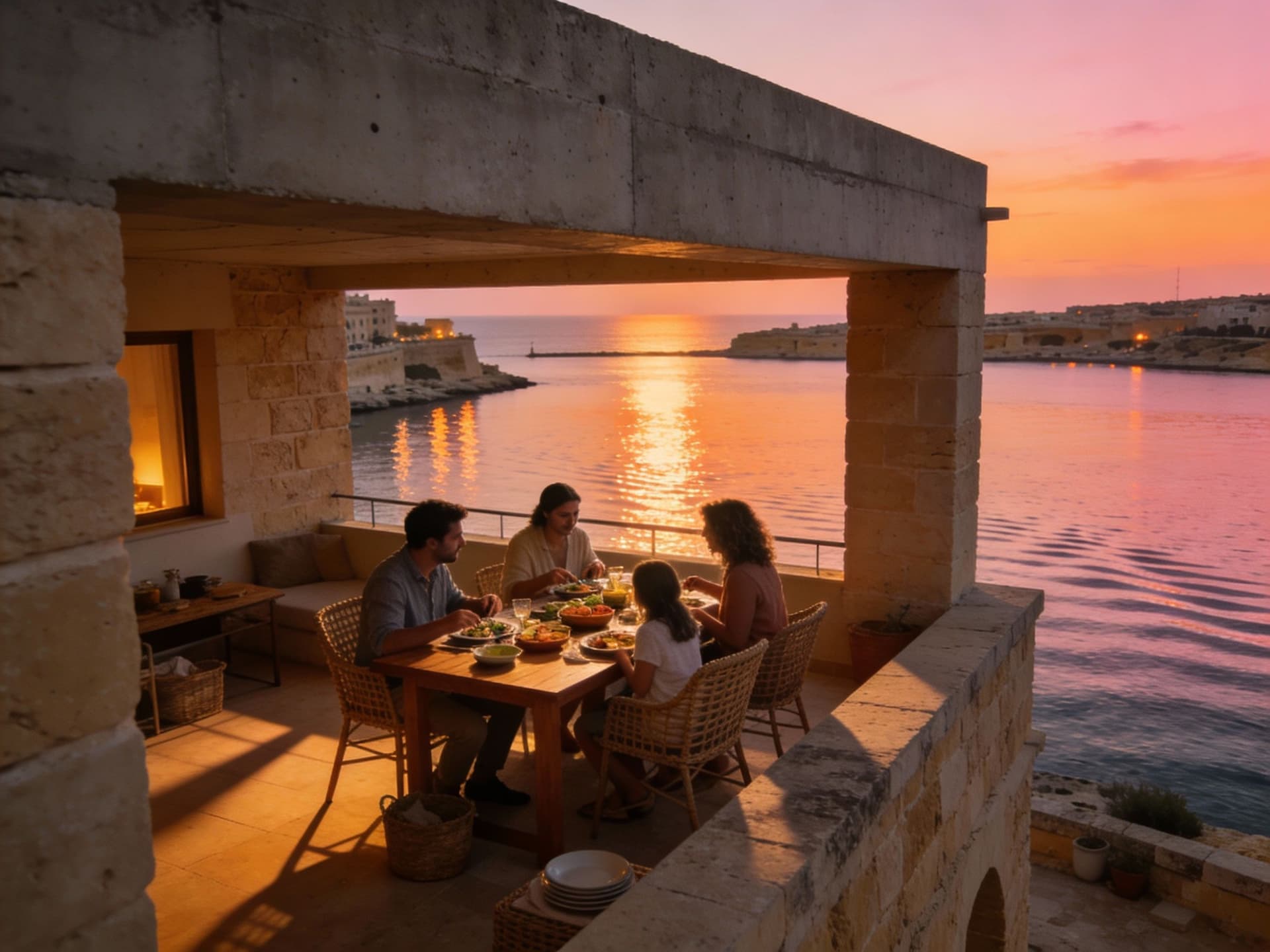
Tourism more than doubles some local populations in August, and 2024–2025 figures confirm record visitor levels. That peak creates an illusion: restaurants bursting at capacity, premium short‑term rental rates, and lively streets that suggest year‑round demand. For buyers who only visit in July or August, the island looks uniformly busy — and therefore ‘worth more’. The reality is seasonal: quiet months change cashflow expectations, service levels, and living comfort.
What seasonality does to price perception
High summer footfall inflates short‑term rental comparables and can mislead buyers about typical occupancy and neighbourly life. Regulatory moves — including European legal scrutiny of citizenship‑by‑investment schemes — have also shifted the investor profile in recent years, changing demand patterns. Always compare summer yields with off‑season occupancy to assess sustainable returns and true liveability.
Making the move: practical choices that preserve lifestyle
Start with the life you want in an average month, not the peak. If you want calm mornings and local routines, favour inland villages, Valletta backstreets, or Gozo. If you want daily sea access and cafes, Sliema or Msida make sense. Work with local agents who can show the same street at different times of year. Your property should support the routine you imagine on a Tuesday in November, not just a holiday Saturday in August.
Property styles and how they shape daily life
Traditional Maltese townhouses offer internal courtyards and heavy stone walls that cool naturally — ideal for low‑maintenance living. Modern apartments give terraces and sea views but can suffer from noise in tourist hotspots. Farmhouses in Gozo deliver space and a slower lifestyle but require different maintenance and infrastructure planning. Match construction type to how you actually live: morning shade, evening breeze, and storage for local market runs.
Working with local experts: what to expect
- Practical steps where lifestyle and due diligence meet 1. Ask an agent to show properties at different times (weekday morning, weekday evening, low season). 2. Request historical short‑term rental occupancy data, not just peak‑season rates. 3. Check local planning — terraces and rooftop extensions can face strict controls. 4. Inspect drainage and ventilation: Malta’s limestone requires specific maintenance. 5. Use a local notary and private lawyer to verify title and usufructs. 6. Consider community services in low season: grocery hours, medical access, and public transport frequency.
Insider knowledge: what expats wish they’d known
Expats commonly say they underestimated two things: the effect of seasonality on service rhythms, and how policy shifts (such as the EU ruling on citizenship by investment) reconfigure investor demand. That can affect resale timing and tenant profiles. Living here long term means adapting to local festa calendars, seaside maintenance cycles, and a market that reacts quickly to regulatory signals.
Cultural integration and daily language
English is an official language and commonly used in business, which eases paperwork and community entry. Still, learning basic Maltese phrases connects you to local networks — from festa committees to corner shop owners. Integration often happens through small social rituals: lending a hand at a village festa, joining a local club, or shopping the same market stall each week.
Looking five years ahead: resilience and expectations
Expect the market to remain sensitive to tourism flows and EU regulatory changes. Investment value will favour properties that work year‑round (good insulation, reliable amenities, and neighbourhood calm). Properties anchored to everyday life — local shops, schools, and healthcare — hold up better than those built only for high‑season rental income.
If Malta appeals to you, start by living a week in your favoured neighbourhood outside peak season. Ask agents to provide off‑season comparables and confirm service levels in winter. Use local expertise to align lifestyle needs — morning markets, school runs, or quiet evenings — with the right property type. When in doubt, prioritise daily life over headline yields: a home that sings on an average November Tuesday is a better long‑term buy than one that only performs in July.
Swedish expat who moved from Stockholm to Marbella in 2018. Specializes in cross-border legal navigation and residency considerations for Scandinavian buyers.