Malta: Street‑Level Life and Street‑Wise Buying
Malta’s compact Mediterranean life trades space for street‑level richness; rising prices and policy shifts mean buyers must pair lifestyle choices with precise, street-by-street due diligence.
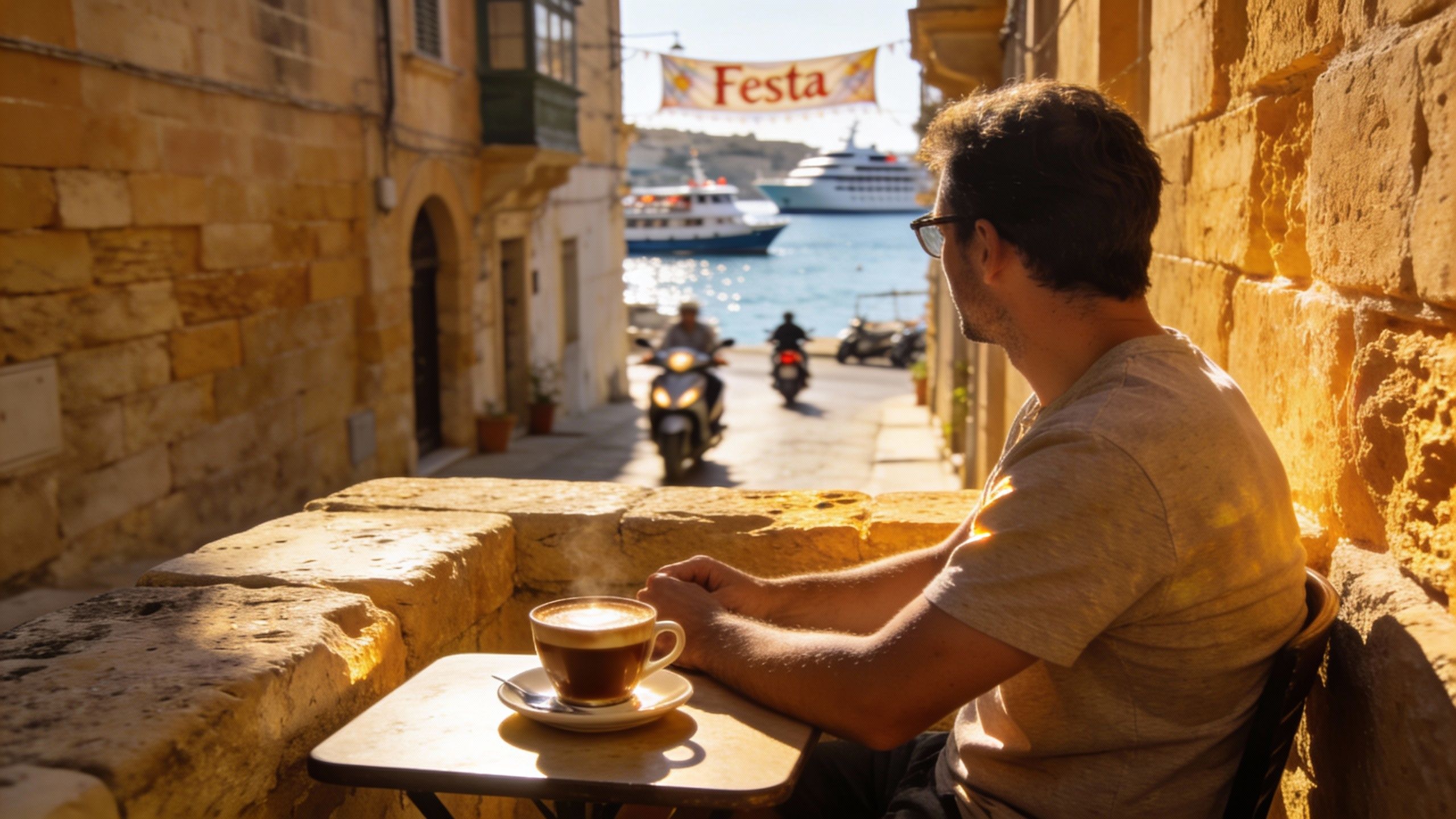
Imagine waking to espresso on a narrow balcony in Sliema, then walking a dozen minutes to the ferry that threads past Valletta’s bastions. Malta is compact enough that weekend routines feel like curated playlists—morning markets, an afternoon swim at Għajn Tuffieħa, evening pulses around St Julian’s. That compactness is the island’s charm and its trade-off: life is intensely local, and property choices are driven as much by street-level character as by headline returns.
Living the Malta lifestyle
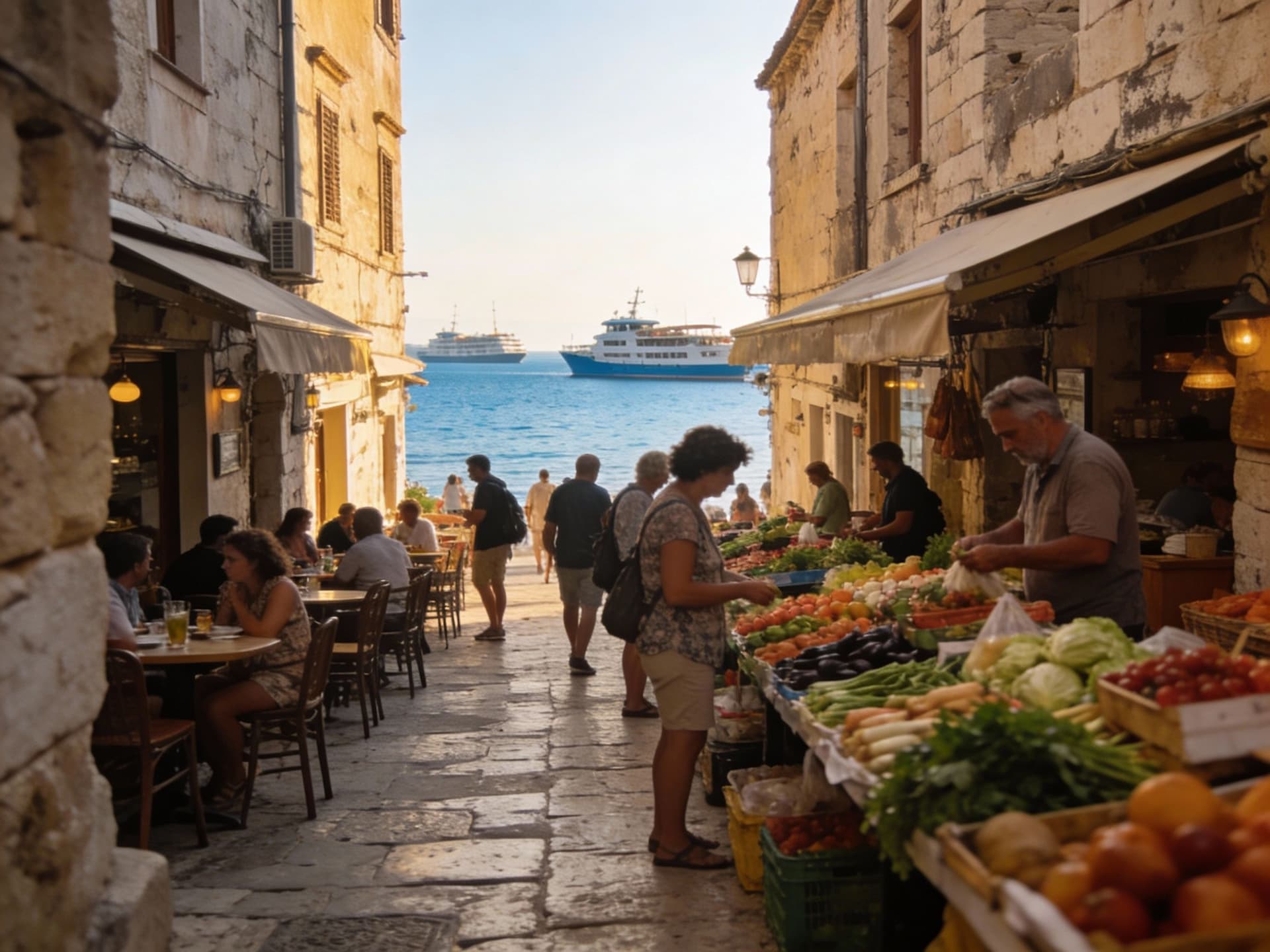
Day-to-day life in Malta trades distance for variety. Valletta’s stone alleys and cafés feel cinematic; Sliema and St Julian’s run the island’s cafe-and-convenience pulse; quieter villages such as Mellieħa and Marsaxlokk offer bay-side routines and slower markets. English is an official language, which flattens everyday friction for many internationals, but social life still follows Maltese rhythms—late dinners, strong family ties and festivals that animate neighborhoods for weeks.
Neighborhoods that define how you live
If you want a morning coffee and a weekday run along a promenade, Sliema’s Tower Road offers that life—high-street shops, terraced apartments and ferries to Valletta. For nightlife and shortened commutes to international offices, St Julian’s (Paceville aside) gives a mix of modern blocks and small, gated complexes. Valletta is for people who want history at the doorstep and calm evenings; Gozo is for those who prize slow time, bigger gardens and a different community tempo.
Food, markets and social seasons
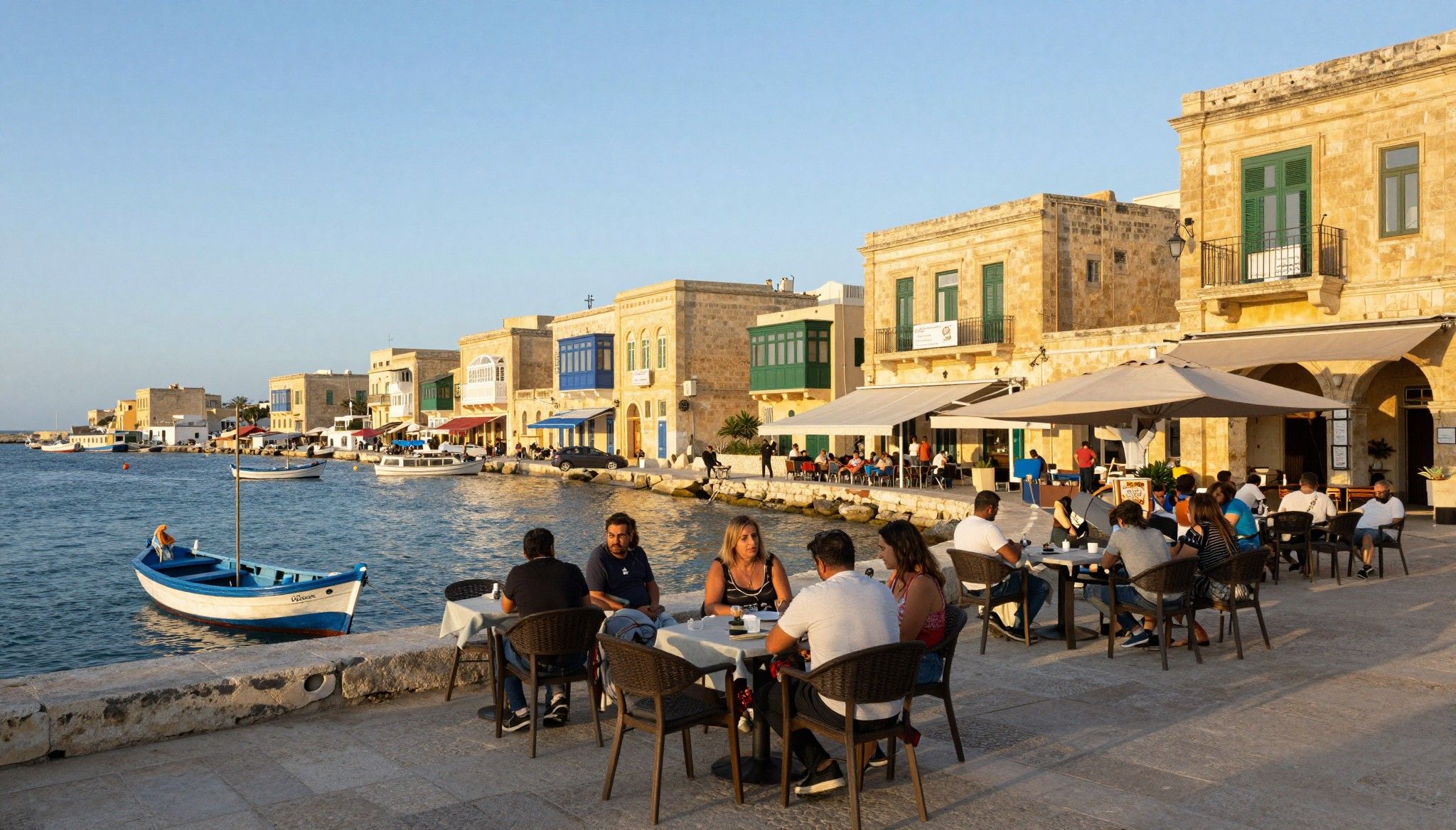
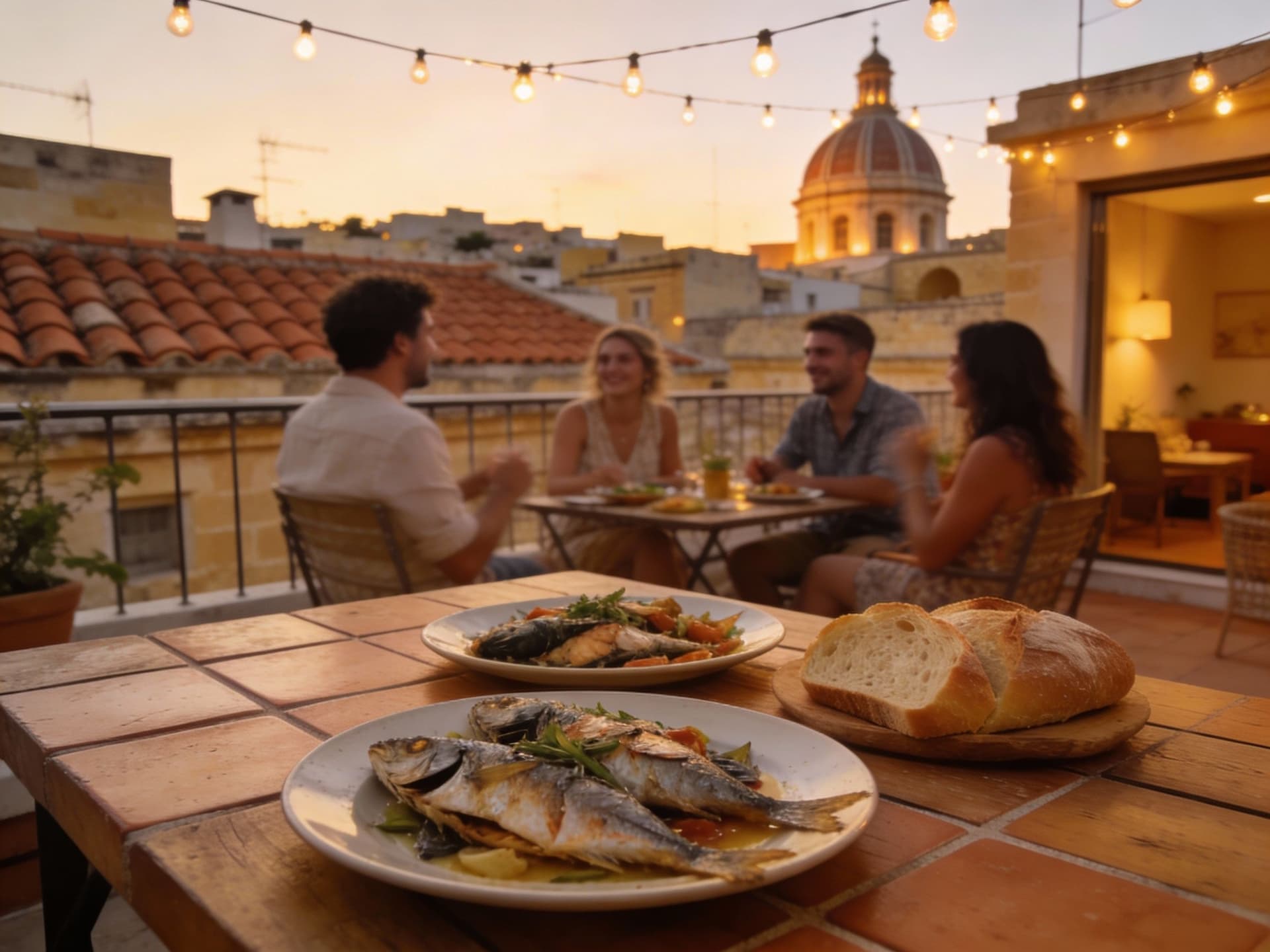
Weekends have a particular cadence: fish markets at Marsaxlokk on Sunday mornings, late‑night pastizzi runs after a concert in Valletta, and summer festas that close main squares to traffic. The island’s restaurants are a mix of Maltese tavernas, Sicilian-tinged trattorie and modern seafood kitchens. For buyers, proximity to weekend rituals matters: a small terrace overlooking a square will be lived in weekly and felt in your quality-of-life tally.
- Sliema promenade walks; Valletta café culture; Marsaxlokk fish market; Mellieħa bay swims; Ta' Xbiex marina evenings; Mdina quiet sunset strolls.
Making the move: practical considerations
Lifestyle sells the dream; data explains the trade-offs. Malta’s Residential Property Price Index rose +5.2% year-on-year in Q4 2024 and continued to climb into Q1 2025, signalling steady demand in a small market. That movement matters because supply is spatially constrained—land is limited and conversions of period stock are common—so price changes can translate quickly into different neighbourhood dynamics.
Property styles and how you’ll live in them
Apartments dominate coastal towns and the central belt; traditional townhouses and maisonettes sit in older districts. If you value indoor‑outdoor living, look for properties with roof terraces or balconies—those spaces are the functional equivalent of gardens here. Renovation costs for older stone homes can be higher than expected because of structural rules around listed façades and conservation zones, so budget realistically when buying historic stock.
Working with local experts who know the streets
- 1. Ask agents for recent comparable sales on the same street, not the same town. 2. Insist on site inspections at different times (market mornings, quiet evenings). 3. Demand clear documentation on airspace and building permits. 4. Budget for VAT or stamp duty where relevant and for common-area maintenance in shared blocks. 5. Use a local lawyer to check title and any heritage restrictions. 6. Test internet speed and mobile signals—remote work life depends on them.
Insider knowledge: what expats wish they'd known
Three realities often surprise newcomers. First, policy shifts matter: recent EU court rulings ended Malta’s citizenship‑for‑investment programme in April 2025, removing a once‑prominent route and reshaping investor demand. Second, affordability has tightened—house price indices show consistent annual rises—so timing and street-level choice determine value. Third, the social fabric is dense; community acceptance often follows repeated, small investments in local life, not headline purchases.
Cultural integration and everyday practicalities
Maltese social life leans on family and church calendars; festas bring neighbors to the street and open unexpected social doors. English signage and administration reduce friction, but registration with local services, understanding parking permits and learning a few Maltese phrases smooth your daily life. Expect practical quirks—narrow lanes, limited parking and municipal rules that can affect renovations—that a local agent and a pragmatic lawyer will help you navigate.
Long-term living: what changes after year two
After a year your rhythms shift: the novelty of festivals yields to weekly routines—market days, school runs, social clubs. Neighborhood quality often reveals itself in neighbor interactions and municipal upkeep, not marketing brochures. If rental yield matters, central Sliema/St Julian’s apartments deliver consistent demand; for lifestyle space and quieter community, Mellieħa or Gozo offer trade-offs in commute and services.
- Quick buyer checklist: verify title and airspace; inspect at different times; budget for conservation works; prioritise roof terraces for outdoor life; confirm broadband and utilities.
Malta offers a compact Mediterranean life where streets matter as much as square metres. If you care about weekly rhythms—markets, ferries, prom walks—choose by neighborhood not by headline price. Start with an agency that lives locally, ask for street-level comparables, and expect to trade some space for proximity. Visit in both high summer and quieter winter weeks; the island shows its true character in off-season light.
Next step: shortlist streets and request documented comparables from two independent agencies. Arrange a three‑day visit that includes a weekday and a weekend. If you’d like, we can connect you with Maltese attorneys and agents who specialise in matching lifestyle priorities to solid title checks.
Norwegian market analyst who serves Nordic buyers with transparent pricing and risk assessment. Specializes in residency rules and tax implications.