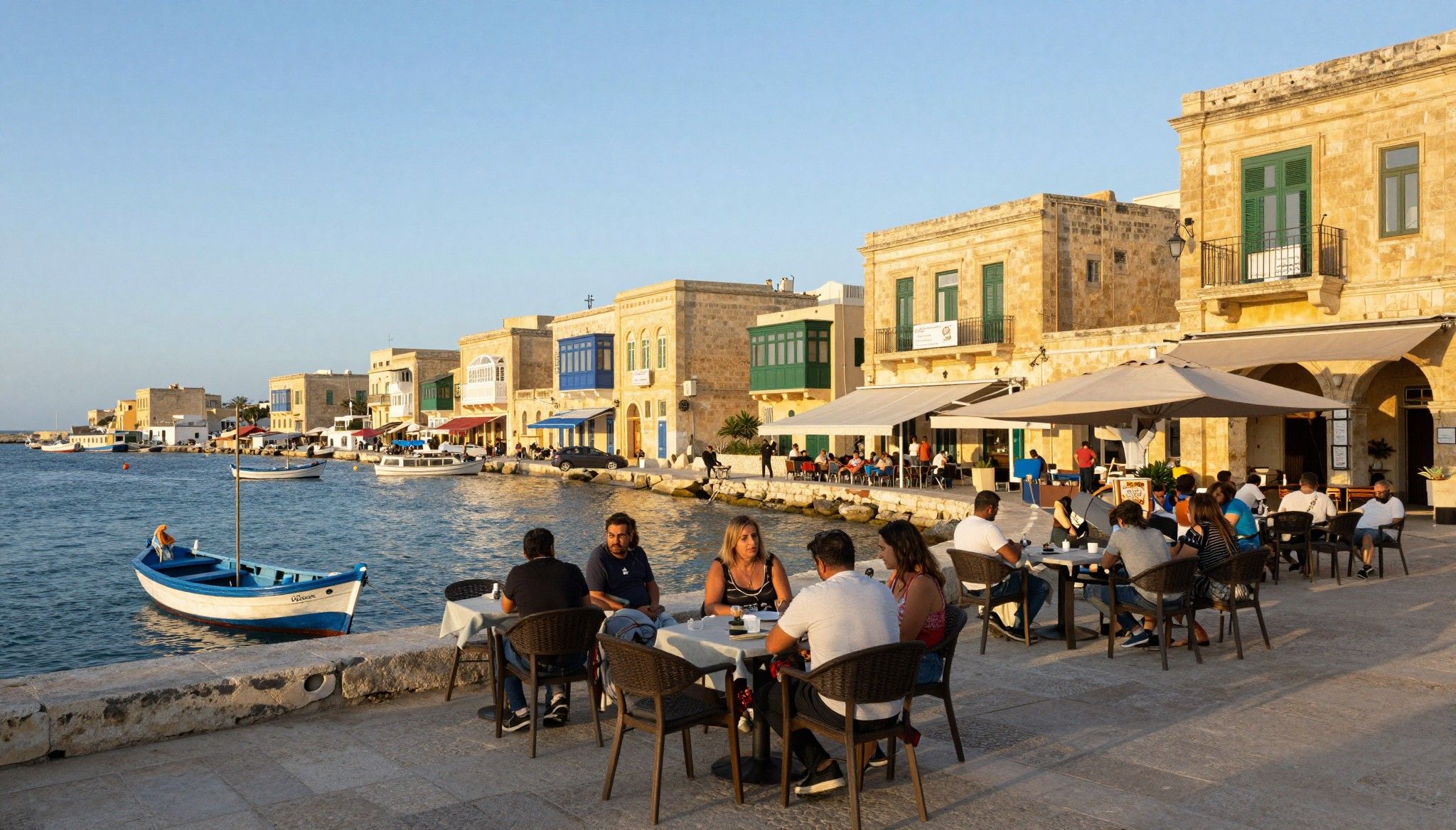
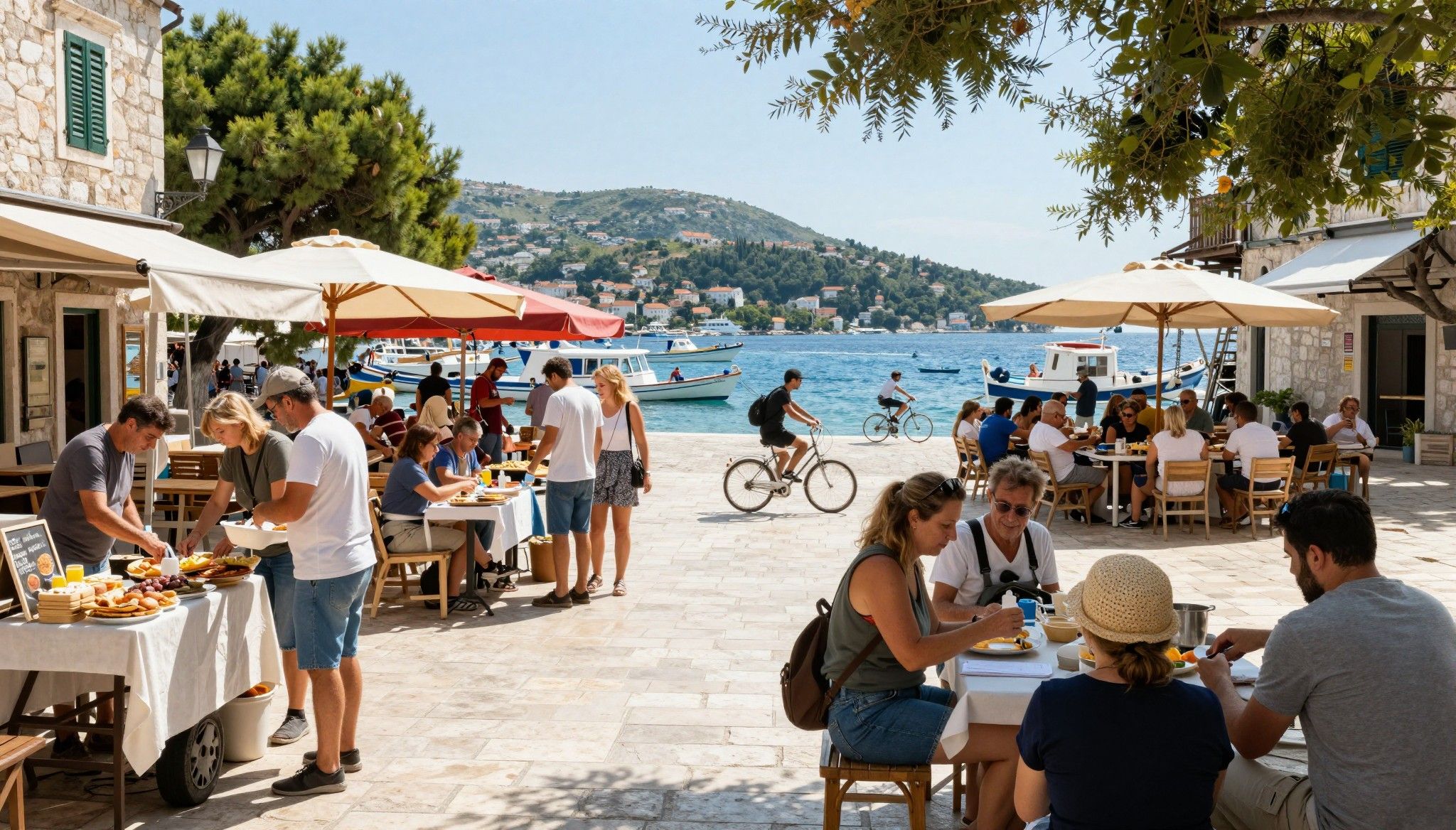
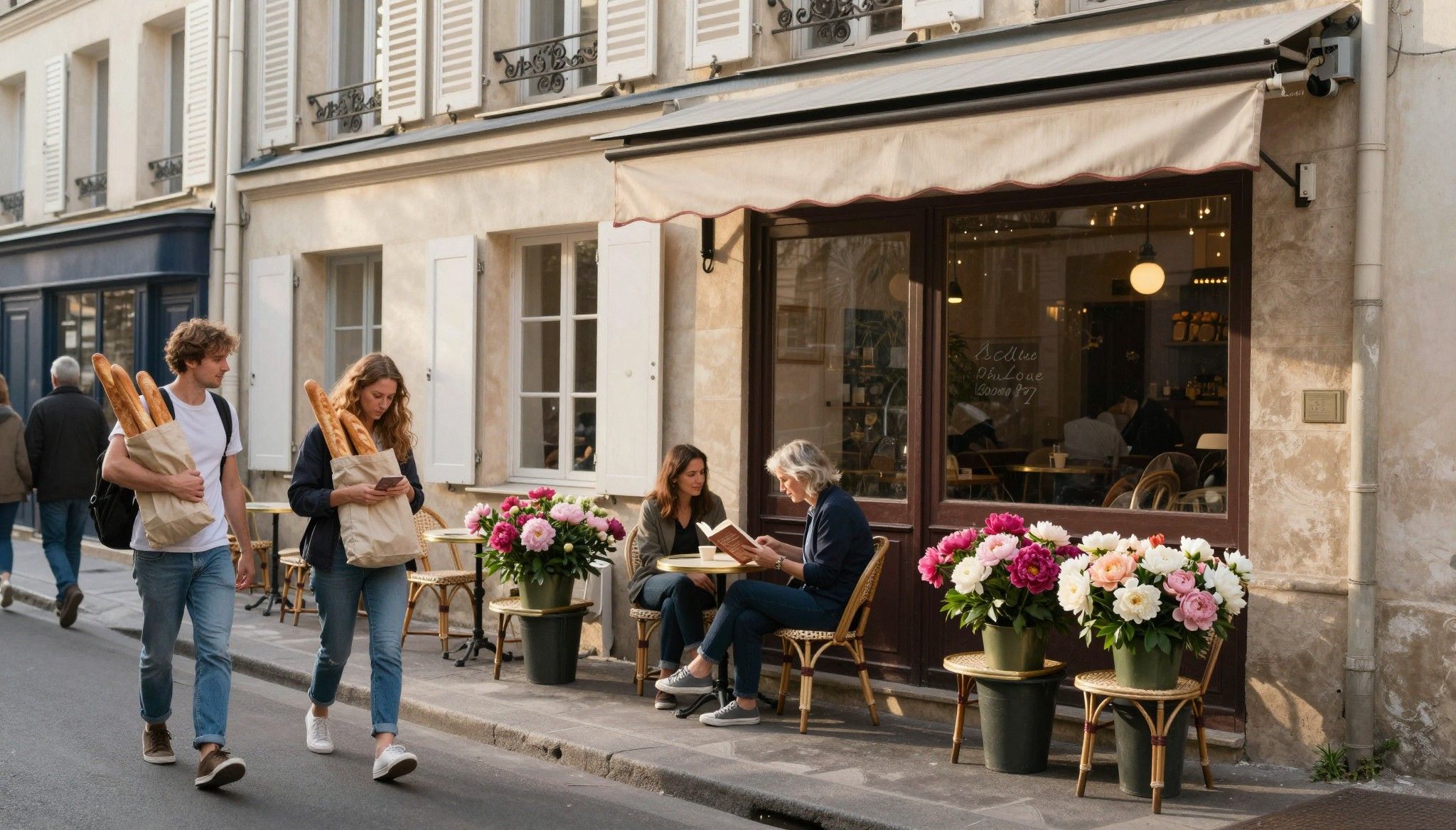
Riviera Reality: Where Value Hides on the Côte d'Azur
A lifestyle-led look at France’s coast: where real Riviera value hides, backed by INSEE and notary data to match dream with due diligence.
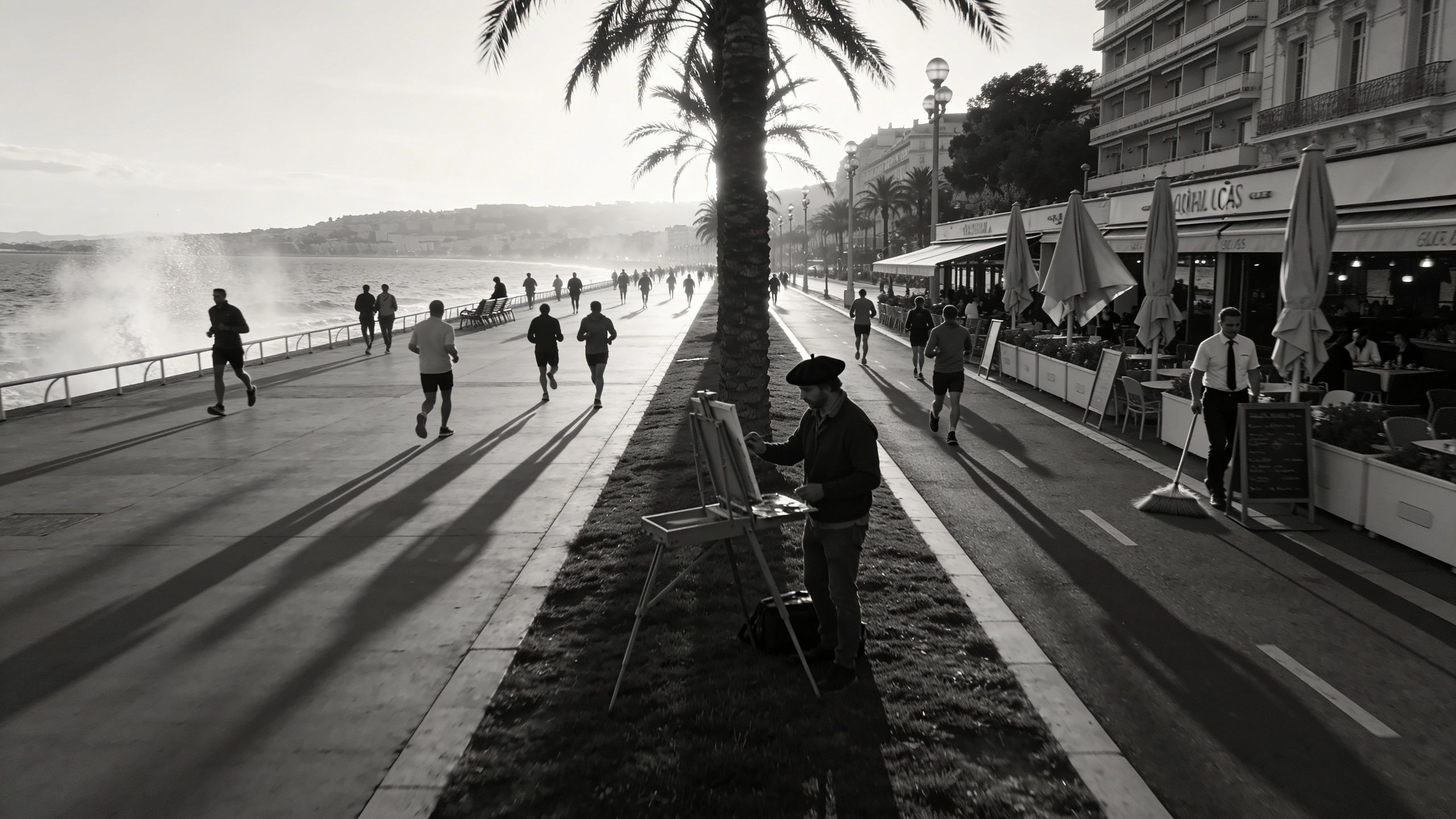
Imagine sipping espresso on a shaded bench in Nice’s Old Town, then walking five minutes to a compact pied-à-terre where morning light floods a stone-walled kitchen. France rewards small, tactile pleasures — markets, boulangeries, village squares — but the coastal reality is more nuanced than the postcards suggest. This piece looks beyond the Côte d'Azur’s glamour to show where lifestyle value actually hides, and what international buyers should consider when a seaside dream collides with market facts.
Living the Riviera Lifestyle — what it really feels like

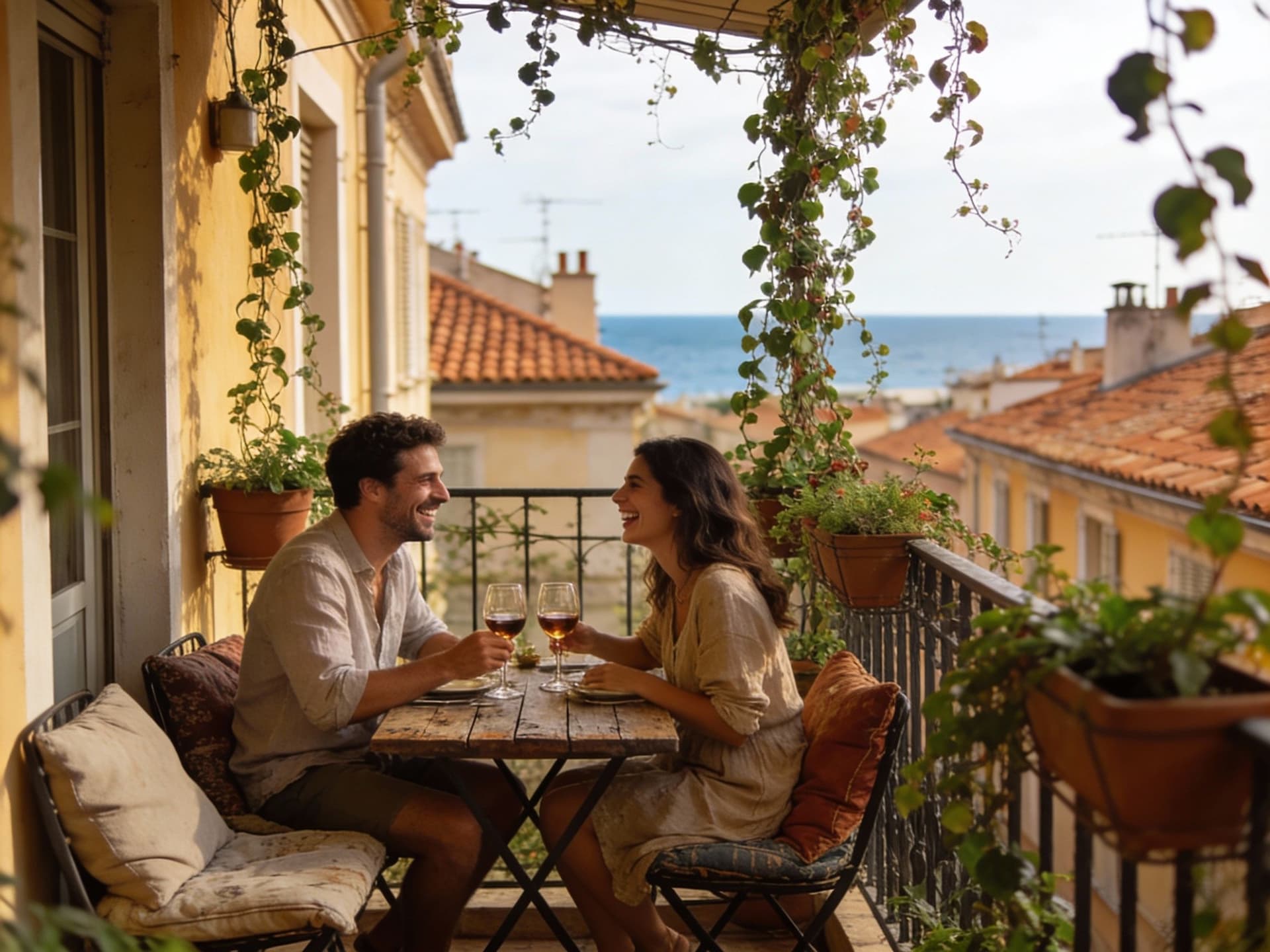
The French Riviera is sensory: lavender-scented air inland, salty sea breezes on the promenade, and late dinners that stretch under sodium lamps. Days are organised around outdoors living — marché visits at 9am, cafés at 11am, beach time in the afternoon, aperitif at golden hour. For many internationals, life here is less about unbroken luxury and more about a slow daily ritual where quality of place beats sheer square metres.
Old Nice, Vieux Port Marseille, and Antibes’ quieter streets
Old Nice’s narrow lanes (Rue Bonaparte, Rue de la Préfecture) offer apartment living with cafés, flower stalls and community life. Antibes’ Provençal markets around Marché Provençal reveal the rhythm of local patronage rather than tourist bustle. Even within the Côte d'Azur, neighbourhoods differ: the 7th arrondissement of Nice behaves like a village, while Cannes’ Croisette reads as seasonal theatre — lively in summer, quiet and measured the rest of the year.
Food, markets and everyday rituals
Morning market stalls — socca in Nice, fresh shellfish in Sanary-sur-Mer — set the day’s tempo. Chefs and producers increasingly settle outside headline towns, creating micro-scenes in places like Vence or Valbonne. Seasonality shapes life: winter is quiet and local; summer attracts global visitors. Buyers seeking community should prioritise proximity to weekly markets and a neighbourhood café where faces repeat.
- Lifestyle highlights to test on a visit
- Walk the Promenade des Anglais at dawn (Nice) — note how early life starts and which streets fill with residents.
- Visit Marché Provençal (Antibes) — see which stalls sell to locals and what neighbourhoods use it daily.
Making the move: practical considerations that preserve lifestyle
Lifestyle matters, but so do market rhythms. National data shows second-hand prices began to recover in early 2025 after a period of decline; that influences timing and which neighbourhoods represent value. Match what you want to live (daily market access, sea breeze, quiet street) with property types that deliver it — not the postcard image.
Property styles and how they shape life
A small, well-located apartment near Rue Masséna in Nice will give you morning cafés and short walks; a villa on the hills above Cannes delivers privacy but daily driving. Older stone flats have character and thin walls; modern builds offer insulation and parking. Prioritise the features you will use every day — shade on terraces, cross-ventilation, proximity to a market — rather than headline luxuries you use rarely.
Working with local experts who understand both lifestyle and law
A coastal agency should be fluent in local rhythms: when estates are shown, which seasons depress viewings, how seasonal rentals affect neighbourhood life. Expect them to advise on day-to-day consequences — noise in July, street parking patterns in winter — alongside formal checks. Use agencies to test lifestyle assumptions before committing legally.
- Steps to blend lifestyle and due diligence
- Visit outside high season to assess permanent-community life.
- Confirm parking, local services, and market days with a neighbourhood agent.
- Ask an independent surveyor about insulation and humidity — coastal buildings age differently.
- Check recent sales data for the street or commune, not just the town-wide average.
Insider knowledge — the truths expats discover after a year
Expats quickly learn that seasonal swells change street character and rental dynamics. Belgian and Dutch buyers are active in Provence and the Var, while Americans and Middle East buyers concentrate on high‑end Côte d'Azur and Paris. That means competition varies by pocket — and so do community norms.
Cultural integration and daily civility
Learning basic French opens doors. Simple gestures — greeting shopkeepers, attending local fêtes (village festivals) — turn neighbours into allies. For many buyers, language is the difference between passing holidays and feeling at home. Neighbourhood clubs, pétanque courts and volunteer markets accelerate that transition.
Long-term lifestyle and maintenance realities
Coastal properties need different maintenance: salt corrosion, roof checks after strong Mistral winds, and drainage on steep plots. Budget for ongoing communal charges in co-ops (copropriété) and seasonal caretaking. Those costs change how much time and money you will actually spend enjoying the place.
- Red flags to watch for before you sign
- Unclear copropriété accounts — request the last three years of budgets and reserves.
- Unusual planning restrictions on coastal plots — confirm with the mairie and the PLU (local urban plan).
- Evidence of persistent damp or mould in older stone flats — always survey for humidity and insulation.
If you want both seasonal rental income and a lived-in community, prioritise streets where locals remain year-round. If solitude and privacy matter, choose hillside villas with reliable road access in winter. Those trade-offs define both daily happiness and long-term resale.
Conclusion — a realistic romance: taste before you buy
Fall in love with daily life first. Then use data and local expertise to ensure that love translates into a durable purchase. Visit outside peak season, test neighbourhood routines, commission a technical survey targeted at coastal wear, and work with local advisors who prioritise lifestyle fit. That approach preserves the Riviera’s pleasures while protecting your investment.
Norwegian market analyst who serves Nordic buyers with transparent pricing and risk assessment. Specializes in residency rules and tax implications.