Seaside View or Walled‑City Life? Malta Trade‑Offs
Malta’s compact contrasts—walled Valletta vs. seaside towns—create lifestyle trade‑offs; street‑level comparables and up‑to‑date residency checks reveal where real value lies.
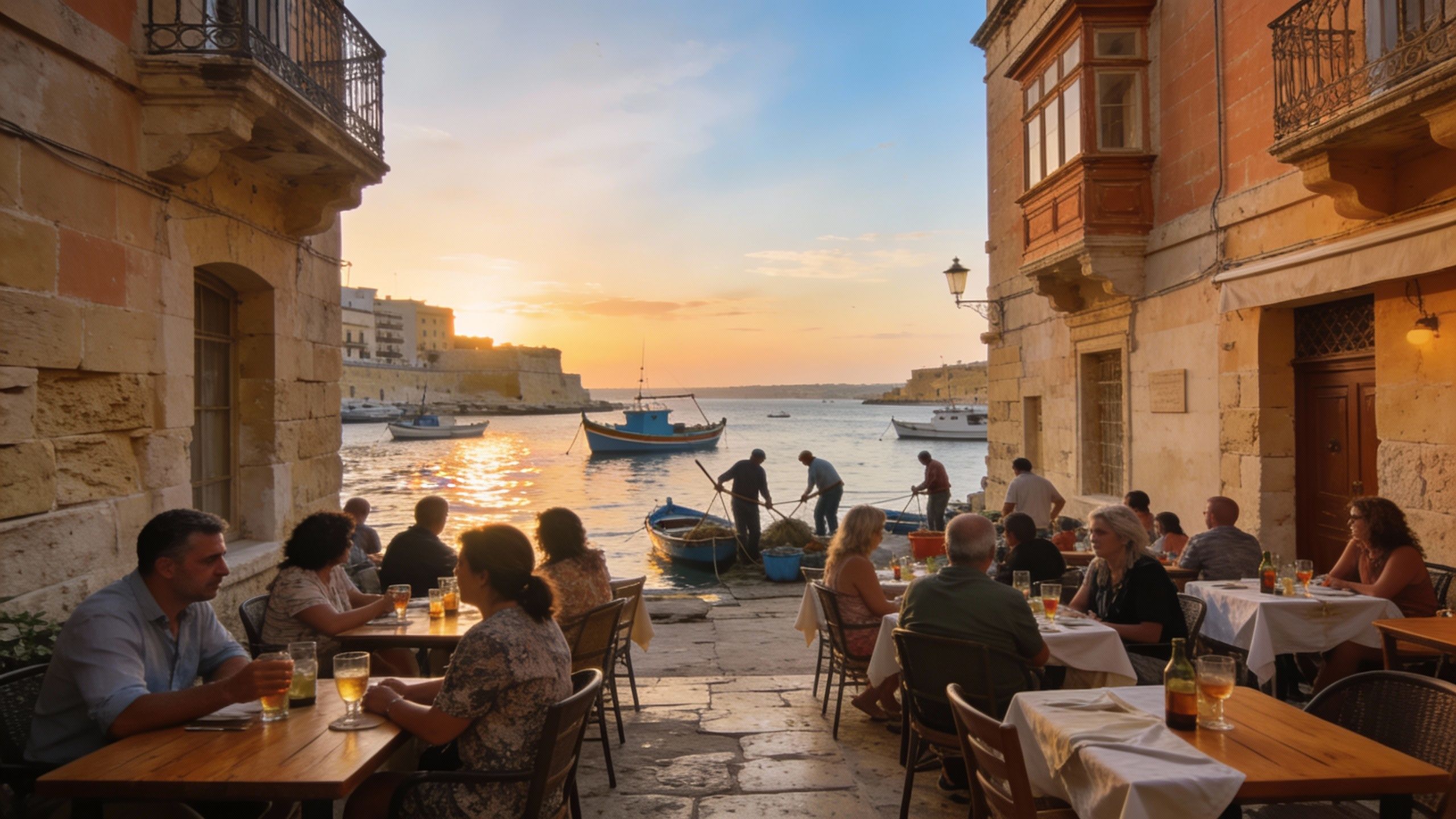
Imagine walking from a narrow limestone alley onto a harbour terrace where fishermen mend nets and café tables fill with espresso steam. That daily flip—historic lanes one moment, bright Mediterranean sea the next—captures why Malta feels compact and endlessly varied. For buyers, this intensity creates real trade‑offs: dramatic lifestyle contrasts within minutes, and a property market that reflects them.
Living the Malta lifestyle
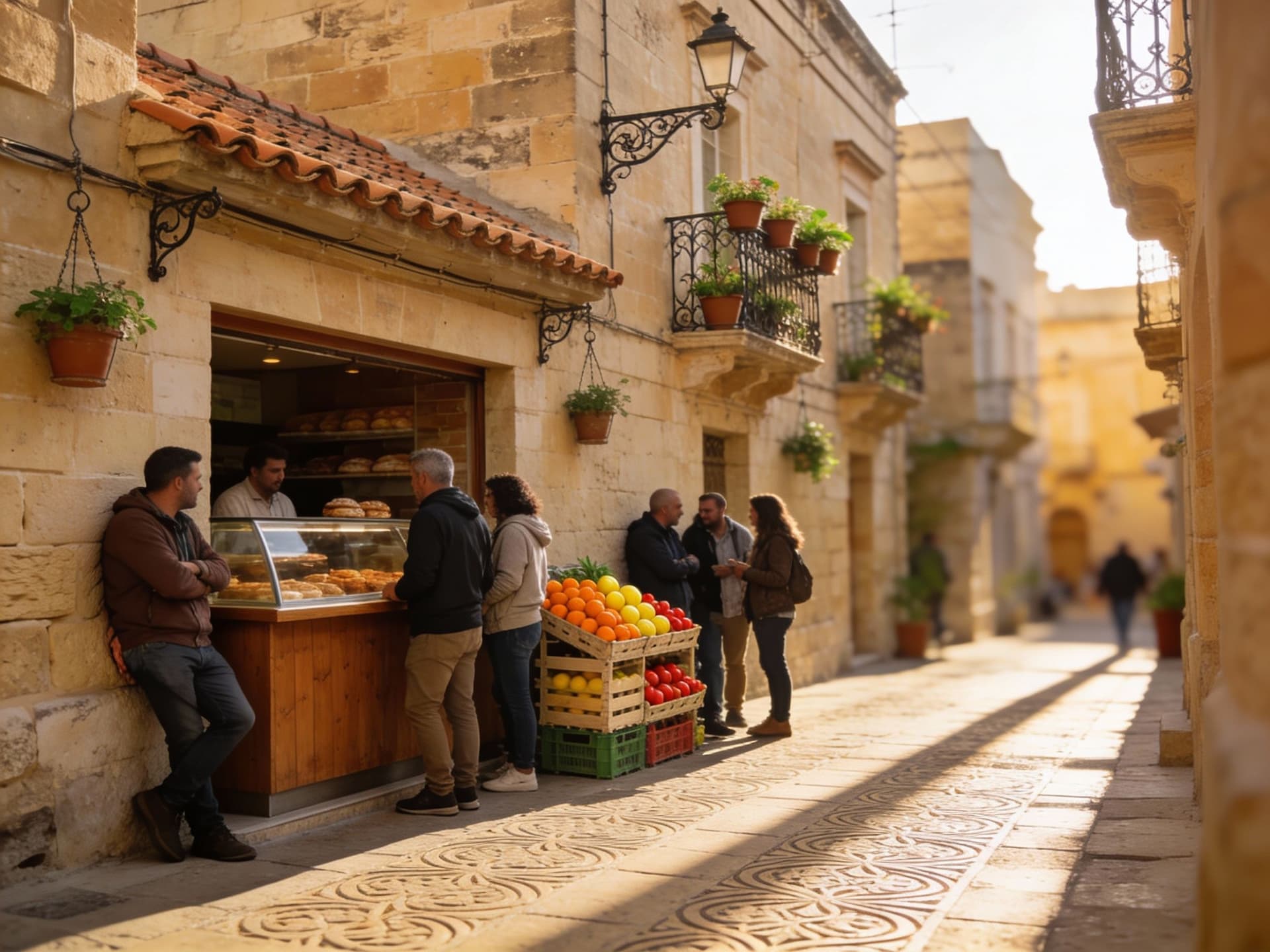
Life here moves on stone, sea and ritual. Mornings in Valletta feel like theatre—early deliveries, shutters opening, a bakery scent that follows you down Republic Street. Afternoons at Mellieħa or St. Julian’s switch to sun, strip beaches and slick cafes. The island’s small size means your weekend plan can be a hike at Dingli Cliffs, a swim at Ghadira, and cocktails in a boutique hotel, all in the same two days. Those lifestyle choices feed directly into price patterns: demand for both sea‑front living and historic, central homes keeps pressure across different neighbourhoods. Recent NSO figures show continued annual rises in the Residential Property Price Index, underscoring that this is a market with persistent demand and limited supply.
Valletta and the walled‑city character
Valletta is architecture as daily life. Think balconied facades, quiet courtyards, and a pulse of cultural institutions—opera, museums, curated restaurants. Properties here are often conversions: narrow, high‑ceilinged flats in 18th‑century buildings. The trade‑off is obvious—historic charm and walkable urban life vs. smaller interiors and renovation complexity. Expect higher per‑square‑metre prices for proximity to the marina or main thoroughfares; expect additional time negotiating structural consents when windows, timber beams or communal staircases are involved.
Seaside towns: St Julian’s, Sliema, Mellieħa
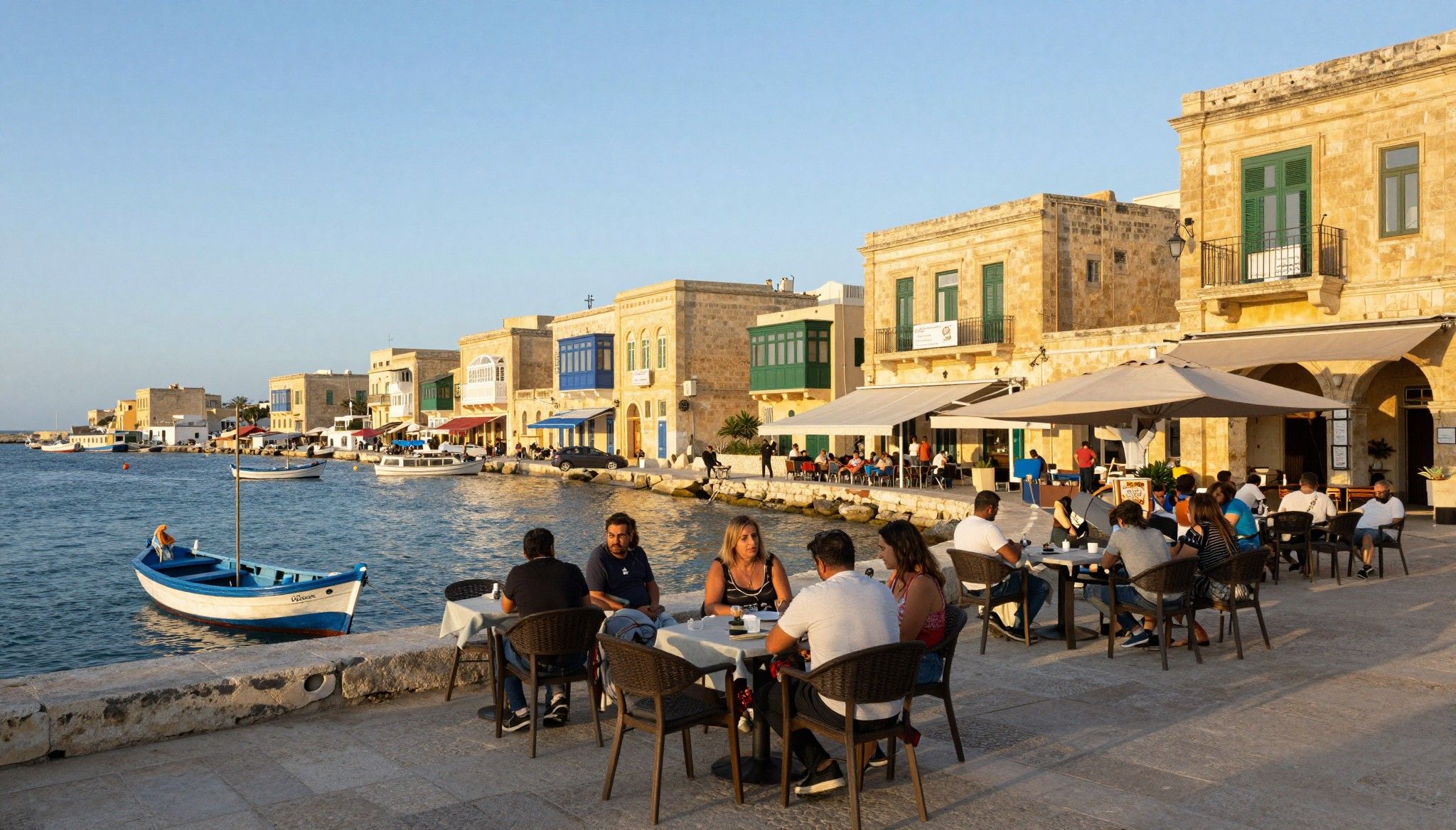
If you prize terraces and rental demand, Sliema and St. Julian’s trade history for density and services: restaurants, ferries, shops and short‑let appeal. Mellieħa and the northern bays offer quieter seaside living with larger apartments and maisonettes. But “seaside” in Malta rarely means wide sandy beaches — coves and rocky ledges are the norm — so outdoor living often depends on private terraces or nearby marinas rather than long stretches of sand.
- Lifestyle highlights and local touchstones: Valletta’s Upper Barrakka Gardens; a breakfast at Café Cordina; sunset swims at St Peter’s Pool; weekend market stalls at Marsaxlokk; ferry rides between Sliema and the Three Cities; a cliff walk at Dingli with a thermos of local coffee.
Making the move: practical considerations
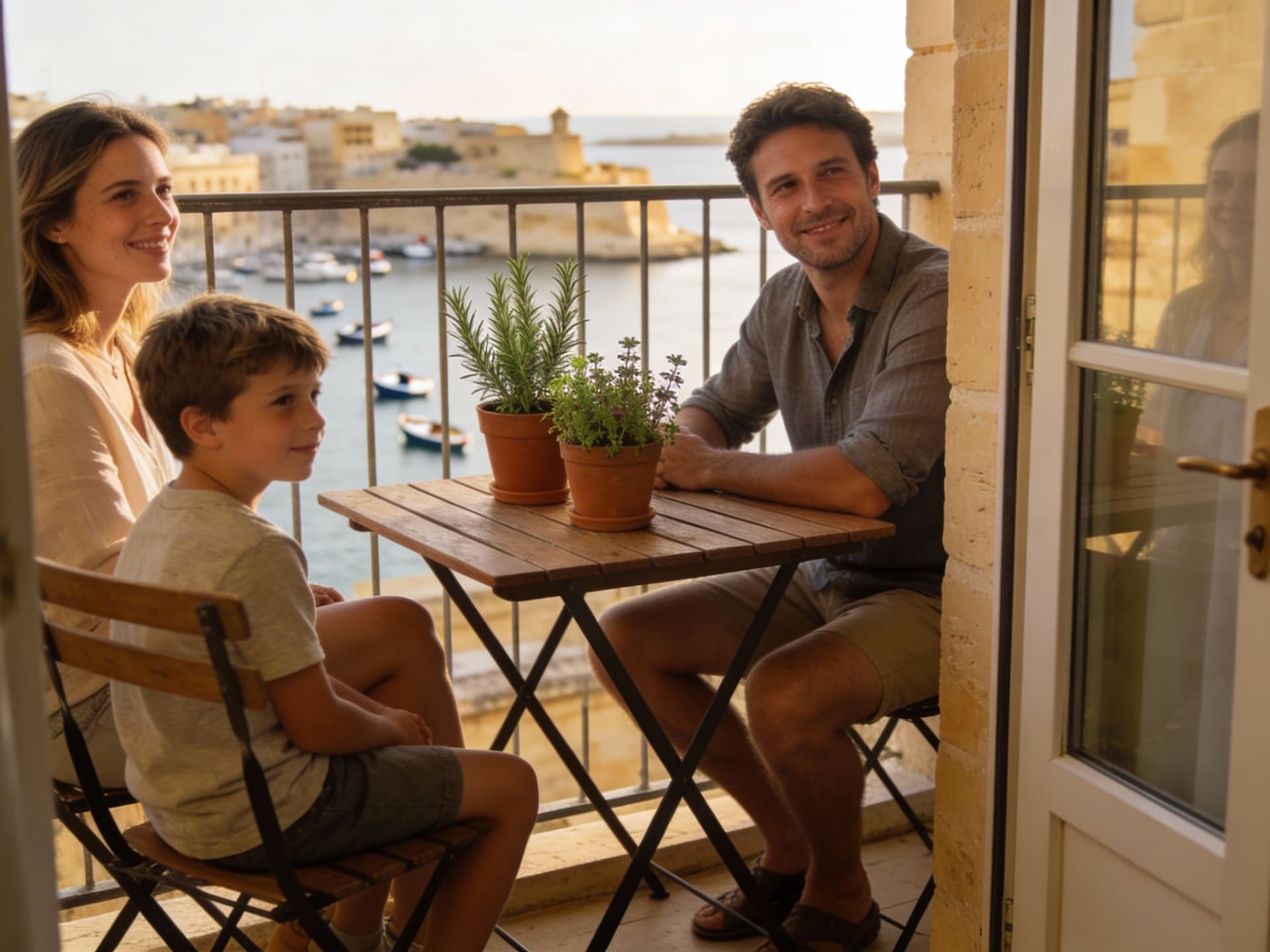
Malta’s lifestyle appeal has been paired with policy headlines: once‑popular citizenship‑by‑investment schemes were struck down by the EU’s top court in 2025, and residency pathways have tightened. That matters because policy shifts affect demand, buyer profiles and how agents price certain asset types. Insist on up‑to‑date confirmation of residency rules before making purchase plans, and ask your agent for the latest administrative requirements in writing.
Property styles and how you’ll actually live in them
Three property archetypes dominate: converted historic flats (Valletta, Cottonera), modern apartments (Sliema, St. Julian’s) and maisonettes or terraced houses (suburban and northern bays). If you want outdoor life, prioritise terraces and orientation over ‘sea‑view’ labels; a modest west‑facing terrace can double your usable space while a marketed sea‑view apartment with a shallow balcony often underdelivers. Factor in maintenance on older fabric: lime mortar, timber shutters and listed facades require specialist contractors.
Working with local experts who know both life and law
How to marry lifestyle goals with practical steps:
- 1. Start with a lifestyle map: list daily routines (coffee, school, work) and match them to specific streets or neighbourhoods rather than broad towns.
- 2. Ask an agent for three comparable sales from the last 12 months within a 300‑metre radius — not town‑level averages — to see true street‑level pricing.
- 3. Commission a structural and services survey before making offers on older conversion properties; factor specialist restoration timelines into your move‑in plan.
- 4. Verify residency and tax implications in writing from a Malta‑based lawyer, particularly after recent changes to investment citizenship routes. Policy shifts change buyer demand and can affect near‑term price momentum.
Insider knowledge: what expats wish they'd known
Direct experiences often differ from glossy listings. Expats tell us: communal life matters more than the view. Shared courtyards, friendly neighbours and a local grocer shape daily happiness. They also note that price growth is persistent — NSO data through 2025 shows ongoing annual increases — so delays have a clear cost if your priority is long‑term residence rather than speculative timing.
Cultural integration, language and day‑to‑day norms
English is co‑official and widely used, which eases practical life. Still, social integration follows local rhythms: lengthy family lunches, late evening socialising and smaller, frequent neighbourhood interactions. Making local friends often happens via community associations, church events, or regular markets in places such as Marsaxlokk. Expect bureaucracy to favour patience; processes from municipal permits to utility connections can be slower than in larger mainland cities.
Long‑term lifestyle and market sustainability
- Key long‑term considerations: - Demographic pressure and limited land mean supply constraints will likely persist. - Policy shifts (residency/citizenship changes) can reduce one cohort of demand but also raise local scrutiny and compliance costs. - Rental demand near business hubs and international schools remains robust, supporting cash‑flow for buy‑to‑let buyers.
Buyers who succeed pair lifestyle clarity with street‑level diligence: they know which tiny terrace matters more than a marketed sea view; they budget for specialist repairs on historic fabric; and they ask their local agent for documented comparables and recent transaction records. If you want to feel Malta as it is—stairs creak, church bells, a framed harbour view—start there, then layer in contracts, surveys and legal checks.
Next steps: visit neighbourhoods at different times of day, request three recent sales within 300 metres for every property you shortlist, commission a structural survey for pre‑1970 buildings, and secure written confirmation of residency requirements if you rely on investment or permit routes. For lifestyle buyers, an agent who can read streets rather than sales brochures is the difference between a good purchase and a property that disappoints.
Norwegian market analyst who serves Nordic buyers with transparent pricing and risk assessment. Specializes in residency rules and tax implications.