When Malta’s 'Overpriced' Label Gets It Wrong
Malta’s headline “expensive” label hides neighbourhood trade-offs. Explore lifestyle-led pockets, MPRP updates and practical steps that turn seaside fantasy into a resilient purchase.
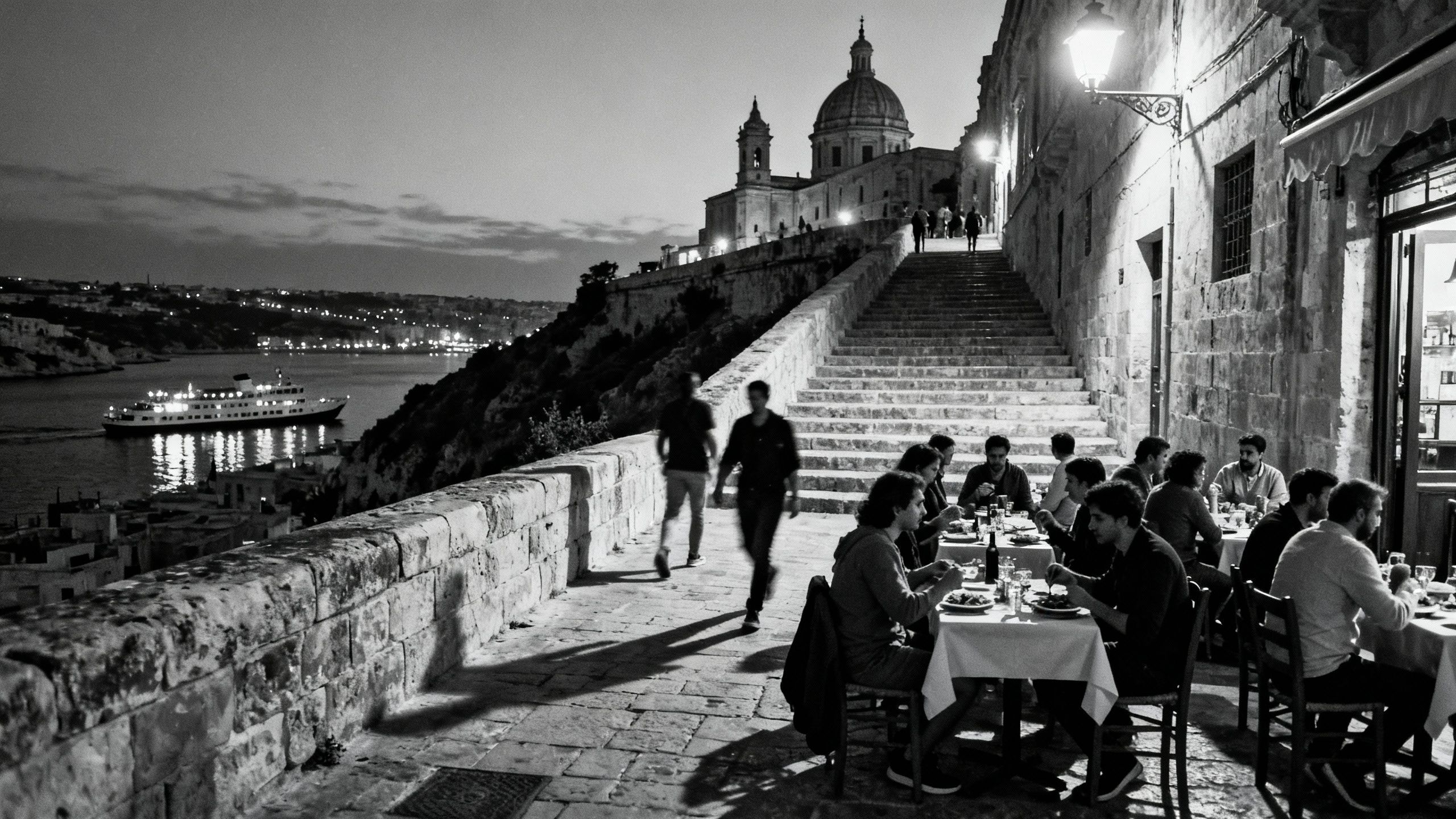
Imagine an island where morning markets unfurl beneath Baroque facades, a coffee cup steams on a Sliema promenade and ferries slip between Comino and Gozo. That compactness is Malta’s real charm: everything feels within reach, from the ancient streets of Valletta to the pebble beaches of Mellieħa. Yet many buyers arrive with a single headline in mind — “Malta is expensive” — and walk away before they explore the neighbourhoods and trade-offs that rewrite that story.
Living the Malta life
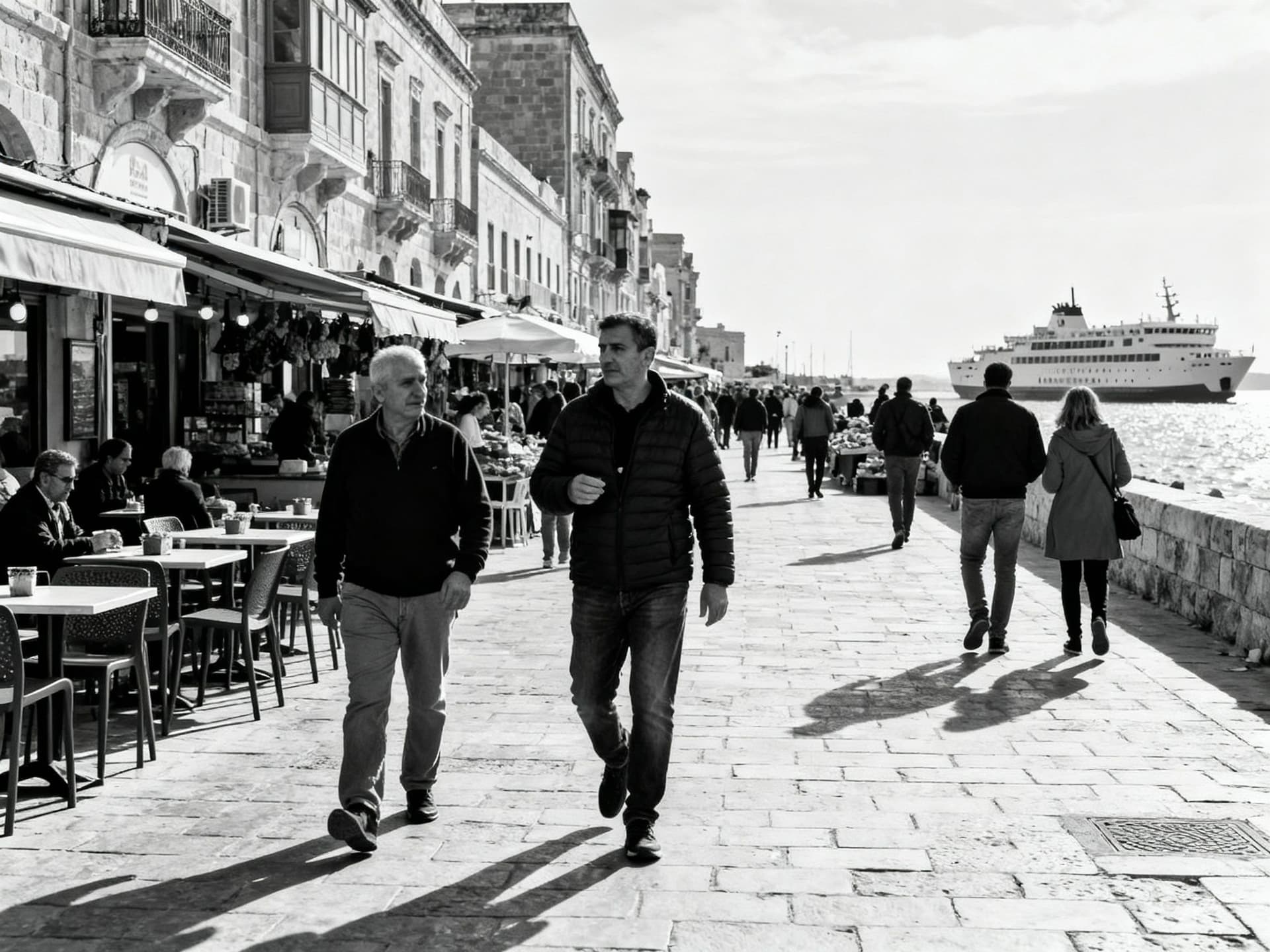
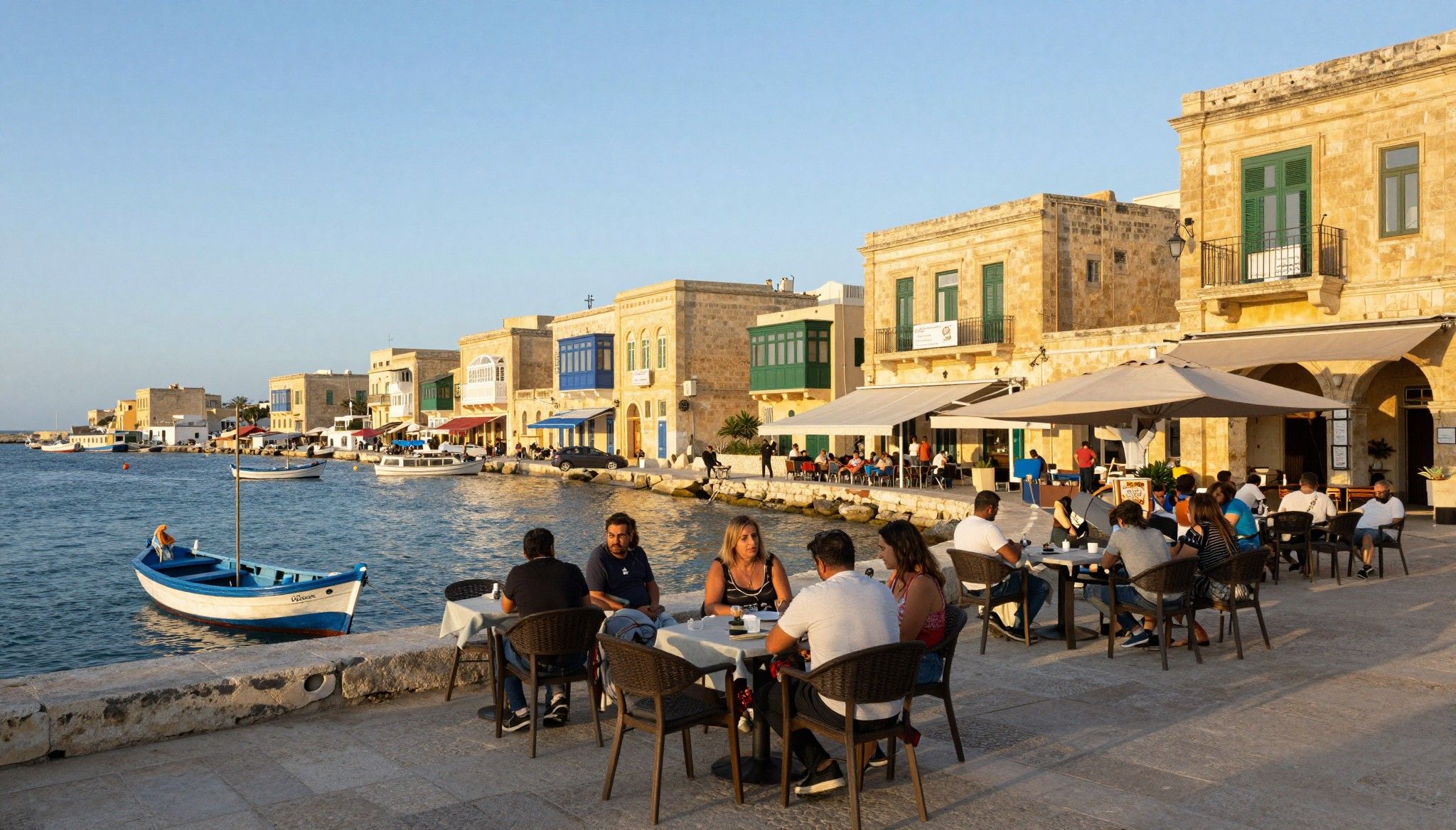
Days in Malta start and end around the sea. Walkable quays, neighbourhood cafés, and a persistent schedule of festas create a rhythm that suits people who trade commuting for proximity. The islands are surprisingly diverse: Sliema and St Julian’s hum with cafés and terraces; Valletta offers narrow, dignified streets and theatre culture; the northwest around Mellieħa and Golden Bay feels Mediterranean and uncrowded. This variety is the practical counter to headline pricing: you can pay a premium for waterfront life, or find value by prioritising rhythm over view.
Neighbourhood spotlight: Sliema, St Julian’s and Gzira
If you want a fast social life and short supermarket runs, this triple is hard to beat. Along Tower Road in Sliema, polished cafés and seafront promenades make daily life effortless. St Julian’s — especially Paceville-adjacent pockets — offers late-night dining and international services, while Gzira sits between both with quieter streets and apartment stock that tends to be newer. For many buyers the trade-off is clear: pay more for a promenade view, or secure better value a block inland without losing the lifestyle.
Food, markets and the weekend ritual
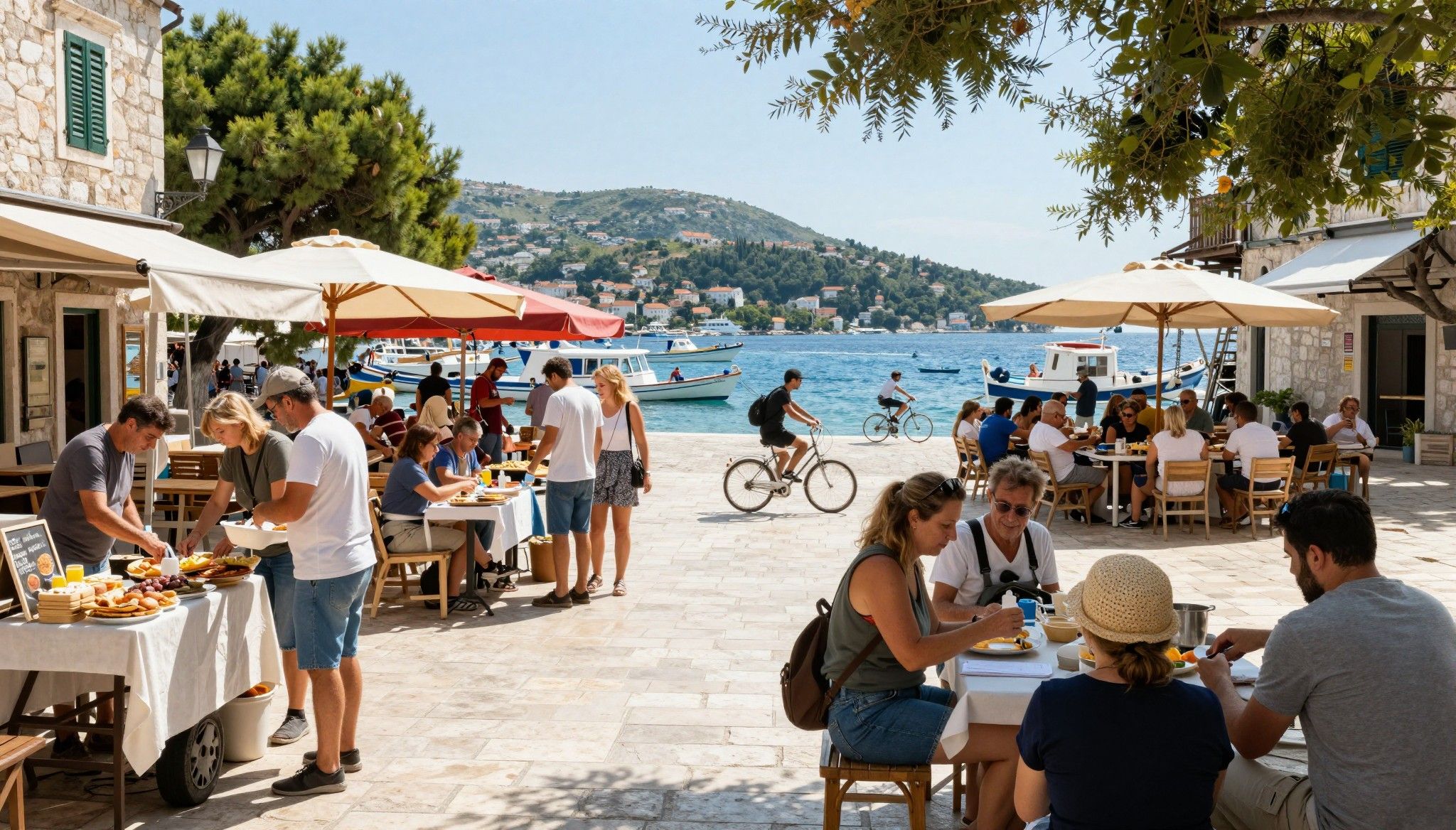
Weekends are for fish markets in Marsaxlokk, casual plates of rabbit (fenek) in village restaurants, and al fresco evening strolls in Valletta’s Republic Street. Coffee culture is present and direct: espressos at Cafe Cordina or small artisanal spots anchor the day. These rituals influence where you buy — proximity to a market, a favourite café or a short ferry to Gozo can outweigh extra square metres inland.
- Lifestyle highlights: Sliema promenade, Marsaxlokk fish market, Valletta theatre nights, Mellieħa beaches, ferry trips to Gozo, neighbourhood festas.
Making the move: practical considerations that matter to life
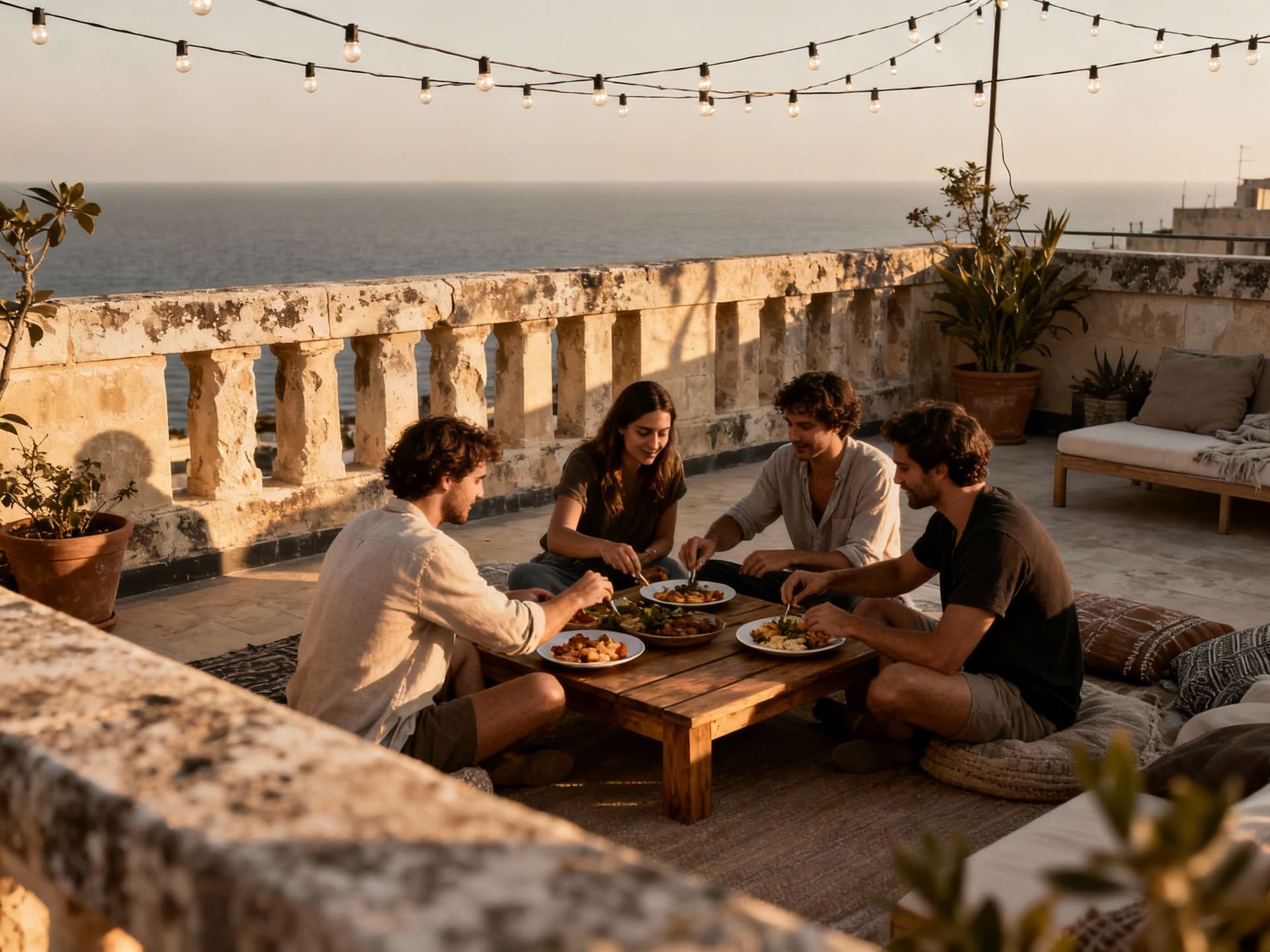
Lifestyle dreams collide with practical realities: supply constraints, building age, and local planning rules. Malta’s market is small and transactional volume is limited; that means the right local agent and a realistic brief matter more than hunting headlines. Buyers who tie lifestyle priorities to concrete property features — walking distance to cafés, good natural light in narrow streets, terrace orientation — make smarter offers and avoid disappointment.
Property types: terraced townhouses, modern apartments, and converted period homes
Traditional Maltese homes — townhouses with internal courtyards and stone balconies — deliver charm but often require renovation. Newer apartment blocks provide amenities and turnkey living but are concentrated in the more modern strips of Sliema, Gzira and parts of St Julian’s. Buyers targeting lifestyle should decide whether they want immediate comfort (modern build) or character and long-term upside (period property that can be adapted).
Working with agents who know the rhythm
A local agent is your translator of rhythm: they know which streets quieten after the festas, which blocks get morning sun, and where planning permissions are simple. For MPRP applicants, licensed agents authorised by the Residency Malta Agency are essential. Choose advisors who can show transaction records, recent comparable sales, and practical renovation outcomes rather than glossy brochures.
- Steps that marry lifestyle and due diligence: 1. Map daily routines: cafes, markets, medical services within 15 minutes. 2. Tour properties at different times (morning, afternoon, festa nights). 3. Request recent comparable sales and check actual title documents. 4. Factor renovation timelines into your move‑in date. 5. Confirm agent licensing and a clear written fee agreement.
Insider knowledge: what expats wish they'd known
Many expats say the surprise wasn’t the price, but the ongoing costs and small‑scale logistics: older buildings need pest control and waterproofing; narrow lanes can complicate furniture delivery; and local councils have strict rules about façade works. Understanding these daily frictions early avoids the classic regret of buying something picturesque that costs time and money to live in.
Language, community and social integration
English is an official language and services are internationally oriented, which shortens the integration curve. Still, friendships form at village festas, church events and local cafes rather than through formal networking. Be present: join a community event, try a cooking class for Maltese dishes, or volunteer in a local festa committee — these are the fastest ways to belong and to understand local property etiquette.
Longer-term trade-offs: investment vs lived value
If your plan is dual-purpose — live and rent — pick a neighbourhood with year-round demand (Sliema, St Julian’s, Valletta). If lifestyle is primary, choose smaller villages on the north coast or Gozo where pace of life and community matter more than yield. Both choices are valid; what matters is aligning expectations: rental yield and liquidity are lower in quieter areas, but quality of life can be substantially higher.
- Red flags to watch for before you sign: - Missing or incomplete title documents. - Properties without recent structural surveys. - Promises of future planning permissions without written proof. - Agents unwilling to provide past transaction references. - Unusually low price that creates unrealistic renovation budgets.
In Malta you buy more than property: you buy a rhythm. That rhythm will include seaside mornings, market Saturdays and the occasional festa late into the night. If your priority is that rhythm, work with an agent who can translate neighbourhood life into hard comparisons and who can show complete title records and recent comparable sales.
Next steps: visit at three different times of day, shortlist neighbourhoods by routine, ask agents for full titles and recent sale prices, and factor renovation into your budget. If residency is part of your plan, consult the Residency Malta Agency rules early — recent MPRP reforms affect property thresholds and fees. A clear brief and a local advisor who shows records beats any headline about “expensive” every time.
Swedish expat who moved from Stockholm to Marbella in 2018. Specializes in cross-border legal navigation and residency considerations for Scandinavian buyers.