Why Malta’s Price Tag Hides Street‑Level Opportunities
Malta’s charm is compact and concrete: prices have risen, but neighbourhoods and permit rules create street‑level opportunities for informed buyers.
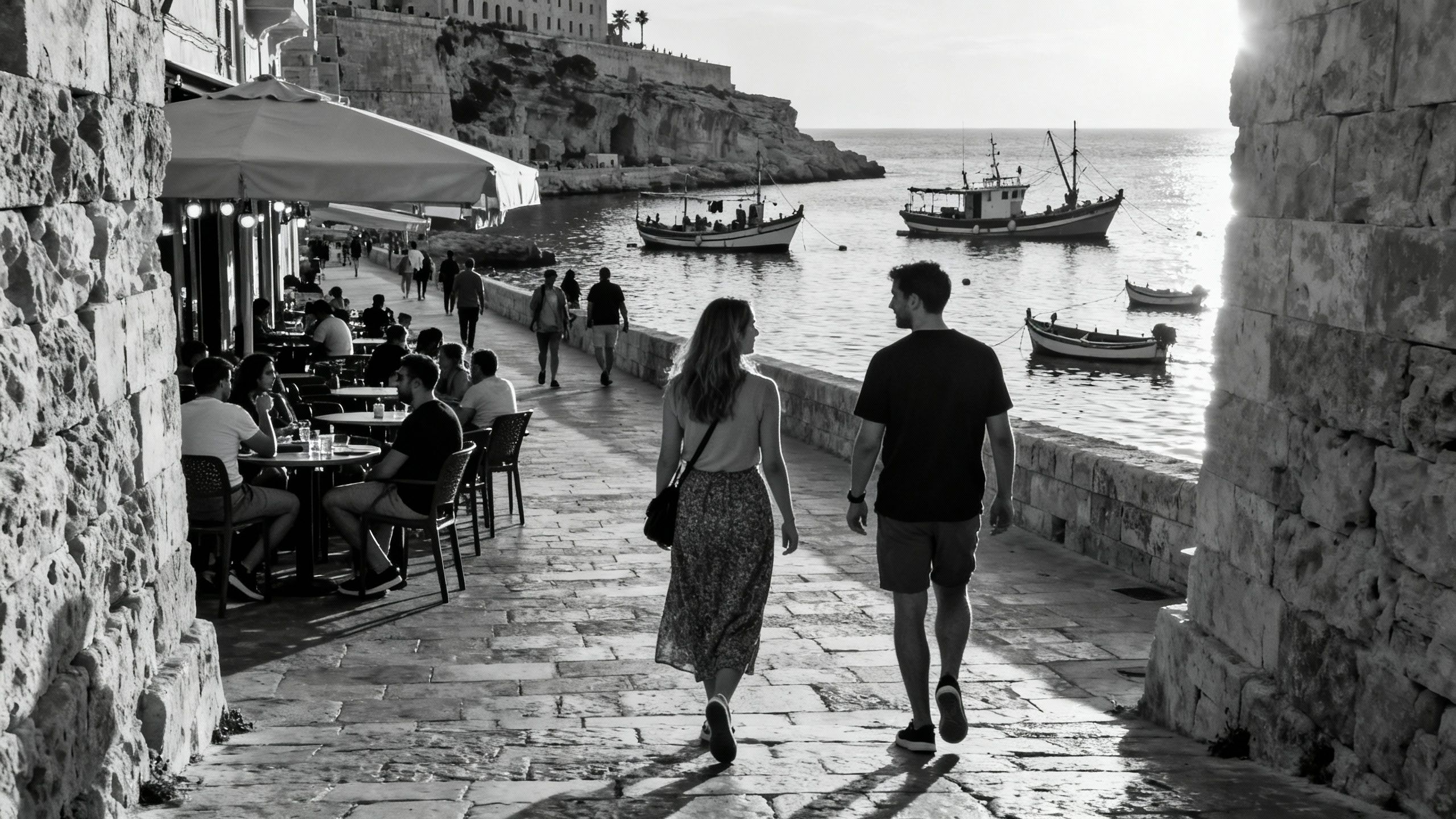
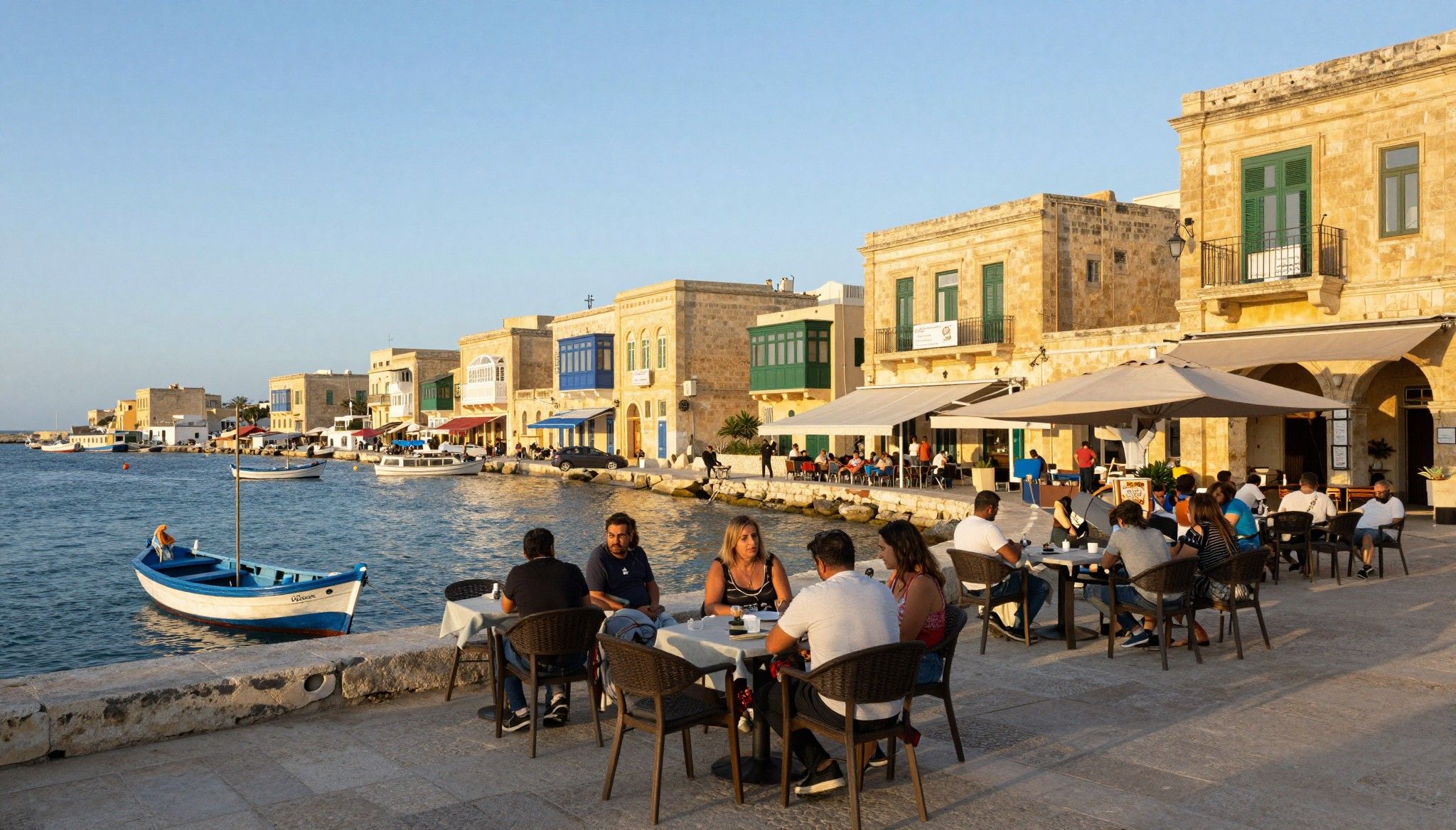
Imagine sipping an espresso on a stone balcony in Valletta as a fishing boat cuts across the harbour and church bells mark noon. In Malta, daily life is compact, tactile and public: narrow streets that double as living rooms, neighbourhood cafés where everyone knows your name, and the sea always five to fifteen minutes away. That intimacy is Malta’s chief attraction — and the reason property here demands a fresh, street‑level read rather than a headline about “expensive islands.”
Living Malta: the sensory map
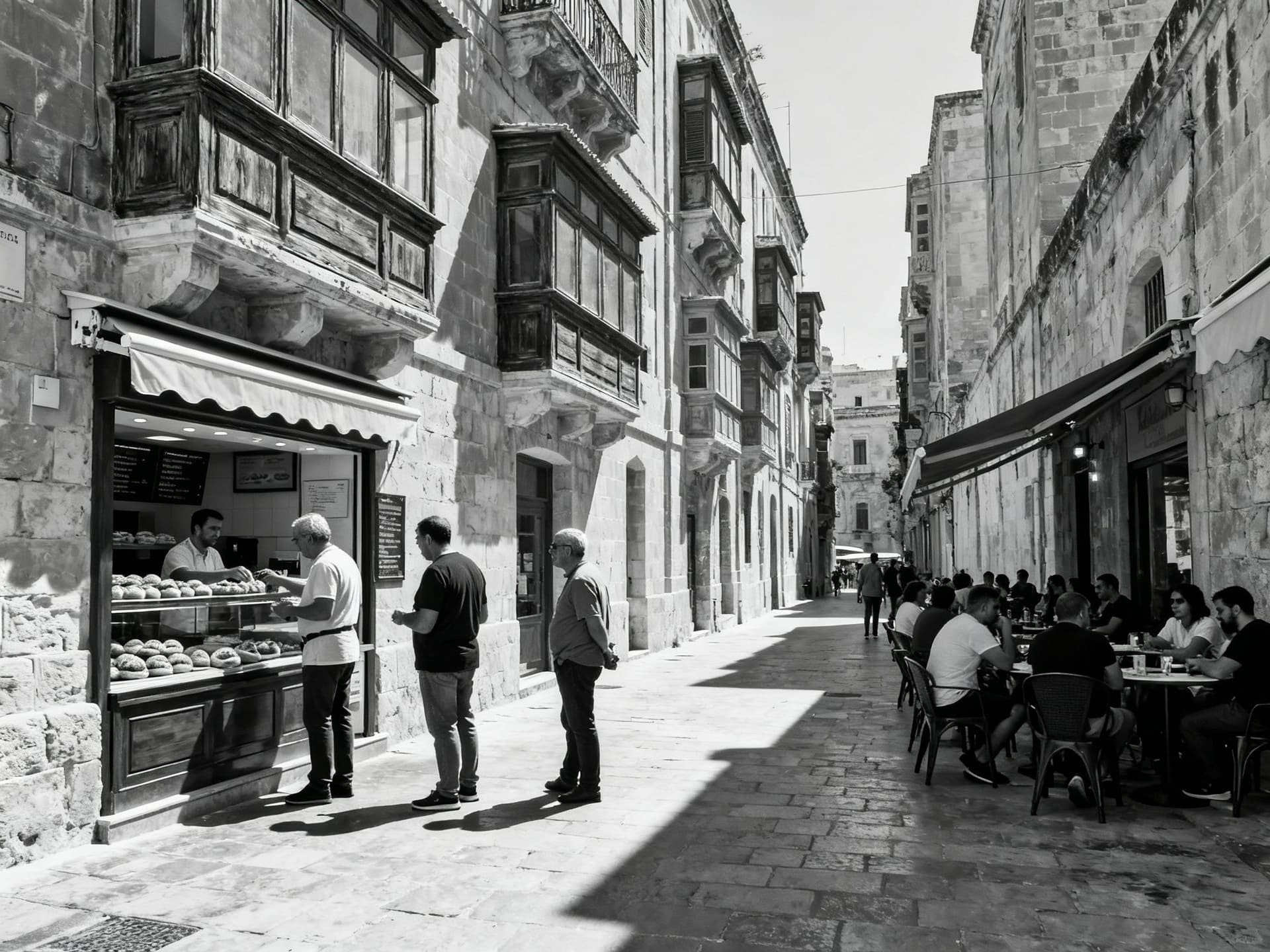
Life in Malta is organised around micro‑neighbourhoods rather than sprawling suburbs. Prices have risen (the NSO RPPI recorded continued growth through 2025), but the lived experience varies wildly street by street — a simple reason international buyers find surprises once they look past the postcards.
Valletta & the historic heart
Valletta is theatrical: fortified bastions, grand baroque facades and a tight, walkable grid. Expect high per‑square‑metre values and heritage quirks — internal courtyards, traditional timber balconies and apartments cut into palazzos. For buyers, that means renovation budgets and patience with planning rules but a daily life dense with culture, waterfront cafés and theatre nights.
Sliema, St Julian’s & coastal daily rhythms
Sliema and St Julian’s are where waterfront promenades meet espresso culture and late‑night dining. Apartments here often deliver the easiest rental demand and instant neighbourhood life — promenade walks, ferries to Valletta and a steady stream of cafés and restaurants. Expect higher asking prices but predictable urban comforts.
- Lifestyle highlights: Valletta opera nights, Sliema promenade walks, Gzira waterfront cafés, Marsaxlokk Sunday fish market, rugged Gozo beaches and village festas.
Making the move: how lifestyle choices shape property decisions
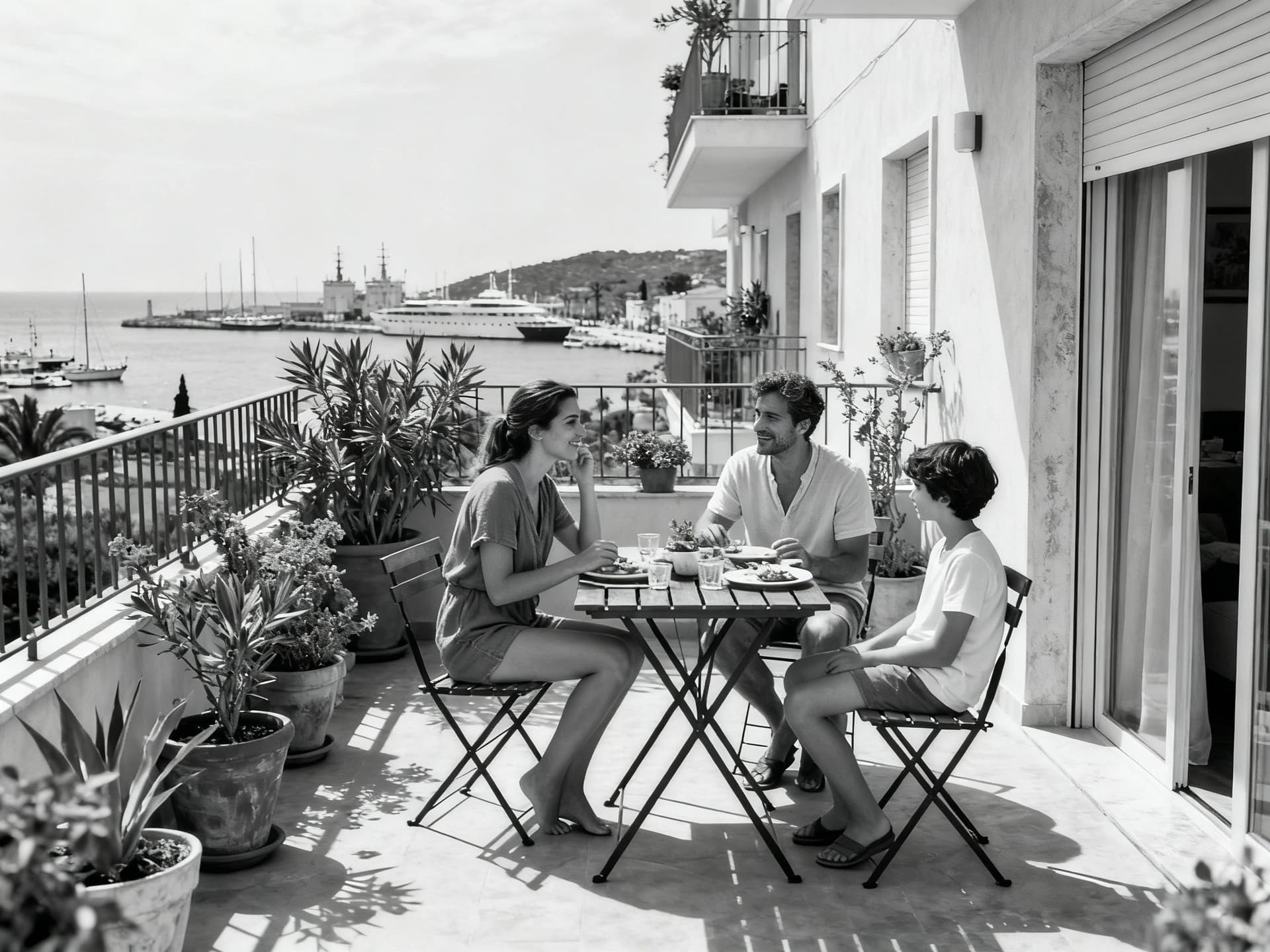
Your lifestyle brief — daily walks, proximity to cafés, terrace size, or a short commute to international schools — will determine not only where you look but what you can legally buy. Malta’s property market is compact and regulated: non‑EU buyers often need an Acquisition of Immovable Property (AIP) permit unless buying in Special Designated Areas. Recent deed volumes show continued activity, which means competition for well‑located homes.
Property types that match Maltese life
Three common choices dominate: restored historic apartments (courtyards, high ceilings), contemporary waterfront flats (open plans, balconies), and village houses on Gozo (gardens, calm). Each supports different routines: terrace breakfasts in Valletta, promenade evening walks in Sliema, or slower village markets in Gozo.
How local agents translate lifestyle into property search
- 1. Start with a street list: identify 6–8 streets that match your daily needs, not just areas. 2. Prioritise walk tests: visit at peak and off‑peak hours to feel noise, light and market life. 3. Check permit exposure: confirm whether a property requires an AIP permit for your nationality before offers. 4. Budget for practical upgrades: historic properties often need structural or insulation work. 5. Match rental demand: if you plan to rent, prioritise Sliema/St Julian’s for short‑term demand and Valletta for high‑end heritage lets.
Insider knowledge: what expats wish they’d known
Buyers tell a consistent story: the island’s scale amplifies small choices. A 5‑minute walk becomes non‑negotiable when parking is scarce or when a favourite café anchors your week. Price indices confirm steady growth, but that growth is uneven — Gozo and southern districts can offer relative value compared with Northern Harbour hotspots.
Cultural fit: language, festa calendars and neighbourliness
English is an official language and widely used in business, which flattens the integration curve for many buyers. Yet social life follows local rhythms: weeknight festas, late lunches and strong neighbour networks. Embrace local events — they’ll teach you who keeps what hours and where community life happens.
Practical long view: maintenance, planning and absorption
Expect steady demand and occasional development spikes. Plan for higher maintenance on older properties, and check planning rules for heritage sites. Use a local solicitor and agent who can explain Title checks, planning histories and projected permit timelines — the market rewards those who verify before they offer.
- Red flags to watch: required AIP permits for non‑EU nationals; unclear renovation permissions for heritage façades; absentee ownership clusters in some new developments; mismatch between advertised and measured floor areas.
If Malta matters to you, start with a life test: spend seven days living in the neighbourhood you target, use local cafés as your office, and talk to neighbours. Then bring in local professionals to check title, AIP exposure and renovation costs. Malta’s compactness makes due diligence efficient — and decisive.
Conclusion: Malta sells a compact Mediterranean life — terraces, markets, festas and easy English — alongside a property market that rewards street‑level knowledge. Prices have climbed, but there are neighbourhood bargains if you look past the postcard. Work with an agent who knows which streets deliver the lifestyle you want and a lawyer who knows AIP traps. Do the living test first; verify the permit and title second; then act.
Swedish expat who moved from Stockholm to Marbella in 2018. Specializes in cross-border legal navigation and residency considerations for Scandinavian buyers.