Why Malta's 'Seaside Premium' Often Misleads Buyers
Malta's postcard seafronts attract buyers—but NSO data and residency changes show better value often lies on quieter streets with true daily-life amenities.
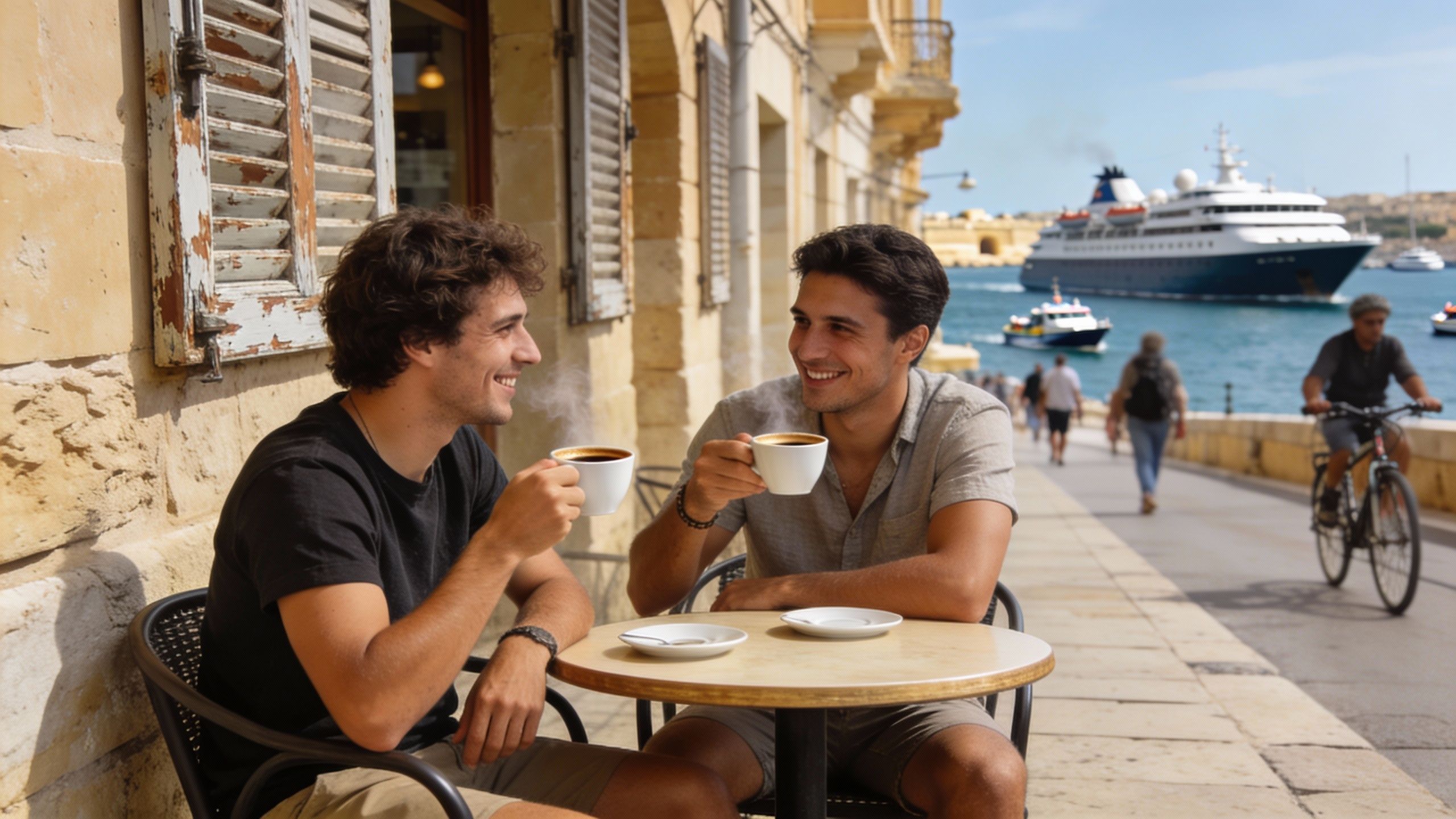
Imagine a late‑morning espresso at Caffe Berry in Sliema, then a ten‑minute walk across a limestone street to a sea‑facing promenade where families fish and yoga groups gather. That compactness—historic lanes, pocket beaches and a 24/7 café culture—is Malta's real appeal. But the island's charm masks a stronger truth: the premium buyers pay for a postcard view often overlooks quieter streets that deliver better daily life and longer‑term value.
Living the Malta Lifestyle
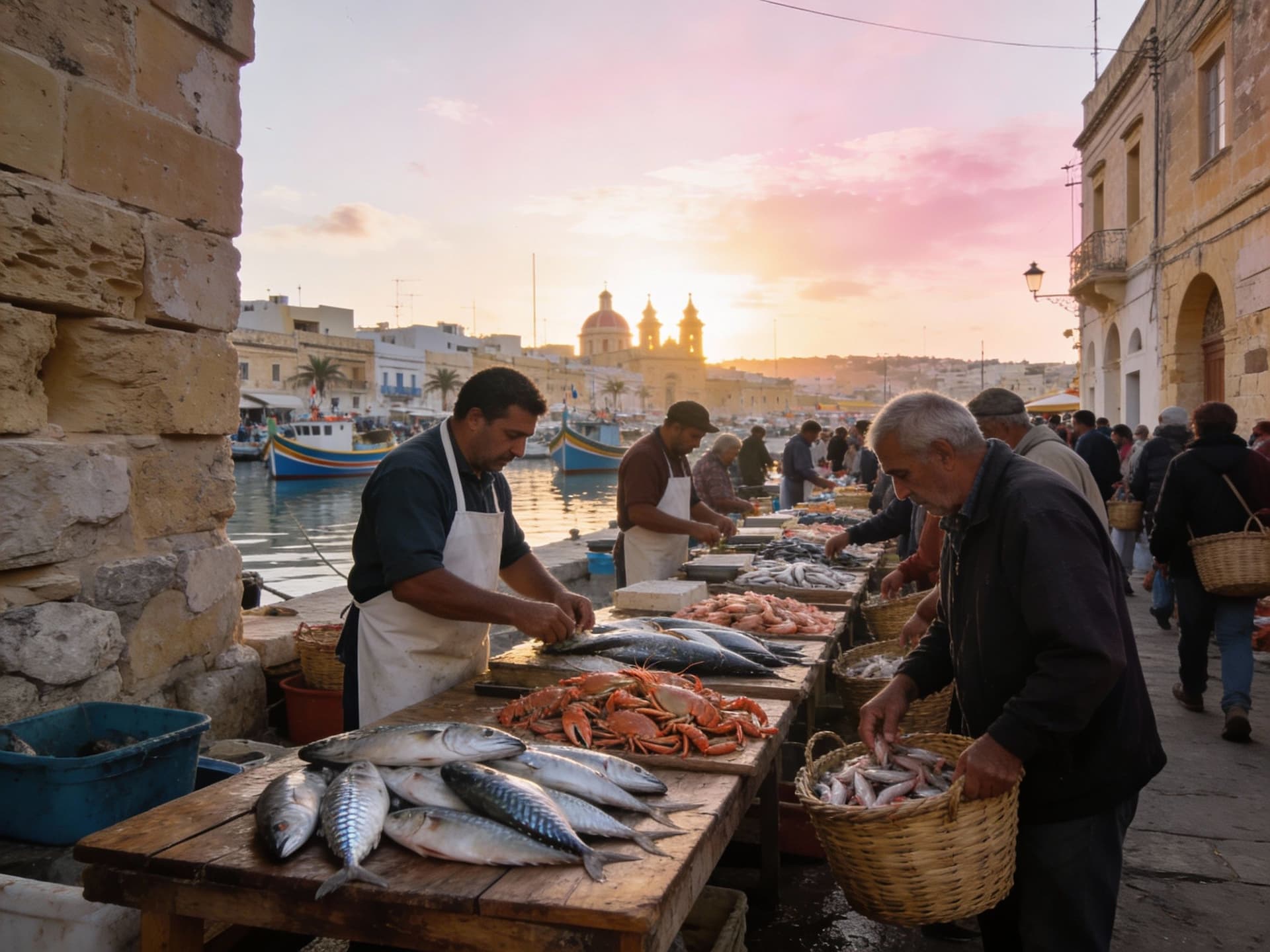
Malta is compact and worn‑in: narrow alleys, baroque facades, and terraces stacked over the sea. Days move in pulses—market mornings, siesta‑like quiet between 14:00–16:00 in smaller towns, and late dinners that carry into the night in St Julian's. English is widely spoken, which lowers the friction for newcomers. Expect Mediterranean rhythms rather than fixed schedules: life is social, public, and lived outdoors whenever the sun permits.
Neighbourhood spotlight: Valletta, Sliema, St Julian's
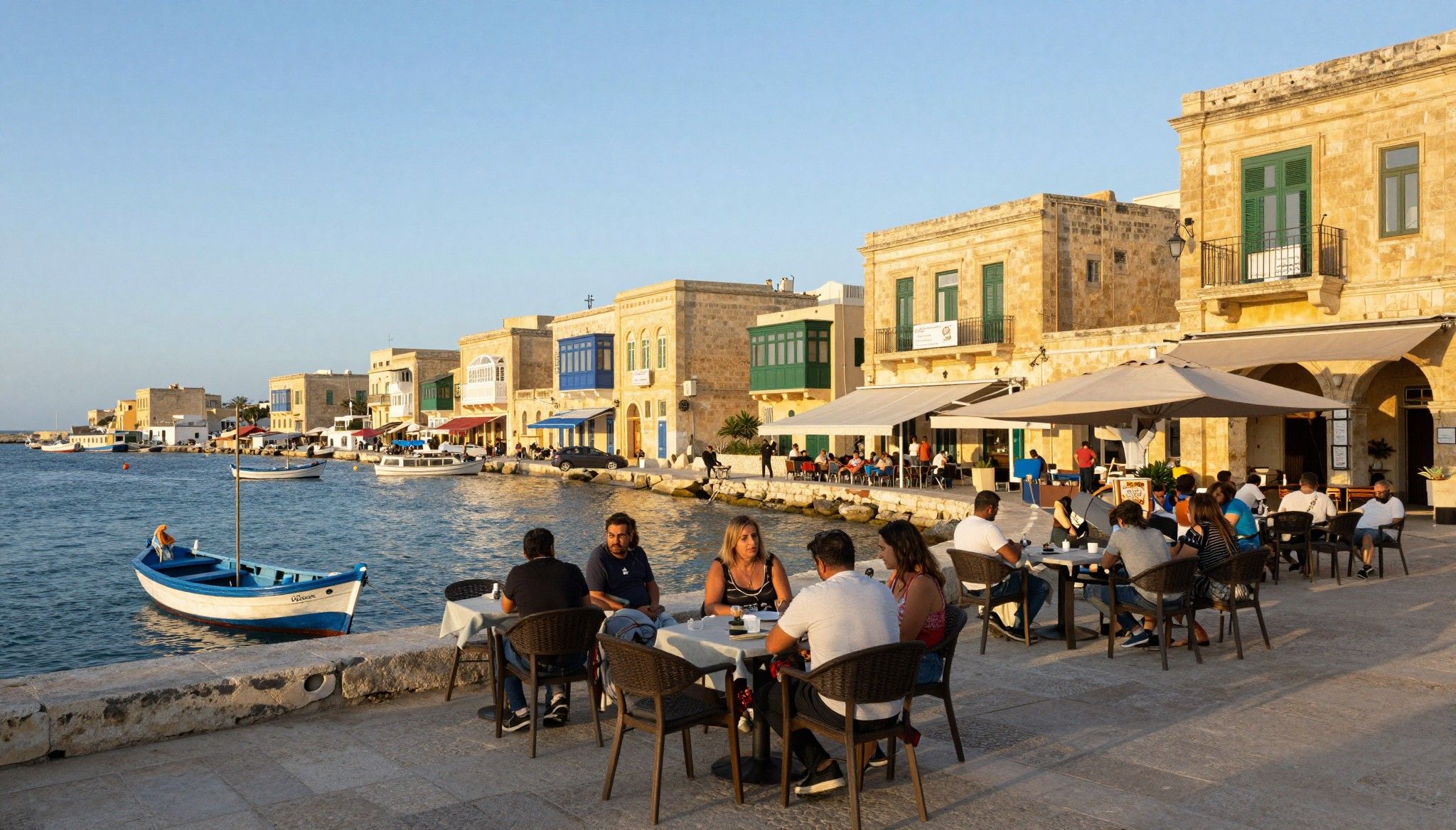
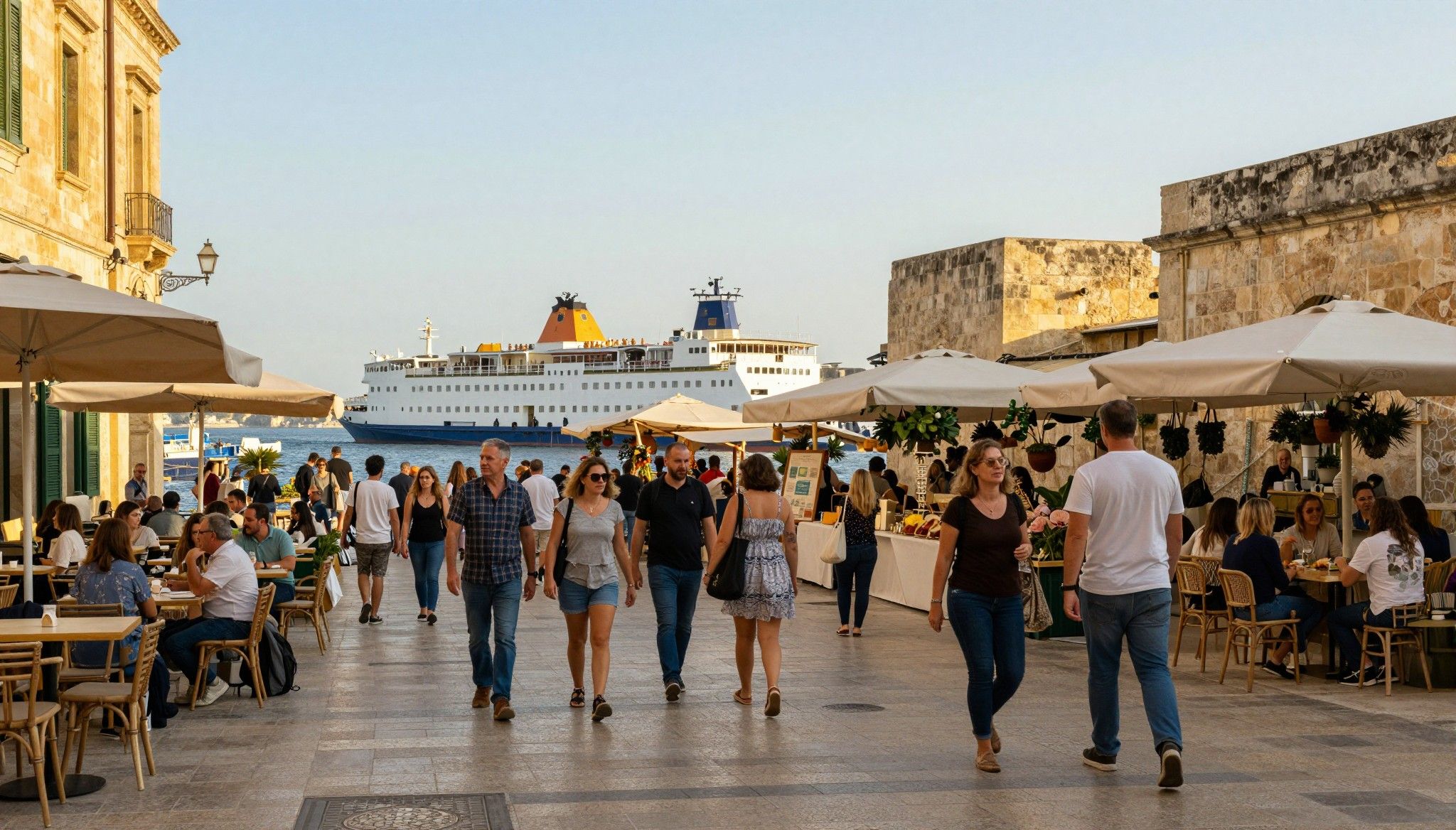
Valletta offers stone theatres, quiet courtyards and a heritage mood—good for buyers who prize architecture and a short commute to government institutions. Sliema and Tigné Point are the island's daily‑life hubs: bakeries, waterfront walks, and frequent ferries to Valletta. St Julian's and Paceville are lively at night and attract short‑term rentals; they deliver income potential but also noise and higher management needs.
Food, markets and weekend life
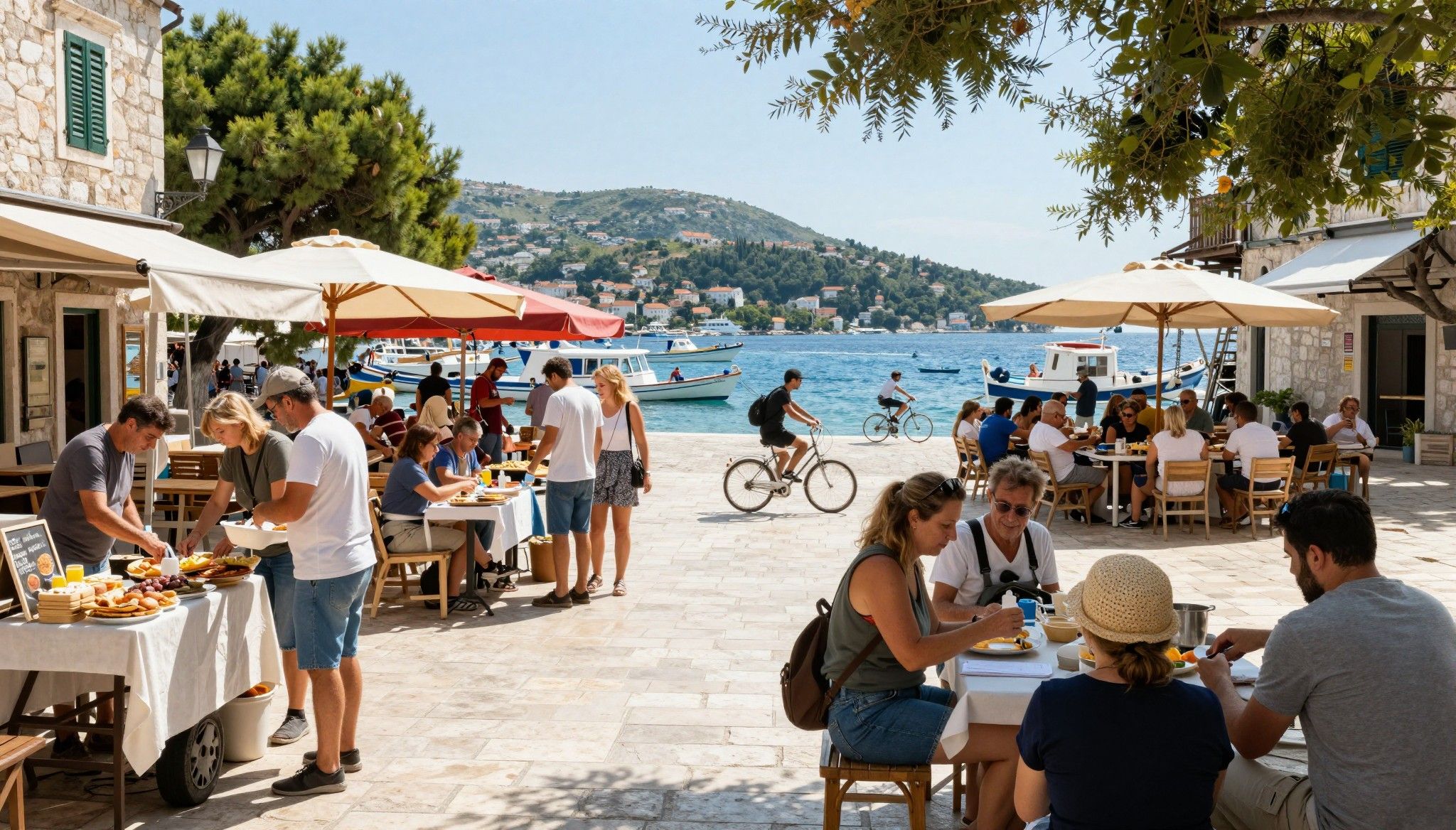
Weekends in Mellieħa mean beach breakfasts and slow swims; in Marsaxlokk, it's fish markets where the day begins at dawn. Small trattorias serve lampuki pie and ftira; specialty coffee shops cluster along Tower Road in Sliema. For buyers, proximity to markets and a short walk to outdoor dining often matters more than a sea view when it comes to everyday satisfaction.
- Lifestyle highlights: Valletta theatre nights, Sliema promenade cafés, Marsaxlokk Sunday fish market, Blue Lagoon day trips from Ħondoq ir‑Rummien, community fêtes in Rabat.
Making the Move: Practical Considerations

Dreams meet numbers quickly in Malta. The Residential Property Price Index shows continued annual rises—buyers should expect price momentum, not sudden bargains. Recent reforms to the Malta Permanent Residence Programme (MPRP) also change demand dynamics: clearer residency paths can push interest in qualifying properties but also open rental flexibility for owners who buy to let.
Property styles and what they mean for daily life
Stone‑built townhouses and maisonettes come with character: thick walls, small windows, and cool interiors in summer. Modern flats deliver amenities and easier management but often sit in denser blocks. Terraced homes with courtyards are rare and prized—if you value outdoor privacy, prioritise a garden or roof terrace over an uninterrupted sea view.
Working with local experts who know the lifestyle
- 1. Choose an agent with street‑level knowledge: they will point you to quieter lanes that suit daily routines rather than just waterfront listings. 2. Ask for recent RPPI comparisons by district to understand micro‑price moves. 3. Insist on a building inspection focused on damp, terraces and AV systems—climate and old stone matter. 4. Confirm rental licensing rules if you plan short lets; some central areas carry restrictions. 5. Factor in management costs: cleaning, local taxes and agents’ commissions can halve headline yields. 6. Don’t pay extra for a panoramic view unless it directly improves your life—shade, wind and access matter more than a horizon.
Insider Knowledge: What Expats Wish They'd Known
Many expats arrive expecting a seamless European gateway via citizenship programmes; recent EU rulings have closed those routes. That reality changes buyer profiles: expect more long‑stay residents and fewer speculative passport buyers. The upside is a steadier community, the downside is sustained price pressure in popular districts.
Cultural integration and everyday practicalities
Language rarely blocks integration—English is official alongside Maltese. Social life flows through neighbourhood cafés, festa evenings and volunteering at local clubs. Still, informal networks—building committees, parish councils, and flat owners’ associations—control many small decisions. Learn who makes them before you buy.
Long‑term lifestyle and value considerations
Choose streets where residents can live simply—near bakeries, a small grocery, and reliable transport links. Those micro conveniences often preserve value better than proximity to seasonal beaches. Expect steady appreciation in central nodes, but superior long‑term returns frequently come from under‑loved neighbourhoods with strong local infrastructure.
- Red flags to watch for: opaque titles on converted garages, overly aggressive short‑let marketing in the building, signs of rising damp on stone façades, unclear roof‑access rights, and promised finishing standards that lack specification.
If Malta appeals, start local and sensory: spend mornings on the streets you might live on, speak to neighbours, and check evening sound levels. Combine that with hard data—use the NSO RPPI by quarter and district—and verify residency rules in 2025 that may affect demand for qualifying properties. That blended approach—feeling the life, then confirming the numbers—keeps choices realistic and durable.
- 1. Visit for at least a week, sample mornings and late nights. 2. Get RPPI and district‑level trend tables from NSO. 3. Use a licensed Maltese agent with strong street knowledge. 4. Commission a building survey and check roof/terrace rights. 5. Confirm residency/residence programme criteria if that influences purchase.
Malta sells a Mediterranean life in small, deliverable increments: a bakery on your corner, a harbour you can walk to, neighbours you recognise. For the international buyer, the highest return is often found where daily life is easiest—not necessarily where the postcard hangs. Start with streets that mirror how you want to live; the market and the agencies will follow.
Swedish expat who moved from Stockholm to Marbella in 2018. Specializes in cross-border legal navigation and residency considerations for Scandinavian buyers.