Buyers' Surprise: Where France’s Urban Value Hides
France’s urban value often hides a few streets from headline prices; prioritise daily rhythms and local records to match lifestyle with long‑term value.
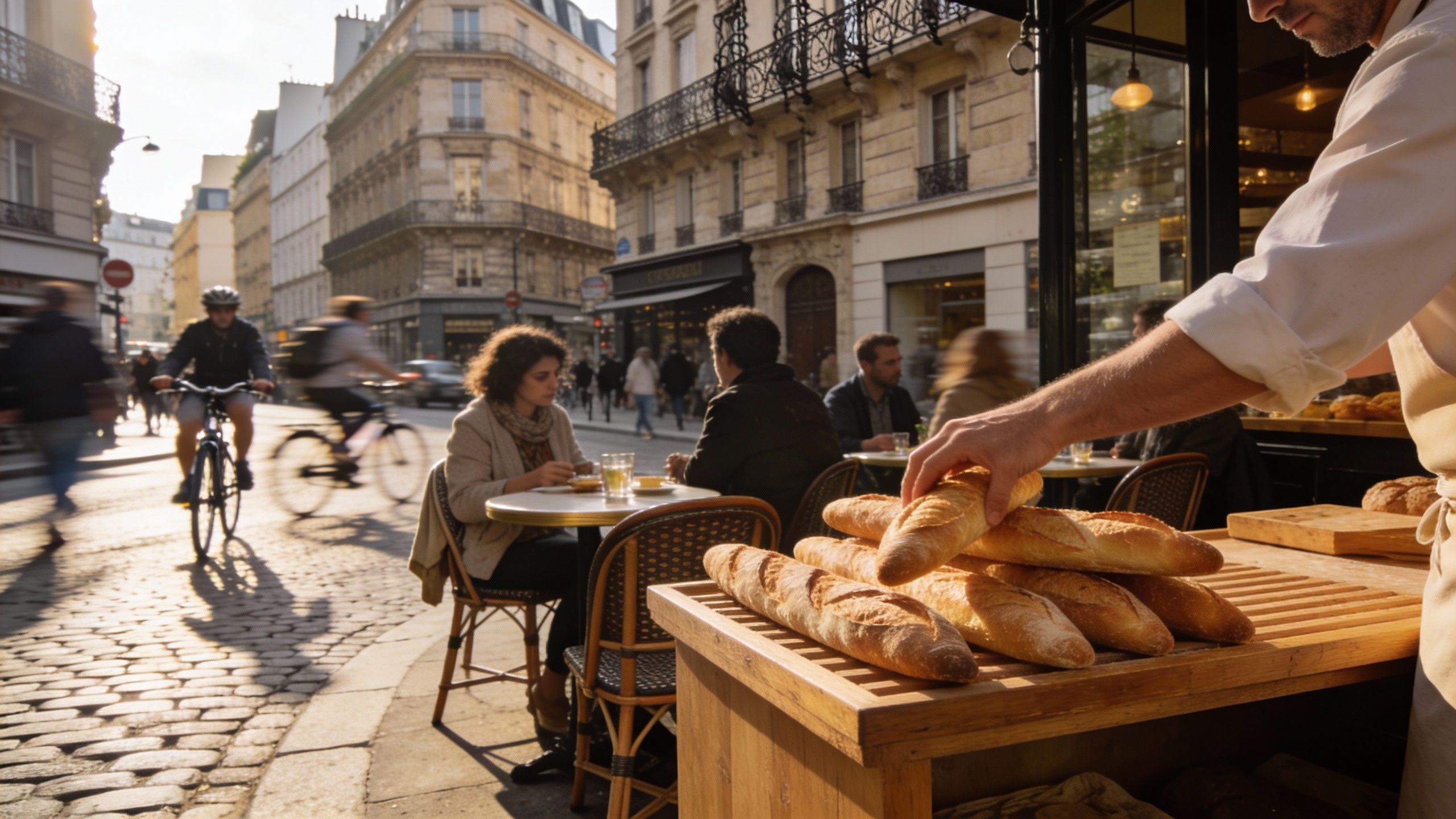
Imagine starting your day with an espresso on Rue Montorgueil, then an afternoon of weekend markets in Lyon’s Croix‑Rousse and an evening of oysters on a Nice terrace. France’s urban hubs are not a single lifestyle — they are a string of very different daily rhythms, each with its own streets, smells and schedules. For many international buyers, the surprise is not that France is beautiful, but that value and lifestyle rarely sit in the same postcode.
Living the French Urban Life
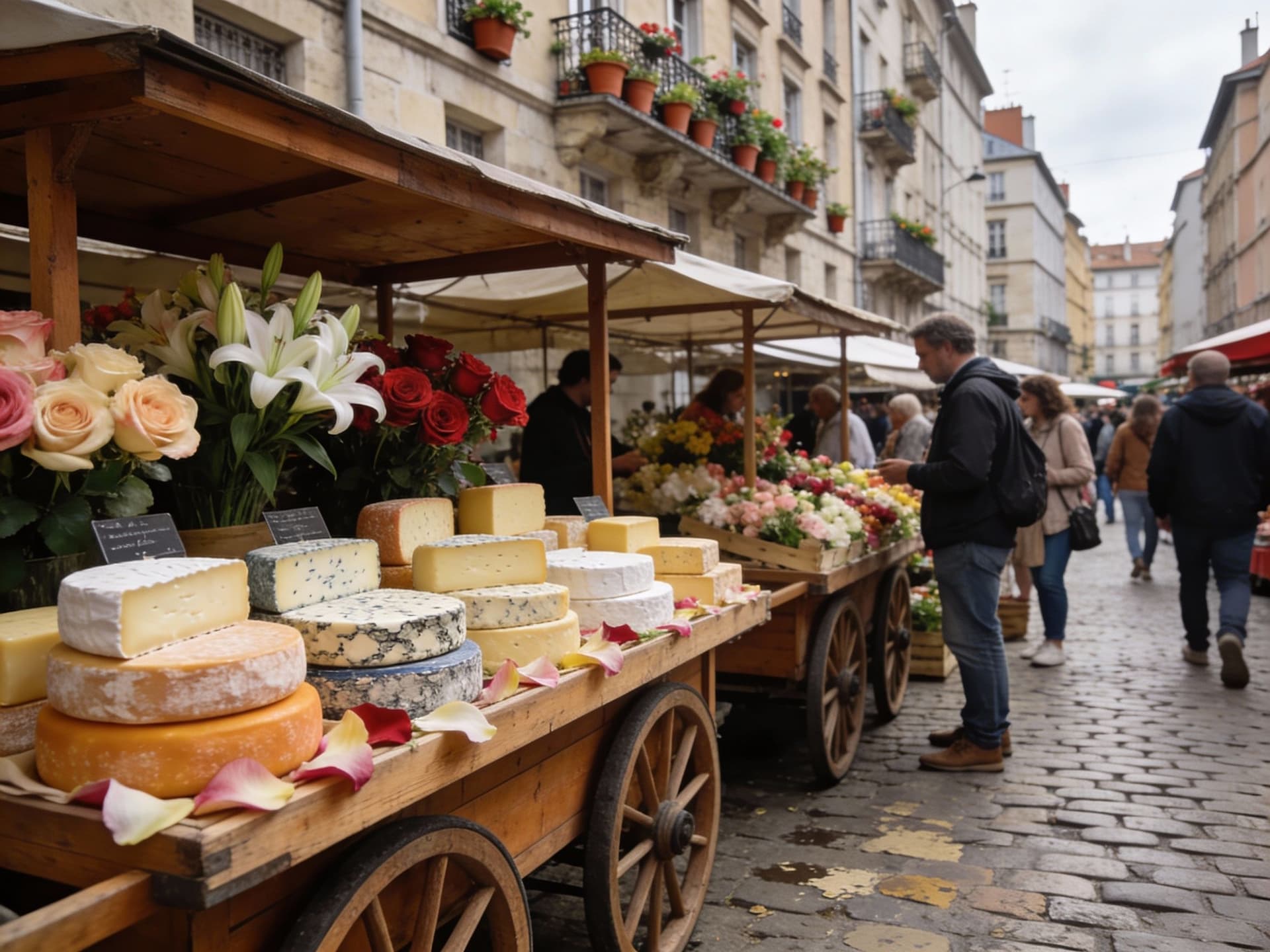
City living in France balances ritual and efficiency: quick café breakfasts, efficient metro runs, late dinners and a surprising amount of nearby green. Paris hums with layered rituals — morning boulangeries on Rue de Bretagne, aperitifs on Canal Saint‑Martin. Lyon folds culinary seriousness into everyday life; Toulouse and Nantes offer quieter, slower city centers that still host vibrant markets and compact historic quarters. Each hub demands different property priorities: noise insulation in Paris, storage and outdoor space in Marseille, and thermal performance in Alpine towns.
Paris: Tight, textured, endlessly varied
Paris is a patchwork. A rue in the 10th and a square in the 16th deliver different life rhythms and very different price dynamics. Expect morning bakeries, bike deliveries and late‑night jazz; accept smaller footprints and higher per‑m2 prices. Recent data show Paris remains expensive, but transaction volumes and neighbourhood-level shifts mean opportunity for buyers who prioritise walkability and immediate cultural life over large living rooms.
Provincial hubs: Lyon, Nantes, Bordeaux — urban life without the premium
If you want urban amenities with a clearer value proposition, look beyond Île‑de‑France. INSEE reported a national rebound in Q1 2025, with provincial flats and houses posting modest gains while Paris stayed structurally pricier. Cities such as Lyon, Bordeaux and Nantes combine strong dining scenes, good international rail links and more favourable square‑metre economics than central Paris.
- Lifestyle highlights
- Morning: Coffee at Café de la Presse (Lyon) or a market stroll at Marché des Enfants Rouges (Paris).
- Afternoon: Riverbank walks along the Garonne in Bordeaux or cycle routes beside the Seine in Rouen.
- Evening: Seafood plates in Nice’s Old Port or a jazz set in Paris’s 11th arrondissement.
Making the Move: Practical Considerations

Lifestyle matters must meet market realities. Recent quarterly data show periods of stability interspersed with small rebounds; this means timing is less about perfect forecasts and more about matching rate sensitivity, loan terms and personal flexibility. Urban purchases often carry extra running costs: syndic fees in shared buildings, local taxes and stricter rental rules in tourist zones.
Property types that suit city life
In Paris, compact flats with well‑designed circulation and storage outperform larger poorly planned units. In provincial hubs, look for apartments with terraces or townhouses with courtyards. Resale stone buildings offer charm but check thermal performance; new builds bring insulation and lower running costs but are often at a premium near transport nodes.
Working with local experts who understand lifestyle fit
Choose agents who live the neighbourhood — not those who market it. Good local agencies advise on daily routines (where the markets are, school runs, bin days), building management nuances and off‑market opportunities. Their value is not sales spin but local rules of thumb: which streets are quiet at night, which periods favour negotiations, and which copropriétés have disciplined reserves.
- Steps that blend lifestyle and practicality
- 1. Spend three different dayparts in the neighbourhood (morning, afternoon, evening).
- 2. Ask the agent for recent syndic minutes and a copy of building reserves before viewing.
- 3. Model running costs: heating, water, syndic and local taxe foncière/habitation differences.
Insider Knowledge: What Expats Wish They'd Known
Real self‑assessment beats romantic lists. Expats who arrive expecting a single French lifestyle often choose wrong streets. The better approach is to prioritise daily routines: where you will shop, whom you want nearby, and whether you need rail links for frequent returns home. Small trade‑offs — 10 more minutes to the centre for a balcony, a larger kitchen instead of a view — compound into better long‑term satisfaction.
Language, community and social shape where you buy
French-speaking neighbours accelerate integration. In some provincial cities, active expatriate meetups exist, but daily life — schools, doctors, local bureaucracy — is easier where you can manage basic French. Prioritise neighbourhoods with international schools or active expat networks only if those services match your long‑term needs rather than short‑term comfort.
Longer view: resale and lifestyle durability
Data show that French markets move slowly. A considered purchase — right street, solid building, reasonable pricing — tends to preserve value. If your plan is both home and investment, choose neighbourhoods with diversified demand: students and professionals, tourists and local buyers. That mix supports liquidity through cycles.
- Red flags local buyers watch for
- Unpaid syndic charges, unusual servitude clauses, energy class G without clear upgrade plan, and buildings with repeated work orders.
- Neighbourhoods overrun by short‑term rentals where community life is eroded and future regulations may tighten.
Conclusion: Fall for the life, then confirm the facts. Begin with streets that match your daily rhythms. Use local agents as ethnographers of the neighbourhood, not as salespeople. Check recent INSEE and notaire data, demand building records, and spend time in the area across seasons. If lifestyle and due diligence align, France’s urban hubs repay patience with reliable, richly lived returns.
Norwegian market analyst who serves Nordic buyers with transparent pricing and risk assessment. Specializes in residency rules and tax implications.