France: Buy the Street, Not the Average
Forget city averages. Fall for the street: how France’s urban rhythms, micro‑neighbourhoods and notaire-led process change where and when international buyers should buy.
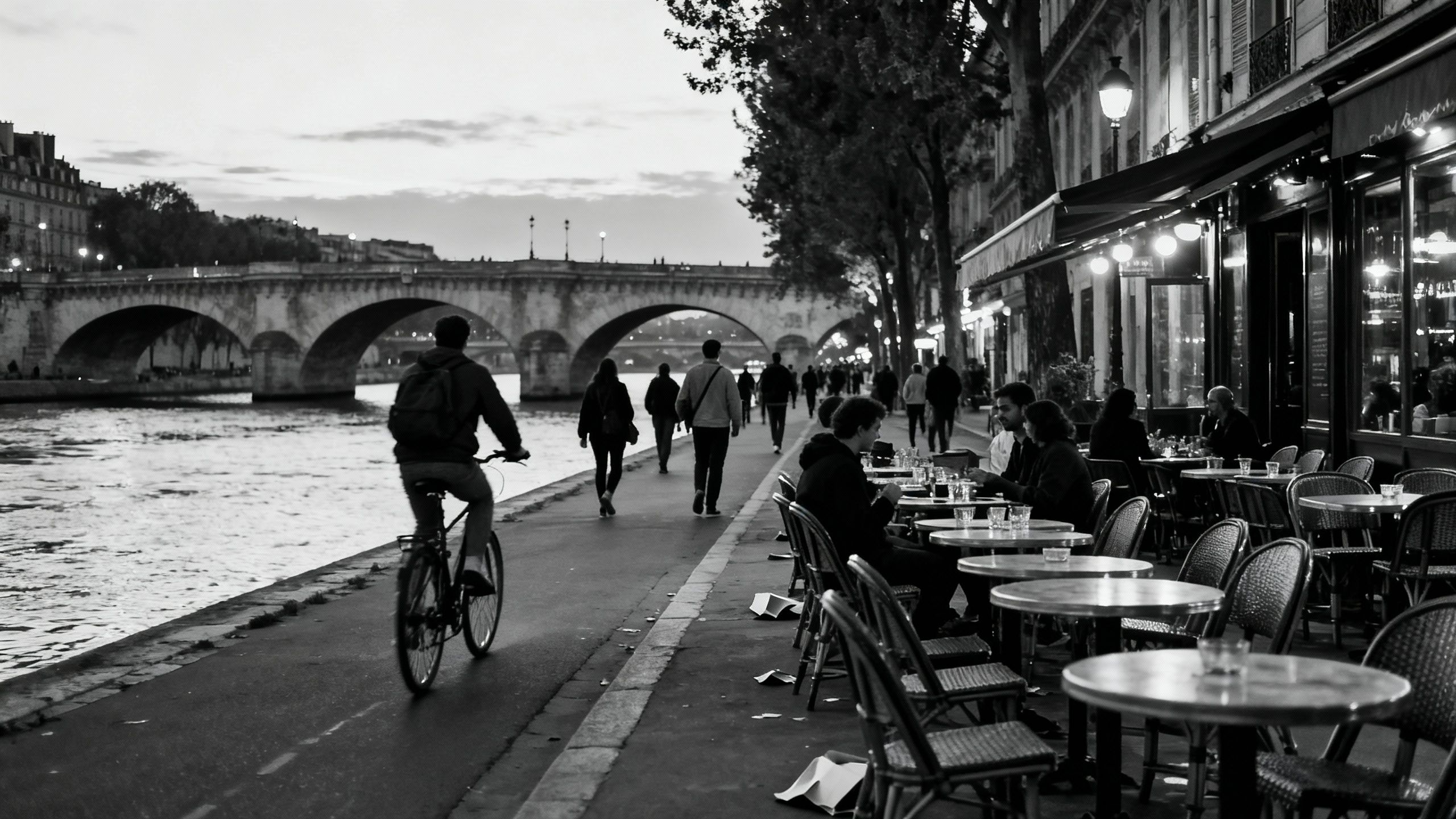
Imagine wandering down Rue des Rosiers at noon, espresso steaming in hand, then crossing the Seine at dusk to a quiet Île-Saint-Louis terrace where neighbours argue pleasantly about the best fromage. That sensory contrast—markets, narrow streets, river light—explains why buyers come from abroad and stay. But life in France’s urban hubs is not a postcard; it is textured, seasonal and governed by rules that shape which streets feel like home and which feel like investments.
Living the French Urban Rhythm
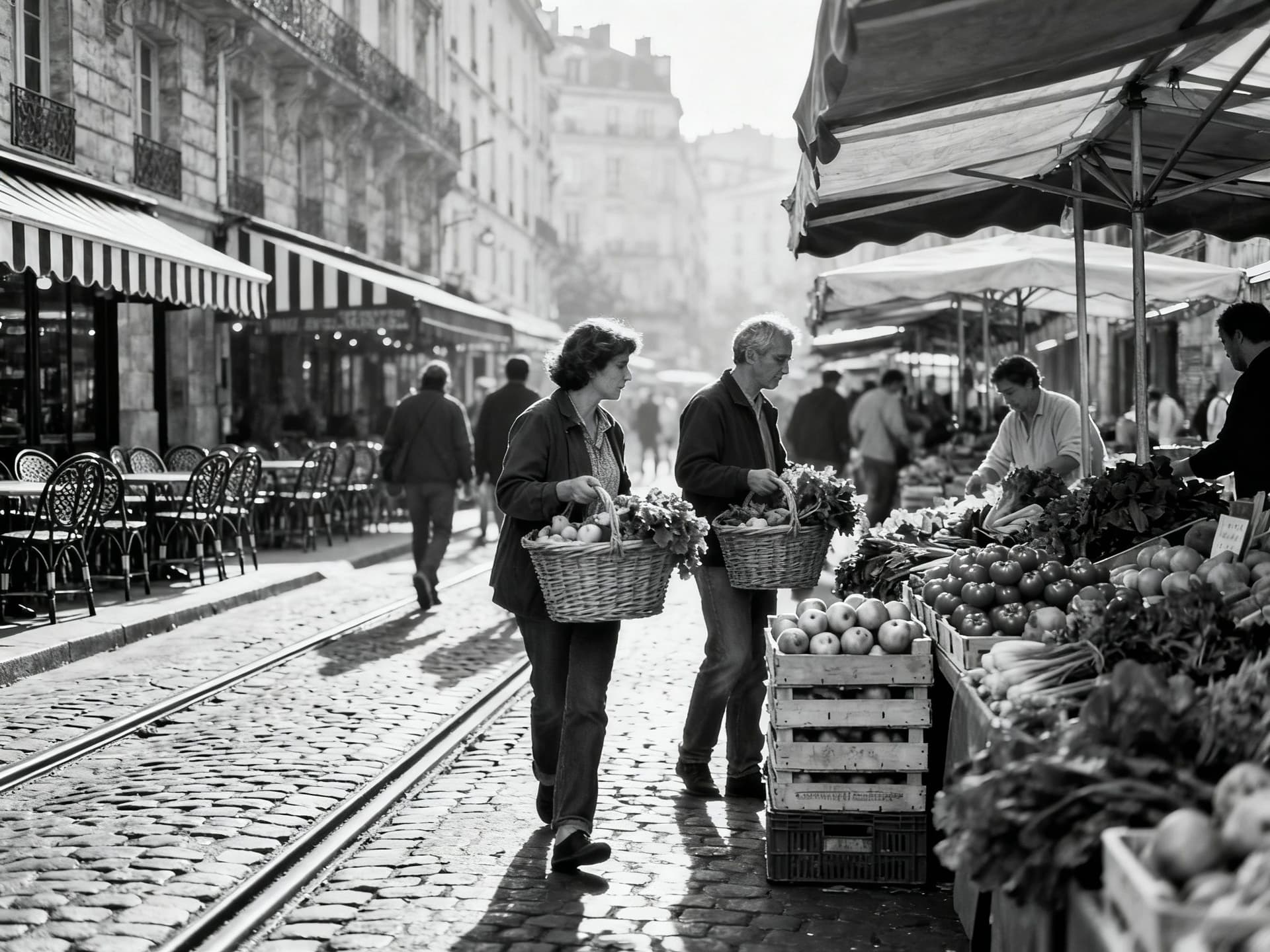
French cities pulse differently from morning markets to late-night bistros. In Paris the rhythm is curated—morning boulangeries, lunchtime terraces, evening theatre—while Lyon balances provincial ease with culinary seriousness and Marseille keeps the Mediterranean tempo: late lunches, open-air markets and sea-breezed promenades. Understanding those daily cadences will change how you compare apartments and streets, and what you prioritise in a property search.
Paris: Arrondissements that live like neighbourhoods
Le Marais and Saint‑Germain feel lived-in: morning markets, second‑hand bookshops and discreet ateliers. Contrast that with the 16th and parts of the 7th where surfaces, formality and gardens give a quieter, more insulated daily life. Prices vary within arrondissements; a rue can outperform the next block. Recent notaire reports put Paris apartment prices around €9,500–€9,700/m² in 2025, but that average masks block‑by‑block differences. Use local price indexes when comparing specific streets.
Lyon and Marseille: scaled alternatives to Paris
Lyon’s Presqu’île and Croix‑Rousse trade Parisian crowding for walkable streets, daily markets and easier access to services. Marseille pairs port energy with seaside neighbourhoods such as Le Panier or Prado that suit different lives: gritty creatives or relaxed villa owners. If you want a café on your corner and the sort of market you will make a weekly habit of, cities outside Paris often deliver more affordable street-level life.
- Lifestyle highlights to scout on a visit
- Marché des Enfants Rouges (Paris) — morning produce, small producers and people-watching
- Rue Mercière (Lyon) — terraces and local bouchons for weekly routines
- Vieux‑Port (Marseille) at sunset — fish markets and waterfront promenades that shape evenings
Making the Move: Practical considerations that preserve the lifestyle
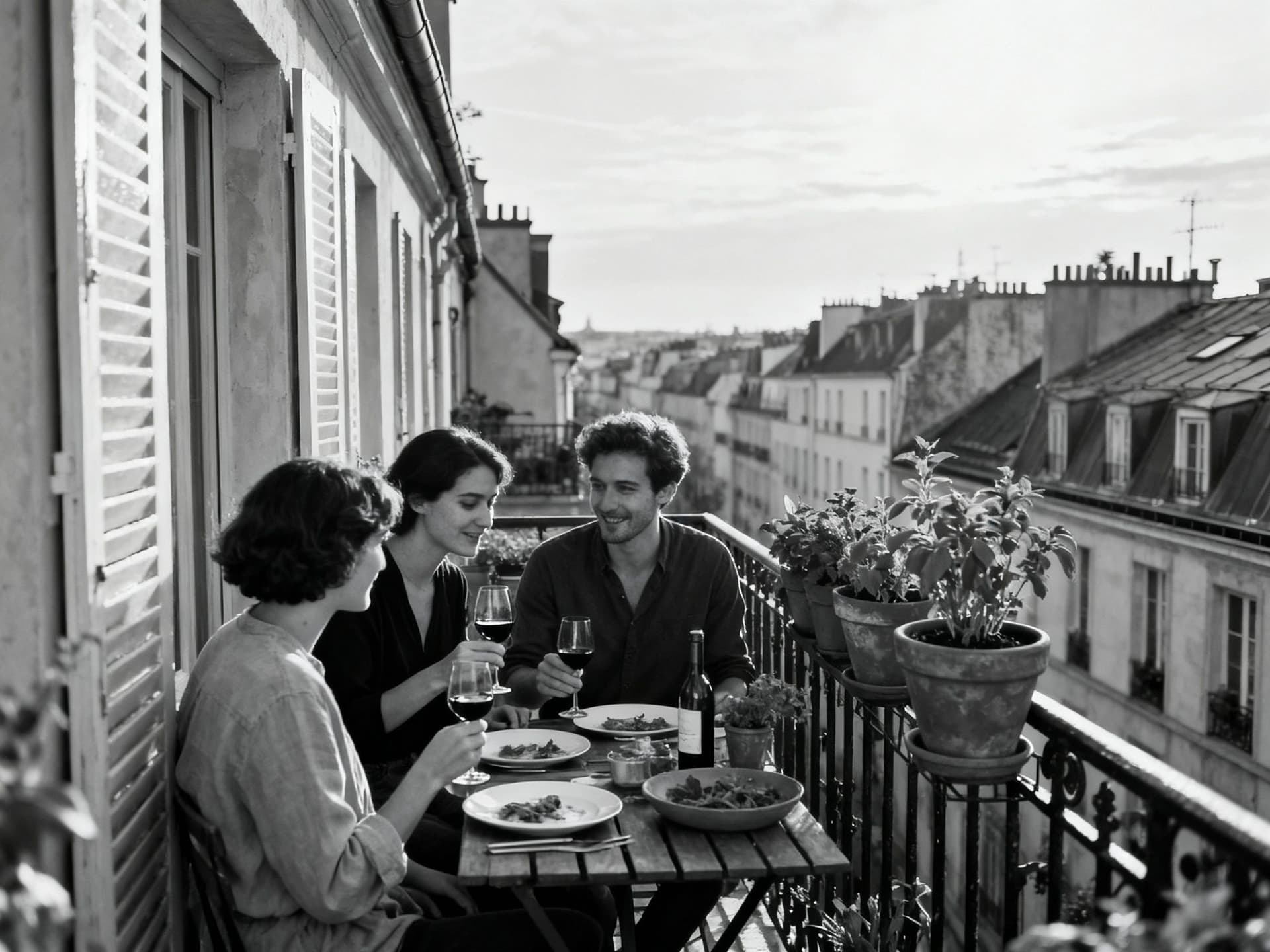
Dreams of terraces and markets must be anchored to local processes. France requires a notaire to complete any sale; that office confirms title, registers encumbrances and handles funds in escrow. Fees shifted in 2025 and can alter transaction economics at the margins; plan for departmental transfer taxes and notarial costs when comparing offers. Market momentum also matters: after a multi-quarter slowdown the national pace began recovering in 2025, so timing of offers should reflect local supply rather than national headlines.
The notaire is legally required and acts as neutral public officer. They hold deposits, check the title chain, verify building rules, and register the deed. Expect a chain of pre‑contracts (promesse or compromis), a cooling period, and then the final acte authentique at the notaire’s office. Choose notaires experienced with international clients and bilingual teams if you don’t read French fluently.
Property types and how they shape everyday life
Haussmann flats bring high ceilings and light but often mean strict copropriété rules and higher charges. Townhouses and maisons in Lyon or Bordeaux offer private gardens but demand more maintenance. New-build (VEFA) gives warranties and energy performance but delays in delivery change living timelines. Match property type to how you actually want to live—host dinners, commute, or keep a pied‑à‑terre—and let that decision guide neighbourhood selection.
- Practical checklist that blends lifestyle and process
- Visit the street at three times of day (market morning, quiet afternoon, evening) and photograph noise, light and street life.
- Ask the notaire for the last three years of copropriété accounts and any planned works—these change monthly charges and quiet enjoyment.
- Check local transport nodes and commuting times—Paris arrondissements vary dramatically block‑to‑block; in regional cities, proximity to the TER line matters.
Insider knowledge: what expats wish they'd known
Expats often underrate seasonal rhythm and overrate averages. Street‑level life changes with seasons—coastal Nice hums in summer but quiets to local routines in winter; Lyon’s food scene peaks around market harvests. Notaire and national indexes show modest price recovery in 2025, but averages hide micro‑opportunities on quieter streets. Listen to neighbours and check transaction volumes on the exact street, not just the city average.
Integration, language and community
French social life has rituals: shared market trips, aperitif invitations and precise opening hours. Learning a few phrases unlocks favours; engaging with the local boulangerie or épicerie accelerates belonging. Expat enclaves exist—Paris’ 16th, parts of Lyon and Nice—but mixing local and international circles produces the most sustainable daily life. Expect integration to take months, not weeks, and budget time for local bureaucracy.
Longer-term considerations
Think five years ahead: will you convert a second bedroom for remote work? Rent in high season or keep as private use? Urban policies, co-ownership rules and building restorations affect resale. Notaires and local agencies can model future charges and likely maintenance events; ask them for three‑ to five‑year budgets when assessing value.
- Red flags to watch on a street-level visit
- Boarded shops and long-term vacancy — may signal decline in footfall rather than temporary churn.
- Unusual smells or stagnant drainage on alleyways — inexpensive to fix but symptomatic of larger building neglect.
- Opaque copropriété minutes or missing accounts — insist on audited statements before contract signature.
If France feels like an orchestral score of street rhythms, your buyer journey should be the conductor. We recommend visiting targeted streets at different times, commissioning a notaire review early, and using an agency with demonstrated on‑the‑ground knowledge of the specific neighbourhood you love. Small differences in block, building and timing change both day‑to‑day life and long‑term value.
Next steps: plan two short, focused visits three months apart. The first visit is sensory—markets, cafés, transport—take notes and photos. The second visit is technical—meet a notaire, review copro accounts, and have a trusted agent compare recent street‑level transactions. Those three checkpoints turn romance into reasoned purchase decisions.
Norwegian market analyst who serves Nordic buyers with transparent pricing and risk assessment. Specializes in residency rules and tax implications.