France’s Urban Hubs: Buy the Street, Not the Headline
France’s urban hubs reward buyers who prioritise street life over headlines—use INSEE and notaire data plus street‑level checks to match lifestyle with price.

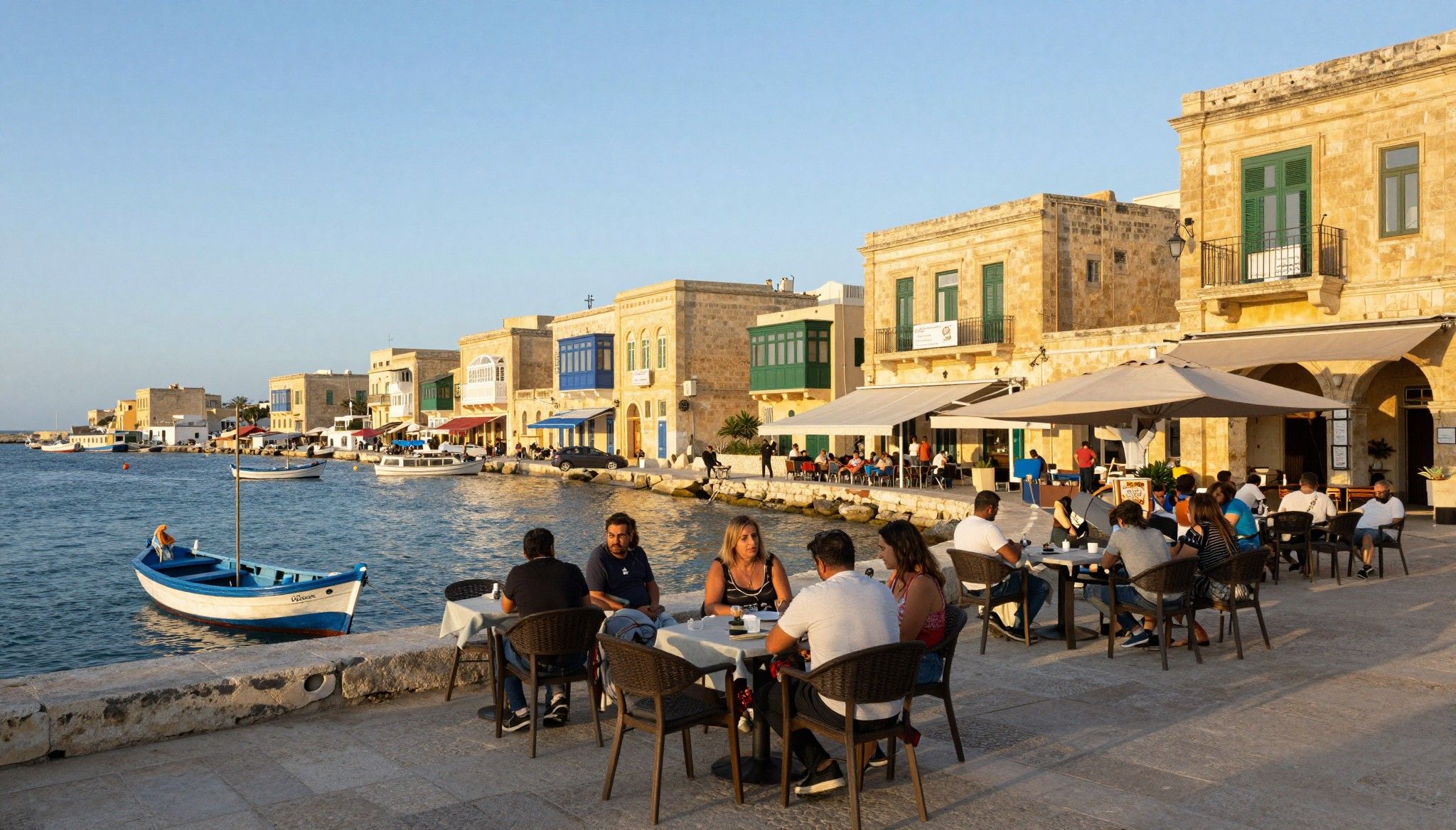
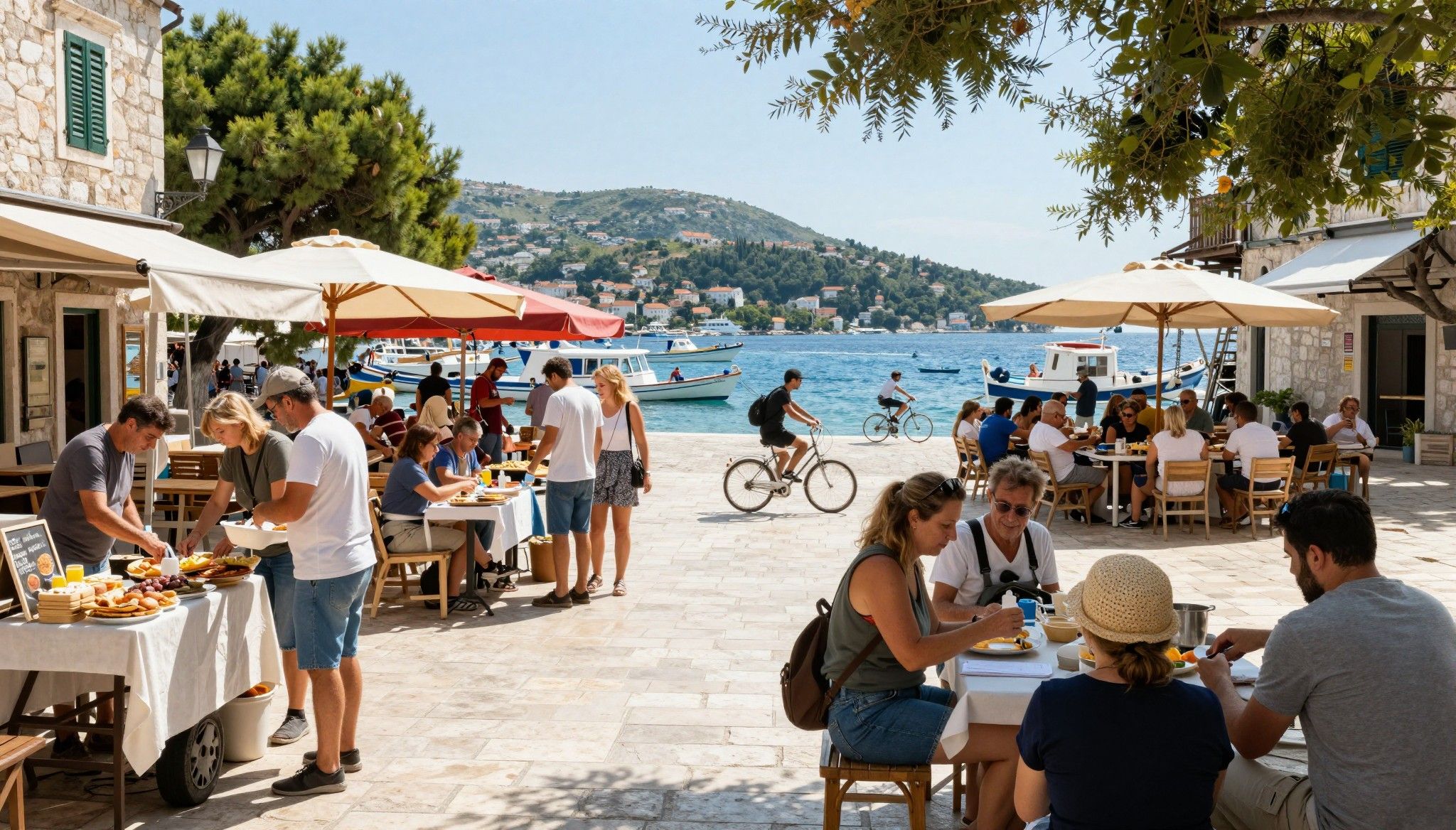
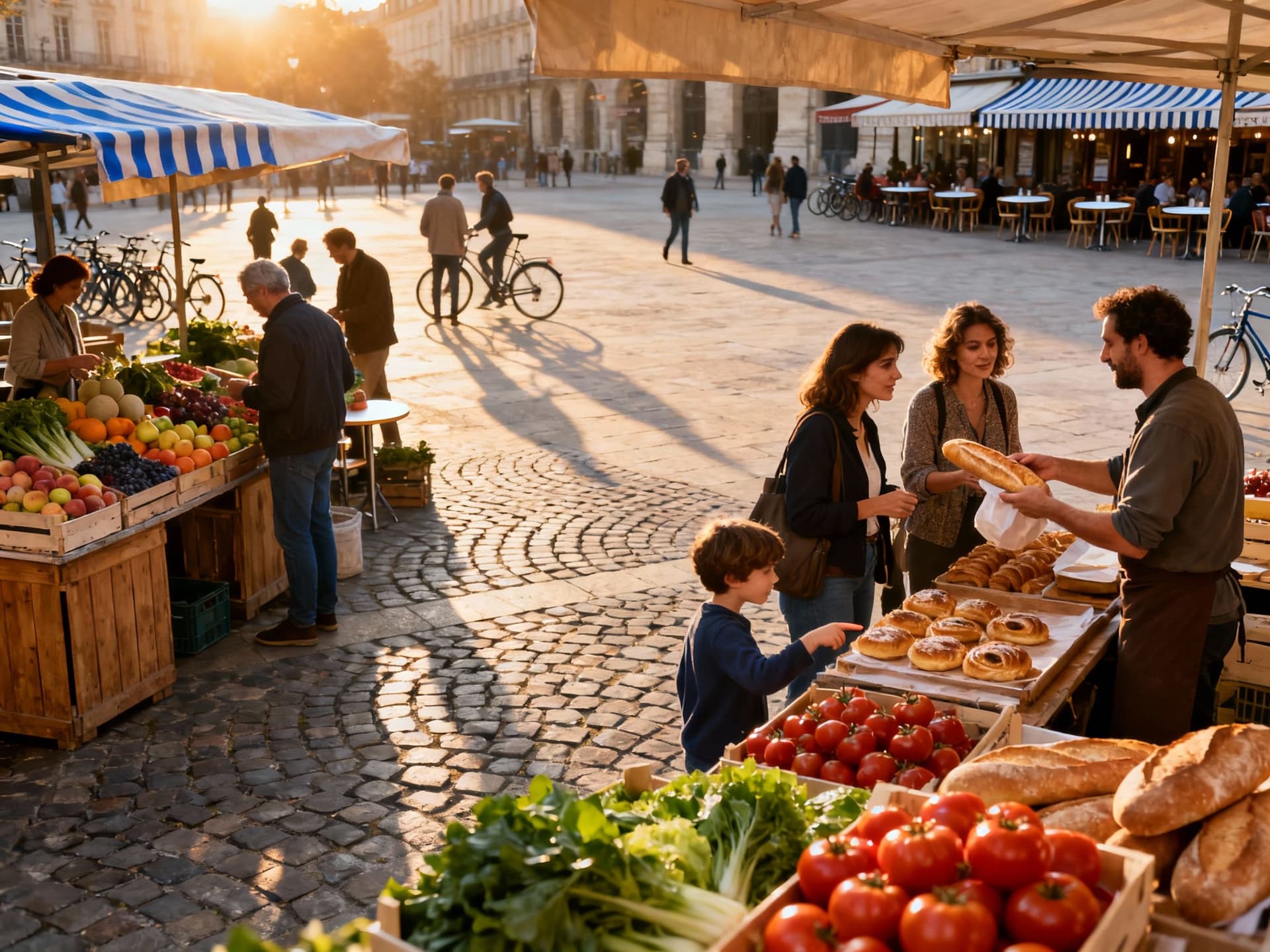
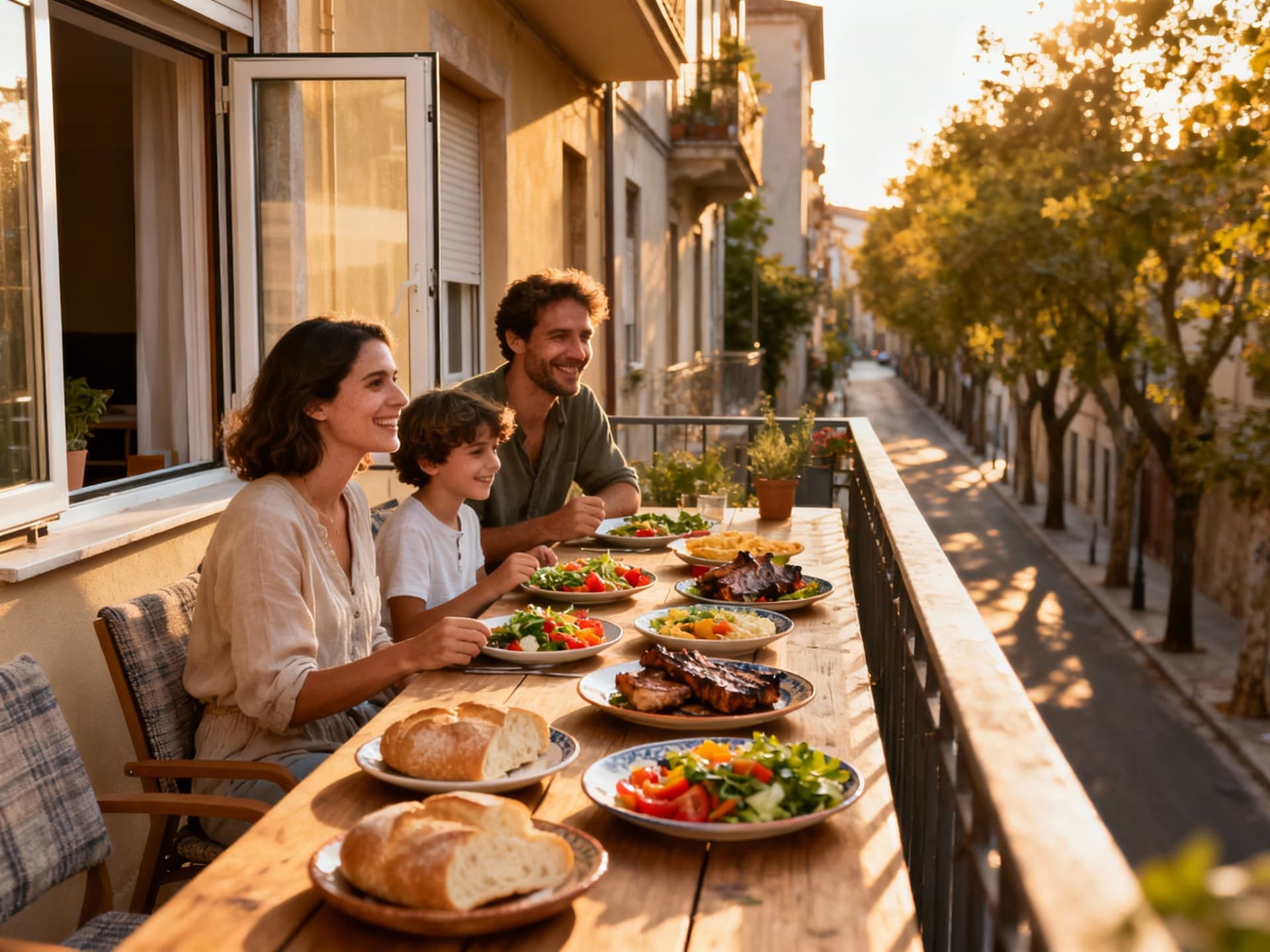
Imagine a Saturday in Lyon: the market on Quai Saint‑Antoine, coffee steamed in a small glass, a boulanger cutting a fresh fougasse. In Marseille a fisherman’s bar keeps its ritual of late‑afternoon aperitifs; in Bordeaux the riverwalk fills with cyclists and child chatter. These are everyday scenes that change how you judge a property — not by square metres alone, but by rhythm, smell and the sound of the street.
Living France: more than a postcard
France feels like a collection of small cities rather than one single identity. Streets matter: Le Marais or the 7th in Paris move at different tempos than Nice’s Promenade or Nantes’ Île de Nantes. Recent national data shows price stabilisation and modest rebound in 2025 — important context for buyers who conflate headline ‘hot’ markets with everywhere. See INSEE’s quarterly summaries for the precise shifts by region.
Neighbourhood pulse: where daily life lives
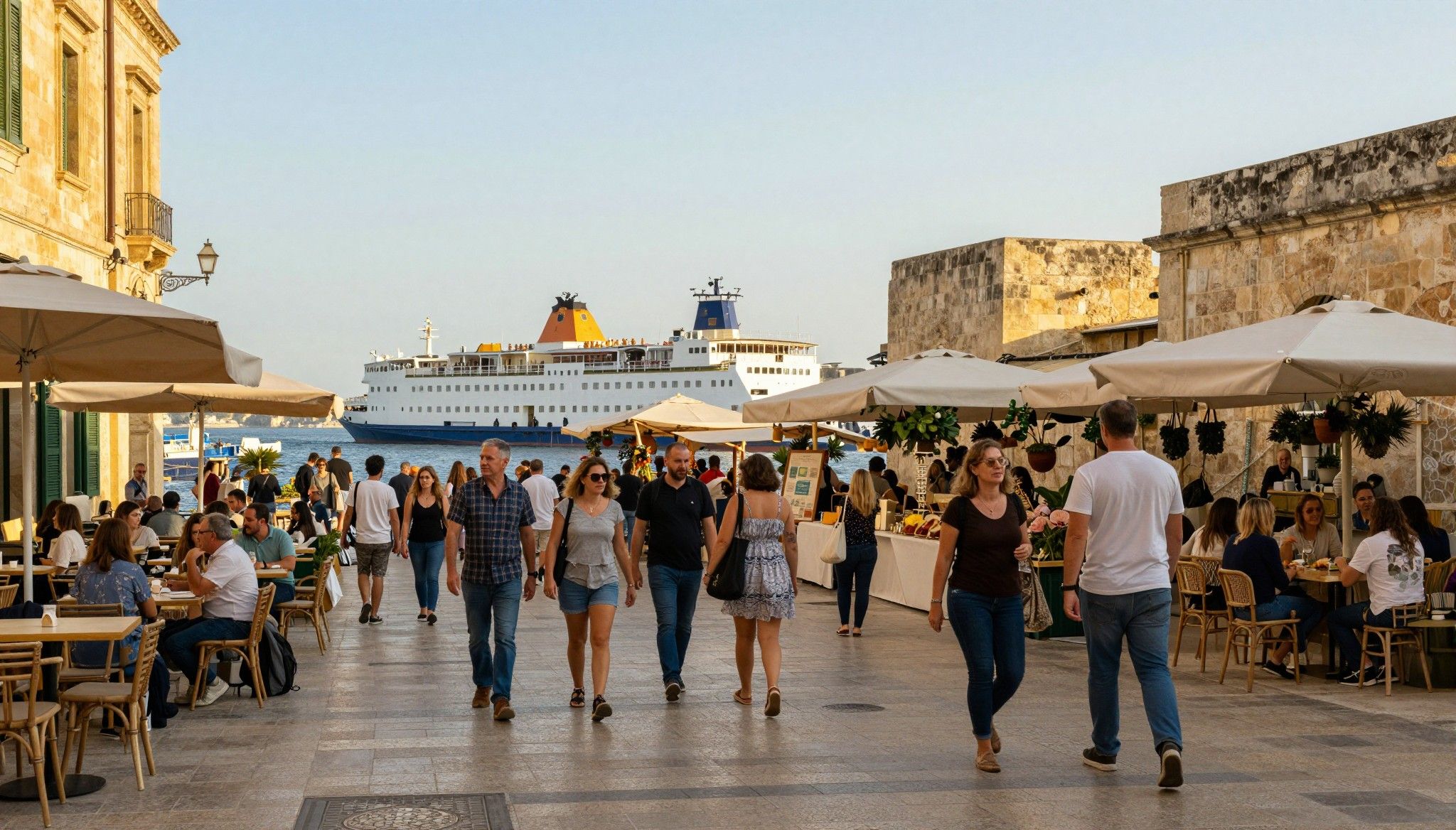
Walkability is currency. In Montpellier, apartments near Place de la Comédie trade like small businesses because cafes spill onto pavements. In Bordeaux, Bassins à Flot offers water views and new‑build convenience; cross the Garonne and Saint‑Michel offers market life and older facades. If morning markets and an evening café culture matter to you, choose streets with active ground‑floor life rather than shiny developments that sleep at night.
Food and proximity drive choices. French buyers — especially Parisians buying regionally — prioritise markets, bakeries and short drives to cultural centres. The result: towns with strong culinary identities (Aix‑en‑Provence, Biarritz, Dijon) sustain demand even when national headlines suggest cooling.
- Lifestyle highlights to look for on the street (not the brochure): 1) Morning market with regular local producers. 2) A café or boulangerie operating before 8am. 3) A late‑afternoon public square where neighbours gather. 4) Primary school and small grocery within a ten‑minute walk. 5) Public transport node with trains under 2 hours to a major city.
Making the move: match life to property
Dreams meet paperwork faster than you expect. Price stabilisation in 2025 means negotiation room in many places, but also renewed competition in core urban hubs. Match the property type to how you actually intend to live: full‑time, seasonally, or as an income generator. The choice affects location, finish level and expected yield.
Property styles and how they shape daily life
Haussmann flats in Paris give light and proportion but limit outdoor space and often require co‑ownership agreement navigation. In Toulouse, 1970s blocks offer larger interiors and lower asking prices but may need thermal upgrades. On the Riviera, older villas grant privacy but higher maintenance. Choose form‑factor by the life: terrace dinners favour south‑facing balconies; family life benefits from ground‑floor access and nearby parks.
Work with the right local experts
- 1) Hire an agent who knows the street, not just the city — they will recognise micro‑price swings. 2) Ask for recent comparable sales within the same street or square. 3) Engage a bilingual notaire early: title checks and servitudes vary by commune. 4) Insist on an inventory of common charges and planned works for co‑ownerships. 5) Visit at two different times of day to confirm the street’s rhythm.
Insider knowledge: what expats often miss
Expats fall in love with images — and then discover local seasons. A city centre can be wonderful in summer and quiet, shuttered or noisy at other times. Recent statistics show national price movements are subtle and regional — meaning a national headline won’t tell you what will happen on the street you love. Use official local data to test assumptions before you bid.
Cultural cues that change where you buy
The French prize permanence: inherited apartments and long‑standing co‑ownerships dominate many central neighbourhoods. That can mean fewer properties come to market, and when they do, they attract local buyers first. Learn local cadence: market days, school catchments, and parking rules influence resale value as much as façade quality.
In practice: visit morning markets, sit in a café and ask about the neighbourhood, and get a local agent to show you three comparable streets. Combine that street‑level work with national data from INSEE and Notaires to make an offer that reflects both rhythm and reality.
British expat who relocated to Marbella in 2012. Specializes in rigorous due diligence and cross-border investment strategies for UK and international buyers.